A small cottage garden can feel generous without squeezing flowers into every opening. Its character comes from layered growth, informal edges and the relationship between planting and a few simple structures. Decide where you want to sit and how you will reach that spot before filling the beds.
Use these photographs as arrangement ideas rather than a universal plant list. Soil, sun, rainfall and winter conditions determine what will thrive locally. Choose suitable varieties for their mature size, spread and care needs, then leave enough room to prune, water and enjoy the flowers at close range.
PART 01
Give abundant planting a simple framework
IDEA 01 / 20
Give the Flower-Lined Path a Destination
 SaveSupport Non AI Creator
Image credit: Getty Images/Siobhan_Fraser
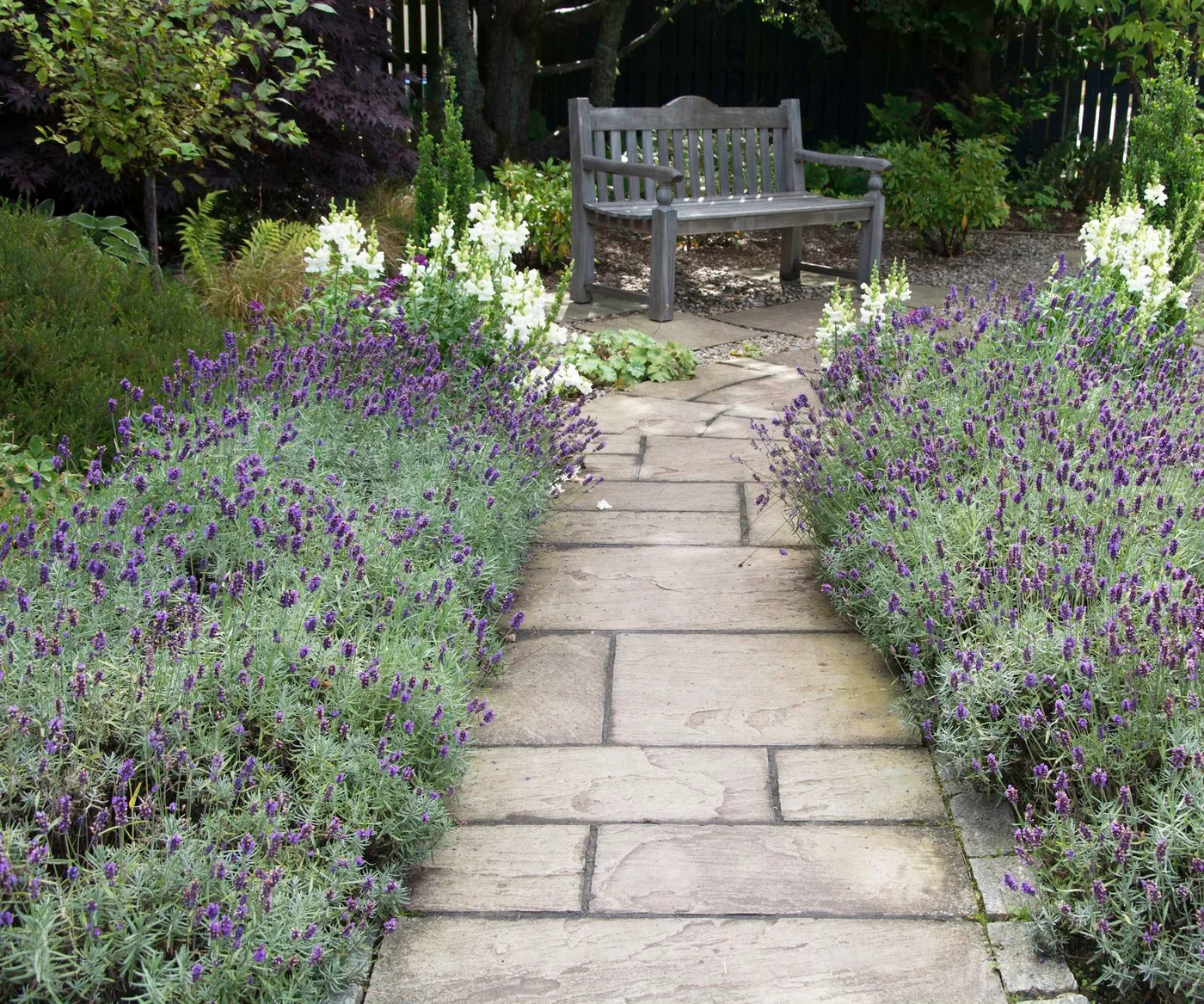
The pale path leads directly to a bench, giving the flowering borders a clear purpose and destination. Purple blooms lean toward the paving while white flowers brighten the far end. The simple route holds the arrangement together without making the planting look overly formal.
Set the path width for comfortable use after plants reach mature size. Leave enough room in front of the bench to sit and stand without brushing wet foliage. Backyard walkway ideas offer more surface comparisons when deciding how a practical route should pass through generous borders. If your garden also includes a place for gathering, compare shed pub ideas while preserving a clear route between the house, seating and planted borders. If you also want space for food growing, these vegetable garden ideas can help you reserve separate beds without losing the main route to the bench.
IDEA 02 / 20
Keep One Crisp Edge Around a Loose Border
 SaveSupport Non AI Creator
Image credit: Getty Images/© Frédéric Collin
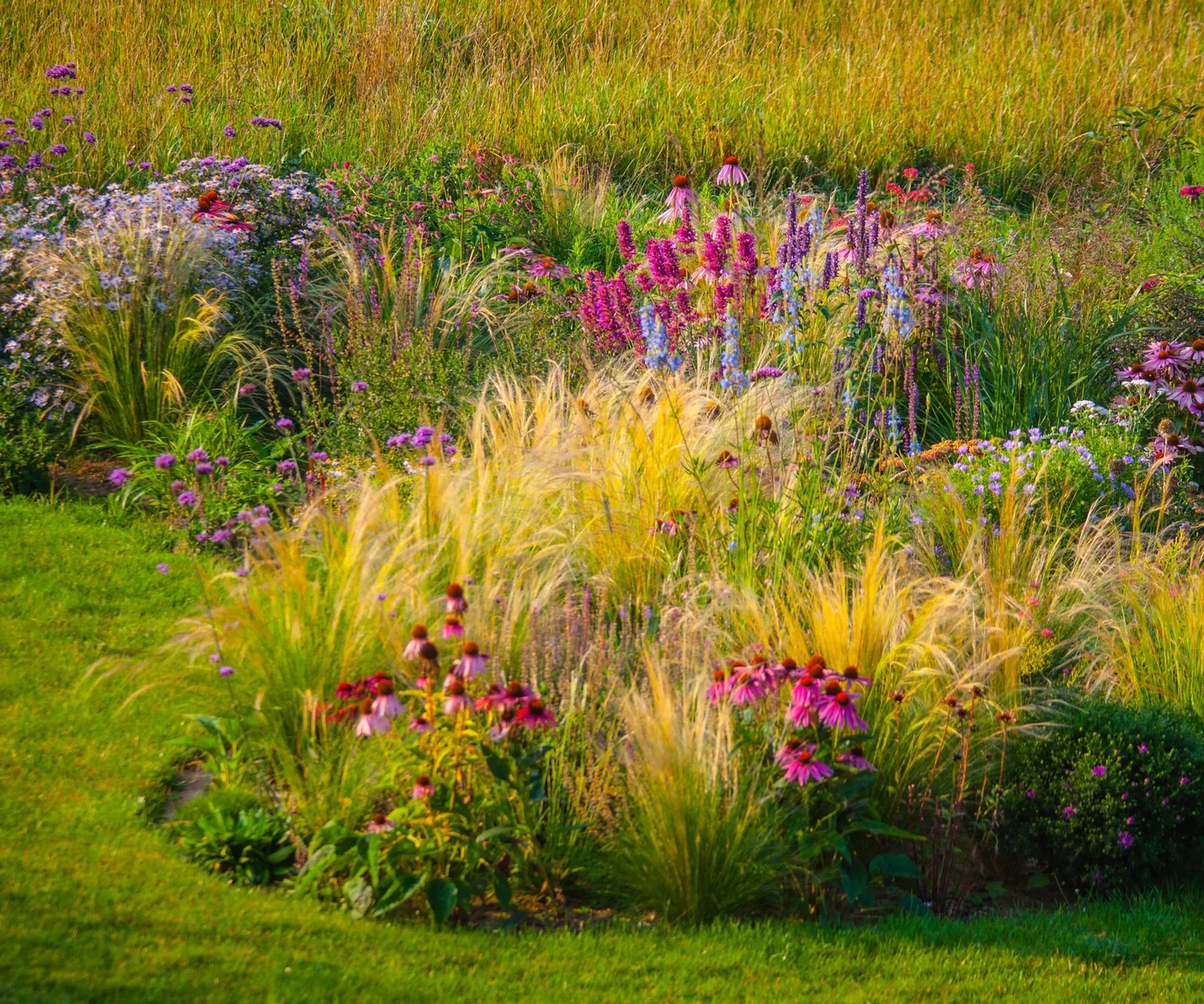
A crisp lawn edge gives the loose mixed planting a clear outline. Rounded flowers, upright spikes and fine grasses vary the texture without requiring many ornaments. The border feels full, but the visible edge makes the change from walking space to planting easy to understand.
Use a smaller version of the planting rhythm rather than copying the whole broad border. Repeat a few locally suitable plants and leave them room to develop. Keep the lawn edge accessible for trimming, or choose another firm boundary if regular turf maintenance does not suit your routine.
IDEA 03 / 20
Let a Low Fence Organize Tall Flowers
 SaveSupport Non AI Creator
Image credit: Future / Clive Nichols
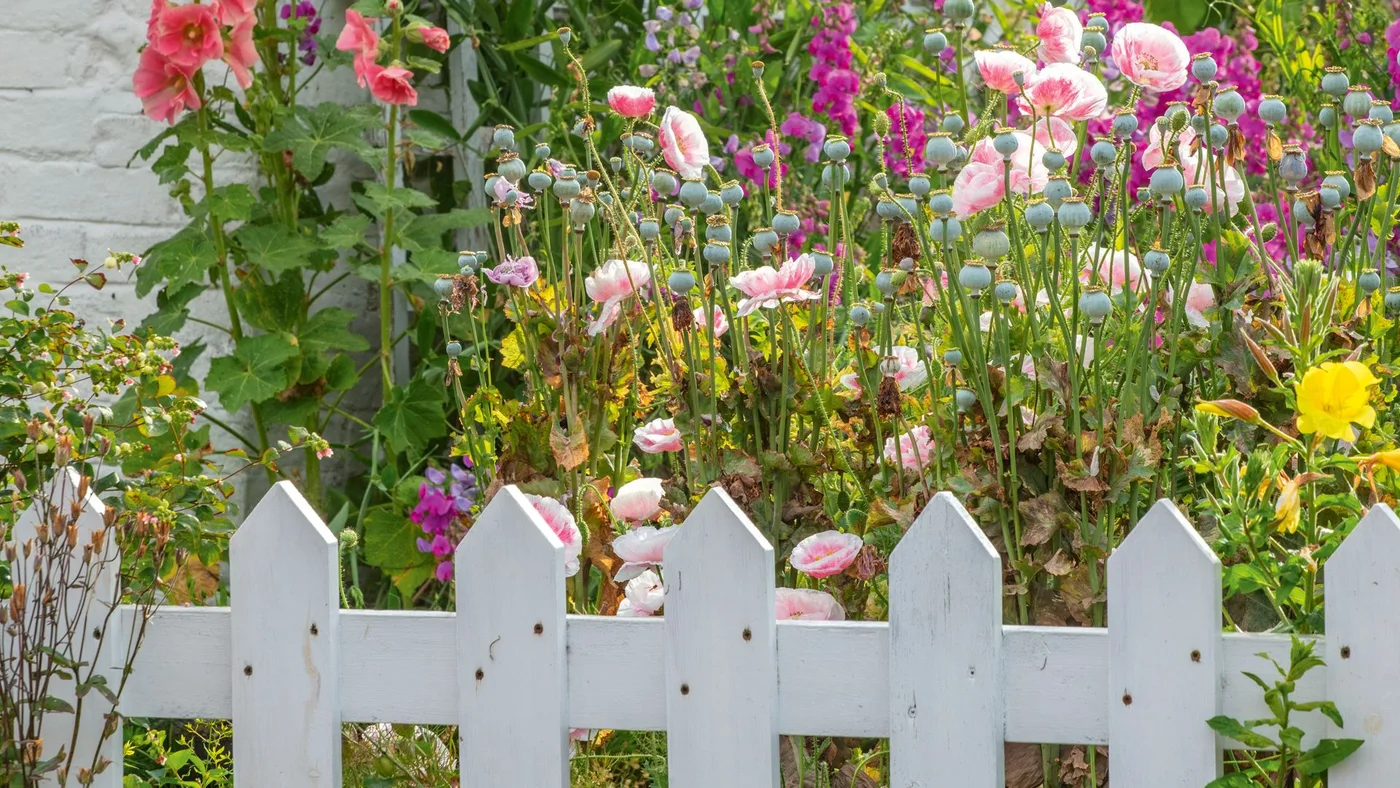
The low white fence supplies a tidy foreground beneath tall flowers and seedheads. It gives the planting a recognizable boundary without hiding most of the stems. The contrast between the simple repeated pickets and the irregular growth creates cottage character within a relatively narrow strip.
Match the planting height to the fence and the view beyond it. Leave space to maintain the finish without trampling the bed, and keep thorny or sprawling growth away from a public path. A decorative low fence defines an edge; it does not provide substantial privacy or security.
IDEA 04 / 20
Keep a Clear Center Through Flowering Borders
 SaveSupport Non AI Creator
Image credit: Future
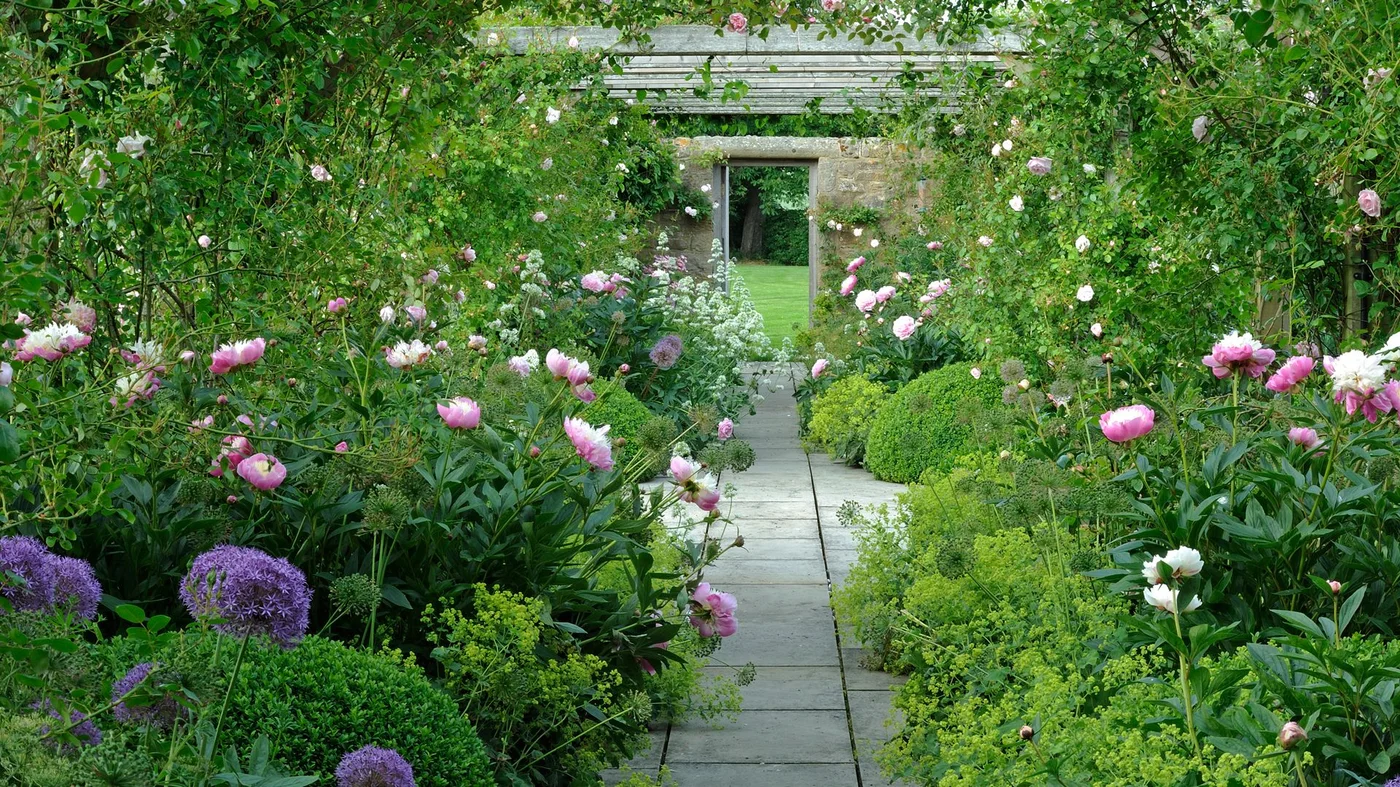
The pale path remains visible through densely planted beds, leading beneath an overhead framework toward an opening. Rounded clipped shapes give the lower layer structure while flowers soften the edges. The view shows how one clear route can organize a richly planted garden.
Scale the idea to one short path or gateway in a small plot. Keep growth clear of the walking surface and allow comfortable headroom under supports. Avoid adding an arch if it makes the only route narrow; the planting should enrich the journey rather than turn it into an obstacle.
IDEA 05 / 20
Use Stepping Slabs Beside a Small Lawn
 SaveSupport Non AI Creator
Image credit: Future |Colin Poole
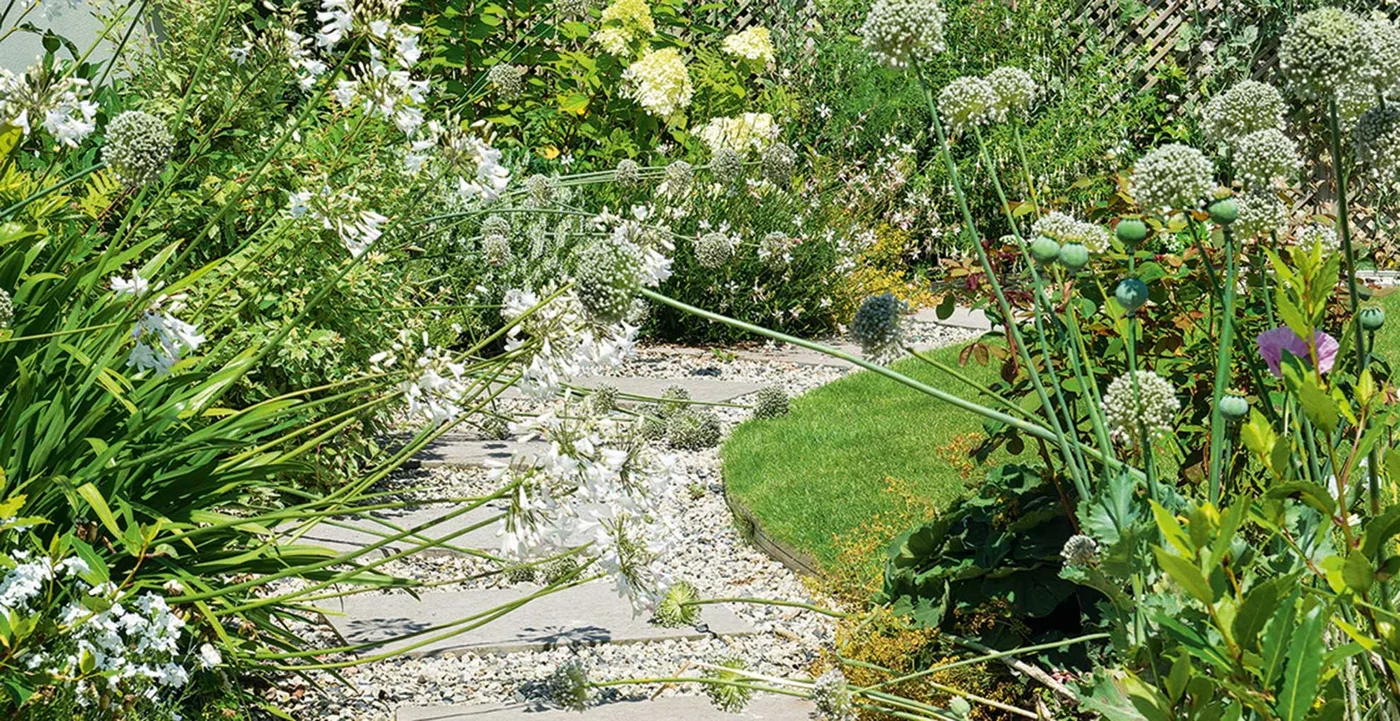
Stepping slabs form a clear sequence through pale gravel beside the small curved lawn. Tall white flowers soften the boundary while the hard surfaces remain identifiable. The lawn curve avoids a rigid grid, giving the planted edge an informal feel within a compact arrangement.
Set slabs securely and test their spacing with a natural walking pace. Keep loose stones contained and trim stems before they obscure foot placement. A more continuous surface may suit frequent trips, wheels or reduced mobility better than decorative gaps, even when the stepping-stone appearance is appealing.
PART 02
Use height without filling the floor
IDEA 06 / 20
Use Upright Flowers in a Narrow Bed
 SaveSupport Non AI Creator
Image credit: Future/Jacky Hobbs
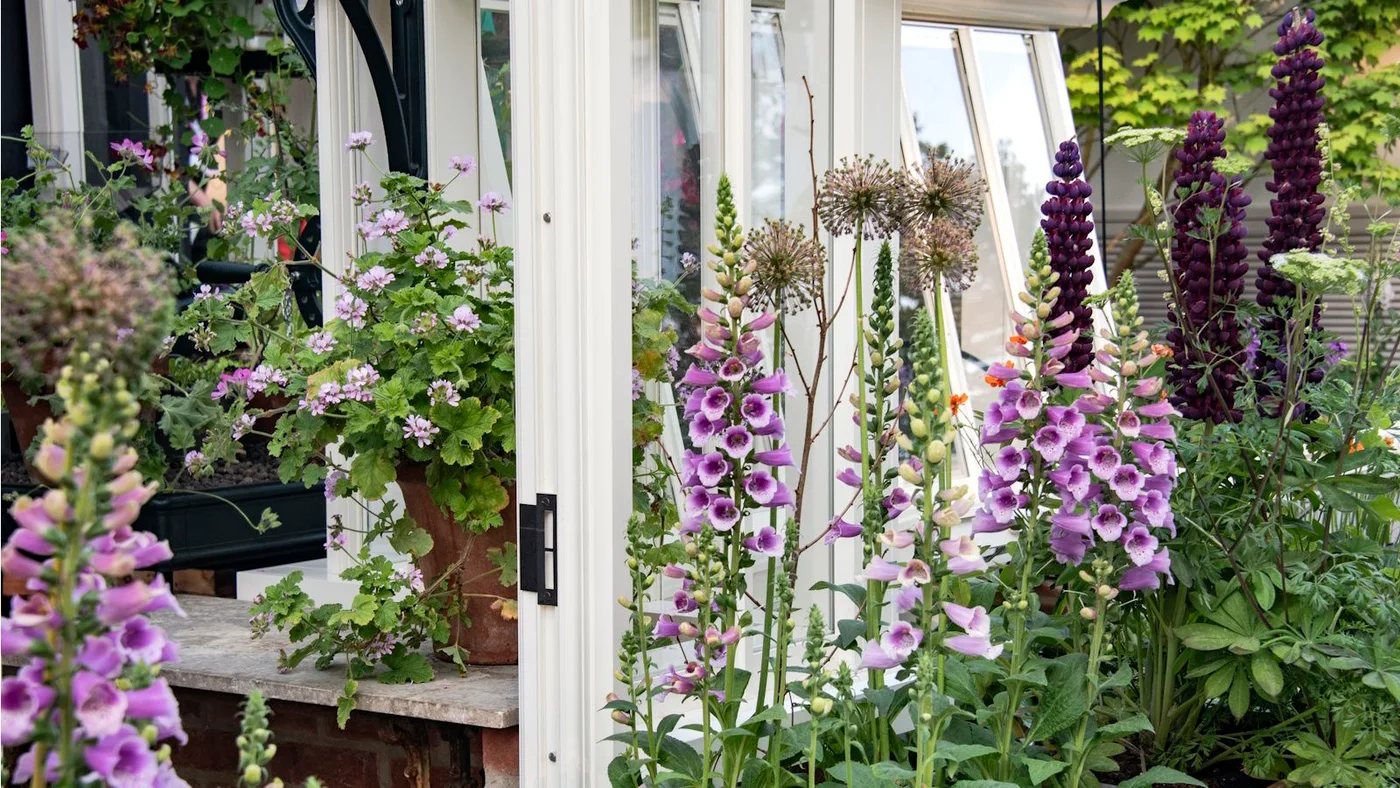
Upright flower spikes bring height to a narrow planted strip beside the glazed doors. Smaller containers fill the lower layer, creating a full display without needing a deep bed. The pale frames make the flower colors easy to see from both the garden and the room inside.
Choose suitable upright varieties by their mature height and support needs, rather than placing every tall plant along the same edge. Keep doors and windows clear as growth develops. Check plant safety for children and pets, since a traditional cottage-garden appearance does not mean every species is suitable for every household.
IDEA 07 / 20
Frame a Doorway With Climbing Flowers
 SaveSupport Non AI Creator
Image credit: Getty Images/ manfredxy
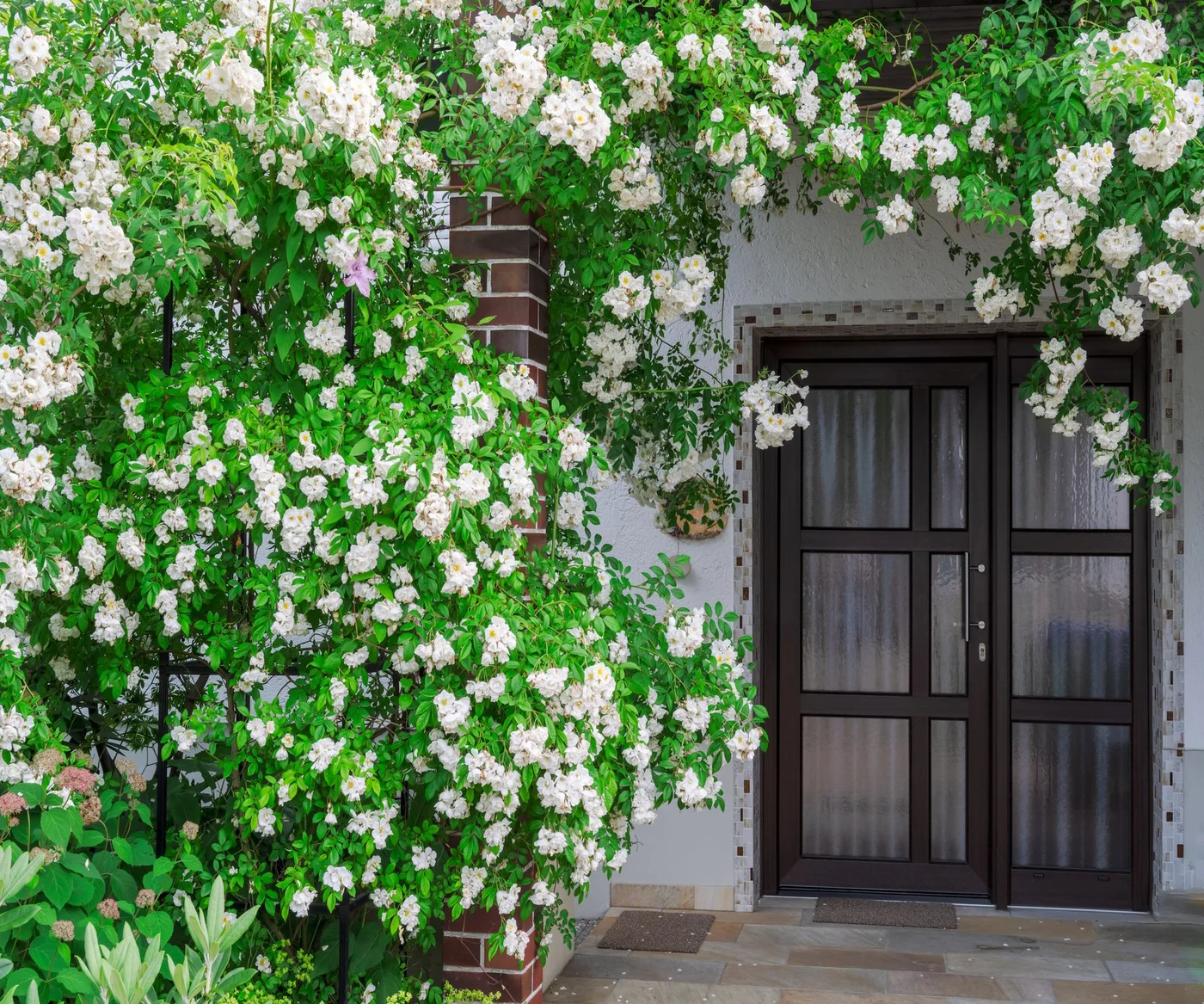
White flowering stems soften the wall around the dark doorway, bringing cottage character onto the building itself. The climbing growth adds height without using a broad area of ground. Dark door panels provide contrast, making the pale flowers stand out as the main decorative feature.
Choose a climber whose mature vigor fits the available support. Leave a clear opening, keep growth away from gutters and allow access for pruning. Check the suitability of any fixings for the wall, and avoid trailing or thorny stems where people pass close to the entrance.
IDEA 08 / 20
Soften a Small Trellis With Flowering Stems
 SaveSupport Non AI Creator
Image credit: Valerii Maksimov via Getty Images
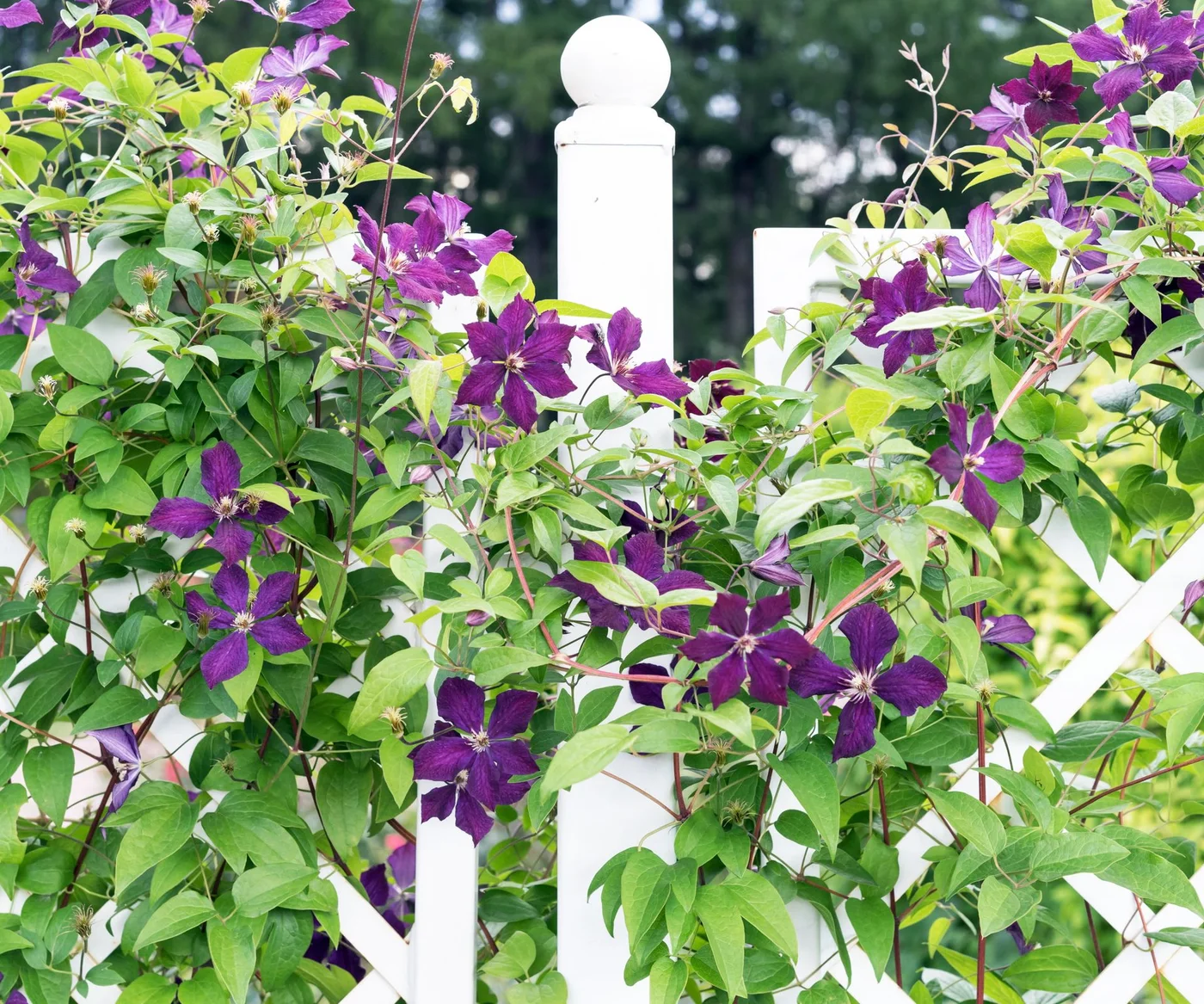
Purple flowers weave across the white trellis, turning a simple vertical structure into a planted layer. Some of the grid remains visible, so the result feels lighter than a solid wall. This is a useful detail for a small bed where extra height matters more than additional width.
Select a climber for the light, soil and eventual support area, and check its pruning requirements before buying. Keep the structure sound and accessible behind the growth. If privacy is the aim, remember that an open trellis with changing foliage provides a filter rather than dependable year-round concealment.
IDEA 09 / 20
Bring Flowers Onto a Garden Building
 SaveSupport Non AI Creator
Image credit: Getty Images | Matheisl
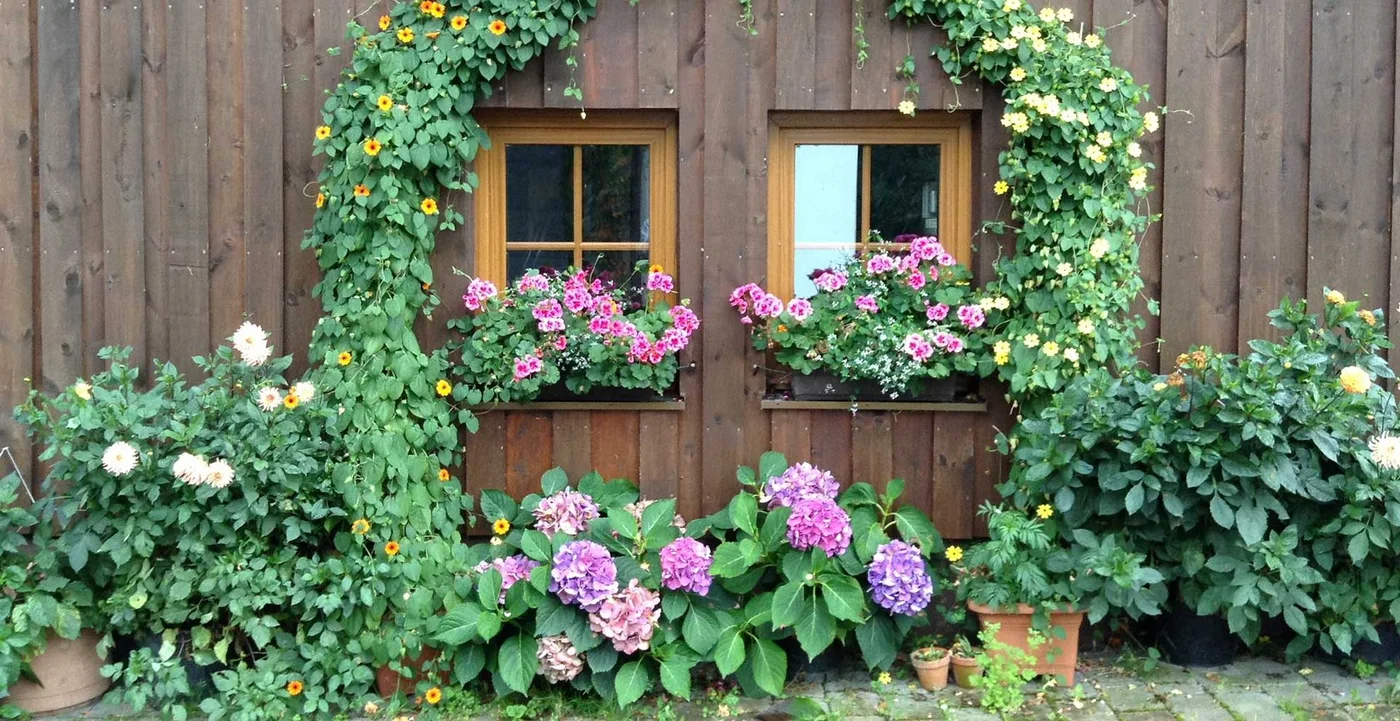
Climbing stems frame the windows while window boxes place flowers just beneath them. Larger pots at ground level complete the layered display. The timber wall becomes part of the garden, allowing the planting to occupy several heights rather than relying entirely on beds around the building.
Protect the cladding by using suitable supports and checking drainage from the boxes. Leave windows, vents and doors clear, with access for maintaining the finish. Choose containers that can be watered safely without repeatedly soaking timber, and avoid letting mature growth pull on vulnerable trim.
IDEA 10 / 20
Use the House as a Quiet Flower Backdrop
 SaveSupport Non AI Creator
Image credit: Future
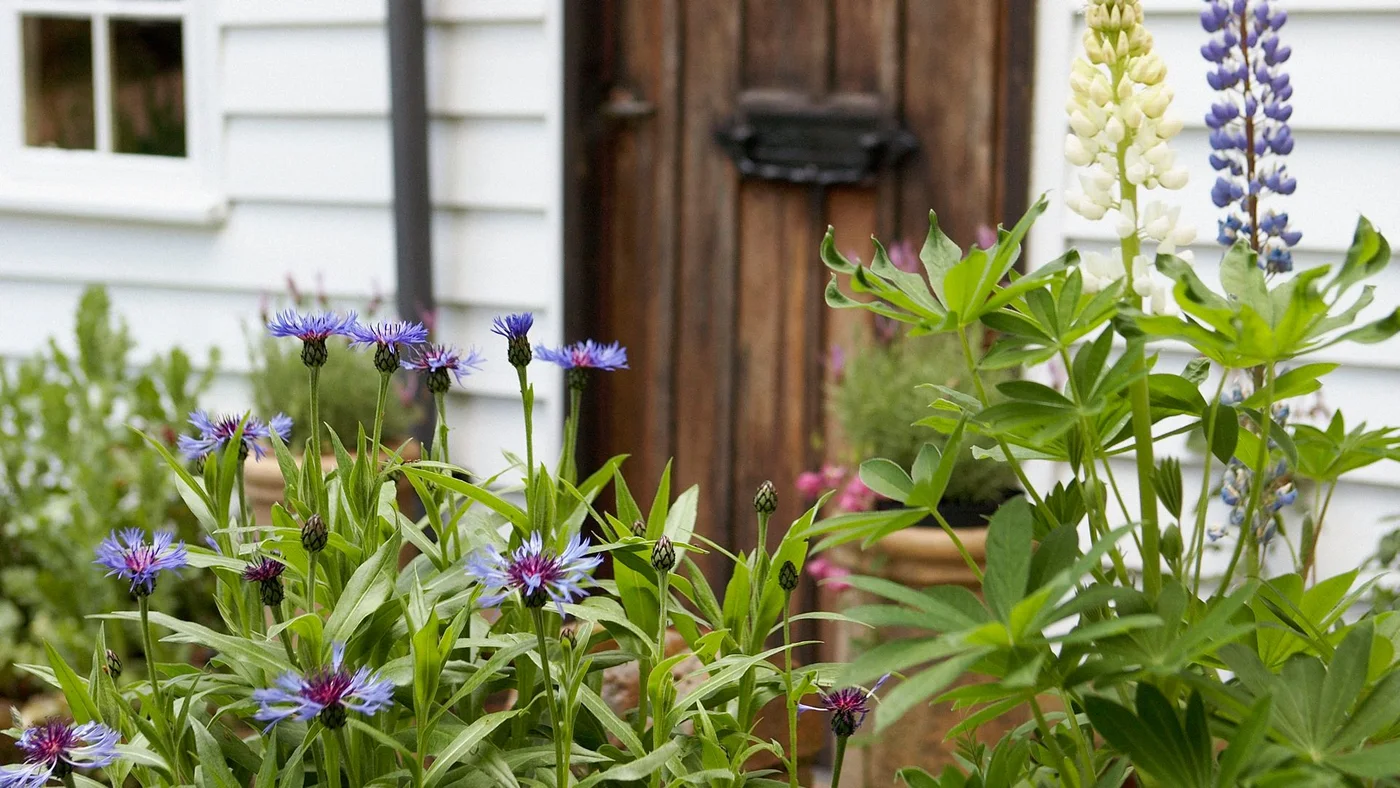
White cladding provides a calm backdrop for blue flowers and taller pale blooms. The narrow view concentrates on the planted edge close to the house, showing that cottage character can come from a modest strip rather than a whole deep garden. A timber doorway adds a warmer vertical accent.
Check sun and rain exposure close to the wall, where growing conditions can differ from the open garden. Leave building details accessible and keep mature foliage out of the doorway. Repeat a few plants that suit the location instead of buying many varieties that compete for limited root space.
PART 03
Keep a seat within the flowers
IDEA 11 / 20
Fit a Bench Into the Planted Corner
 SaveSupport Non AI Creator
Image credit: Leigh Clapp
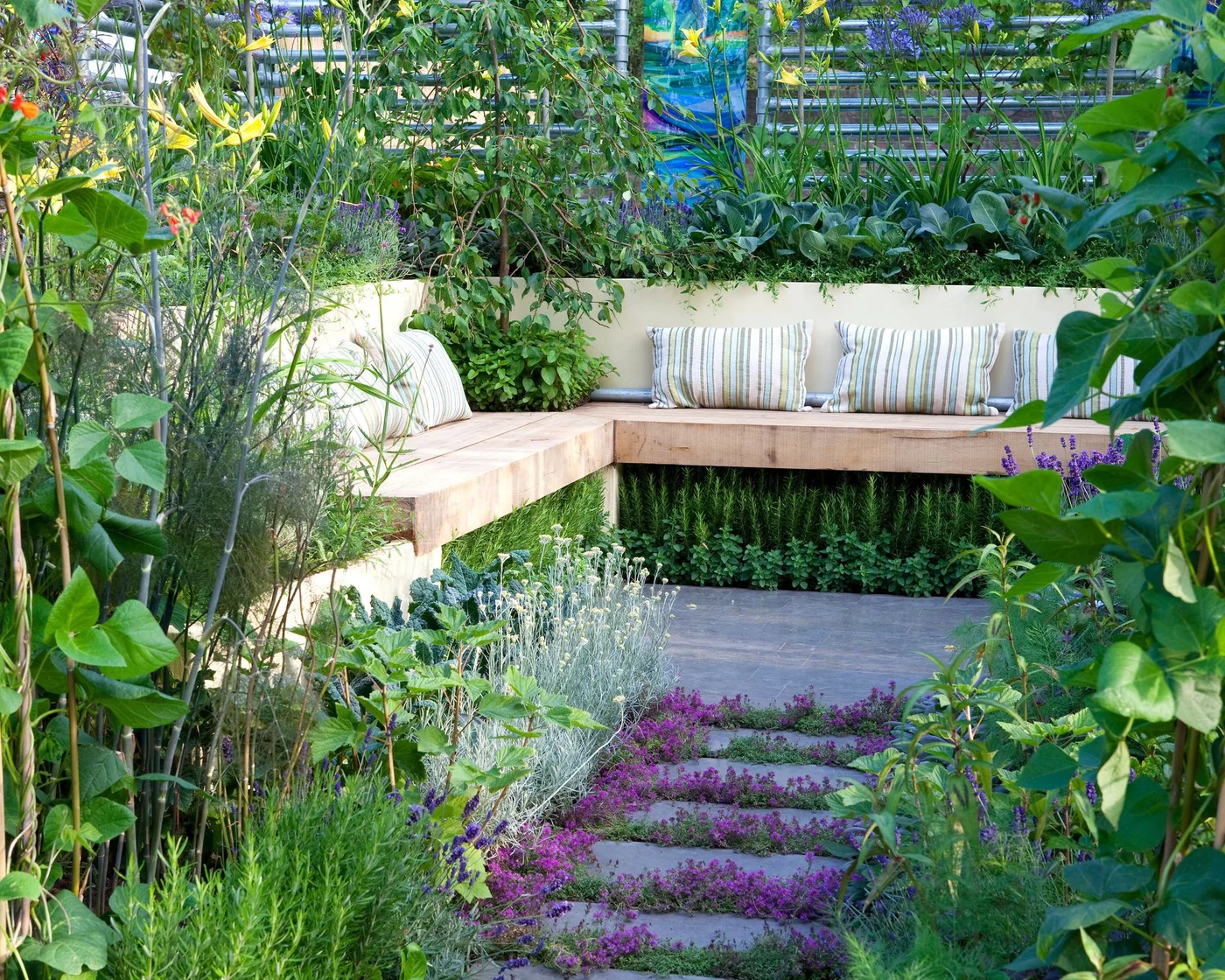
The corner bench makes a defined sitting place within the abundant planting. Raised and upright growth surrounds it at several heights while the central paving remains visible. Striped cushions keep the seat inviting without adding several loose chairs to the same small planted pocket.
Test the seat depth and access before committing to built-in furniture. Leave space to reach plants behind and beside it, particularly where harvesting or pruning is needed. Small courtyard ideas offer other examples of balancing a planted enclosure with enough open floor to use the seat comfortably.
IDEA 12 / 20
Let Flowers Surround a Modest Table
 SaveSupport Non AI Creator
Image credit: Leigh clapp
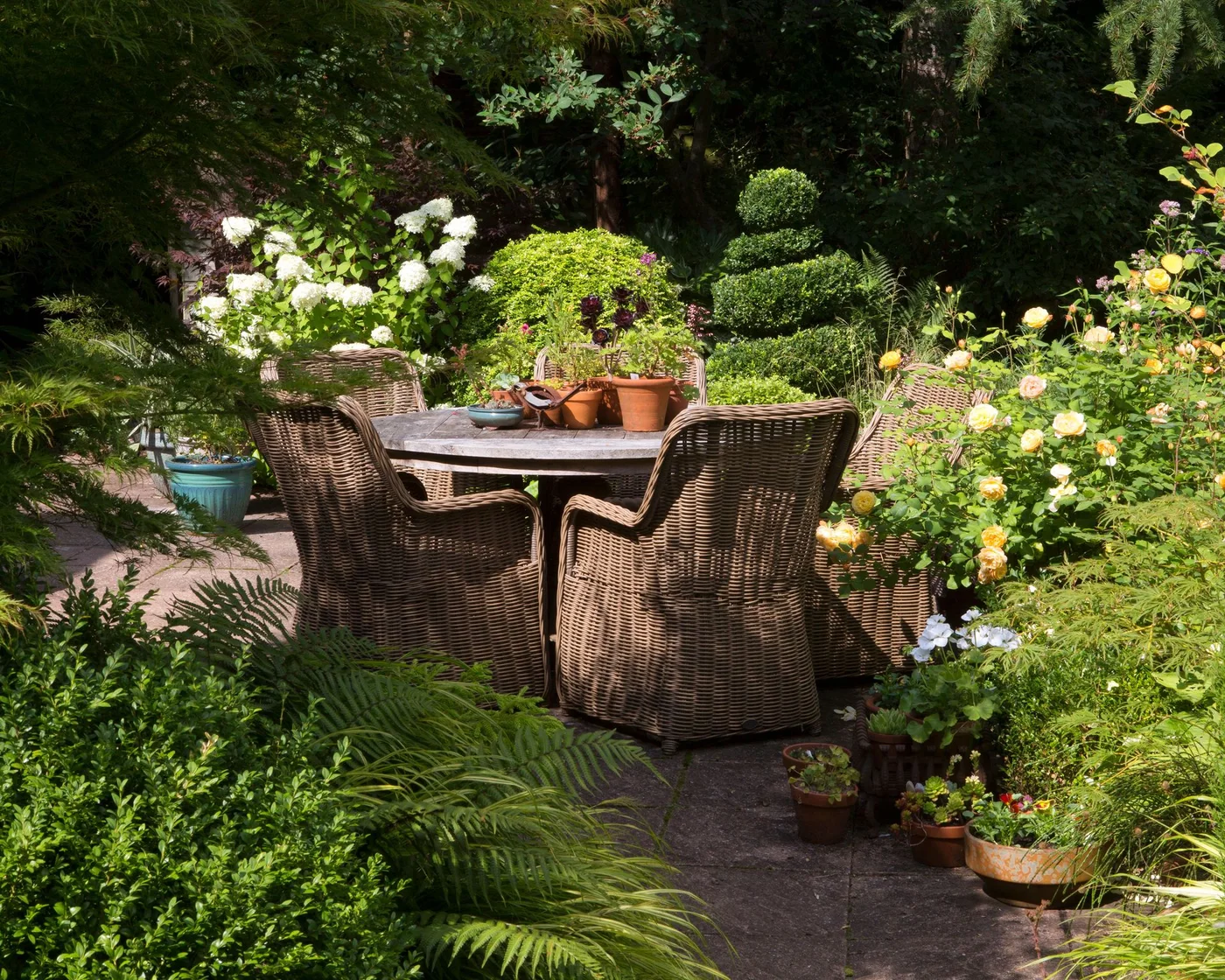
A small table sits within a close ring of foliage and pale flowers. The planting makes the seat feel sheltered while the paved foreground provides an identifiable approach. Containers repeat the surrounding garden colors without introducing a separate collection of unrelated decorative objects.
Leave enough room behind occupied chairs for movement and plant care. Check the sunlight where people will actually sit, since dense planting can change both shade and airflow. Choose plants that fit their mature space, and keep stems from leaning across plates or catching on clothing.
IDEA 13 / 20
Give One Chair a Flower-Matching Color
 SaveSupport Non AI Creator
Image credit: Leigh Clapp
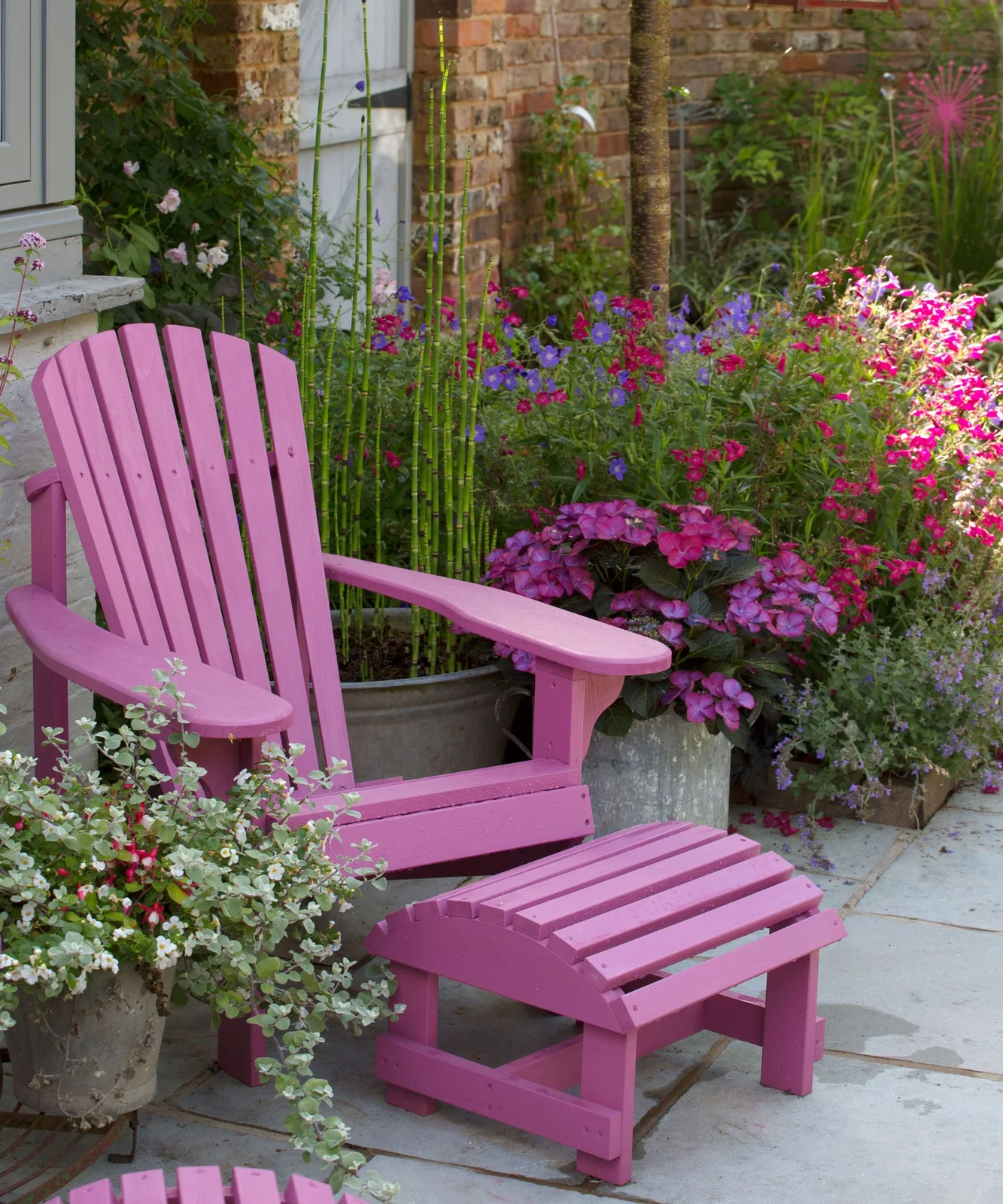
The pink chair echoes the nearby blooms, giving the small sitting spot a cheerful focus. Containers gather at the sides while the chair and footstool form one clear furniture group. The color makes the seat noticeable without needing a large patio or a second focal feature.
Use an exterior finish suitable for the furniture and prepare it according to the product guidance. Check that the footstool leaves a clear passing route. A single strong furniture color is easier to coordinate in a small garden than several competing painted pieces scattered among the flowers.
IDEA 14 / 20
Keep a Small Seating Pocket Within Deep Planting
 SaveSupport Non AI Creator
Image credit: Future/Jacky Hobbs
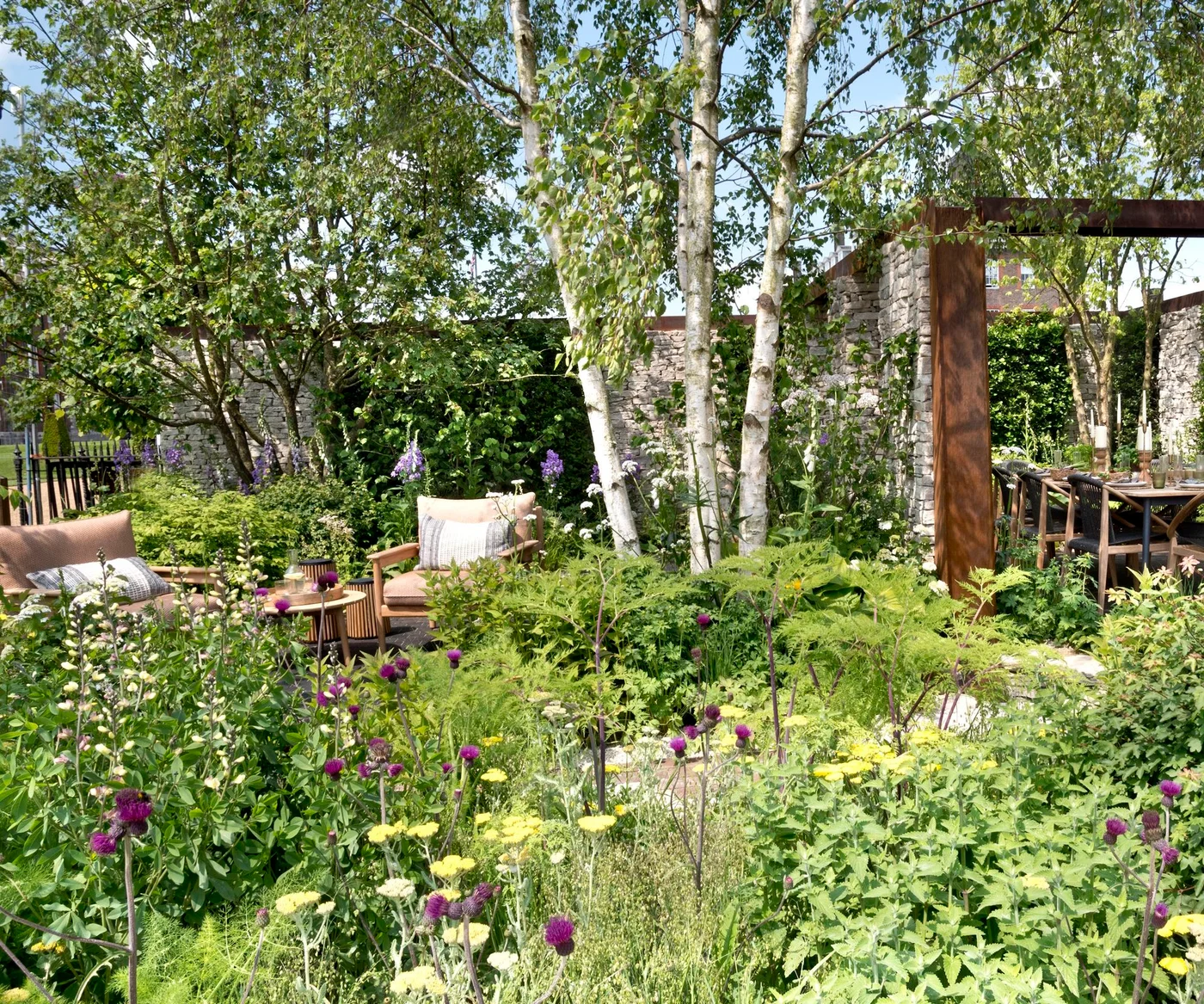
The chairs and small table occupy a pocket within layered planting, with slender trees adding height above them. Stone walls give the background structure while flowers and leaves soften the foreground. The seat belongs within the garden rather than appearing isolated on an empty paved expanse.
Copy the relationship between seating and planting at a scale your plot can support. Trees need suitable rooting space and professional advice where structures are close. Keep a firm approach visible and allow enough maintenance access that the inviting planted pocket does not become difficult to reach.
IDEA 15 / 20
Choose Open Furniture Against Full Borders
 SaveSupport Non AI Creator
Image credit: Future/Clive Nichols
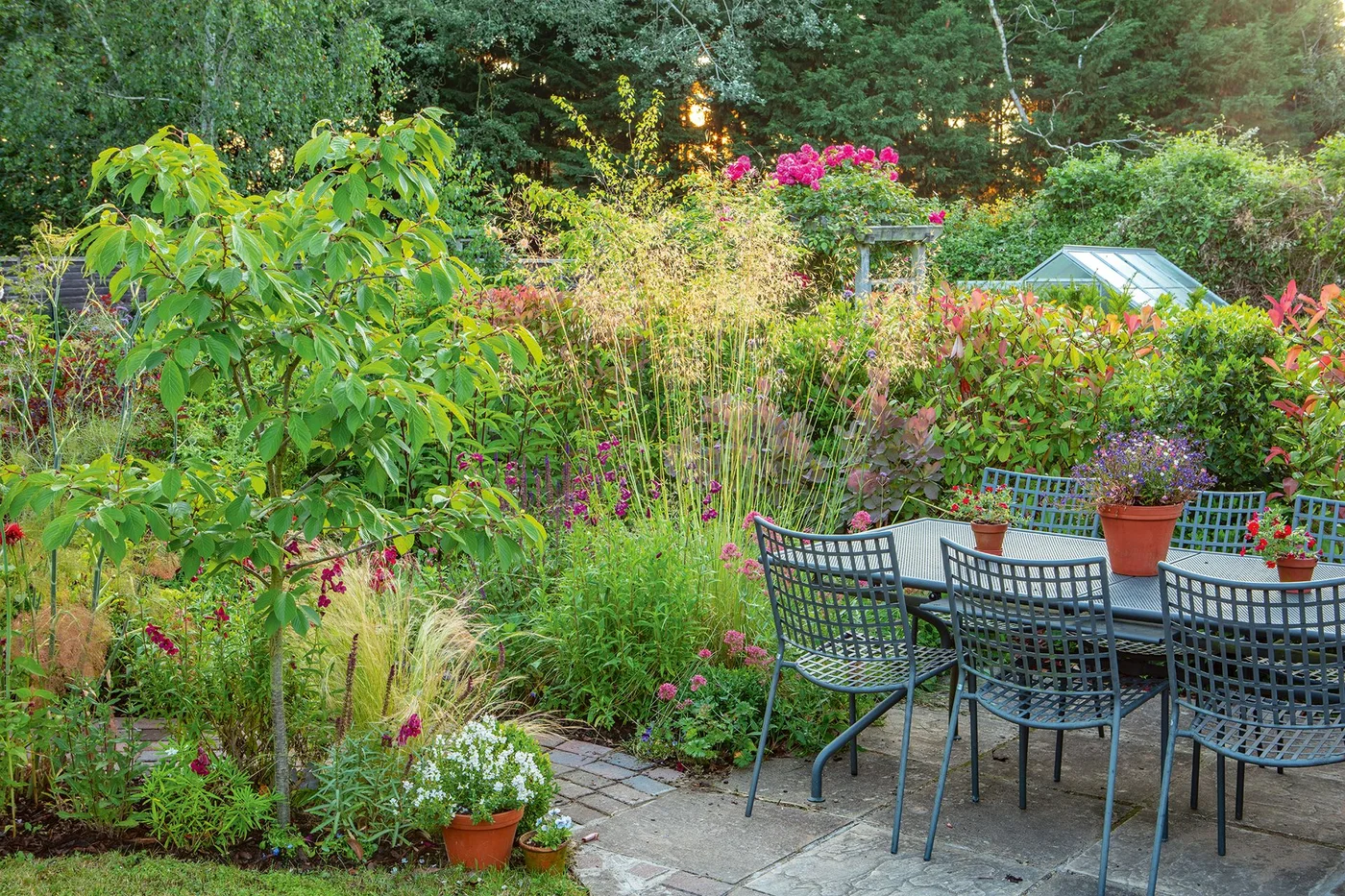
The open chair frames allow glimpses of planting through the dining group. Blue-gray furniture gives the colorful border a quieter companion, while small pots repeat the garden on the tabletop. The seating footprint stays visually distinct from the rich mix of stems, flowers and leaves around it.
Choose the table for the number of people who regularly use it, then preserve room for occupied chairs. Keep surrounding beds manageable rather than narrowing the patio to maximize planting. Open frames can look light, but their actual width still determines whether the arrangement fits a small plot.
PART 04
Add details you can maintain
IDEA 16 / 20
Soften Paving With a Leafy Edge
 SaveSupport Non AI Creator
Image credit: Farlam & Chandler
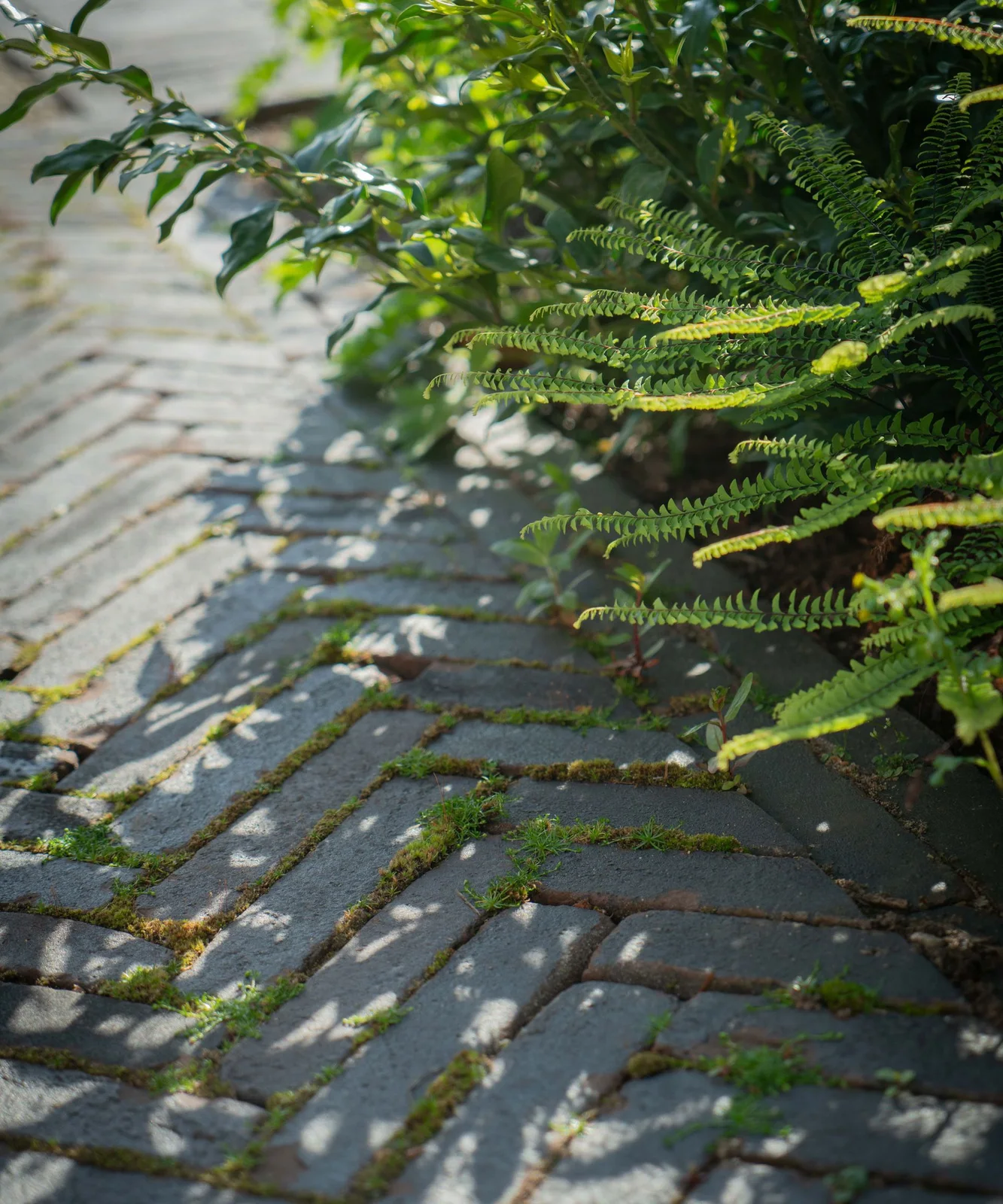
Fine fern-like fronds contrast with broader leaves along the paved edge. Small dark paving units give the ground texture while the greenery supplies most of the detail. This quieter combination offers cottage character in a leafy corner without requiring bright flowers in every part of the garden.
Choose plants for the actual shade and moisture conditions rather than forcing a sun-loving border into the corner. Keep foliage off the usable route and monitor damp paving for slipperiness. Moss-filled joints are part of the photographed appearance, but walking surfaces still need to remain safe and stable.
IDEA 17 / 20
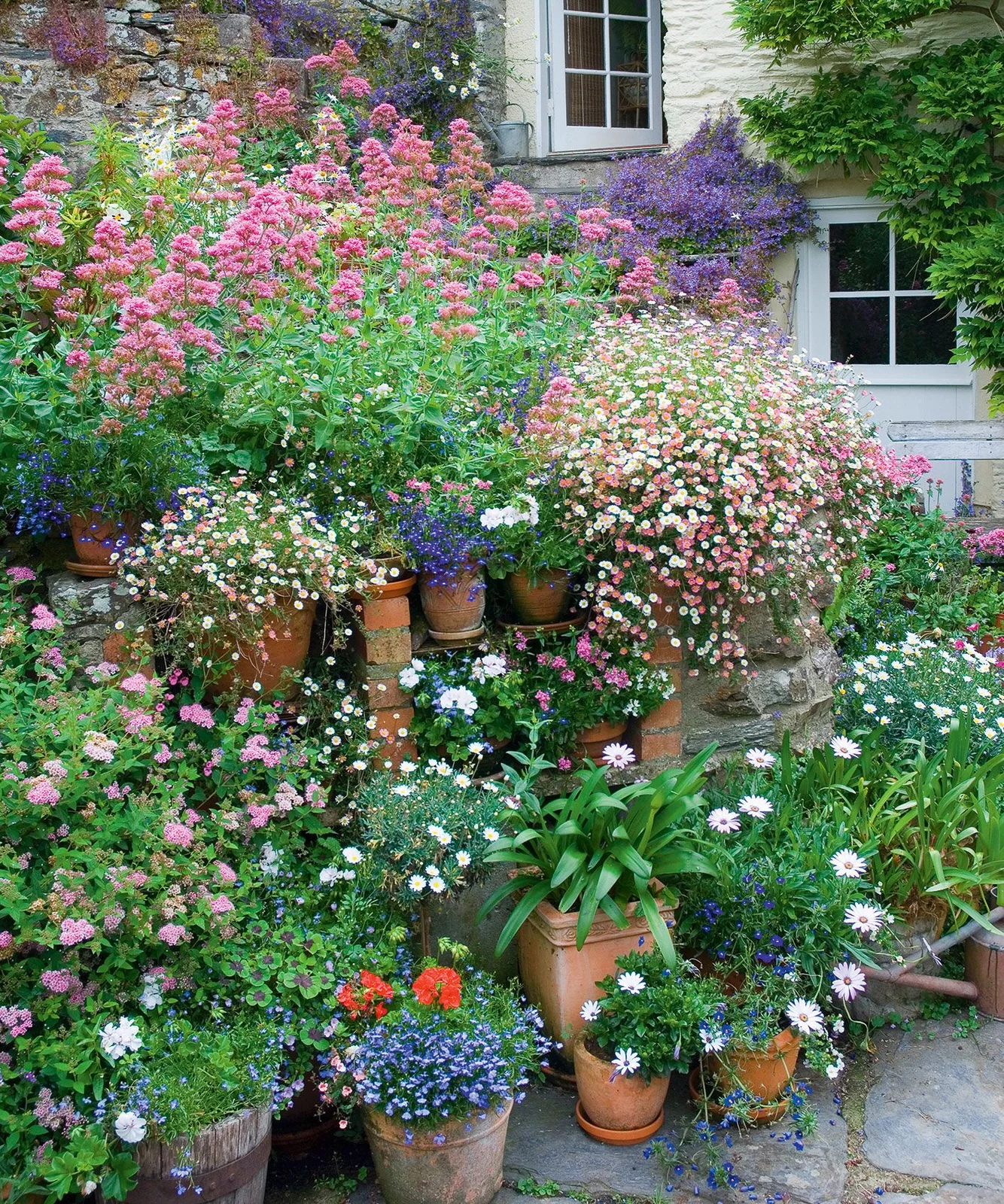
Group Flowering Containers at Several Heights
 SaveSupport Non AI Creator
Image credit: Getty Images
Terracotta pots bring a generous mix of pink, blue and white flowers close to the house. Different heights let smaller blooms remain visible in front of taller stems. The repeated pot color helps the abundant collection feel related even though the flowers and leaves vary.
Keep the display beside the route rather than filling working steps or landings. Use stable supports designed for the loaded pots, and leave access for watering each container. Start with fewer pots than this dense example if maintenance time is limited; containers need regular attention in warm or windy weather.
IDEA 18 / 20
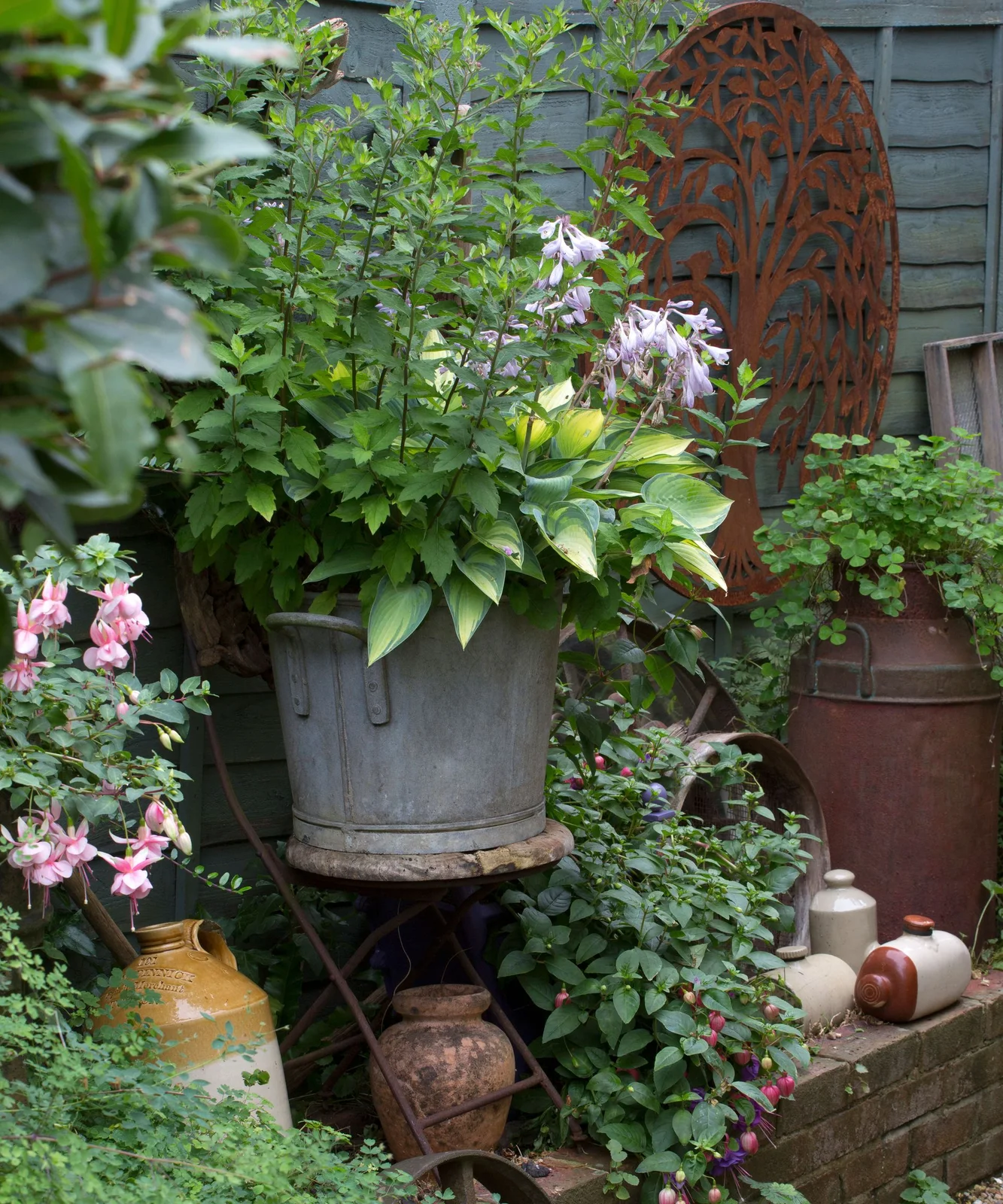
Use One Weathered Container as a Focal Detail
 SaveSupport Non AI Creator
Image credit: Leigh clapp
The weathered metal container gives the leafy display a strong central shape. Pink and pale flowers soften its rim, while the gray backdrop keeps the surrounding objects from competing with the foliage. The idea suits a small planted corner where a single distinctive vessel can provide character.
Check any reused container for sharp edges, stability and suitable drainage before planting. Do not assume its previous contents were safe for growing food. Keep the number of surrounding objects restrained in a tight space, and leave the container reachable for watering and removing fallen leaves.
IDEA 19 / 20
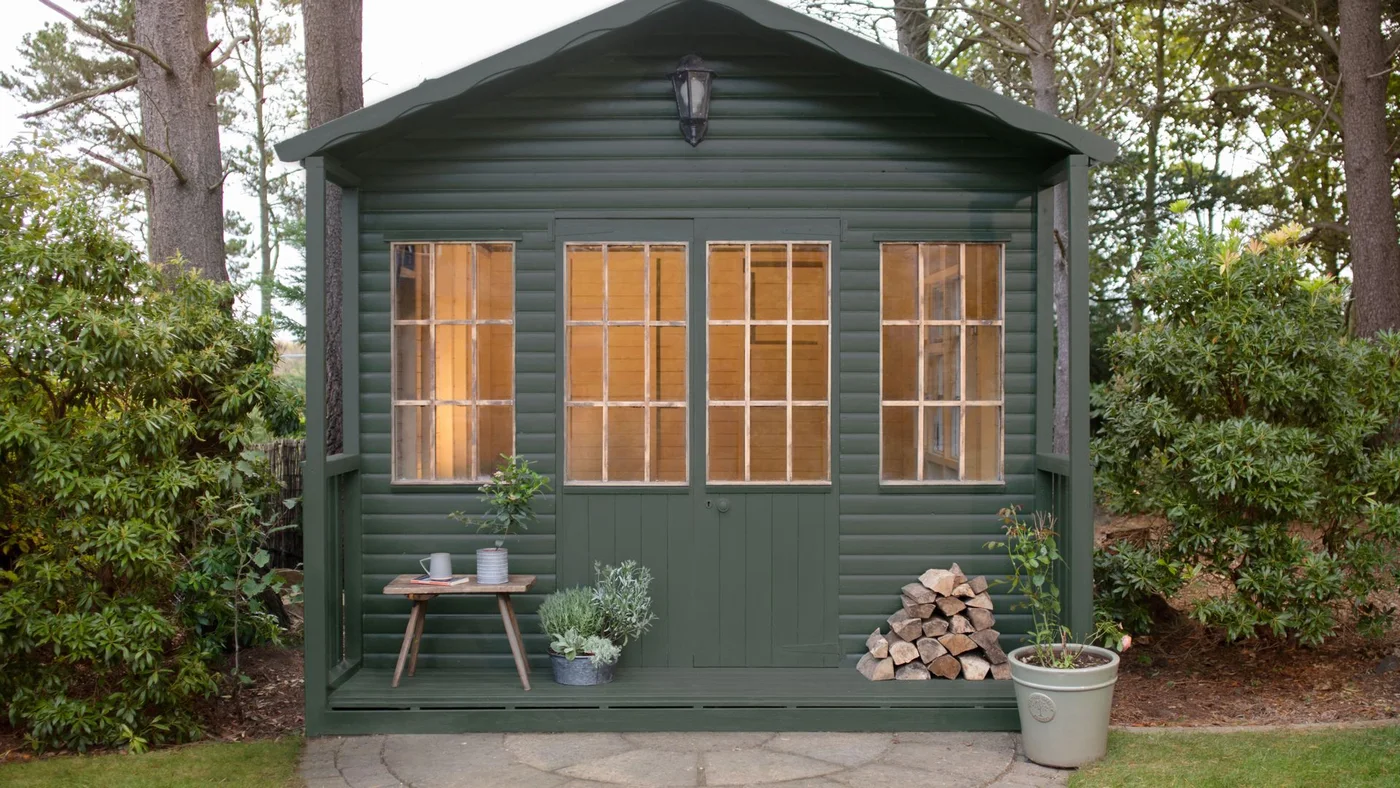
Let a Garden Building Blend Into Greenery
 SaveSupport Non AI Creator
Image credit: Ronseal
The dark green finish helps the garden building sit quietly between shrubs. Pale glazing frames and a few small containers keep its entrance readable. A restrained frontage leaves the surrounding planting to supply character, avoiding a busy collection of ornaments across a small garden’s main view.
Choose a finish suitable for the building and allow access to maintain every side. Keep planting clear of cladding and ventilation, and preserve a firm approach to the doors. A small garden benefits from practical storage, but the building’s footprint should leave enough usable space for the activities you enjoy.
IDEA 20 / 20
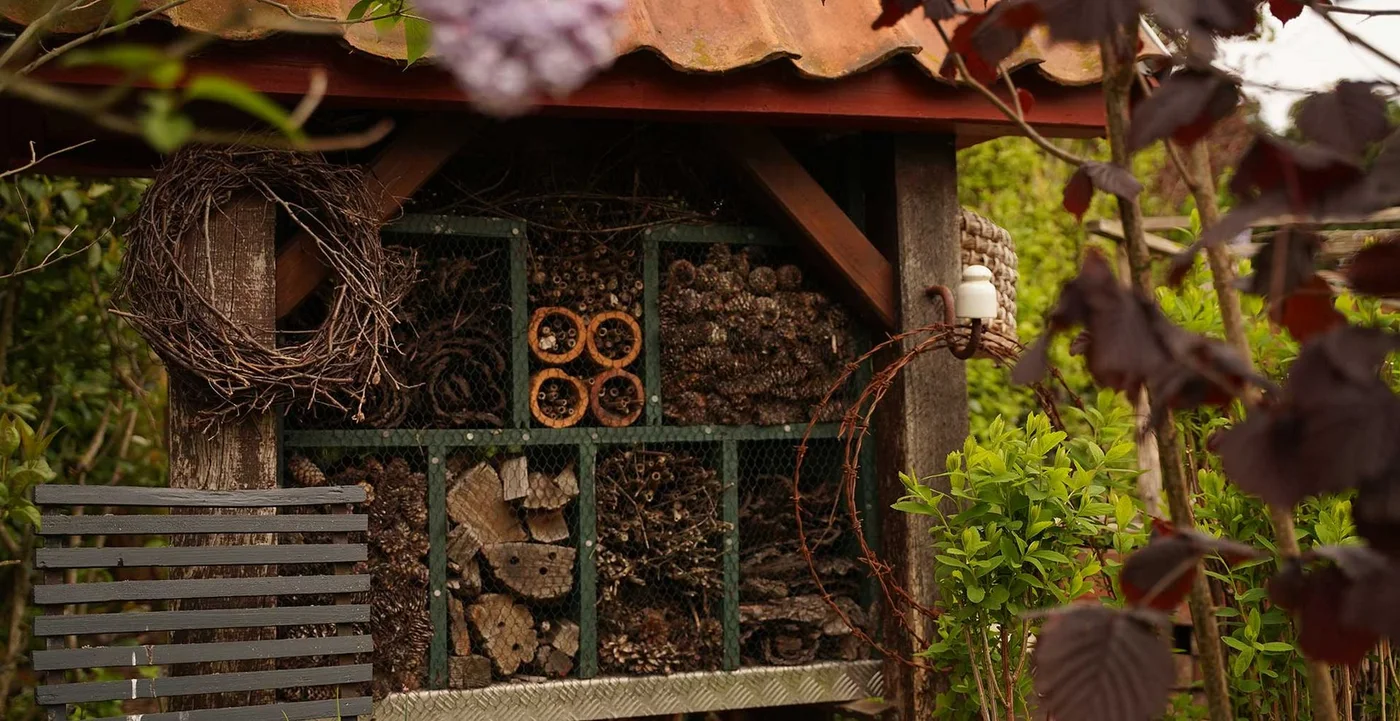
Reserve a Small Corner for Habitat Features
 SaveSupport Non AI Creator
Image credit: Getty Images | Oksana Oliynyk
The roofed structure gathers several textured materials into one organized garden feature. Short tubes, wood and twigs provide visual interest without needing a wide planted bed. Nearby foliage helps the structure feel integrated into the garden rather than standing alone as an ornament.
Choose habitat features using guidance appropriate to local wildlife, since different species need different designs and positions. Do not assume every decorative insect hotel is effective. Keep the structure sound and maintainable, and combine any feature with suitable planting and responsible garden care rather than relying on the object alone.
BRING IT ALL TOGETHER
Keep the abundance within a useful framework
Choose a clear path, one comfortable seat and a limited set of structures first. Then build the planting in layers, using vertical growth where ground space is scarce. A small cottage garden feels welcoming when its generous borders still leave room to move and pause.
Buy plants for your soil and exposure, allowing for their eventual spread and the care they need. Repeat colors and forms rather than collecting everything at once. A manageable garden that develops over time is more enjoyable than a crowded display that immediately becomes difficult to tend.