Backyard privacy starts with a particular view: a neighboring window, a gap beside the patio or the path past your favorite chair. Identify that sightline from the seat itself. Screening the whole boundary can cost more, cast unwanted shade and still leave an upstairs view into the place you use most.
These photographs show solid panels, leafy filters and smaller enclosed seating spots. Some offer immediate coverage; others depend on growth or seasonal leaves. Check boundary ownership, permitted heights, underground services and structural requirements before installing a screen or planting large trees. A well-placed modest intervention can be more useful than a taller fence everywhere.
PART 01
Screen the exposed side
IDEA 01 / 20
Enclose a Small Gravel Garden
 SaveSupport Non AI Creator
Image credit: Project: Stepstone, LLC (via Houzz)
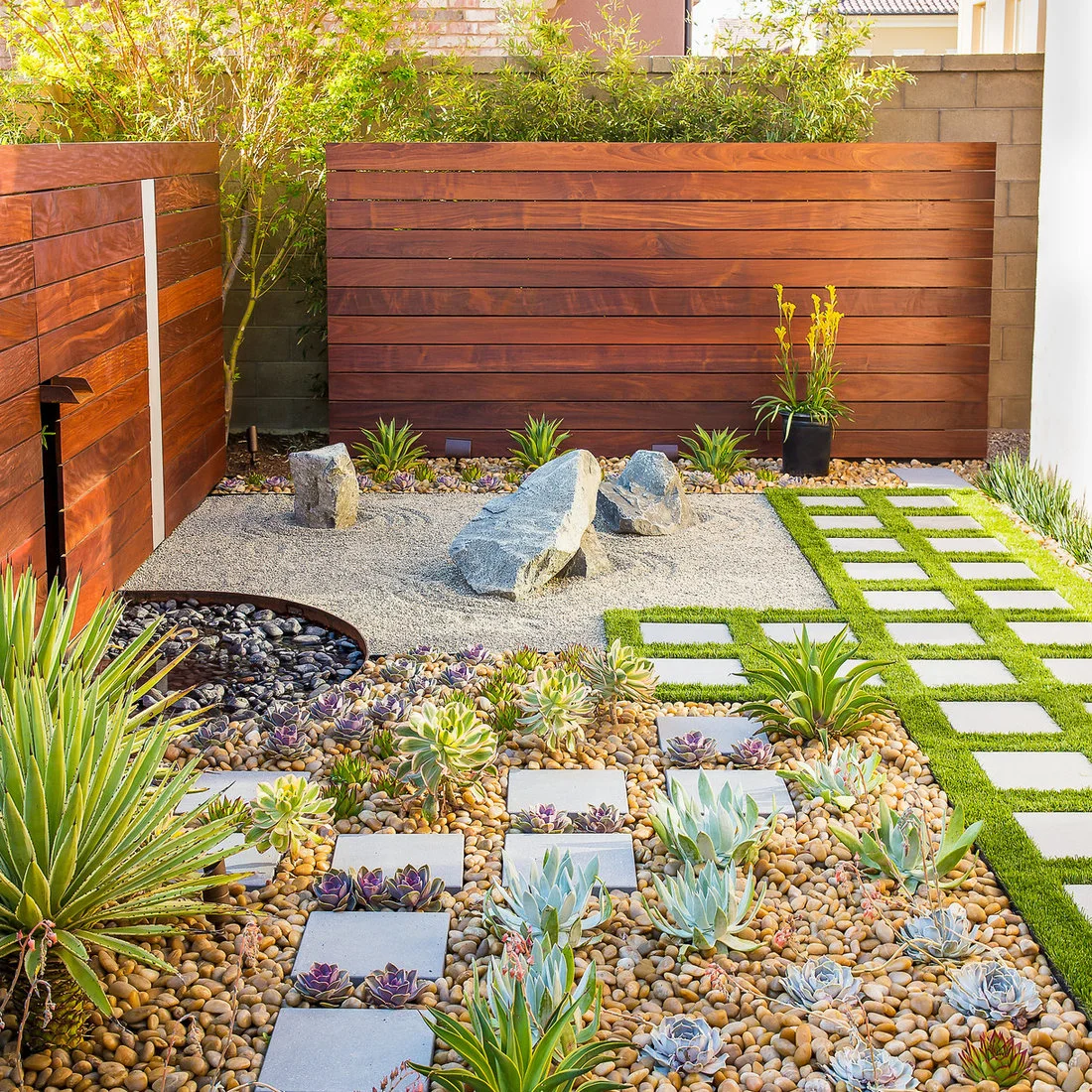
Warm horizontal boards enclose the compact gravel area on two sides. Planting softens the lower edge, while taller greenery rises beyond the screen. The concentrated enclosure gives this part of the yard a defined boundary without needing the whole garden to be treated the same way.
Work out which side is actually overlooked before extending the panels. Keep a useful route into the corner and space to maintain planting behind furniture. A screen needs suitable posts and foundations for its height and exposure; its appearance alone does not tell you how to build it. If your yard also needs a cooking area, outdoor kitchen ideas can help you plan counters and gathering space separately from the screened planting. For a separate place to sit, these garden nook ideas show how seating can relate to planting and screens without filling the route through the yard.
IDEA 02 / 20
Give the Dining Spot a Solid Backdrop
 SaveSupport Non AI Creator
Image credit: Project: Inge Daniels Design LLC (via Houzz)
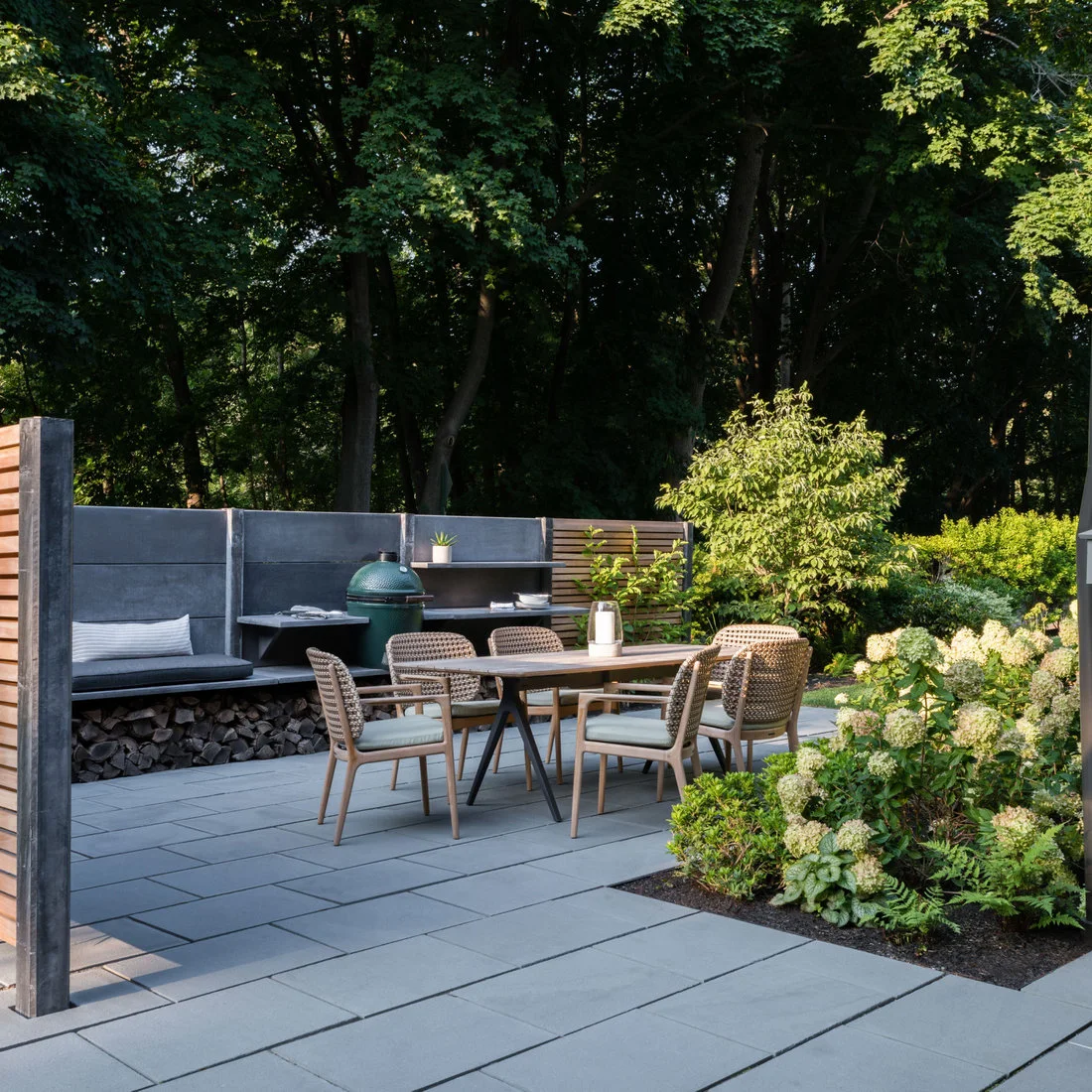
A tall gray backdrop screens the dining area, with timber slats adding a different texture at the side. The dark table and pale chairs sit inside this defined corner. Planting along the base stops the screen from feeling like an isolated panel placed behind the furniture.
Check coverage from the chairs as well as from the doorway. A screen near outdoor cooking equipment must respect the appliance’s required clearances and ventilation; do not copy its photographed position as an installation guide. Keep the walking route, storage access and maintenance space clear.
IDEA 03 / 20
Use Two Panels Across a Wide Sightline
 SaveSupport Non AI Creator
Image credit: Project: The Garden District (via Houzz)
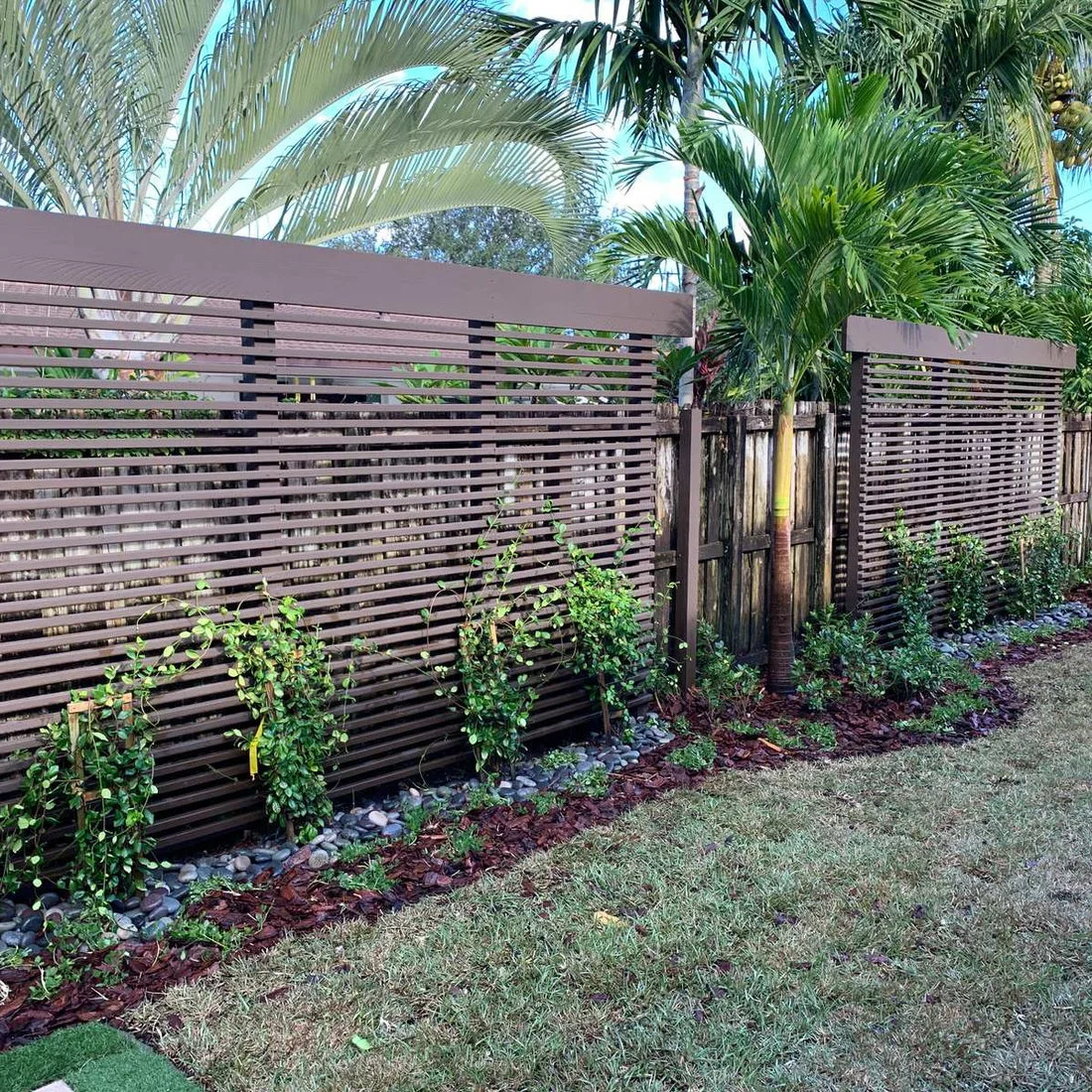
Two horizontal timber panels interrupt a broad background view. Small gaps between the boards keep the surfaces from looking completely solid, while palms and young climbing plants add depth in front. The planting is still developing, so the built panels provide most of the immediate screening.
Size the panels for the actual line of sight rather than just the width of the bed. Slat gaps can reveal more from some angles than others. Discuss wind exposure and fixings with the installer, and leave access for repainting or treating the timber behind the planting.
IDEA 04 / 20
Give a Garden Shelter Screened Sides
 SaveSupport Non AI Creator
Image credit: Project: Northwest Native Landscapes LLC (via Houzz)
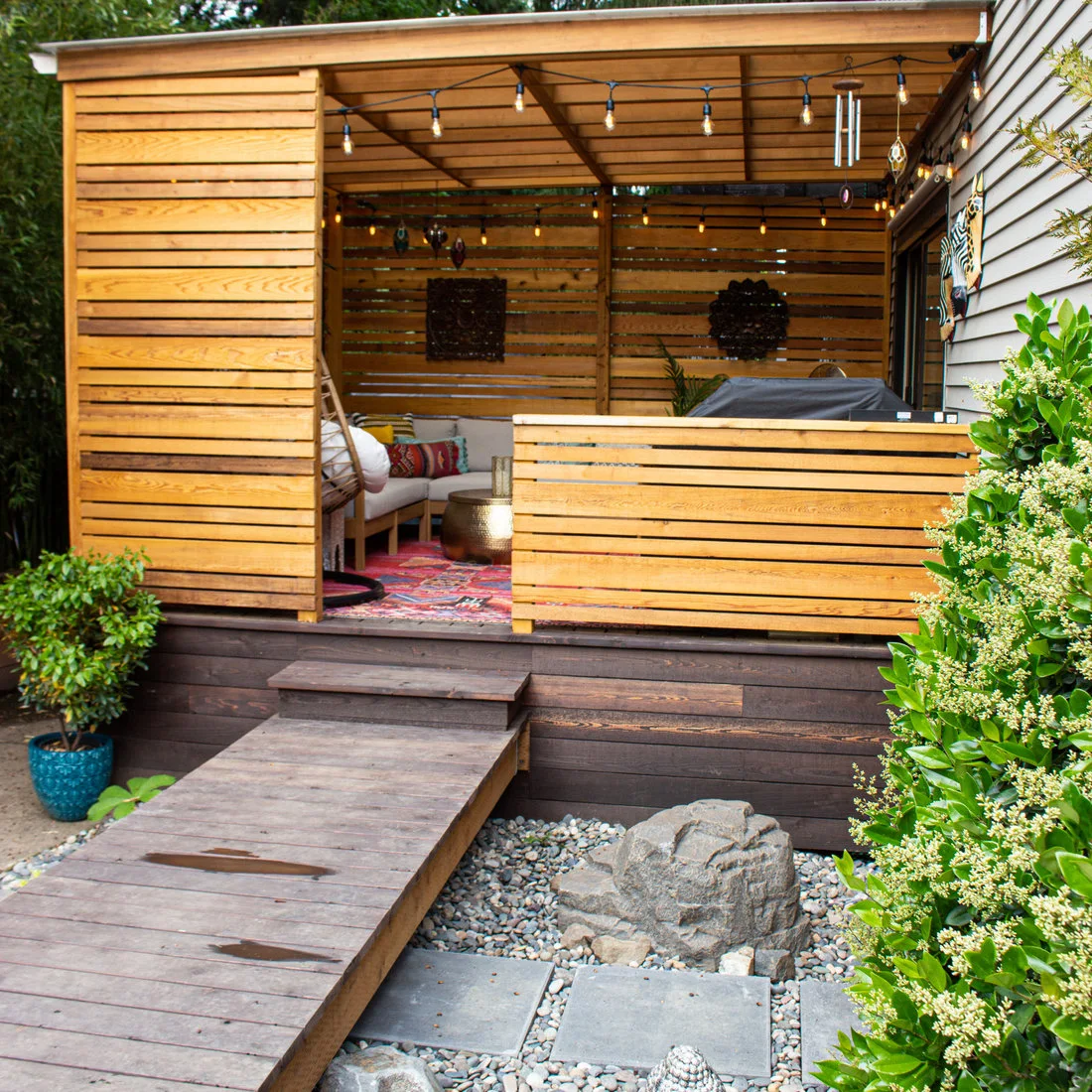
Slatted walls and a timber roof give this garden shelter an enclosed outline while the front stays open. The sofa and freestanding egg chair occupy the protected interior. Because the privacy treatment belongs to the shelter itself, it does not have to run around every yard boundary.
A roof and side walls need appropriate structural assessment and any required approvals. Plan the seated view before deciding which sides to close. Keep cooking equipment subject to its own clearance and ventilation instructions, and leave enough floor around the chair stand for people to pass comfortably.
IDEA 05 / 20
Choose a Panel With Selective Openings
 SaveSupport Non AI Creator
Source: www.houzz.com
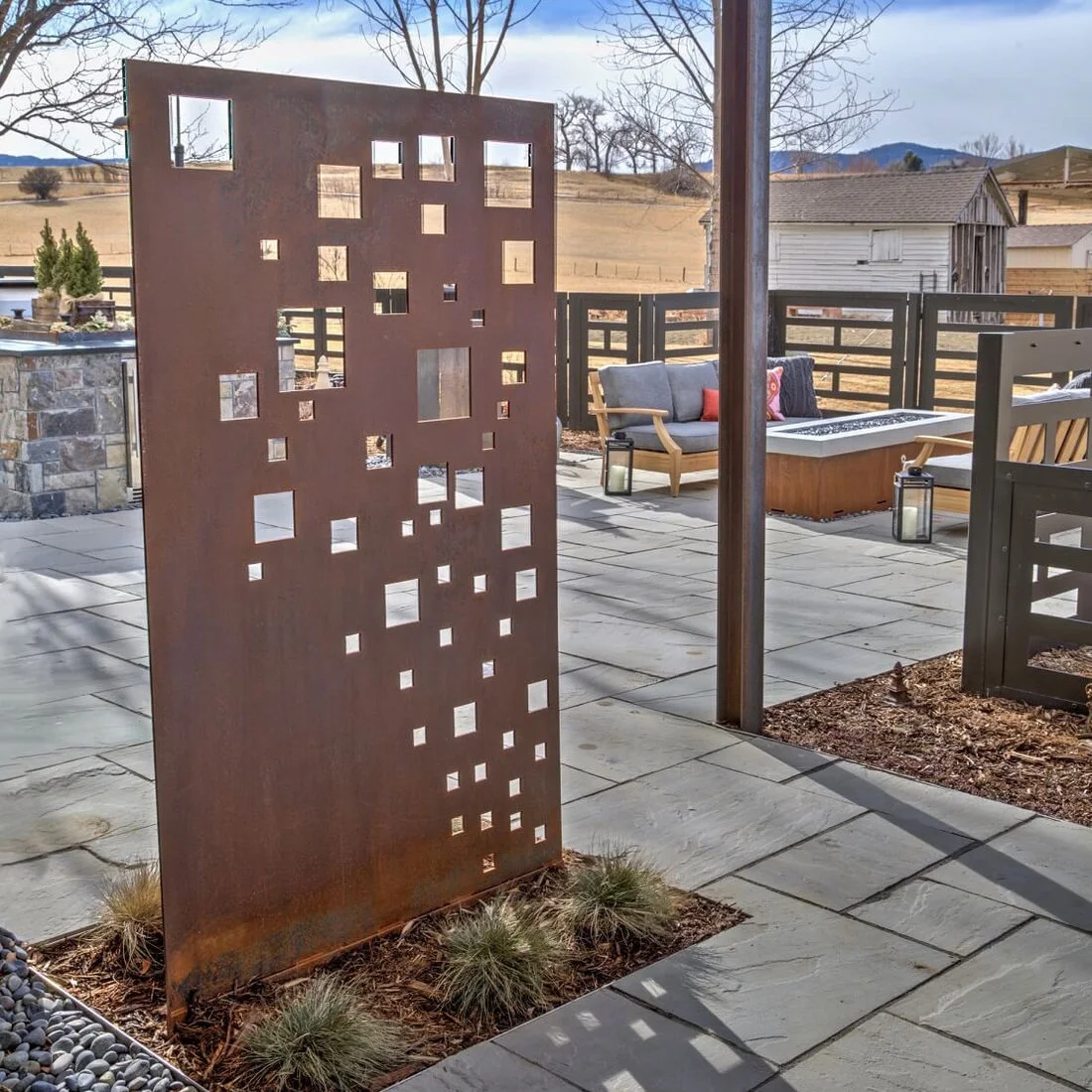
The reddish panel blocks much of the background while square openings preserve small glimpses through it. Its color adds warmth beside the pale paving and darker outdoor fittings. This is a targeted screen, showing that privacy can come from one carefully positioned surface rather than continuous enclosure.
Check the opening positions against seated eye level. Decorative cutouts can expose precisely the view you hoped to block if the panel is chosen only from a product photograph. Ask the supplier about outdoor finish, edge treatment, foundations and weathering before settling on a similar screen.
PART 02
Build privacy with living layers
IDEA 06 / 20
Train Greenery Across an Existing Wall
 SaveSupport Non AI Creator
Image credit: Project: Merit Landworks (via Houzz)
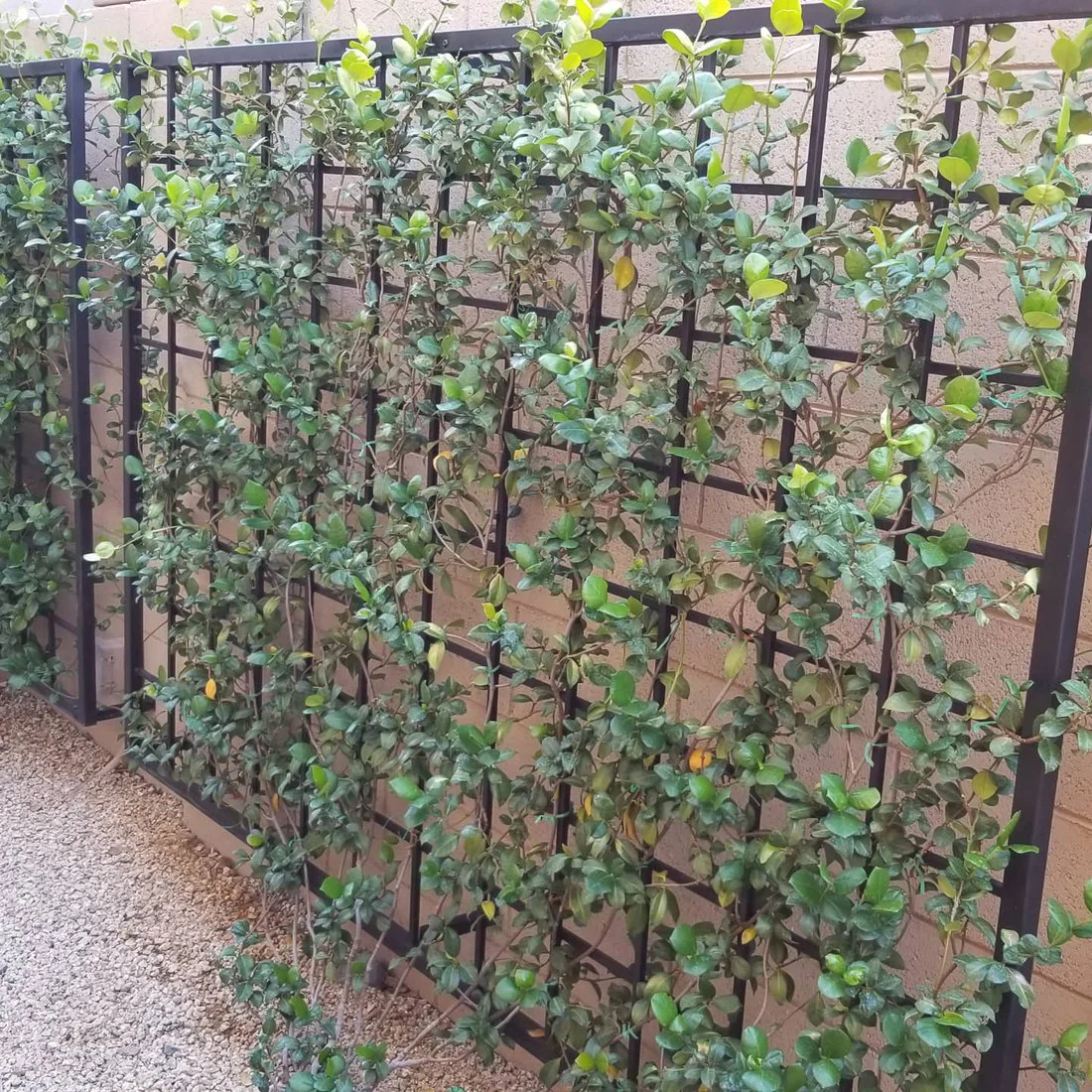
Green stems spread across dark grids in front of the pale wall, breaking its broad surface into a planted pattern. The wall supplies the solid boundary; the greenery adds softness and depth. This distinction matters because young climbing growth alone would not provide the same level of coverage.
Choose a climber for the available light and the strength of its support. Leave access to tie in growth, prune and inspect the wall behind it. Keep stems away from vents and fittings, and check how the plant behaves in winter before relying on foliage for extra screening.
IDEA 07 / 20
Pair Immediate Fencing With Narrow Trees
 SaveSupport Non AI Creator
Image credit: Project: Winston Fayer Landscape Design (via Houzz)
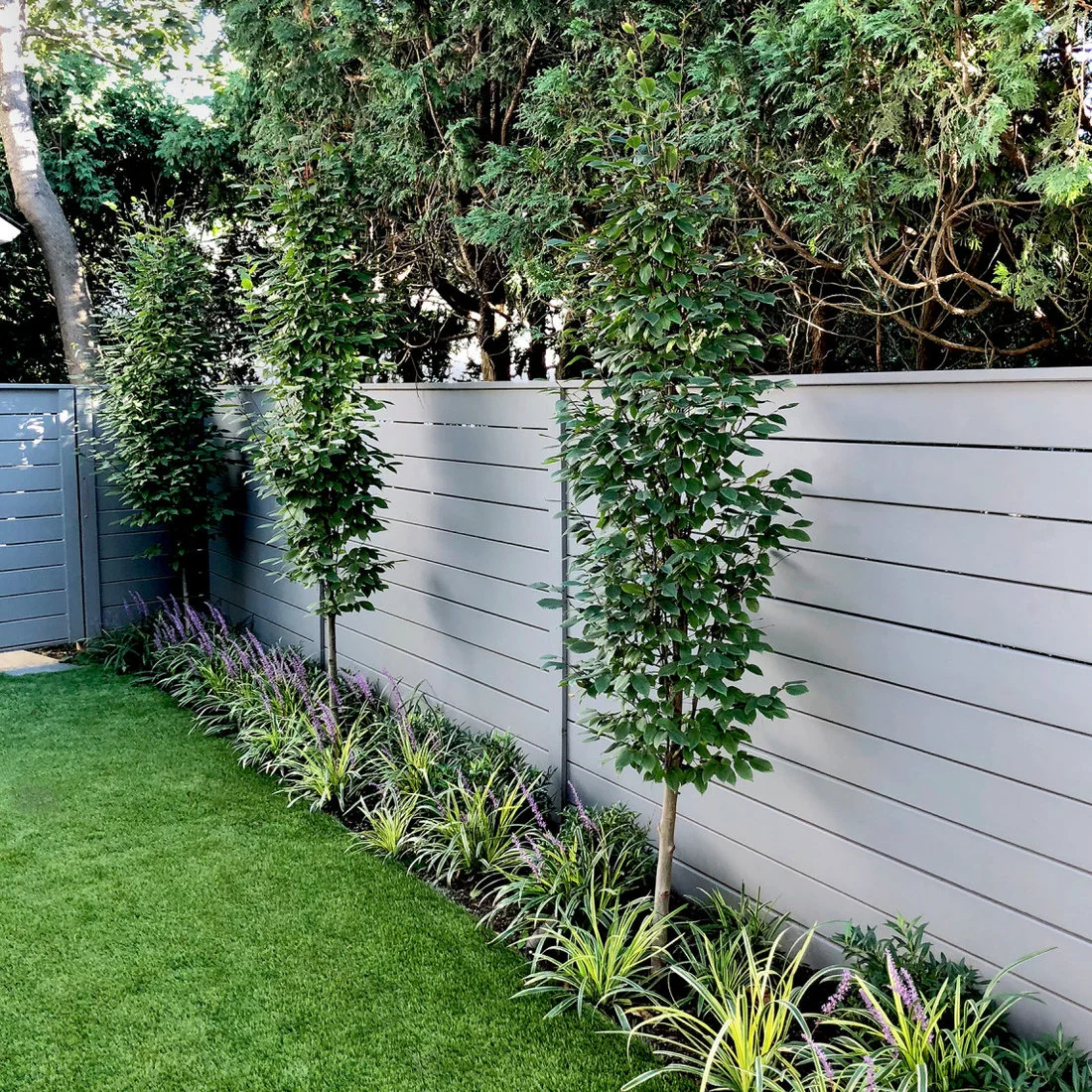
The pale fence supplies an immediate background while three narrow trees add a taller vertical layer. Low purple flowers soften the bottom edge. The spaces between the tree crowns remain visible, so the photograph shows a combination of solid fencing and developing upper screening.
Check mature height, width and root needs with a local nursery before choosing trees for a narrow bed. Do not plant large-growing varieties close together simply to fill gaps quickly. Keep room to maintain both fence and planting, and consider the shade those crowns will eventually cast.
IDEA 08 / 20
Lift Leafy Coverage Above a Lower Hedge
 SaveSupport Non AI Creator
Image credit: James Kerr/Charlotte Rowe
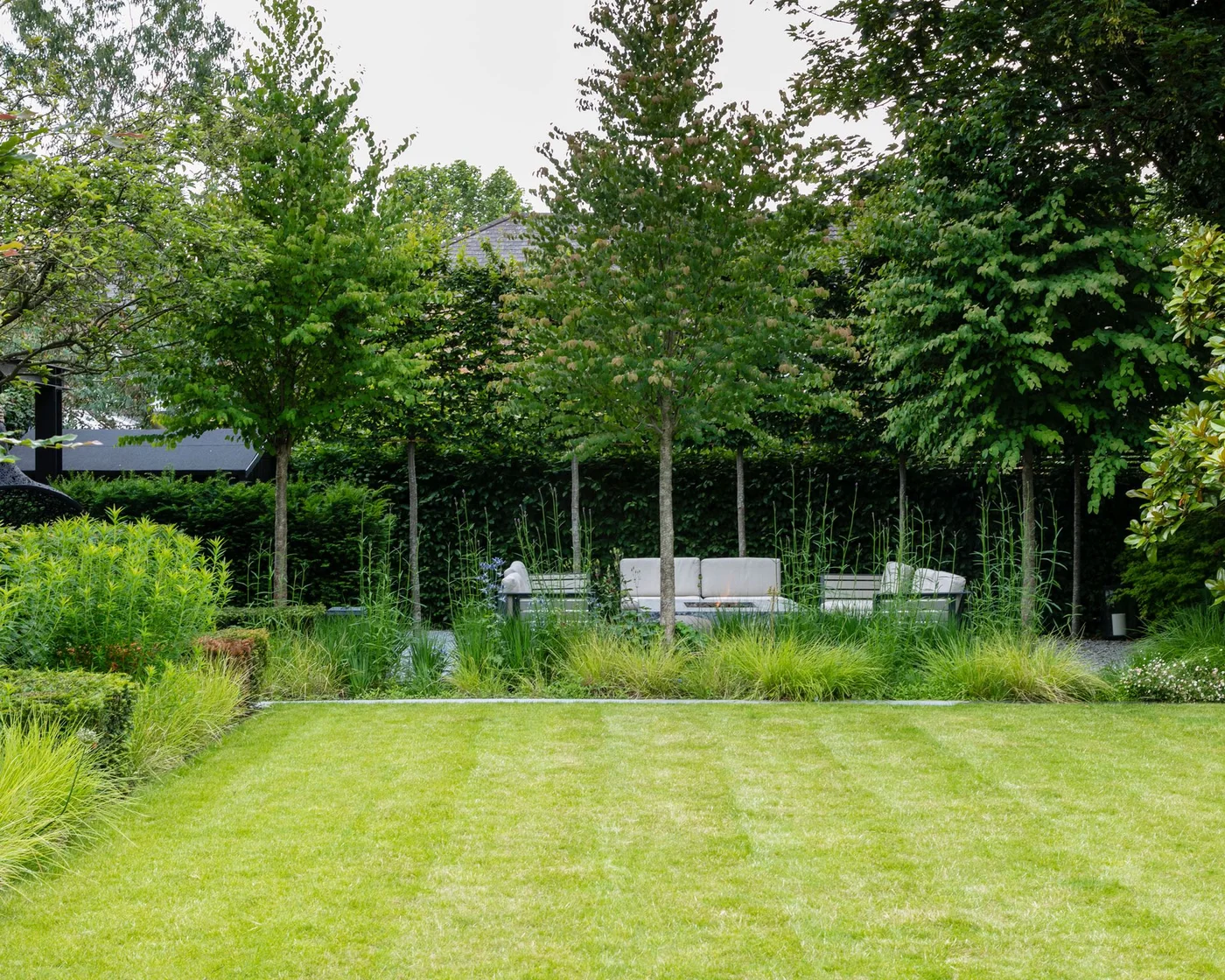
A row of trees raises the leafy layer above a lower hedge behind the seating. Clear trunks keep the foreground comparatively open, while the crowns interrupt higher views. Pale cushions stand out against the dark greenery, giving the enclosed corner a calm and readable arrangement.
Raised tree canopies can help with upper sightlines, but the correct height depends on the neighboring window and seat position. Get advice on suitable species, training and long-term pruning. Plan for leaf loss where relevant, and keep enough soil volume for healthy growth rather than choosing only by silhouette.
IDEA 09 / 20
Use a Dense Hedge as the Main Boundary
 SaveSupport Non AI Creator
Image credit: Tomasz Zajda Alamy
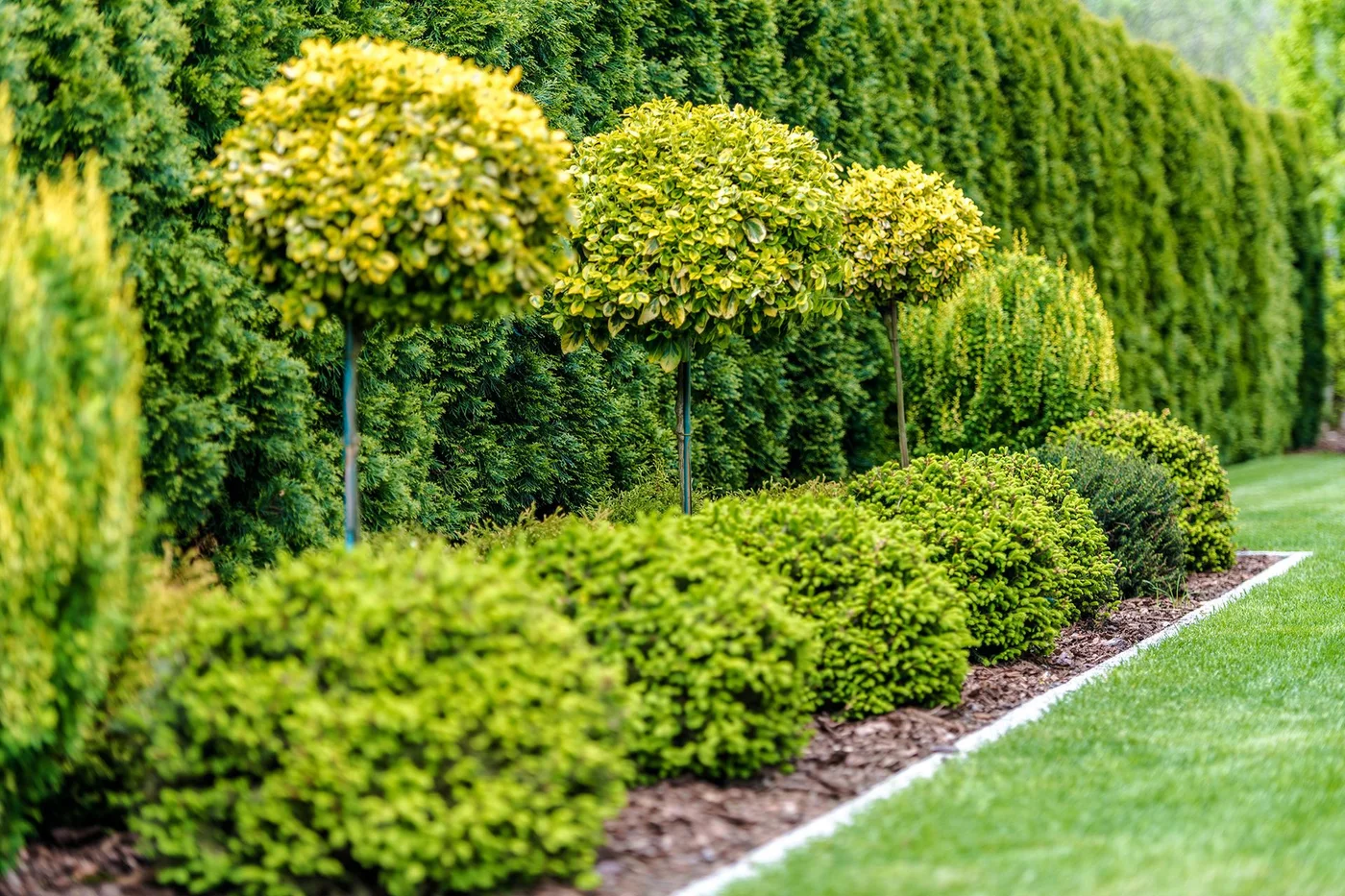
A tall, close-textured hedge provides most of the screening here. Rounded shrubs and small trees create a decorative layer in front, but their open trunks would not conceal the view by themselves. The contrast in shapes makes the living boundary feel considered rather than simply tall.
A dense hedge takes space and regular maintenance. Choose a locally suitable variety and ask how it responds to pruning before committing to a narrow boundary bed. Leave access to both sides where needed, respect permitted heights and consider the effect on neighboring light as it matures.
IDEA 10 / 20
Layer Trees Along an Existing Solid Boundary
 SaveSupport Non AI Creator
Image credit: Project: Accent Landscapes (via Houzz)
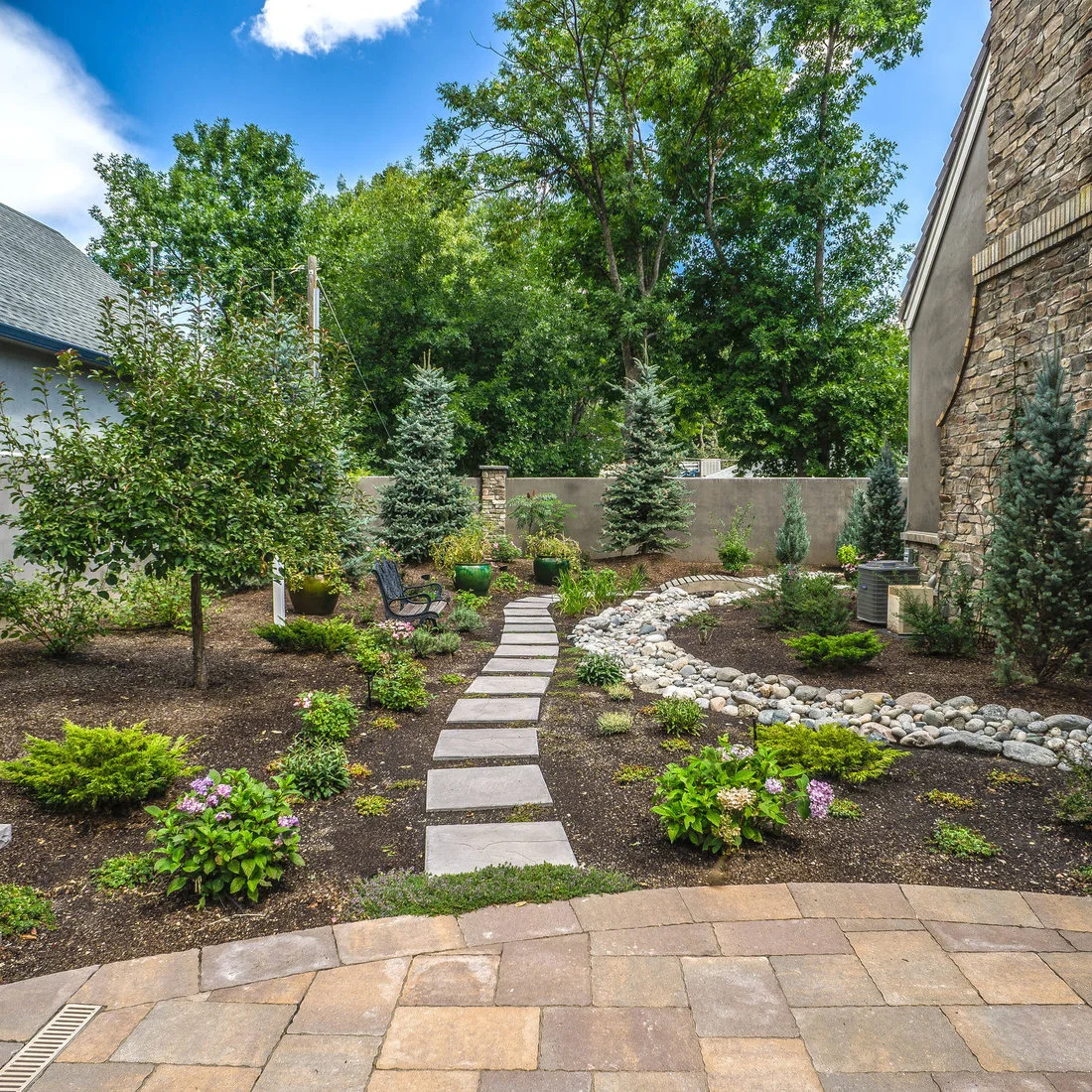
The tan wall forms a firm boundary behind a layered collection of trees and lower planting. A winding route makes the planting feel deeper, while a bench sits within the garden rather than directly against the wall. The built and living layers do different jobs.
Retain a useful maintenance route when adding depth beside a boundary. The backyard walkway ideas collection shows ways to connect seats without squeezing between beds. Choose trees for their eventual size, and keep soil and irrigation details appropriate for both the wall and the plants.
PART 03
Keep a softer connection to the garden
IDEA 11 / 20
Mix Solid Panels With Patterned Sections
 SaveSupport Non AI Creator
Image credit: Annaick Guitteny
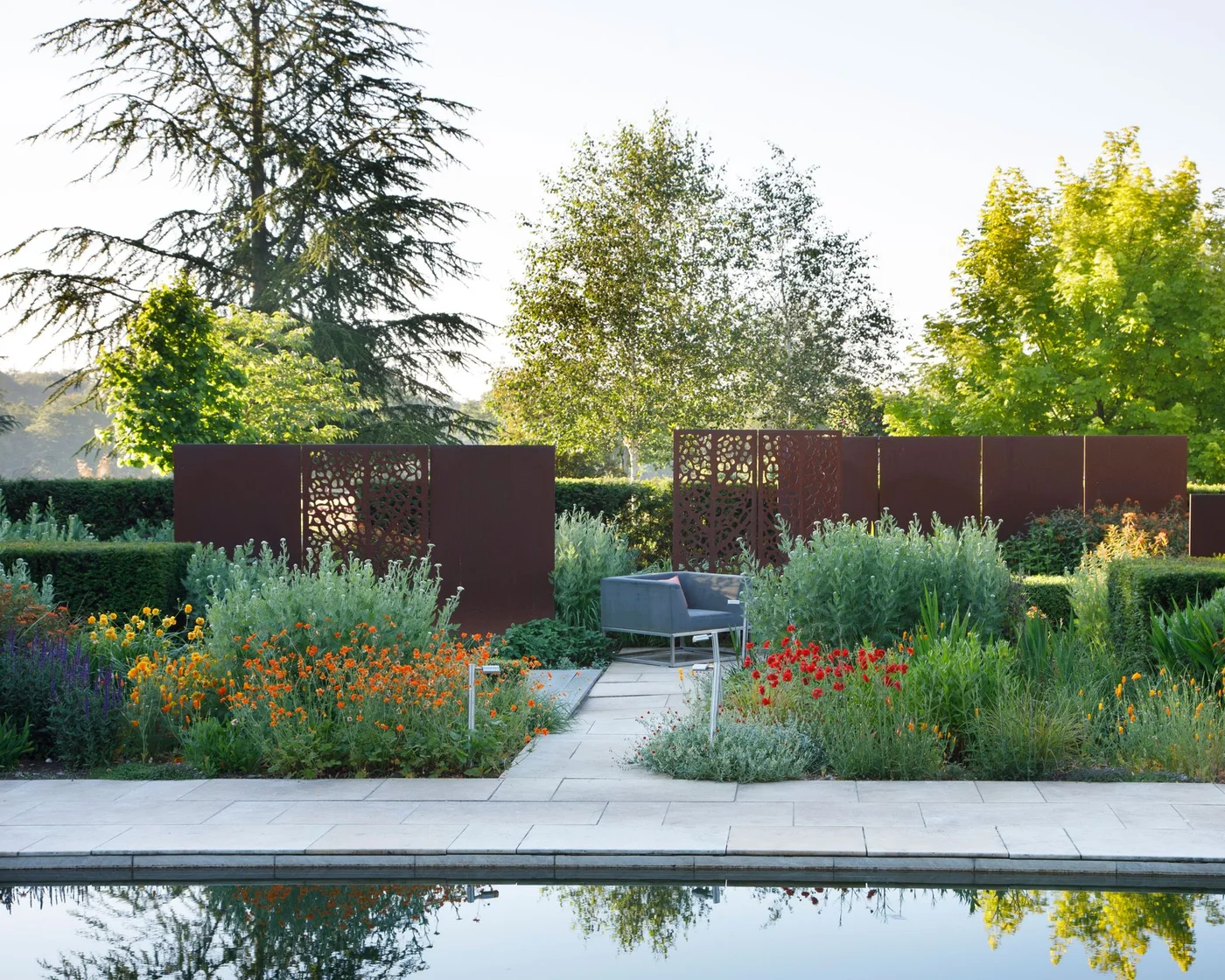
Solid panels alternate with patterned sections around the small gray seating spot. Tall flowers fill the foreground, helping the screens settle into the garden. The solid areas offer firmer coverage, while the openings preserve light and a partial connection to the planting beyond.
Use the solid sections across the most intrusive sightline and the open sections where glimpses are welcome. Test the view from several positions before installation. Discuss the screen’s weathering and structural support with the supplier, and leave enough access to tend the deep planted bed.
IDEA 12 / 20
Make a Planted Turn Before the Seat
 SaveSupport Non AI Creator
Image credit: Clive nichols
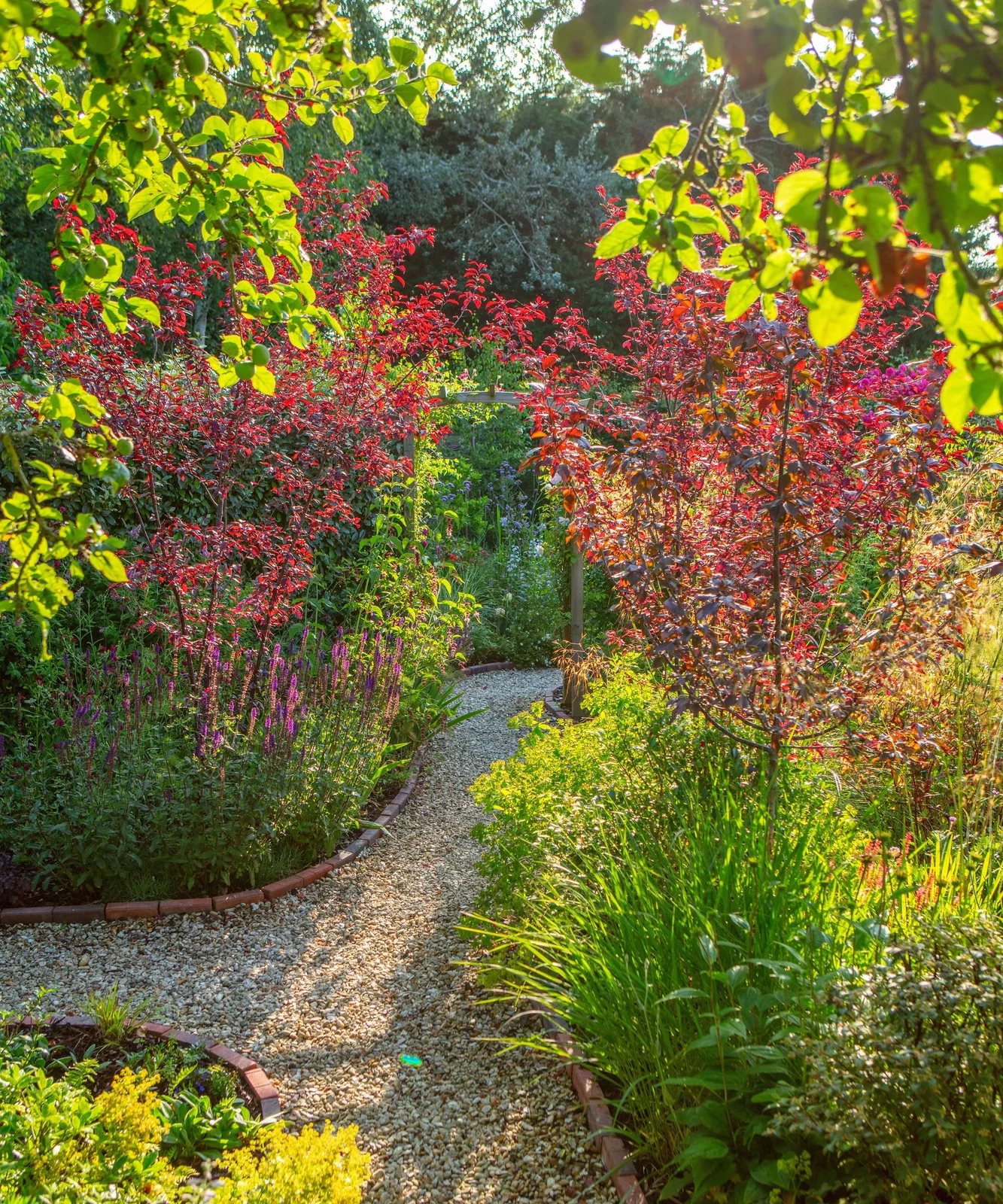
Tall red-leaved shrubs interrupt the view along the curving gravel path. Lower flowers and grasses fill the edges, creating a layered planted passage. The bend prevents a straight view through the garden, providing a sense of separation without putting a solid panel across the route.
This is a visual filter rather than guaranteed concealment. Check the plants’ mature spread and winter appearance, and leave a clear walking width after growth. Keep curves easy to navigate; privacy should not require squeezing past wet branches or stepping off the path to pass another person.
IDEA 13 / 20
Use a Growing Screen Beside the Vegetable Area
 SaveSupport Non AI Creator
Image credit: Leigh Clapp
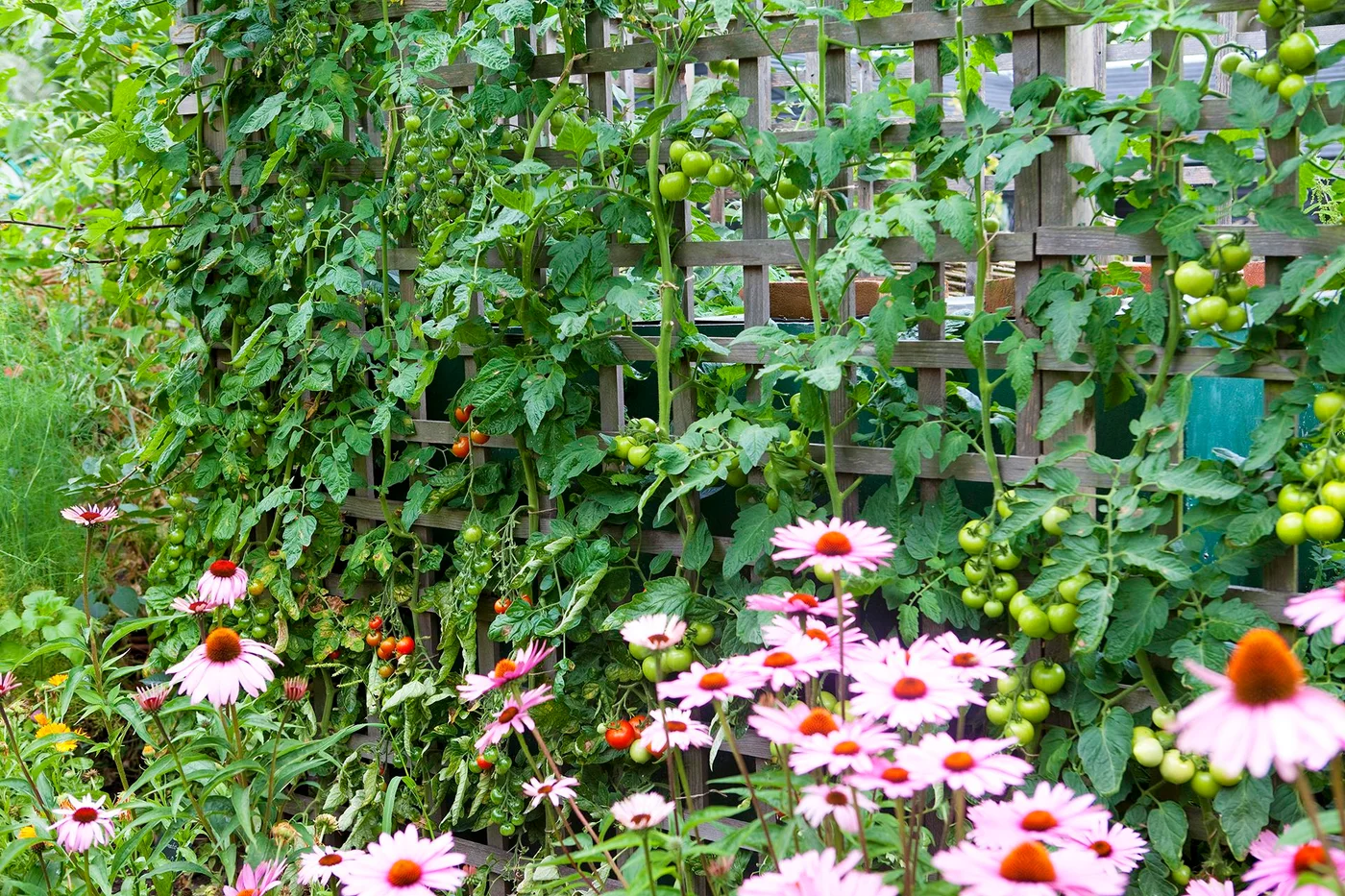
Tomato stems cover part of the open timber grid, mixing a productive growing area with a light leafy divider. Flowers soften its base. Gaps remain visible between the stems, making this a partial screen that changes as the plants develop through their growing season.
Treat edible planting as an additional filter, not your only source of permanent privacy. Match the crop to local conditions, support its weight and leave room to harvest from both sides. A separate solid screen is more reliable if the same spot must stay secluded throughout the year.
IDEA 14 / 20
Use a Short Wall to Hide One View
 SaveSupport Non AI Creator
Image credit: Clive Nichols
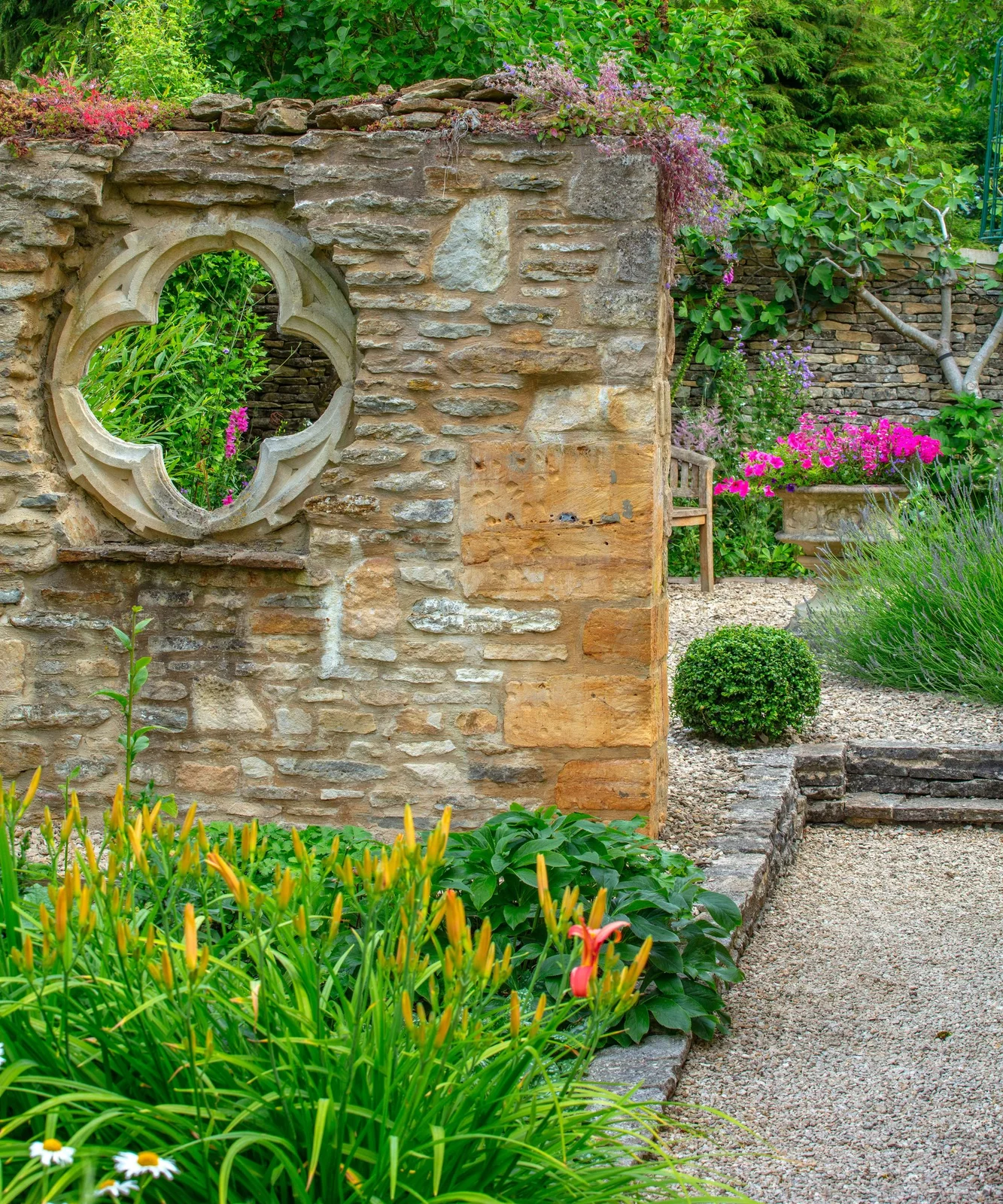
The stone wall conceals part of the bench area while a shaped opening preserves a small view into the planting. Its position divides the garden into distinct places without closing every connection. The bench sits offset from the opening, which improves the sense of a sheltered corner.
Think about the position of openings before choosing their shape. A window directly opposite a seat may undo the privacy the wall was meant to provide. Masonry needs appropriate foundations and professional assessment; use this as an arrangement idea rather than a construction detail to reproduce.
IDEA 15 / 20
Place a Covered Lounge Within Existing Greenery
 SaveSupport Non AI Creator
Source: www.houzz.com
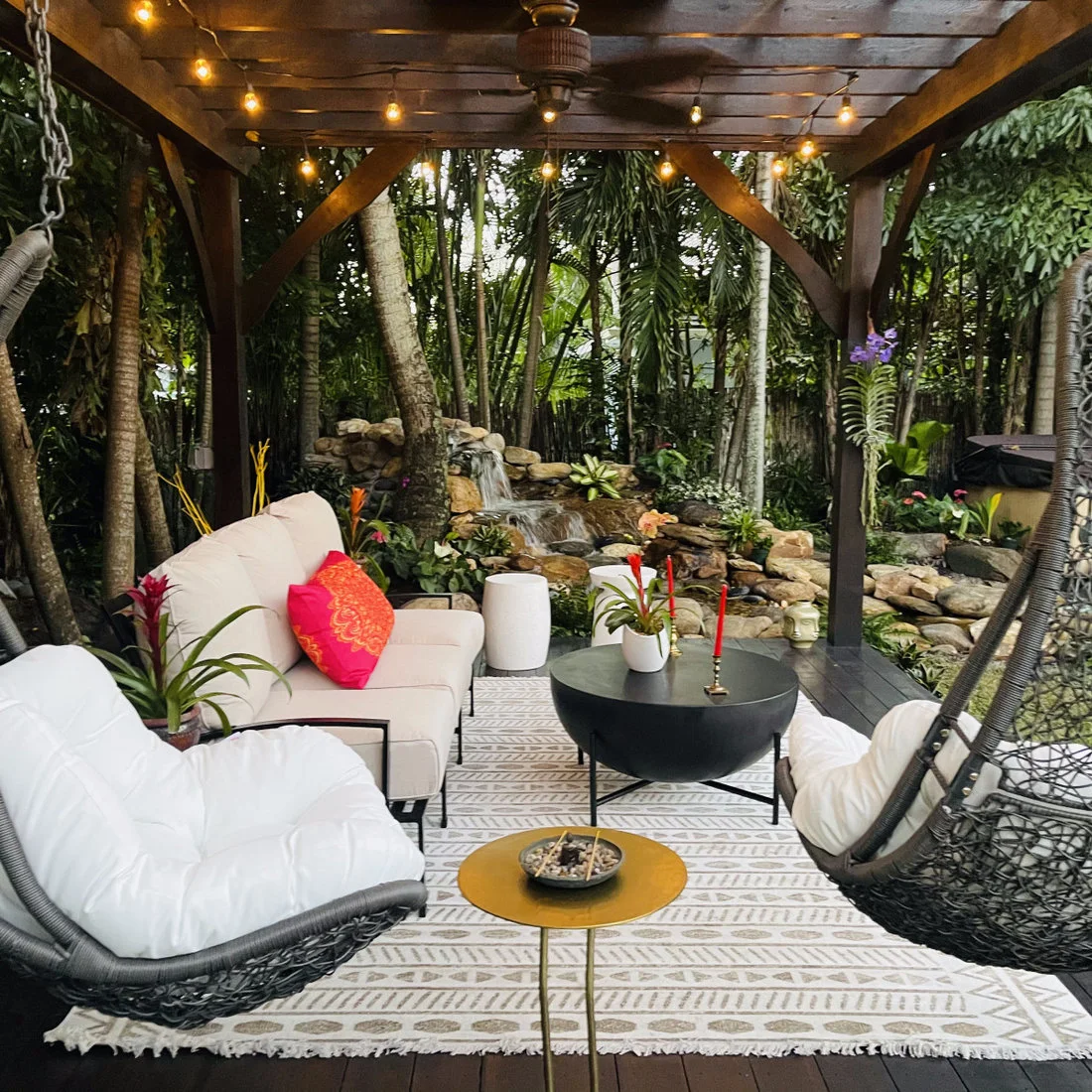
Tall palms and overlapping foliage form the backdrop to this covered lounge. Pale cushions and a patterned rug brighten the seating beneath the timber roof. The surrounding plants provide a layered visual filter, allowing the furniture to occupy an existing sheltered pocket rather than an exposed patch of lawn.
Start by checking whether established planting already screens a useful corner before adding a new structure. Choose additional plants for the local climate and their mature size. Keep access for pruning and maintaining the roof, and plan any suspended chair with suitable rated support and clear movement space.
PART 04
Make one seat feel secluded
IDEA 16 / 20
Place a Bench Inside a Clipped Hedge Corner
 SaveSupport Non AI Creator
Image credit: Future / Alicia Taylor
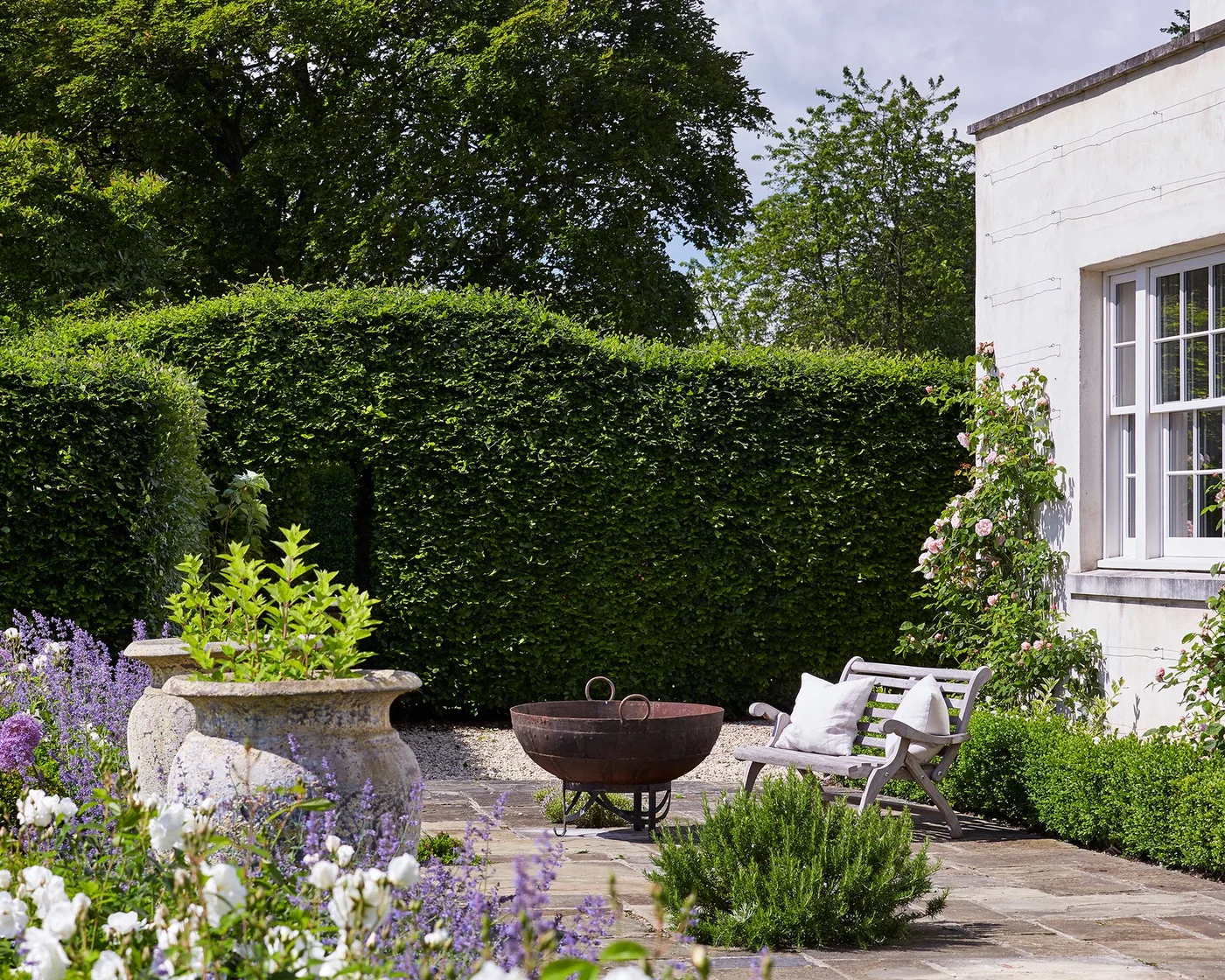
Tall clipped hedges meet behind the bench, creating a strong green corner. Pale cushions and paving keep the seating area brighter against the dense backdrop. The planting does most of the enclosing work, so the furniture can remain simple and comparatively light in appearance.
Leave room to clip the hedge without repeatedly dragging furniture across the patio. Check how much sun reaches the seat once the hedge is full grown. The unlit fire bowl is incidental to this photograph; assess any heat source separately for its required clearances from hedges and furniture.
IDEA 17 / 20
Work With an Existing Lower Terrace
 SaveSupport Non AI Creator
Image credit: Future / Darren Chung
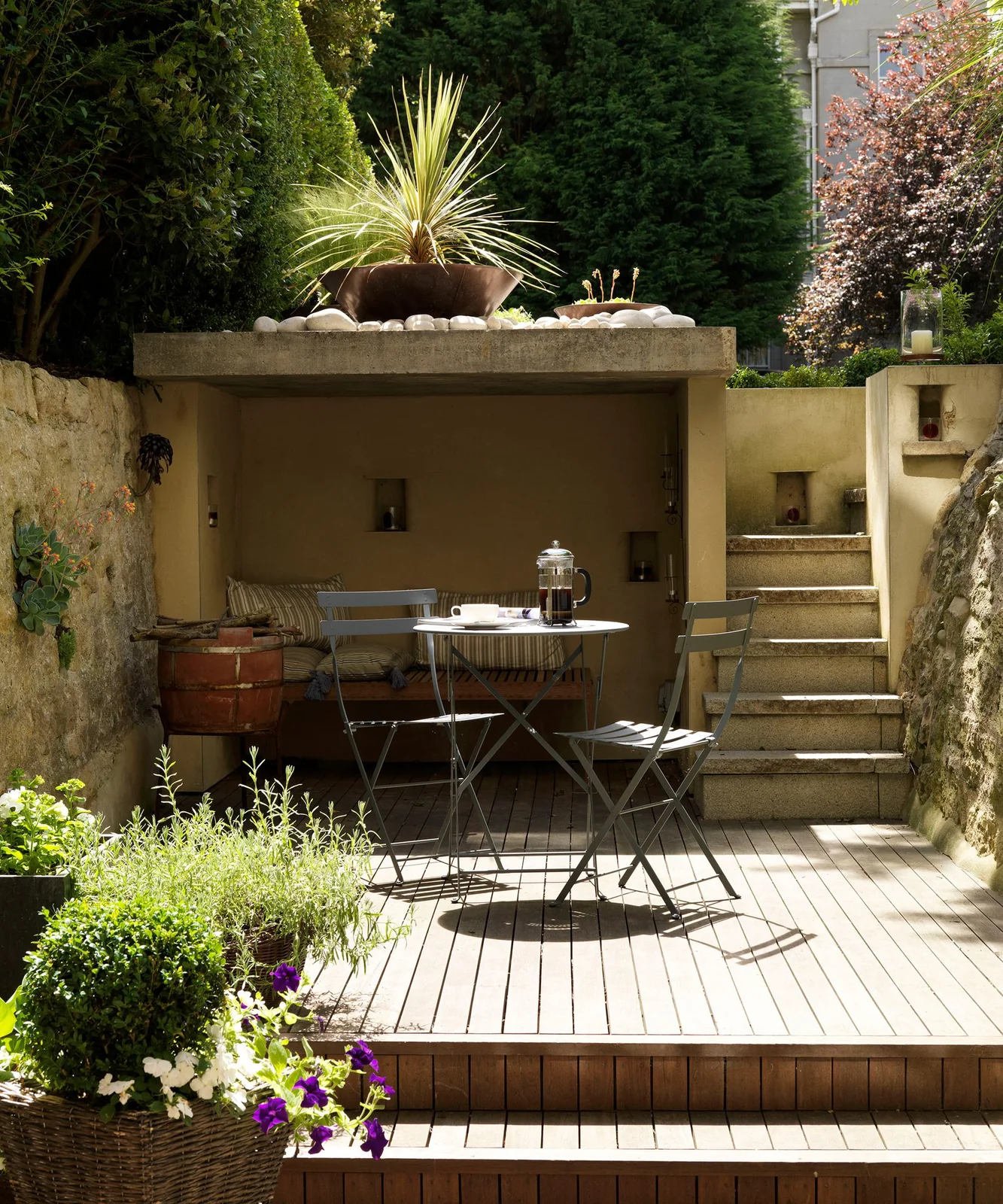
The bistro table occupies a lower terrace with walls and planting above it. A sheltered recess adds another protected seating position behind the table. Existing changes in level help reduce outward views, giving this compact corner enclosure without relying on a tall fence at its edge.
Use an existing lower area thoughtfully rather than assuming excavation is a simple privacy project. Drainage, retaining structures and safe steps need assessment. Keep the access route visible and usable, and check that enclosing the space further would not make it damp, dark or difficult to maintain.
IDEA 18 / 20
Put the Porch Seat Behind Garden Foliage
 SaveSupport Non AI Creator
Image credit: Future / Mark Luscombe Whyte
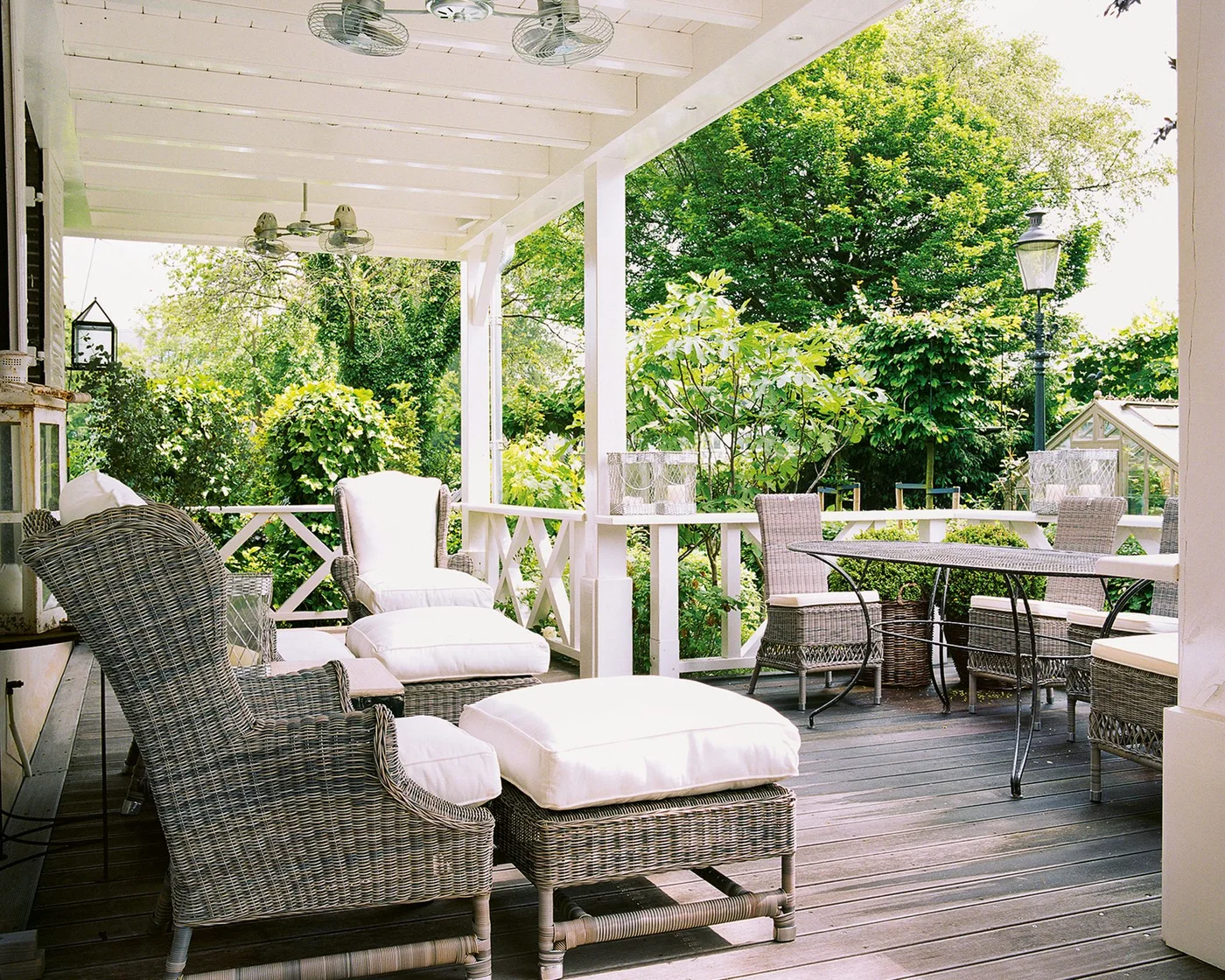
Dense garden foliage interrupts the view beyond this covered porch. The open railing preserves a sense of connection, while the roof defines the seating area above. Pale furniture and framing keep the porch visually light against the substantial green backdrop outside it.
Consider moving a favorite chair to the position where existing planting already offers coverage before adding new screens. Check the view from nearby paths and windows, not just from indoors. Maintain air movement around the porch and keep plants clear of the structure and walking route.
IDEA 19 / 20
Combine a Leafy Backdrop With Overhead Fabric
 SaveSupport Non AI Creator
Image credit: Future / Polly Wreford
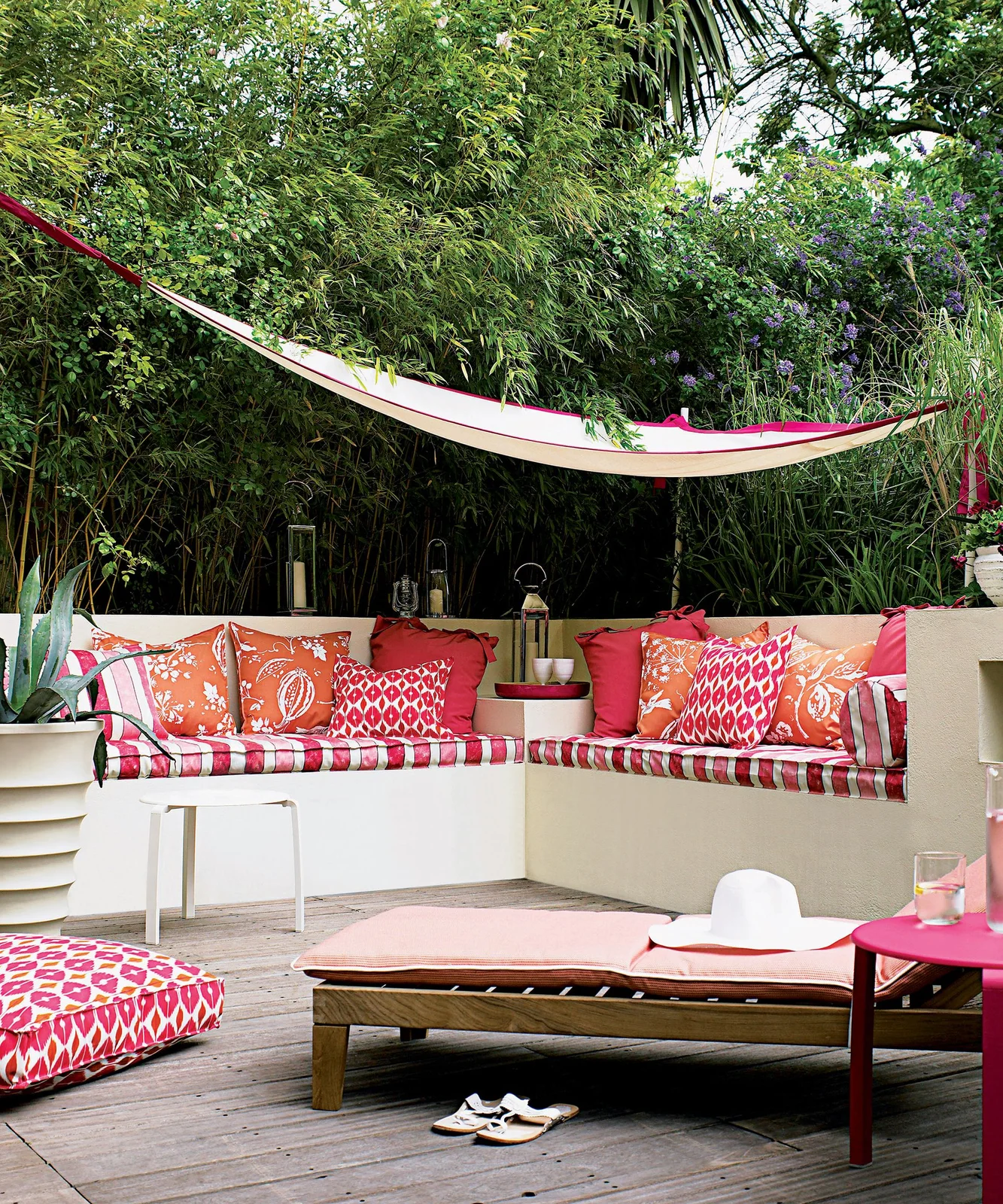
Dense foliage forms the rear screen while pale fabric stretches above the built-in seating. Red and patterned cushions brighten the enclosed corner. The two layers address different views: the plants filter the side and rear, while the fabric covers part of the space overhead.
A canopy needs suitable anchors, tension and wind guidance for its location; improvised attachments can damage surrounding structures. Keep fabric and planting clear of heat sources. Balcony privacy ideas offer more examples of targeting overhead and side views separately rather than enclosing every direction at once.
IDEA 20 / 20
Grow a Leafy Arbor Around One Bench
 SaveSupport Non AI Creator
Image credit: Leigh Clapp
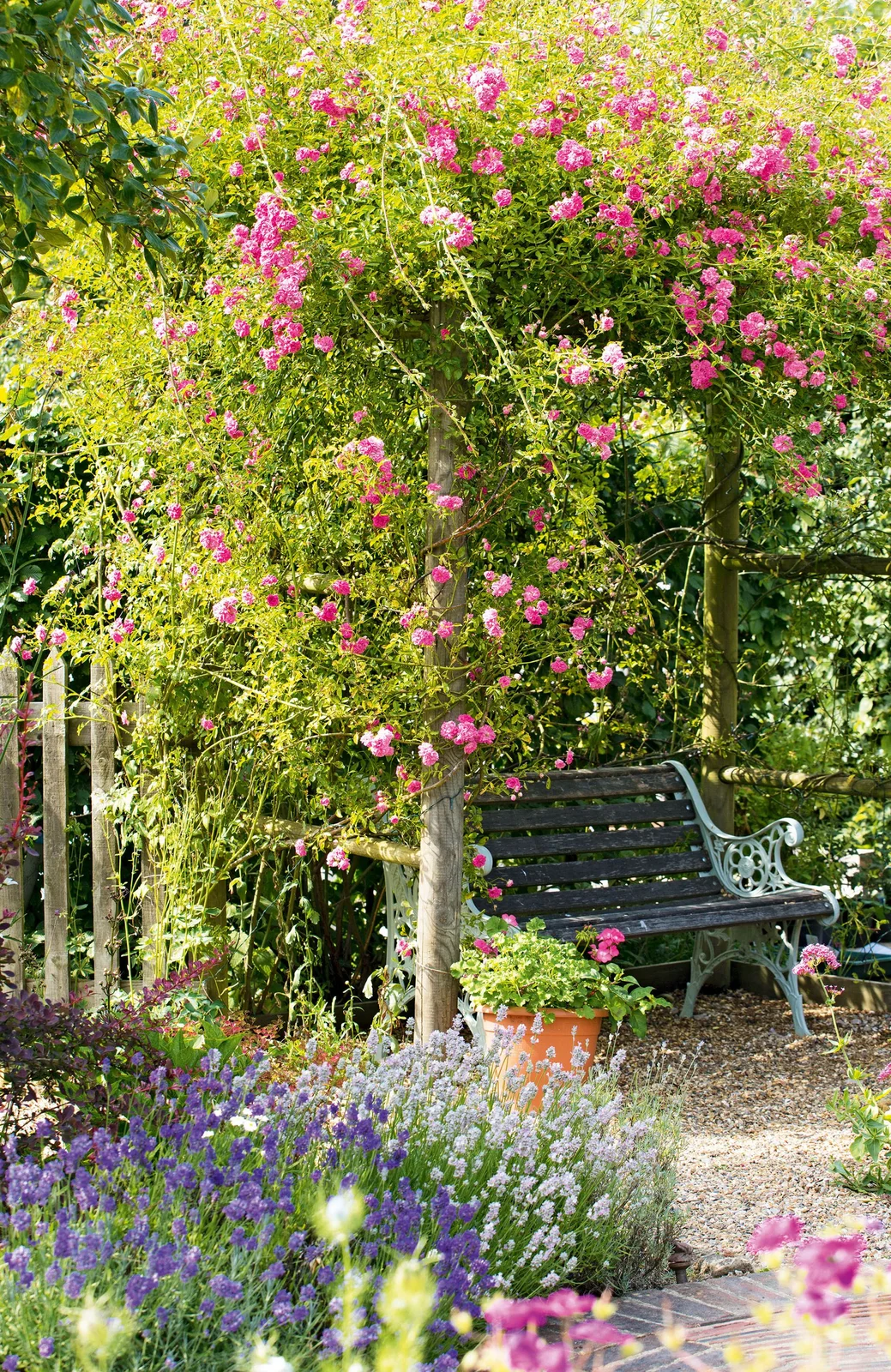
Climbing growth wraps around the timber arbor and hangs above the bench, creating a small leafy room. Flowers soften the frame while the gravel approach remains open. The enclosure is concentrated around one seat, making a quiet retreat without dividing the entire yard.
Choose climbing plants for the local climate, mature weight and pruning needs. Allow comfortable headroom and keep thorny or trailing stems away from faces and clothing. Coverage will change through the year, so assess the foliage as well as the flowers before relying on the arbor for privacy.
BRING IT ALL TOGETHER
Block the troublesome view, then stop
Choose one seat or activity to protect first. Check it from the relevant neighboring window or path where possible, then compare a solid panel, planted filter or change in furniture position. The most effective choice may only need to cover one side.
Plan maintenance at the same time as appearance. Hedges need clipping space, climbers need support, screens need sound fixings and fabric needs weather management. Leave enough daylight, air movement and access that the secluded corner remains a place you enjoy using.