A low front-yard fence can mark the garden’s edge while keeping the house connected to the street. Its openings, gate position and relationship with planting matter as much as the finish. Decide whether you want a light visual boundary, a clearly marked entrance or a more defined garden enclosure.
These photographs offer different approaches to a lower, welcoming boundary. They do not establish exact heights or compliance for your property. Confirm the boundary, underground services and applicable local requirements before installation, and preserve clear views where pedestrians and vehicles meet.
PART 01
Use wood to define the edge
IDEA 01 / 17
Use Horizontal Boards Beside a Clear Path
 SaveSupport Non AI Creator
Image credit: Project: DPG Pavers and Design (via Houzz)
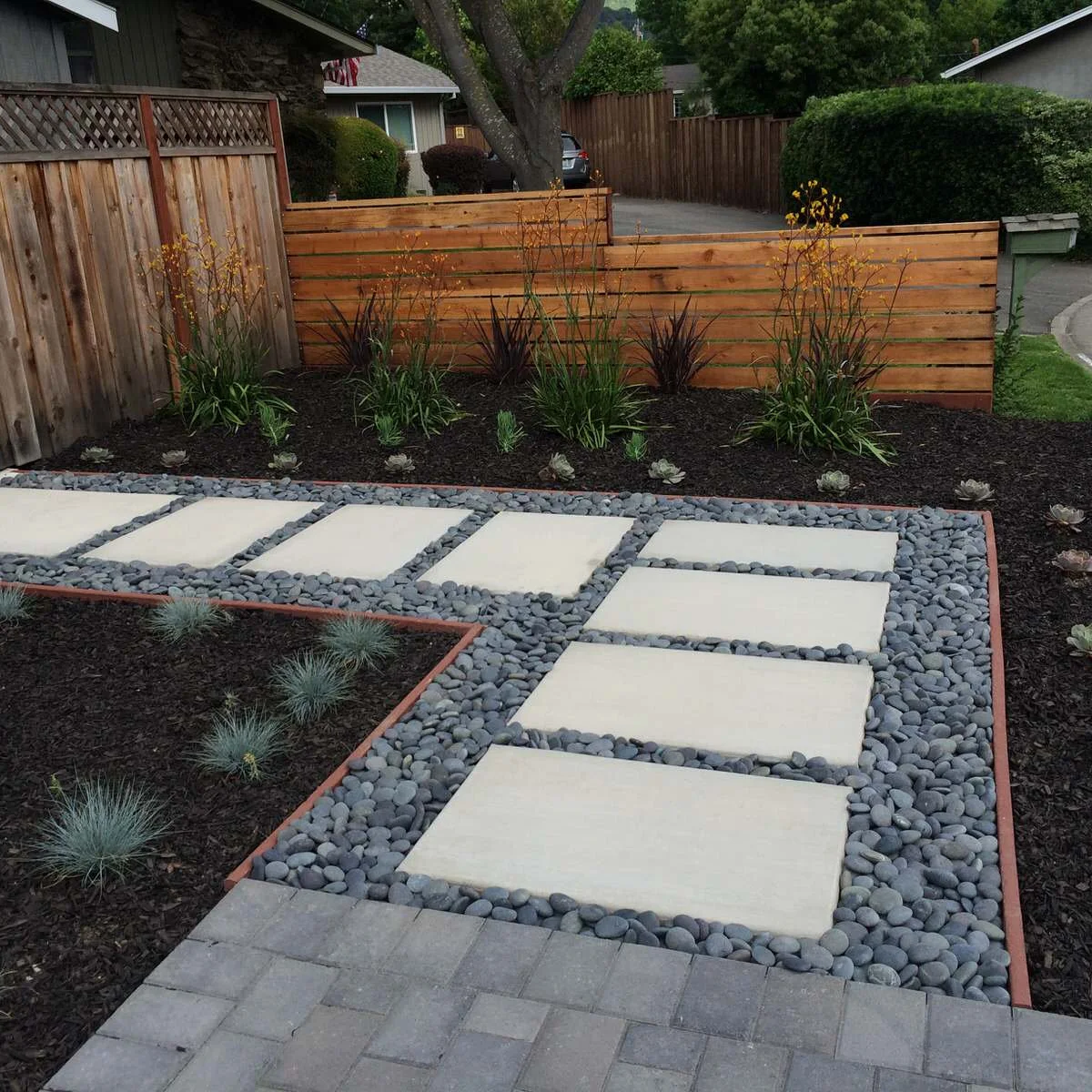
Horizontal wood boards create a warm boundary behind the planted bed. Pale rectangular slabs and dark rounded stones make the route through the foreground easy to read. The fence supplies a simple backdrop, allowing the finer shapes of the grasses and small plants to remain visible.
Coordinate the fence with the arrival route rather than selecting it independently of the paving. These driveway landscaping ideas offer other ways to connect vehicle and pedestrian surfaces. Leave room to maintain the planting and inspect the boards, and do not assume a decorative gravel strip provides the drainage your site requires. These low-maintenance landscaping ideas can help you compare planting arrangements while keeping access to the fence in mind.
IDEA 02 / 17
Keep Wide Gaps Between Simple Rails
 SaveSupport Non AI Creator
Image credit: Project: Rollin Landscape Design (via Houzz)
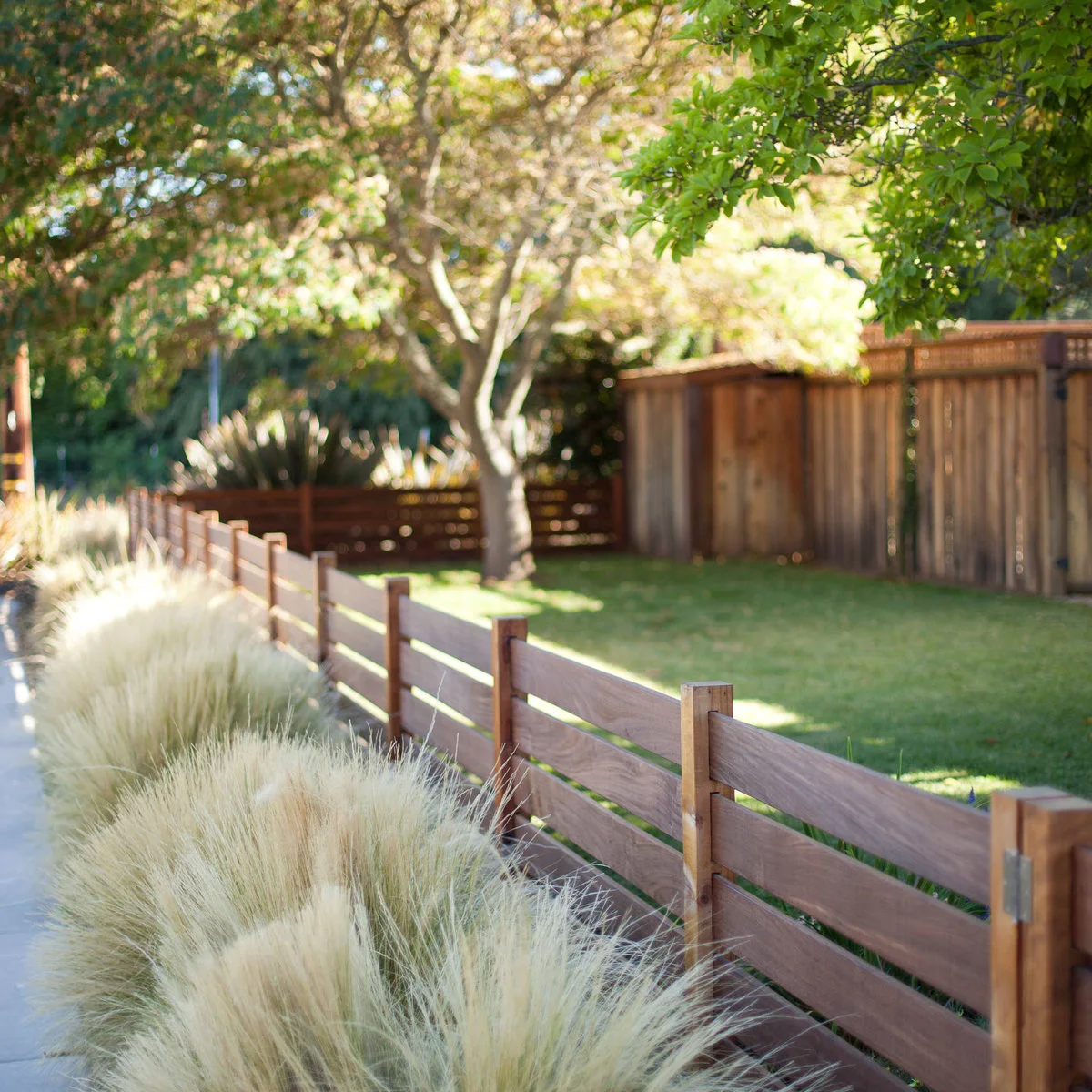
Wide spaces between the rails keep the lawn visible through this low wood fence. Pale grasses soften the sidewalk edge without hiding the whole boundary. The repeated posts provide a steady rhythm, while the fence’s simple shape leaves the surrounding trees and planting prominent.
Use the openness deliberately: it provides a visual edge with little screening. Keep grasses from spilling over the pedestrian route and allow for their mature spread. If containment is part of your goal, assess the openings separately rather than assuming an attractive rail arrangement will suit every pet or household.
IDEA 03 / 17
Leave an Obvious Opening Toward the Front Door
 SaveSupport Non AI Creator
Image credit: Project: Gravel and Green (via Houzz)
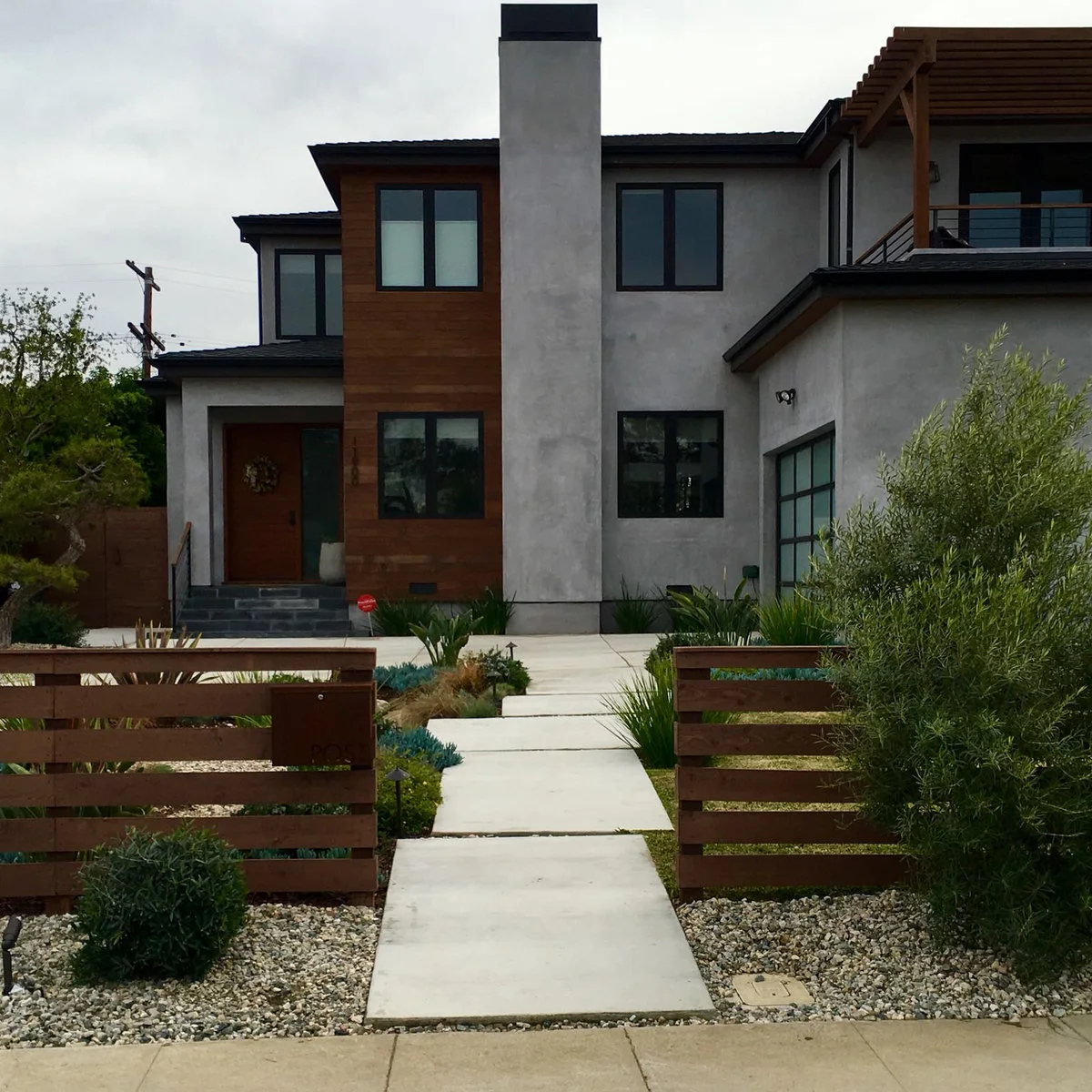
Two short fence runs stop at the main path, making the entrance easy to locate from the street. Their horizontal boards relate to the wood on the house. Gravel and planting soften each end while the broad paving keeps the pedestrian route distinct from the surrounding beds.
Position the opening around the route people naturally take, including deliveries and trips with bins or equipment. Keep mature planting from narrowing the entrance or obscuring visibility. An ungated opening can feel welcoming, but it should be a deliberate choice if you also want to control access to the garden.
IDEA 04 / 17
Pair Fine Metal Rails with Warm Posts
 SaveSupport Non AI Creator
Image credit: Project: Gravel and Green (via Houzz)
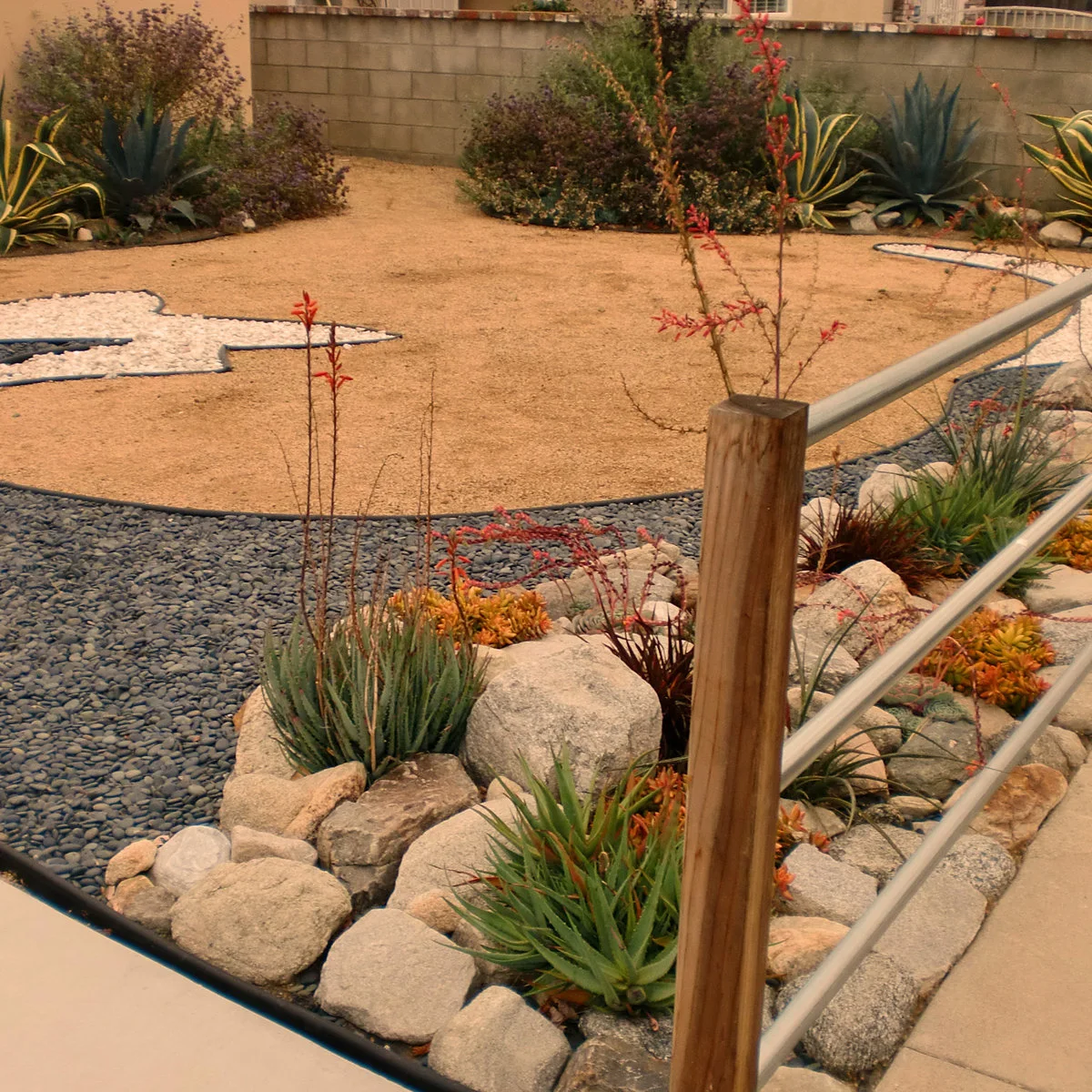
Fine metal rails create a lighter boundary than solid boards, while the wood posts add warmth. Boulders and upright flowers give the planted edge variety without filling every gap. The open construction lets the gravel garden remain visible from beyond the boundary instead of becoming a hidden enclosure.
Check the actual rail system, connections and finish before copying the combination. Fine-looking components still need suitable support and care for their environment. Keep plants clear of joints and avoid treating a decorative fence as a protective guard beside a drop unless it is specifically designed and approved for that use.
PART 02
Give a pale fence a clear setting
IDEA 05 / 17
Repeat the White Trim in a Simple Picket Fence
 SaveSupport Non AI Creator
Image credit: Project: Bayview Builders (via Houzz)
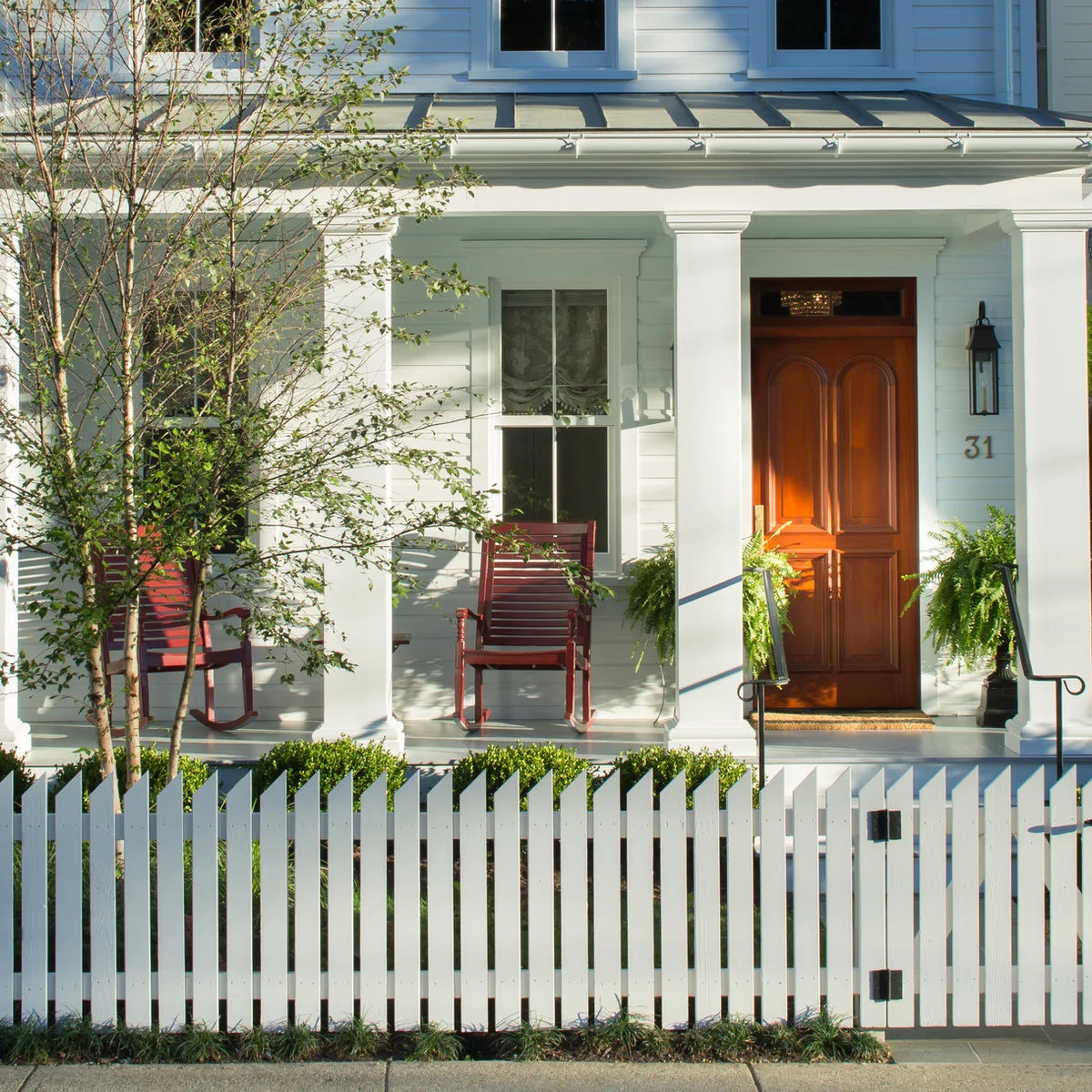
The white pickets repeat the porch trim, creating a clear foreground edge without hiding the house. A matching gate aligns with the entrance route. The warm wood door and red chairs add color behind the fence, so the boundary itself can remain straightforward and pale.
Choose the spacing and top shape for the look you want, then assess their practical implications for the household. Keep the latch accessible and test the gate swing against the path. White finishes show dirt differently from natural wood, so allow for regular cleaning and any required repainting or maintenance.
IDEA 06 / 17
Try an Open Geometric Pattern
 SaveSupport Non AI Creator
Image credit: Project: Paintbox Garden (via Houzz)
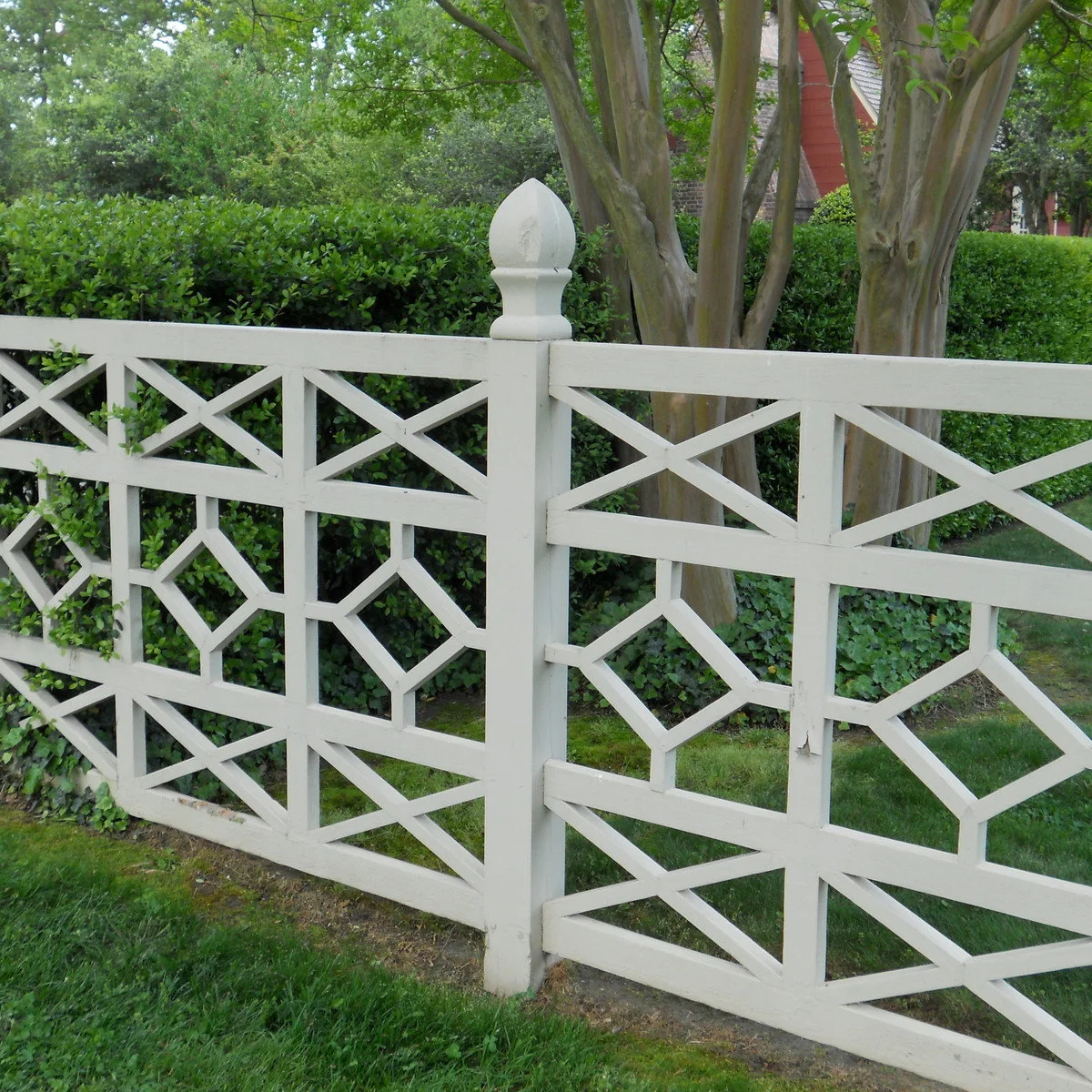
Diagonal crosses and central diamonds give these panels a decorative rhythm without closing off the view completely. The clipped hedge supplies a darker background that makes the white pattern easy to see. Broad horizontal rails hold the repeated shapes together, keeping the boundary orderly despite its more intricate detailing.
Compare a detailed panel with the house before repeating it along the whole frontage. More intersections create more places to clean and repaint. Leave access between the fence and hedge so clipping and repairs remain possible, and avoid letting vigorous growth push through and obscure the pattern.
IDEA 07 / 17
Soften White Pickets with Variegated Leaves
 SaveSupport Non AI Creator
Image credit: Project: Unique Fence & Gate (via Houzz)
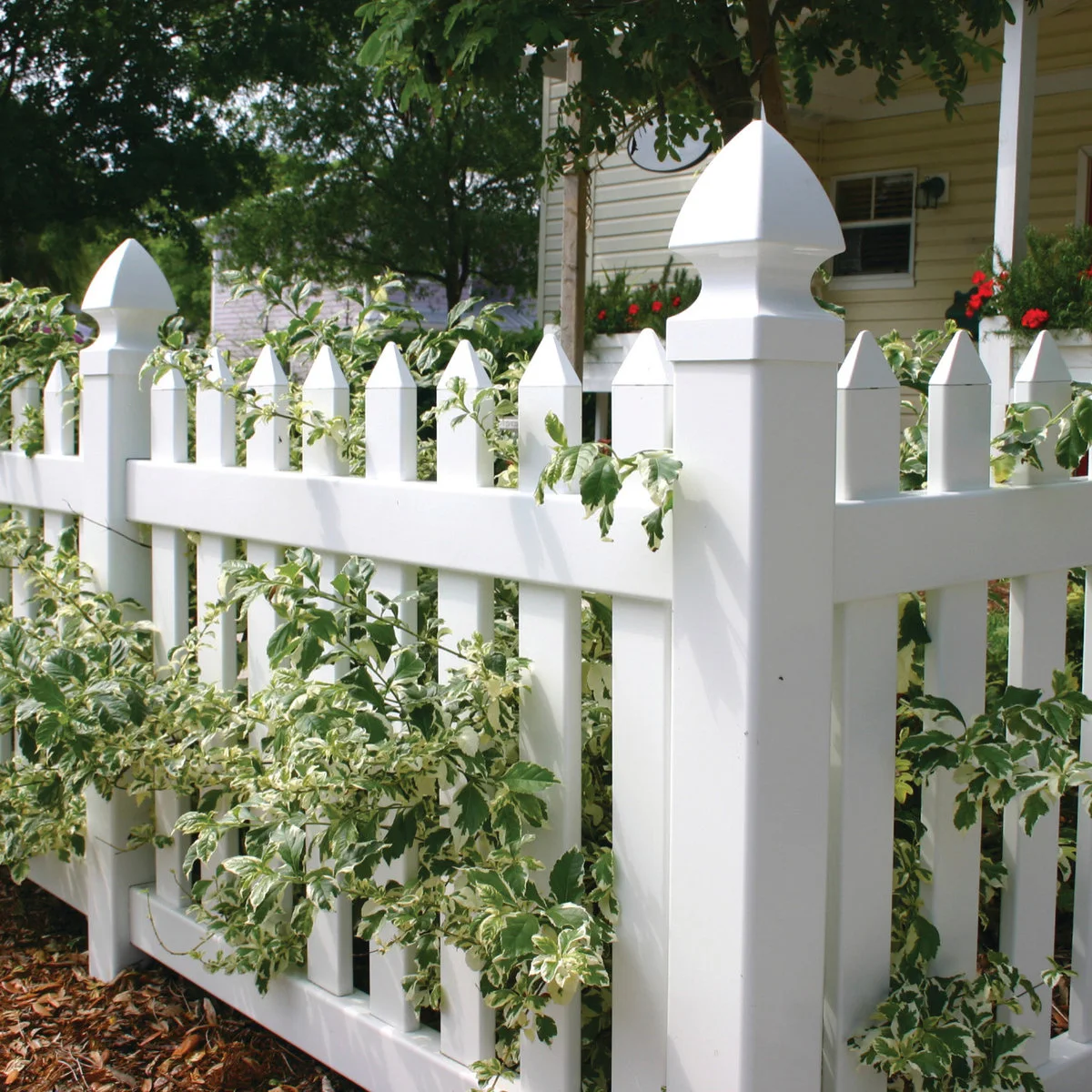
Variegated leaves soften the white pickets and add finer detail around the larger capped posts. The fence remains visible rather than disappearing beneath a solid green screen. The combination gives the boundary a planted character while preserving the repeated shape of the uprights.
Check the plant’s mature size and growth habit before placing it close to the panels. Keep vegetation away from gates and hardware, and leave access for cleaning. The source identifies this as vinyl fencing; follow the chosen product’s care instructions rather than treating every white fence as painted timber.
IDEA 08 / 17
Keep the House Visible Behind an Even Picket Line
 SaveSupport Non AI Creator
Image credit: Project: Mina Brinkey (via Houzz)
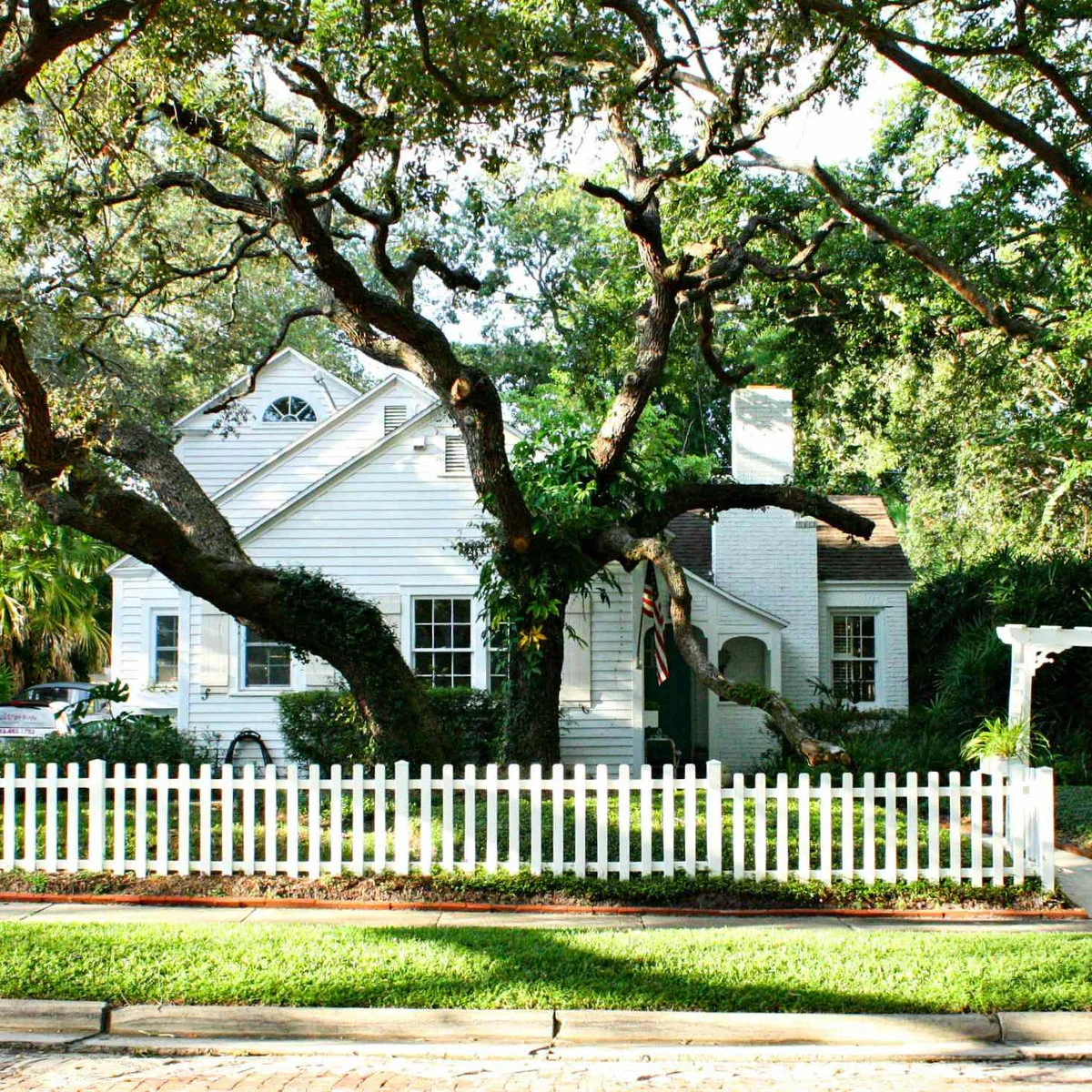
An even line of white pickets marks the street edge while leaving the cottage and its large trees visible. The slim uprights give the long boundary a light rhythm. Planting remains relatively low at the fence, allowing the house rather than the enclosure to stay the main feature.
Consider the full frontage before choosing post spacing and gate position. Keep sightlines clear at the driveway and avoid disturbing established tree roots during installation. A low fence can define a generous garden without screening it, but its foundations and location still need careful planning around existing conditions.
PART 03
Let planting and fencing work together
IDEA 09 / 17
Let Flowers Spill Around a Short Fence Return
 SaveSupport Non AI Creator
Image credit: Project: Maria Hickey & Associates Landscapes (via Houzz)
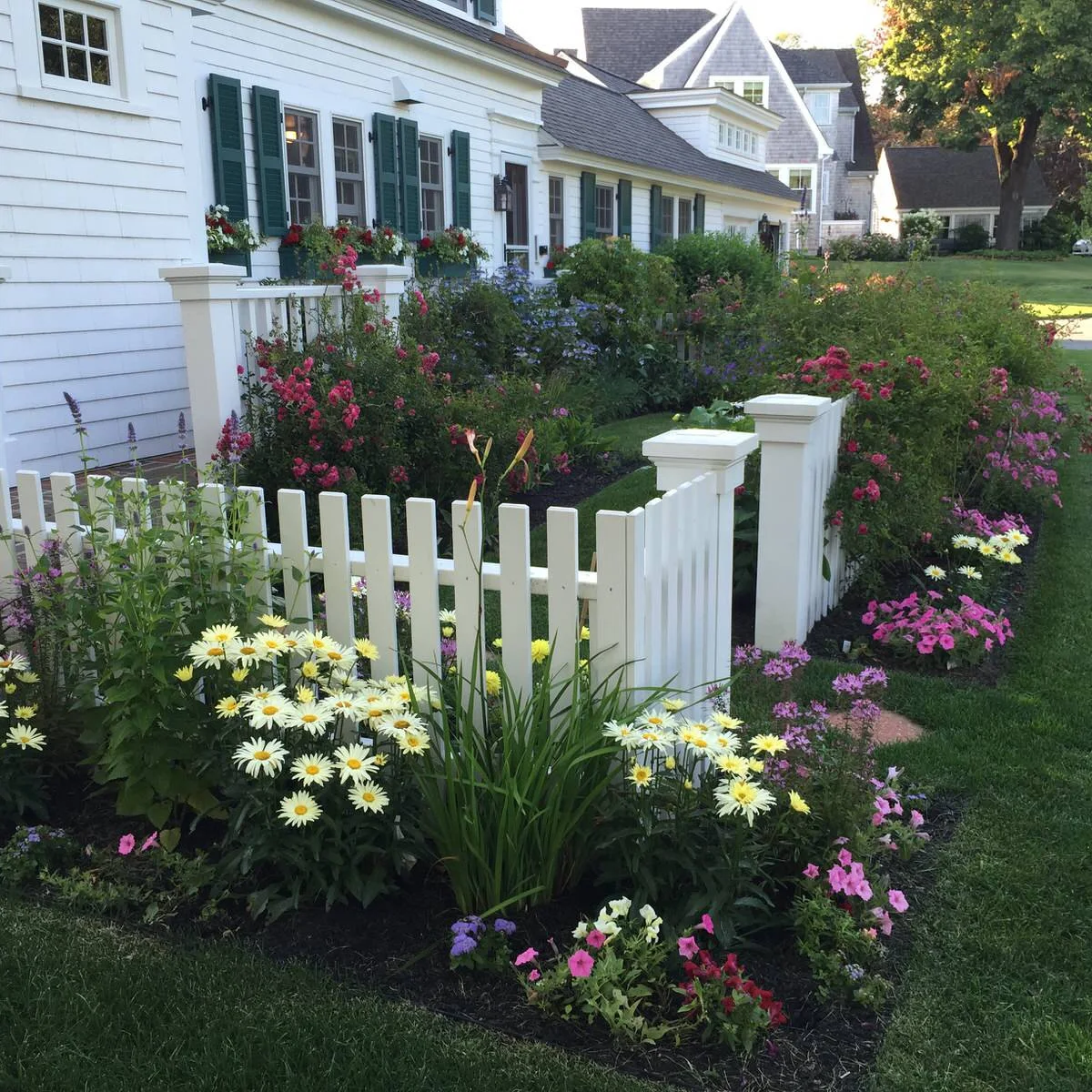
The short fence return gives this abundant flower border a clear shape at the lawn edge. White pickets remain visible between the blooms, echoing the house trim behind. Taller planting rises farther back, allowing the lower edge to feel defined without becoming a solid planted screen.
Leave room for plants to mature without burying the gate or obstructing the path. These small cottage garden ideas offer other ways to balance abundant planting with a clear route. Keep maintenance access on both sides of the fence, especially where stems need support or regular cutting back.
IDEA 10 / 17
Show the Wood Grain Beside a Planted Frontage
 SaveSupport Non AI Creator
Image credit: Project: Regenesis Ecological Design (via Houzz)
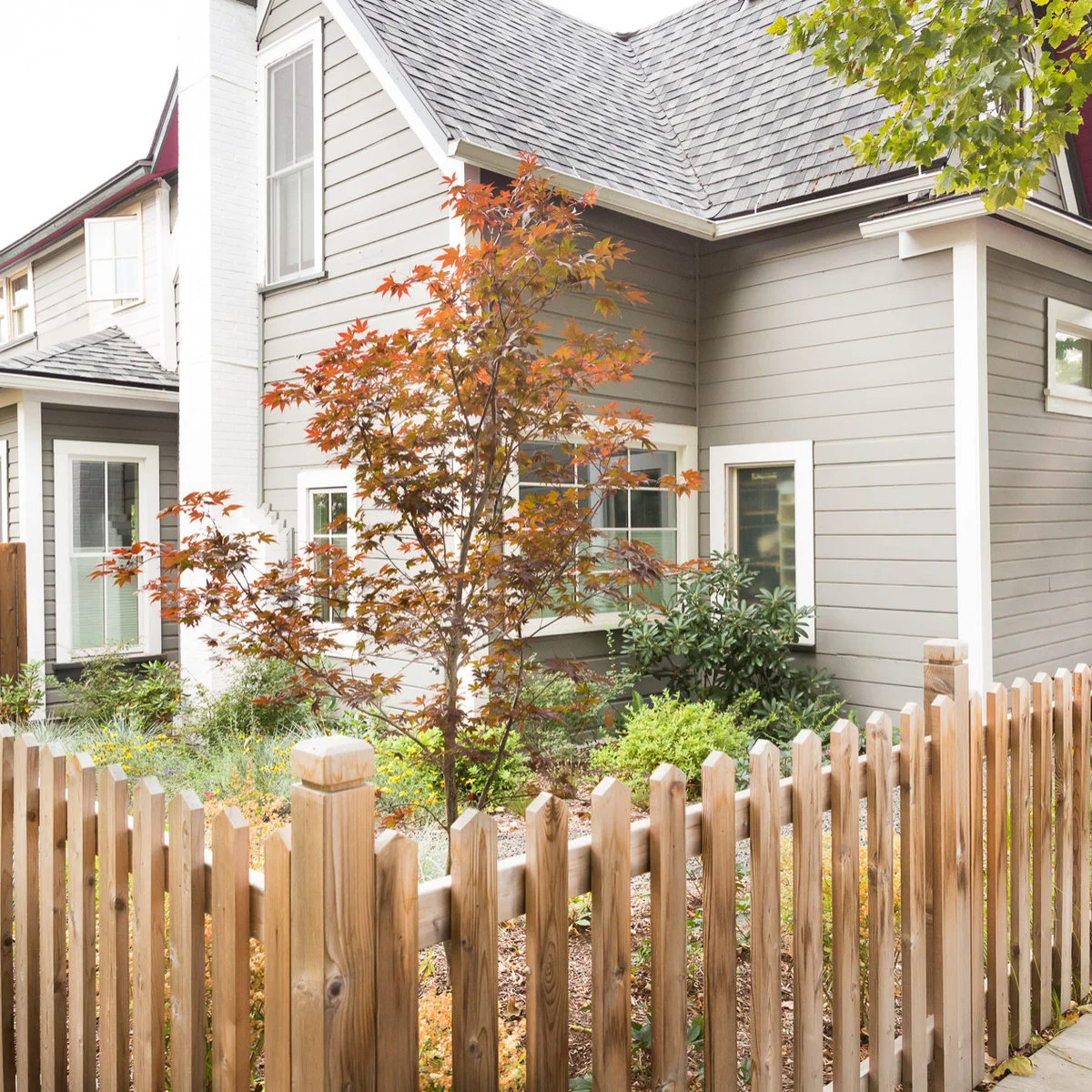
The visible grain gives the pickets character without requiring a bright painted finish. Repeated capped posts make the boundary feel deliberate beside the loose planting. The fence remains open enough to show the shrubs and small tree behind, rather than presenting a continuous solid wall to the sidewalk.
Choose the actual wood species and finish for the site with the installer, then follow their maintenance guidance. Natural-looking timber still changes outdoors and may need care. Allow mature branches to remain clear of the panels, and plan for individual boards or hardware to be repaired without dismantling the garden.
IDEA 11 / 17
Use Open Upper Rails Above a More Solid Base
 SaveSupport Non AI Creator
Image credit: Project: California Deck Builders (via Houzz)
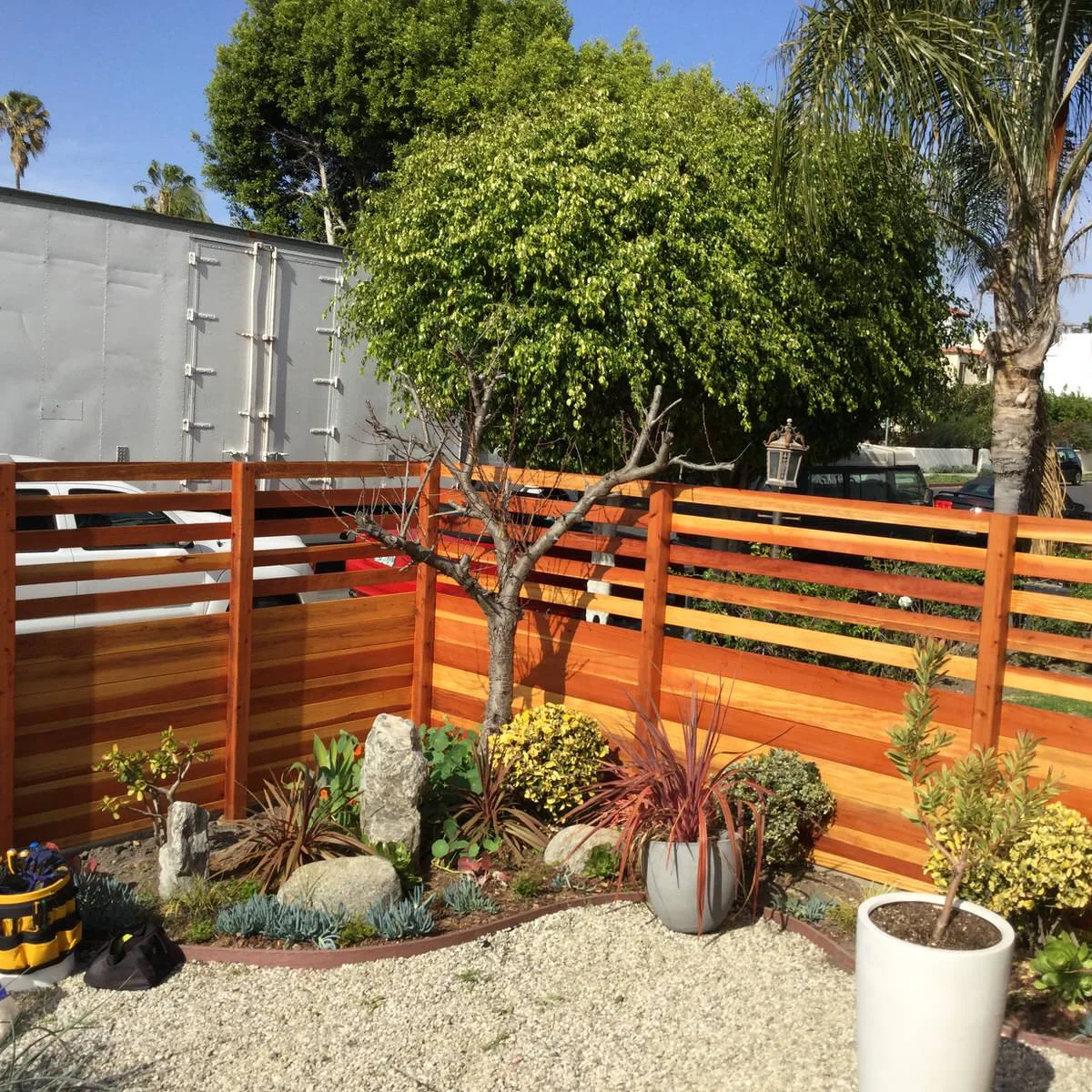
The closer lower boards create a stronger edge around the planting, while open rails above retain some connection with the street. The warm wood finish unifies the different spacings. Pots, rocks and a small tree sit inside the boundary, making the enclosure part of the garden arrangement.
Consider how much screening you need at each level before choosing a mixed panel. An open top does not make the whole structure low or unrestricted, so confirm the permitted height and visibility locally. Keep the lower boards accessible for cleaning and inspection rather than packing every inch against them with soil or containers.
IDEA 12 / 17
Keep Dark Metal Uprights Fine and Repetitive
 SaveSupport Non AI Creator
Image credit: Project: XANADU GROUP (via Houzz)
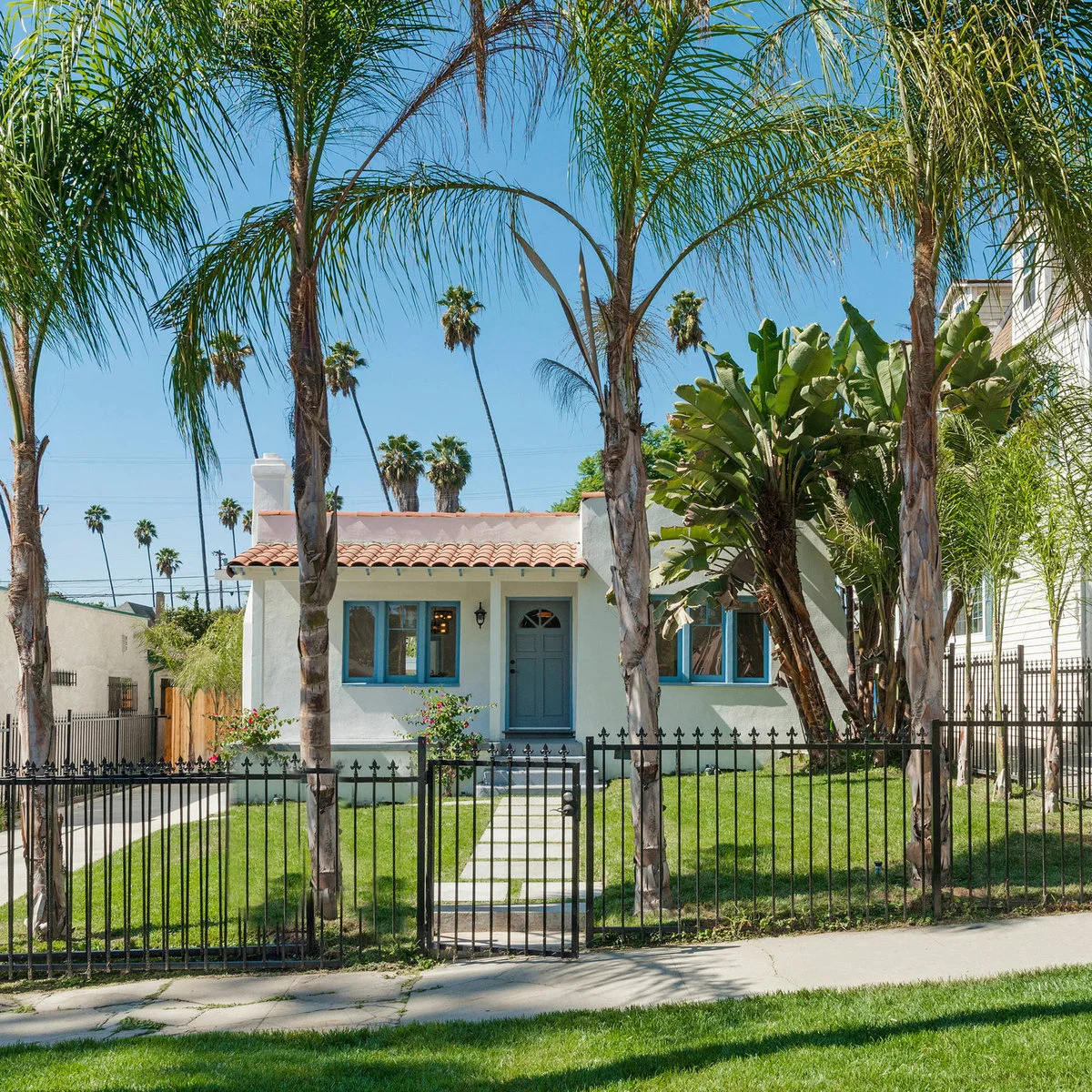
Fine dark uprights define the frontage without hiding the pale house, lawn or trees. Small decorative tops add detail while the main panels remain consistent. The central pedestrian gate makes the route to the front door clear, and the dark finish relates to the neighboring boundary elements.
Inspect the finish and connections as part of routine care, particularly in exposed environments. Keep the gate easy to operate and planting clear of its movement. Confirm the actual metal and coating before choosing cleaning or touch-up products, and assess pointed decorative elements for the way the household uses the space.
PART 04
Make entrances and open panels useful
IDEA 13 / 17
Make Wide Access Part of the Fence Design
 SaveSupport Non AI Creator
Image credit: Project: Riverside Fence (via Houzz)
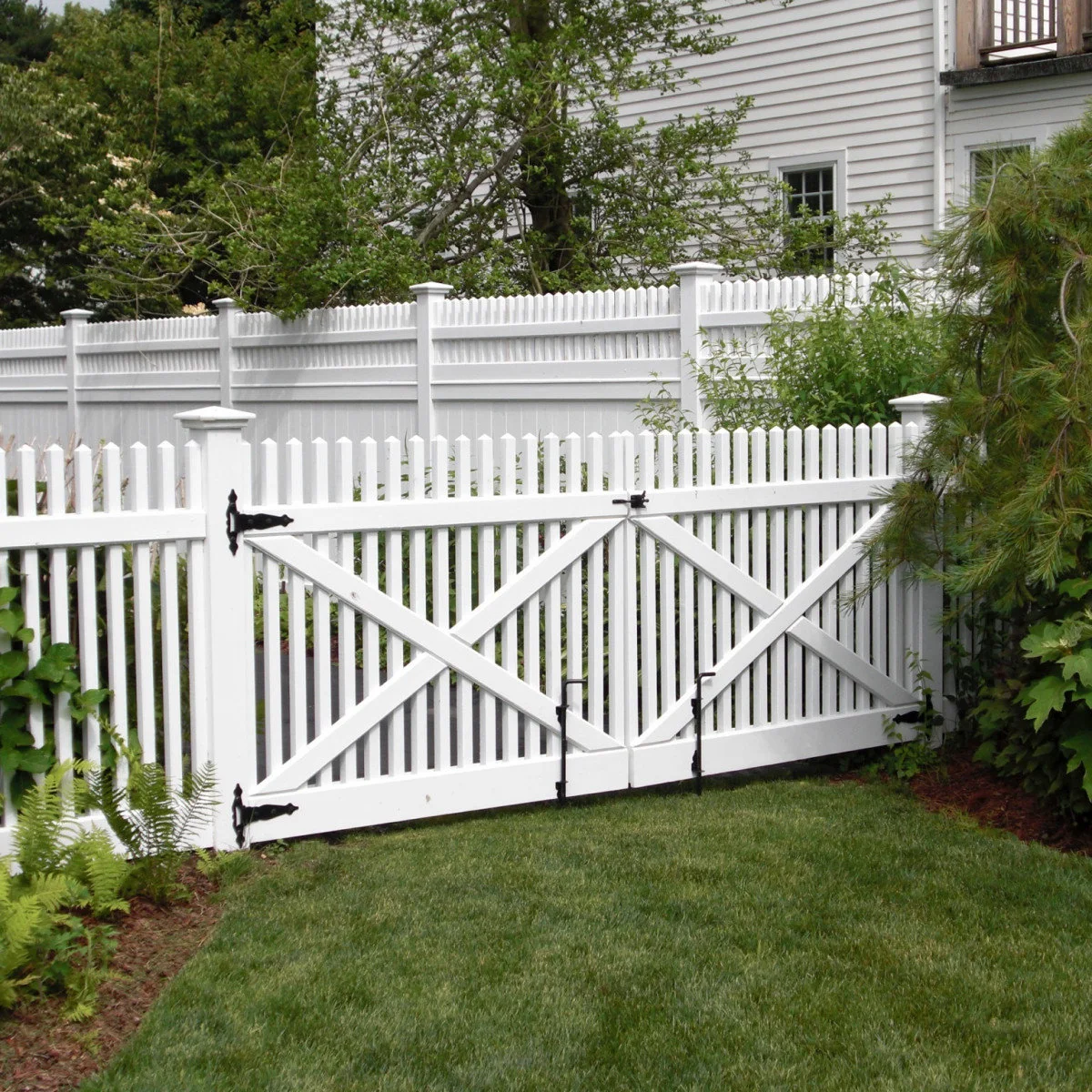
The paired gates create a wider opening while keeping the same picket rhythm as the adjoining fence. Diagonal braces give the leaves a clear structure, and dark hardware makes their operation easy to identify. Planting softens the ends without filling the central access area.
Decide whether you need a wider opening for equipment before settling on a narrow pedestrian gate. Check how each leaf swings, where it rests and how it is secured. Keep the ground surface usable across the opening, and choose hardware sized for the actual gate rather than appearance alone.
IDEA 14 / 17
Mark the Entrance with an Arbor Above Low Gates
 SaveSupport Non AI Creator
Image credit: Project: Regenesis Ecological Design (via Houzz)
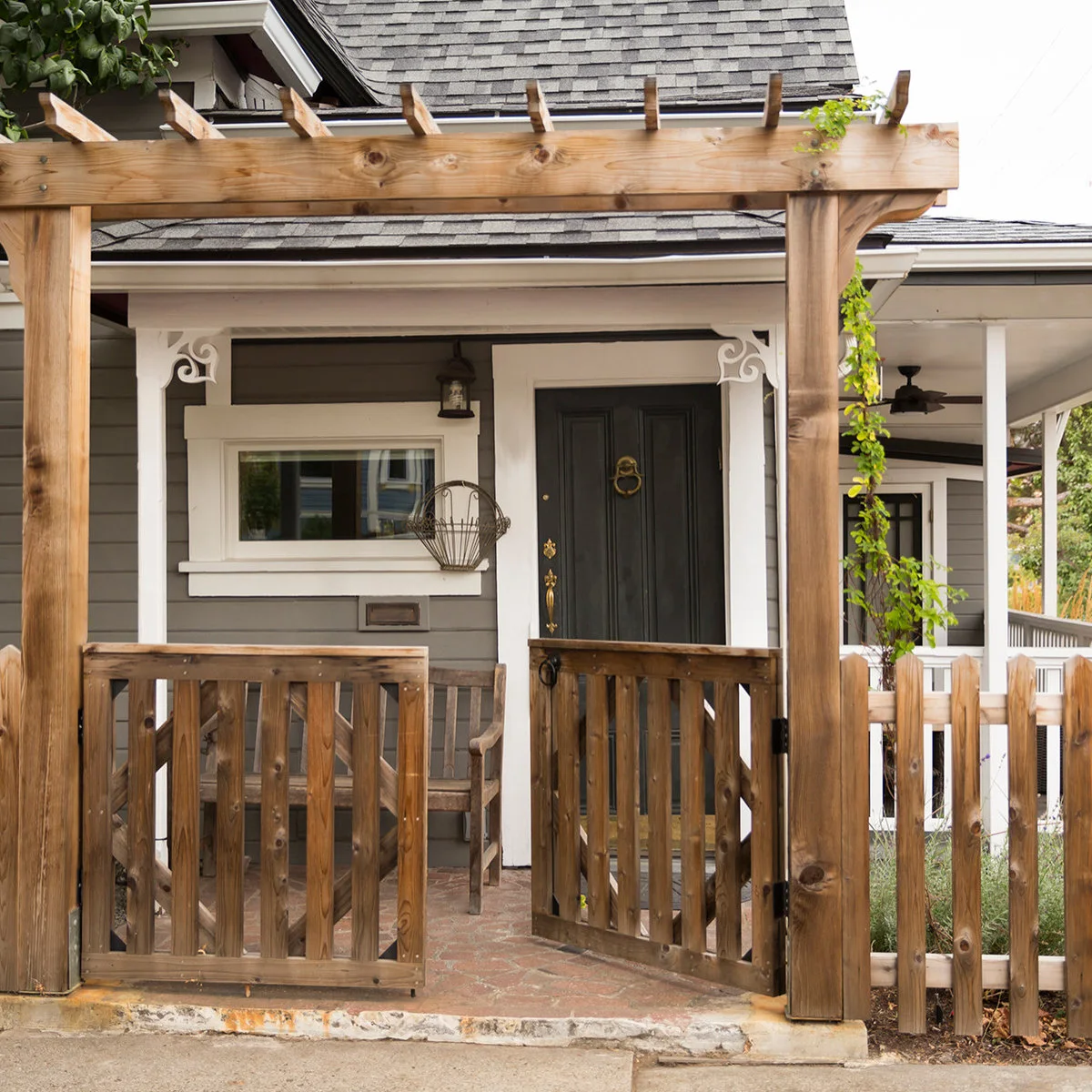
The overhead arbor makes the entrance noticeable without requiring the whole boundary to rise to the same height. Open wood gates sit below it, linking the structure to the lower picket fence. Their warm color contrasts with the pale porch trim and darker front door.
Treat the taller entrance structure and lower gates as connected but separate design decisions. Check headroom, foundations and any climber support before construction. Leave the gate’s movement clear of pots, vines and door furniture so the entrance remains comfortable for everyday arrivals, not just attractive when both leaves are open.
IDEA 15 / 17
Integrate Address Details into Solid Gate Posts
 SaveSupport Non AI Creator
Image credit: Project: Studio Burke (via Houzz)
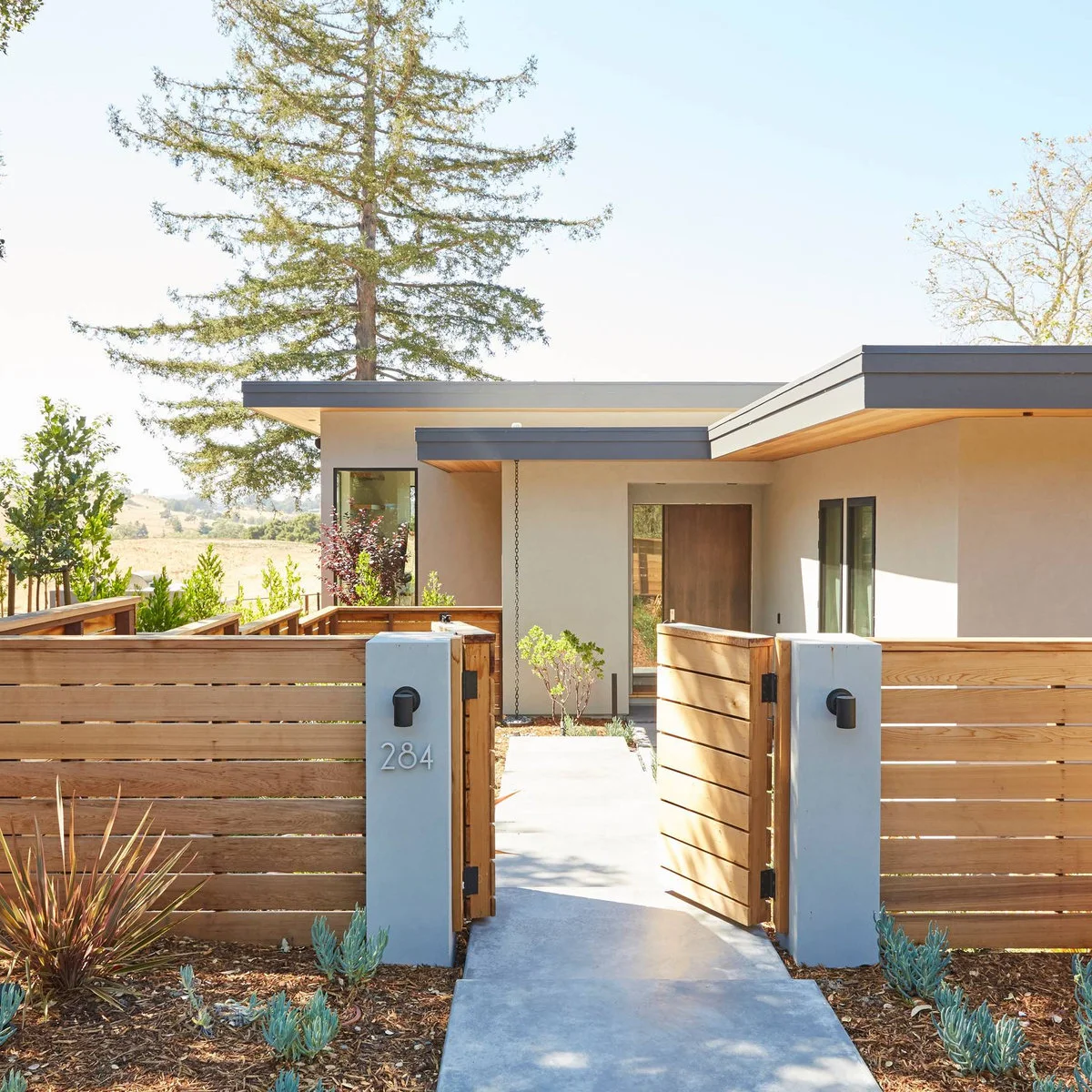
The solid posts provide a defined place for the house number and small lights beside the pedestrian opening. Horizontal boards continue between them, relating to the house’s simple lines. The gate opens toward the garden, leaving the path itself easy to recognize from the street.
Check the opening, latch and gate swing against the actual approach route before deciding post positions. Plan wiring and access for lighting with the installer rather than adding them afterward. Keep house numbers readable as planting matures, and confirm that the combined fence and posts suit the applicable frontage restrictions.
IDEA 16 / 17
Use Mesh to Keep a Broad Frontage Open
 SaveSupport Non AI Creator
Image credit: Project: Fischer Schalles (via Houzz)
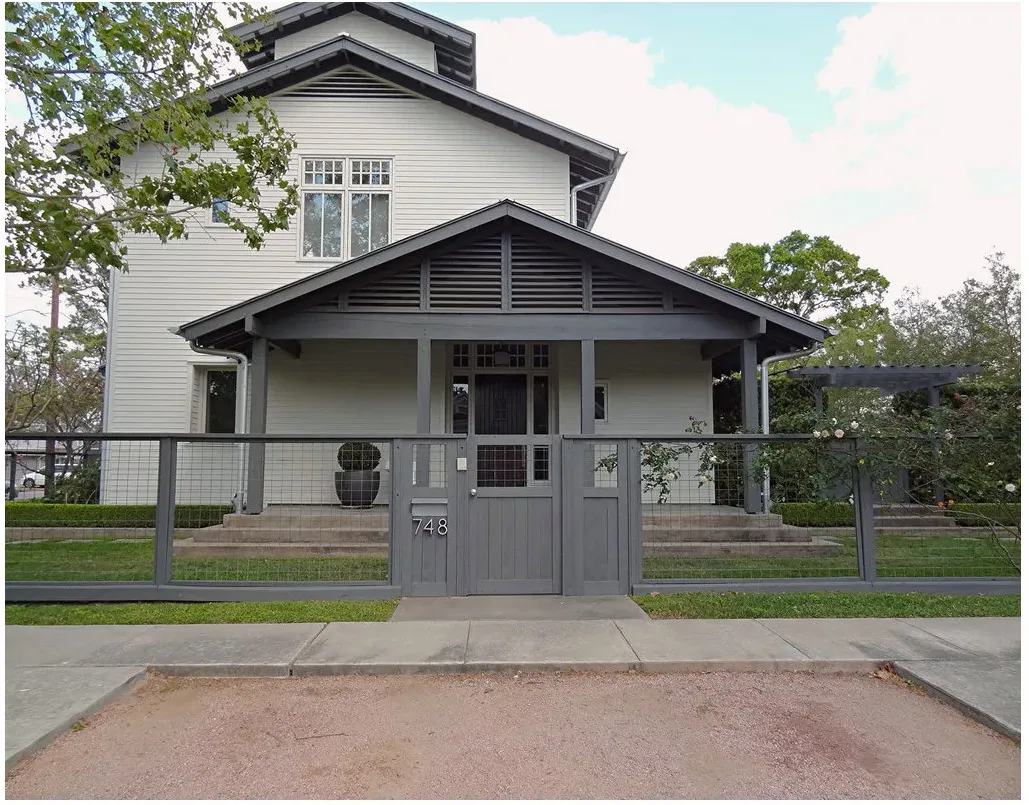
Fine mesh keeps the house and lawn visible through the broad panels. Gray frames relate to the darker details on the porch, while the solid lower part of the gate provides a place for the house number. The result marks the boundary with relatively little visual screening.
Choose the mesh, edge treatment and connections for the actual use, especially if children or animals will be nearby. Keep the openings and hardware under regular inspection. If changing ground levels is part of the project, these retaining wall ideas address that separate need; mesh panels should not be expected to hold back soil.
IDEA 17 / 17
Combine a Fine Grid with a Wood Cap
 SaveSupport Non AI Creator
Image credit: Project: Estero Builders, Inc. (via Houzz)
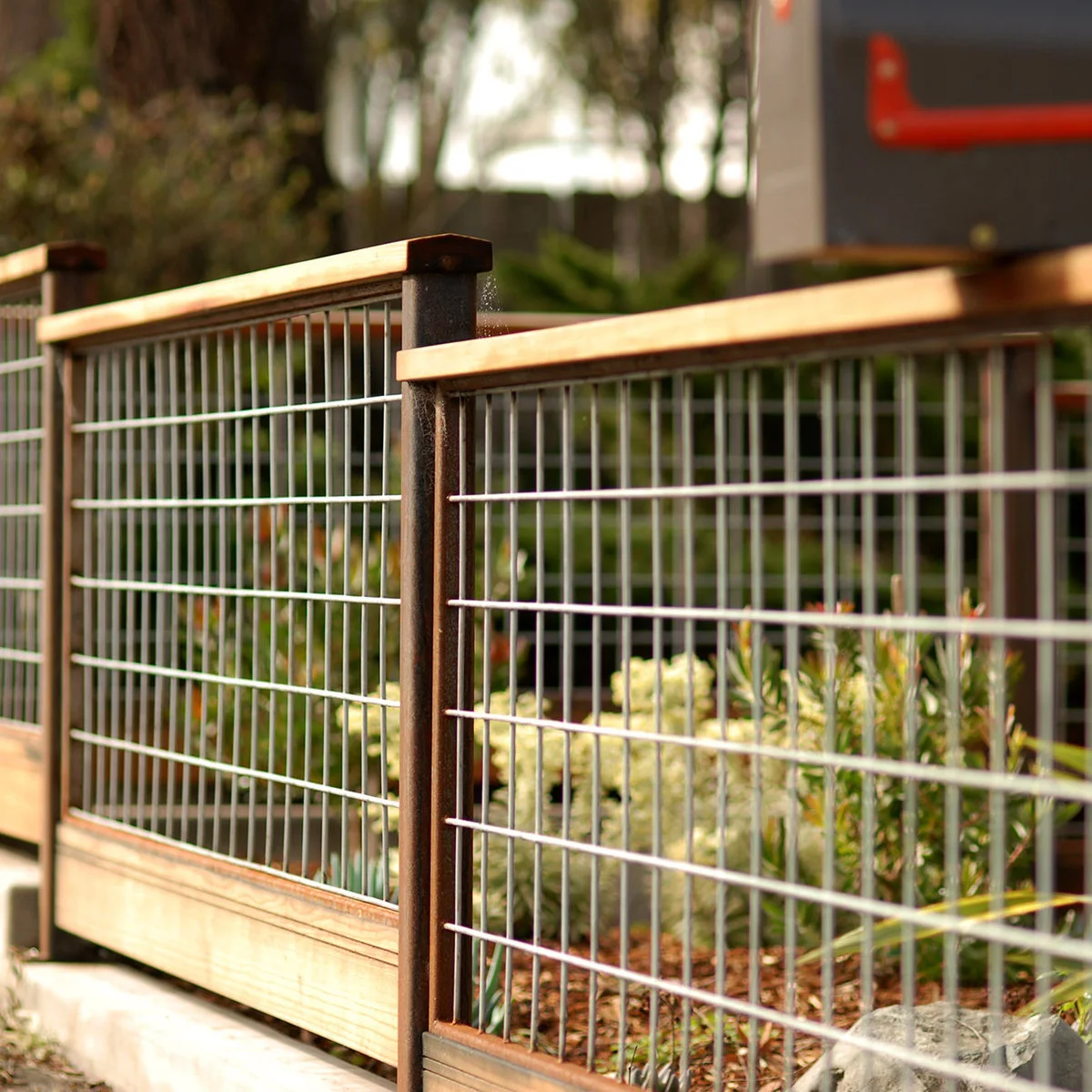
The fine grid preserves views through the boundary, while the wood cap gives the top edge a warmer finish. A broader board along the base creates a more substantial lower line. Dark posts separate the panels, linking the different materials without making the fence a continuous solid screen.
Check how the grid is secured and how exposed edges are finished before choosing a similar combination. Allow room to inspect connections and clean around the lower board. Match the opening size to the intended purpose, and do not assume an open decorative fence provides reliable containment or fall protection.
BRING IT ALL TOGETHER
Walk the boundary before choosing the panels
Trace the route from the street to the front door, including bins, deliveries and garden equipment. Mark where a gate would swing and where vehicles need visibility. Check the permitted arrangement locally before ordering materials, particularly on a corner site or beside a shared access route.
Then compare fence samples with the house and the mature planting you intend to keep. Leave access for cleaning, repainting and repairing both sides. A lower boundary works best when the gate, ground surface and planting support the same welcoming entrance instead of competing for space.