A traditional fireplace can bring character through its proportions, tile, carving or the contrast between a pale mantel and a dark opening. Some rooms suit an ornate centerpiece; others benefit from a simpler frame around patterned furniture. Start with what is already there and its condition before choosing a new finish.
These photographs include living rooms, a study, a hallway, dining spaces and one bathroom detail. Some fireplaces are decorative, while others contain working fires or stoves. Use the images to compare visible arrangements; a photograph cannot establish safe clearances, an installation’s condition or the age of an individual surround.
PART 01
Notice tile, molding and contrasting outlines
IDEA 01 / 20
Keep Decorative Tile Visible within a Pale Surround
 SaveSupport Non AI Creator
Image credit: Future/Julia Currie
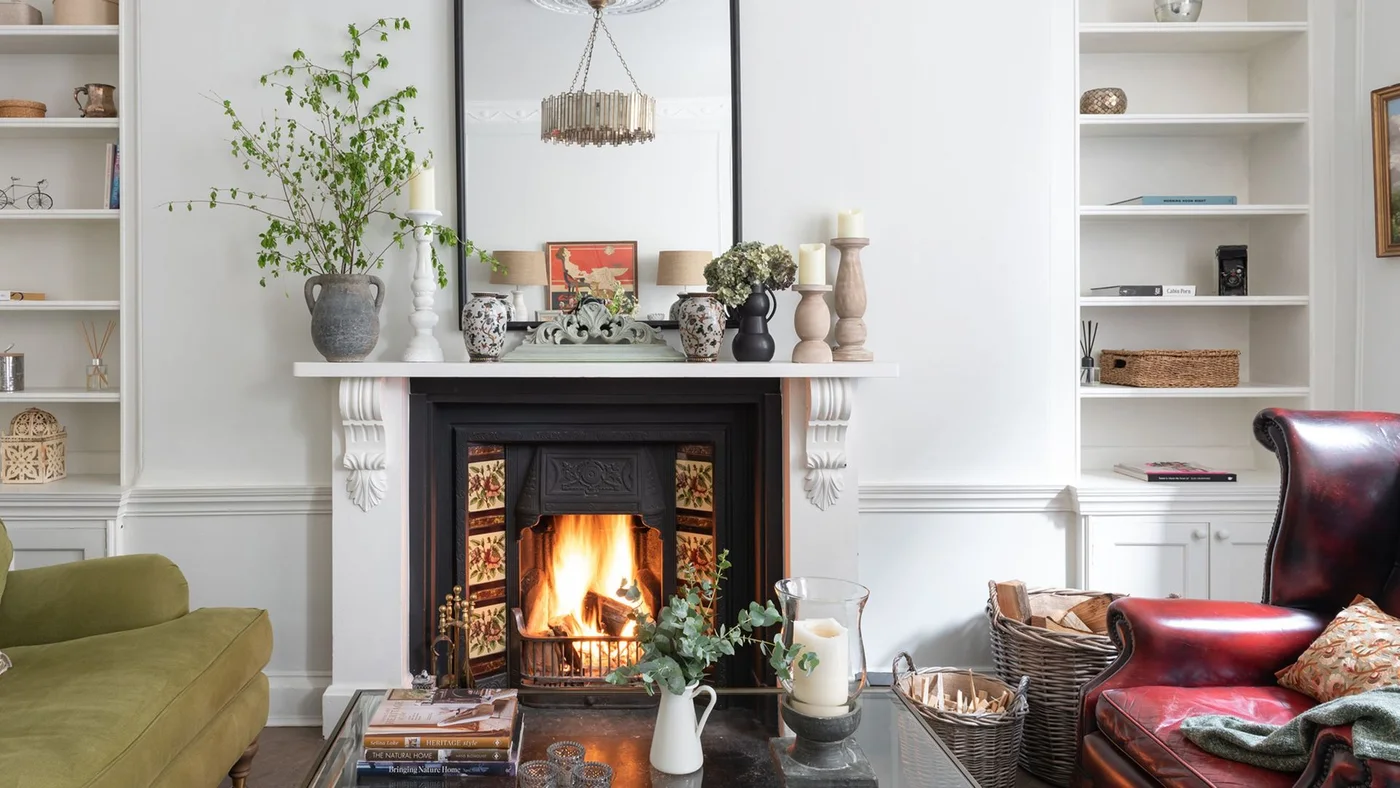
Floral tiles bring color to the narrow sides of the dark insert, while the white mantel connects with the alcove cupboards. A broad mirror repeats the fireplace’s central position. The surrounding shelves stay relatively open, allowing the tile and shaped mantel supports to remain visible among the room’s belongings.
Choose a few colors from existing tiles for cushions or small accessories before considering a complete change to the surround. Have the fireplace assessed before altering any working parts. Keep the nearby table, baskets, plants and upholstered furniture outside the required fire clearances rather than copying their staged distance from the opening. These Ralph Lauren-inspired home decor ideas show how checked upholstery, stripes and collected objects can connect the fireplace to the wider room.
IDEA 02 / 20
Give a Dark Surround a Strong Wall Color
 SaveSupport Non AI Creator
Image credit: Stovax
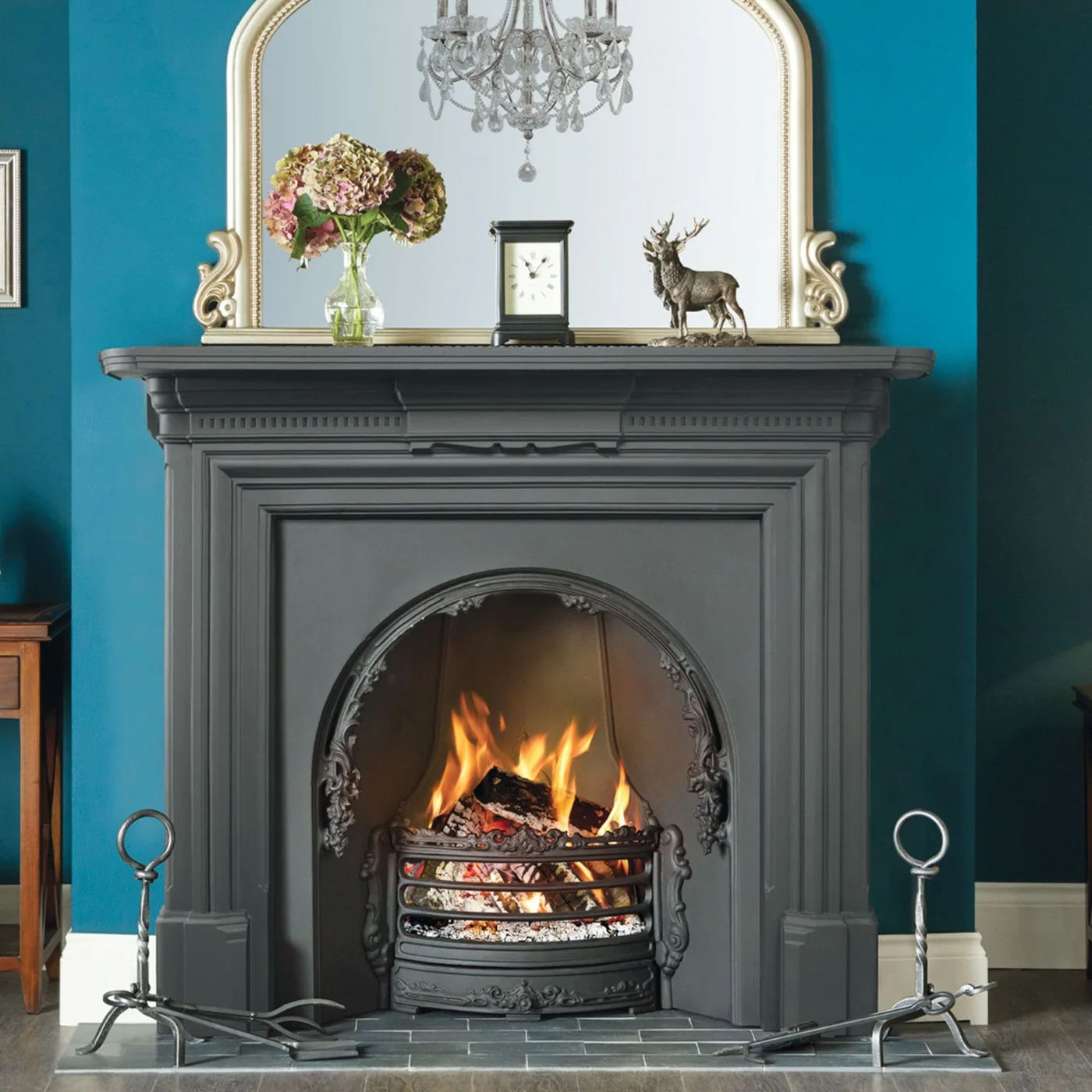
The dark gray surround has enough molding and relief to remain distinct against the teal wall. An arched opening softens its rectangular outer frame, while the pale mirror brings a lighter outline above it. A clock, flowers and a small figure give the shelf a clear arrangement with space between objects.
Compare the wall and surround finishes together so the details remain readable in evening light. Do not apply ordinary decorative paint to heat-exposed parts without confirming suitability. Secure a heavy mirror independently of the mantel shelf, and choose a few stable objects that can be removed easily when the area needs cleaning.
IDEA 03 / 20
Pair a Restrained Mantel with an Oval Mirror
 SaveSupport Non AI Creator
Image credit: Jamb
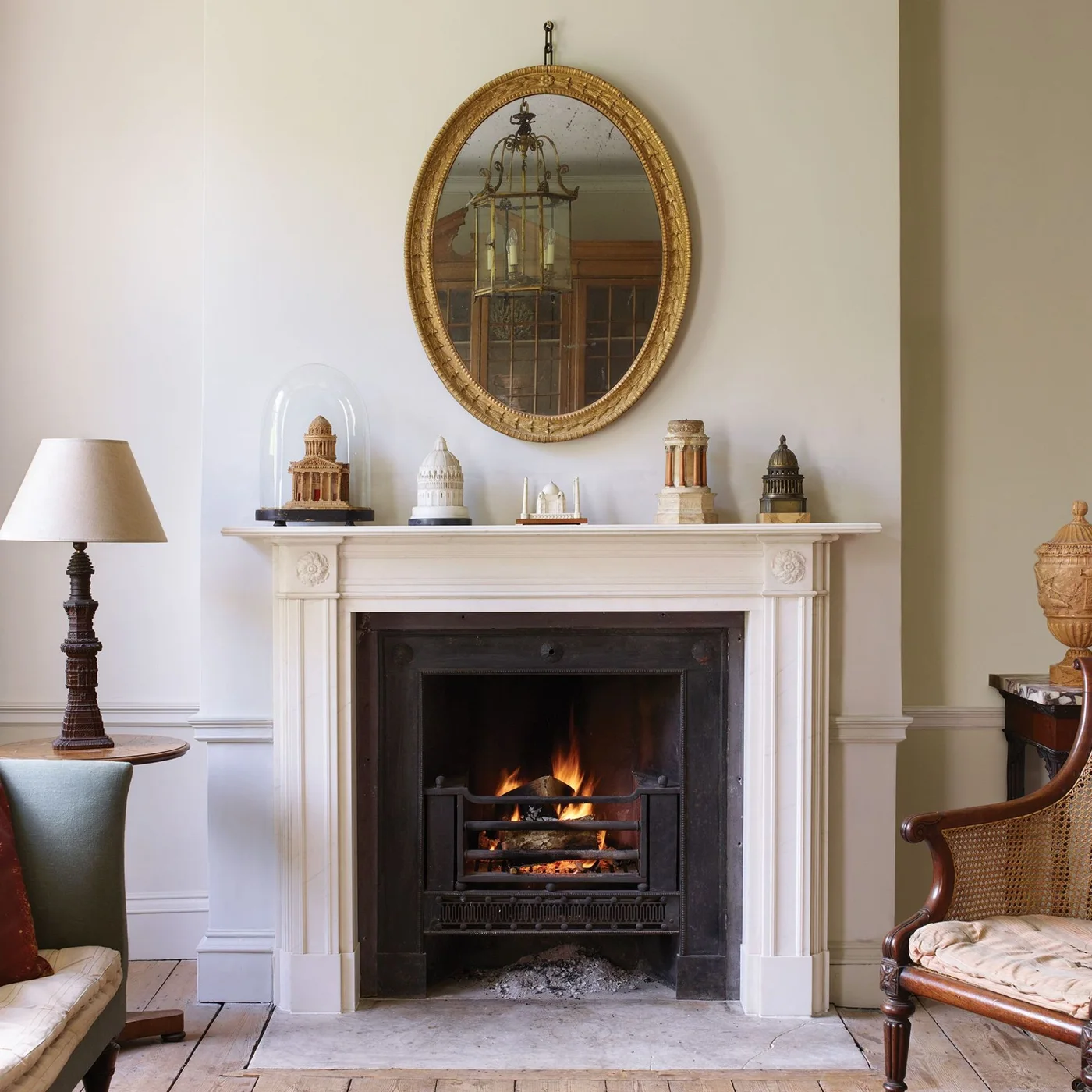
Slender fluting and small round motifs give this pale surround detail without a deep carved pattern. The oval mirror changes the shape above its straight shelf, and small architectural models create a low display below. Pale walls and a simple hearth keep attention on the proportions of the fireplace.
Check the width of an existing chimney breast before choosing a replacement surround, including the shelf projection into the room. A restrained profile can work well with more decorative furniture nearby. Use appropriate wall fixings for the mirror and confirm the shelf’s load capacity before displaying a collection across its length.
IDEA 04 / 20
Keep Turned Columns and Tile as the Main Detail
 SaveSupport Non AI Creator
Image credit: Future
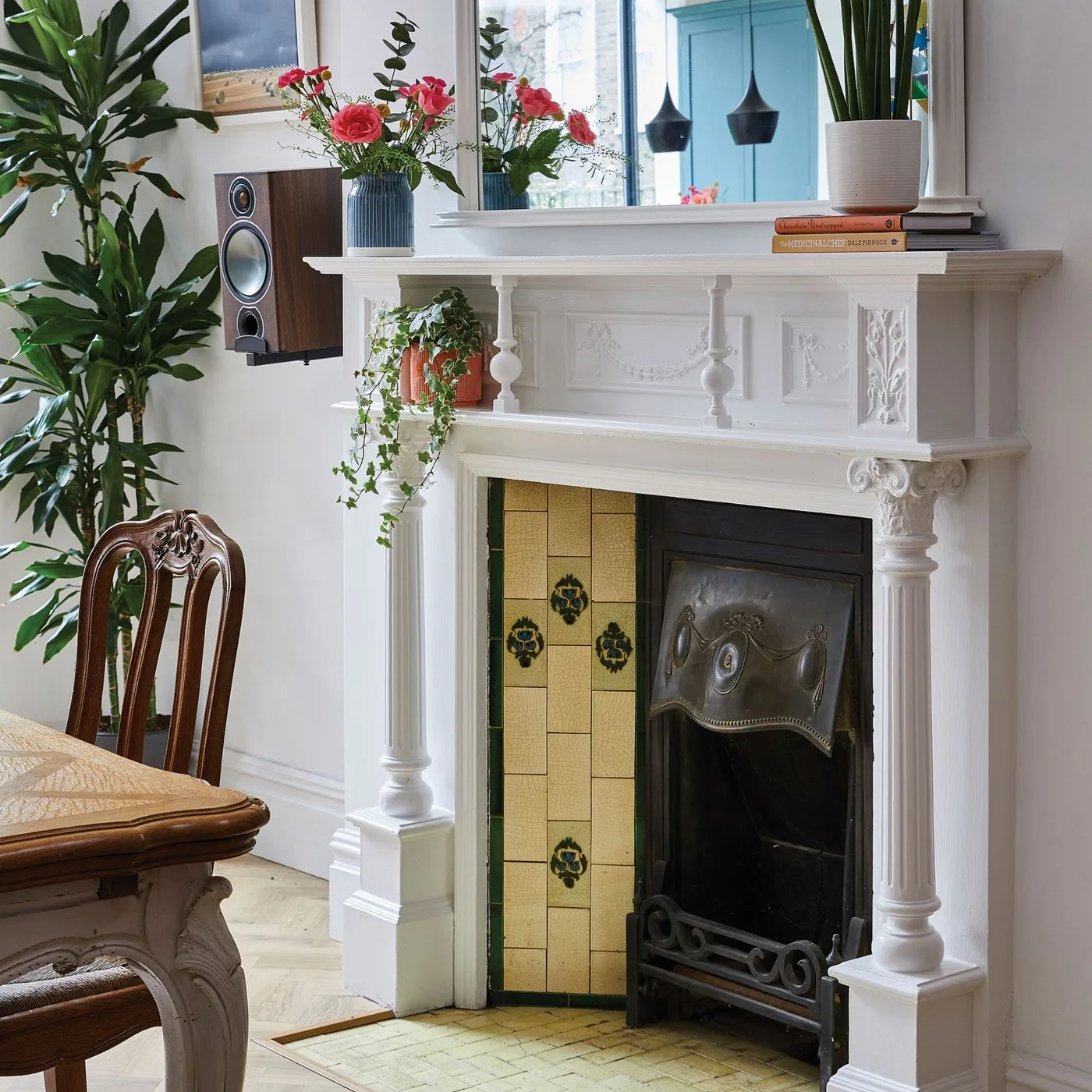
Turned columns, small carved panels and yellow tiles create several layers of detail within this white surround. The pale finish connects the different shapes, while the dark insert gives the opening a clear outline. A broad mirror and a few plants sit above rather than concealing the mantel’s decorative front.
Before repainting or replacing an older surround, photograph its details and ask an appropriate specialist about its condition and material. Keep cleaning gentle and suited to the actual surface. Trailing plants and books are better kept away from a working fire, even when they look attractive on a photographed mantel.
IDEA 05 / 20
Let Patterned Tile Replace Extra Wall Decoration
 SaveSupport Non AI Creator
Image credit: Future
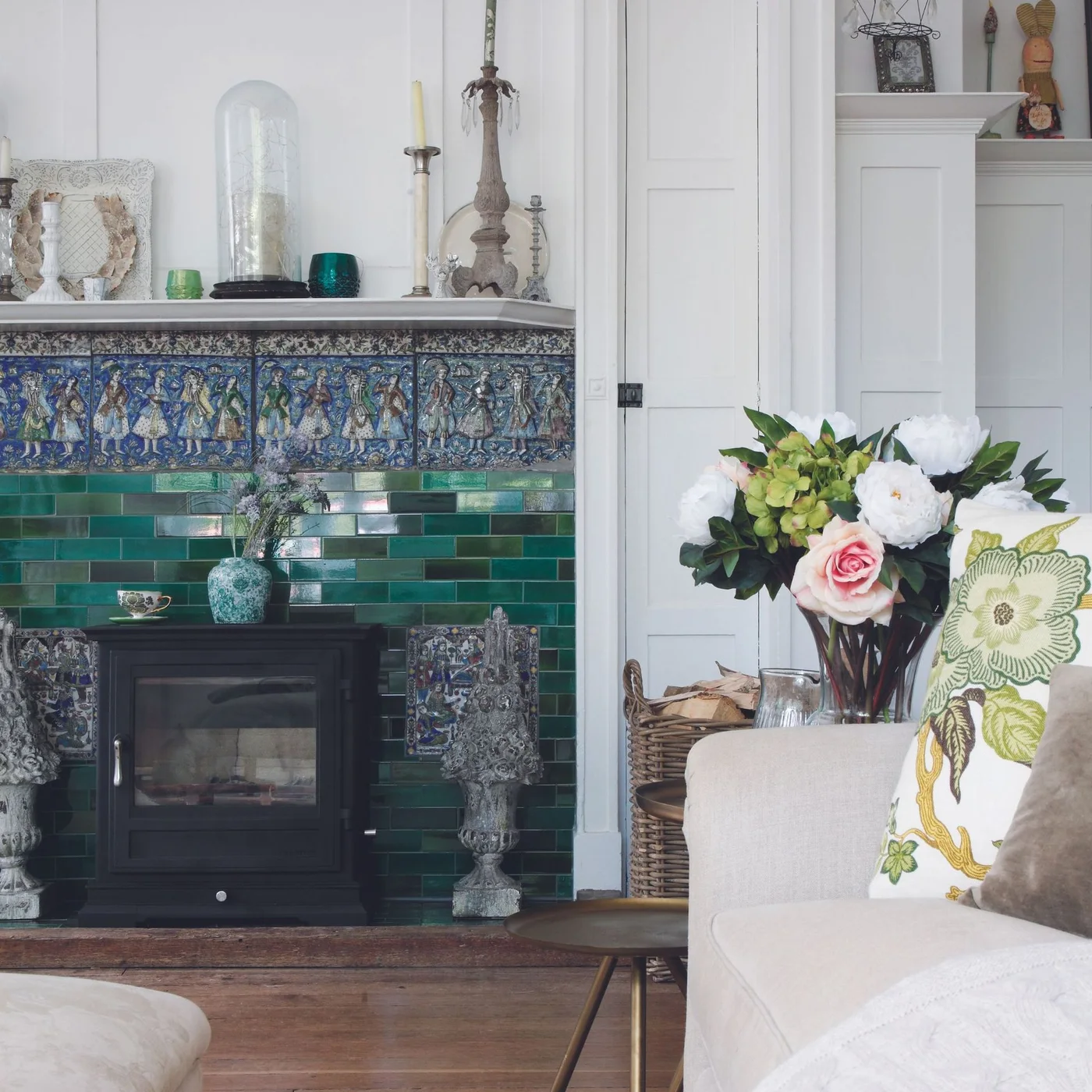
Green tile forms the larger field, while a blue figurative border adds an intricate band above the opening. White wall paneling gives both patterns a quieter neighbor. The stove remains a plain dark shape within the colorful surround, so the room does not need another large patterned surface beside it.
If you are keeping decorative tile, choose neighboring fabrics and wall colors with the whole tiled area in view. Check old tile condition before cleaning or repair, and avoid guessing its age from appearance. Any stove, hearth and surround changes need to meet that appliance’s installation requirements, including clearances from nearby seating and stored logs.
PART 02
Work with timber, stone and nearby furnishings
IDEA 06 / 20
Keep Timber Visible beside a Pale Alcove
 SaveSupport Non AI Creator
Image credit: Future
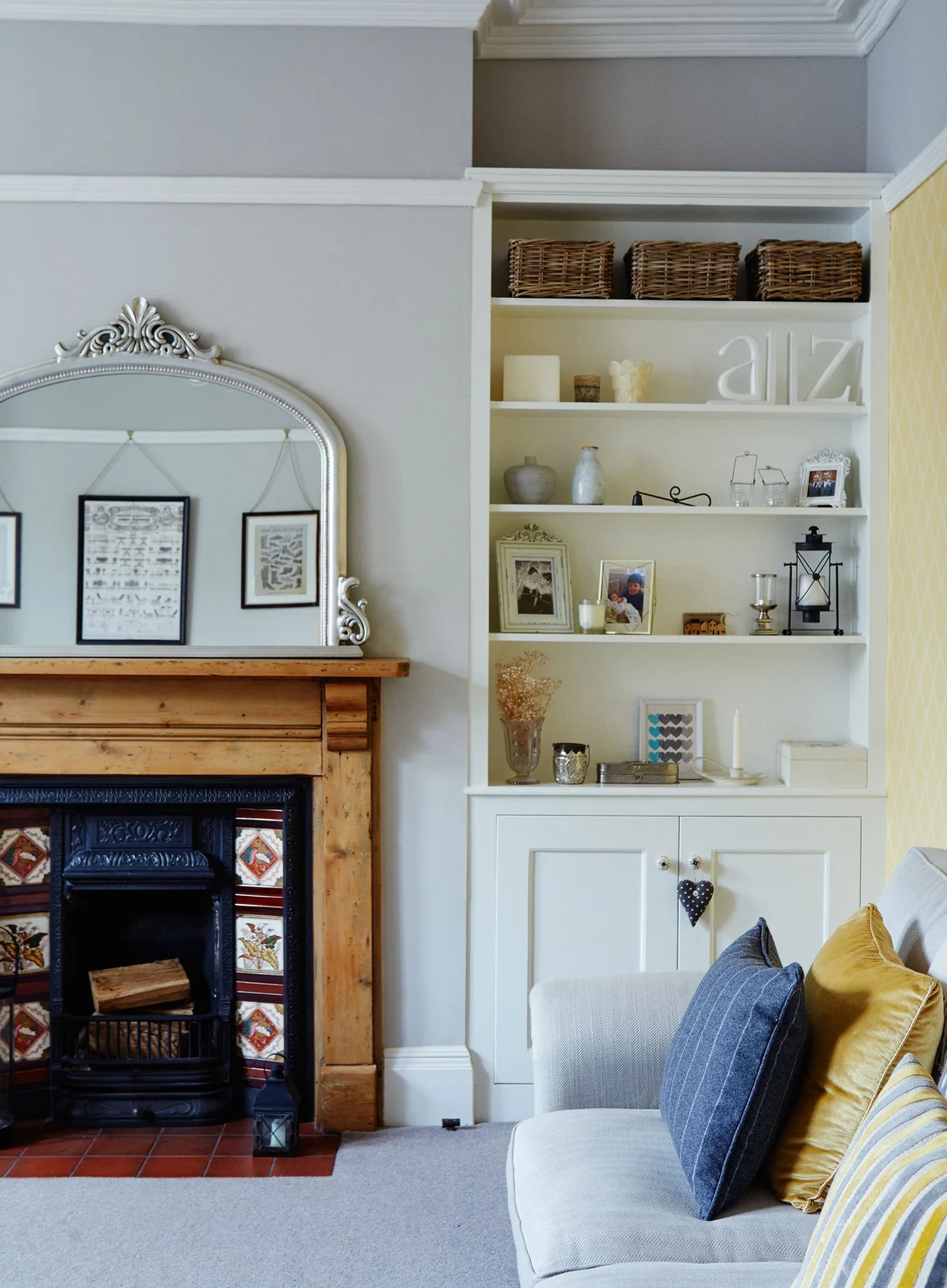
The timber surround brings warmth between the pale sofa and white alcove storage. Small patterned tiles introduce red and cream beside the dark insert, repeating colors that could easily be picked up in textiles. The mirror and shelving add height without covering the mantel’s horizontal timber grain.
Check the timber’s existing finish and condition before deciding whether to refinish it. A warm natural-looking surround can be a useful connection to furniture even when the walls stay pale. Leave the nearby shelf storage practical, and review sofa and basket positions against the fireplace’s required clearances before using the fire.
IDEA 07 / 20
Let Carved Timber Stand against a Plain Wall
 SaveSupport Non AI Creator
Image credit: Future/Kasia Fiszer
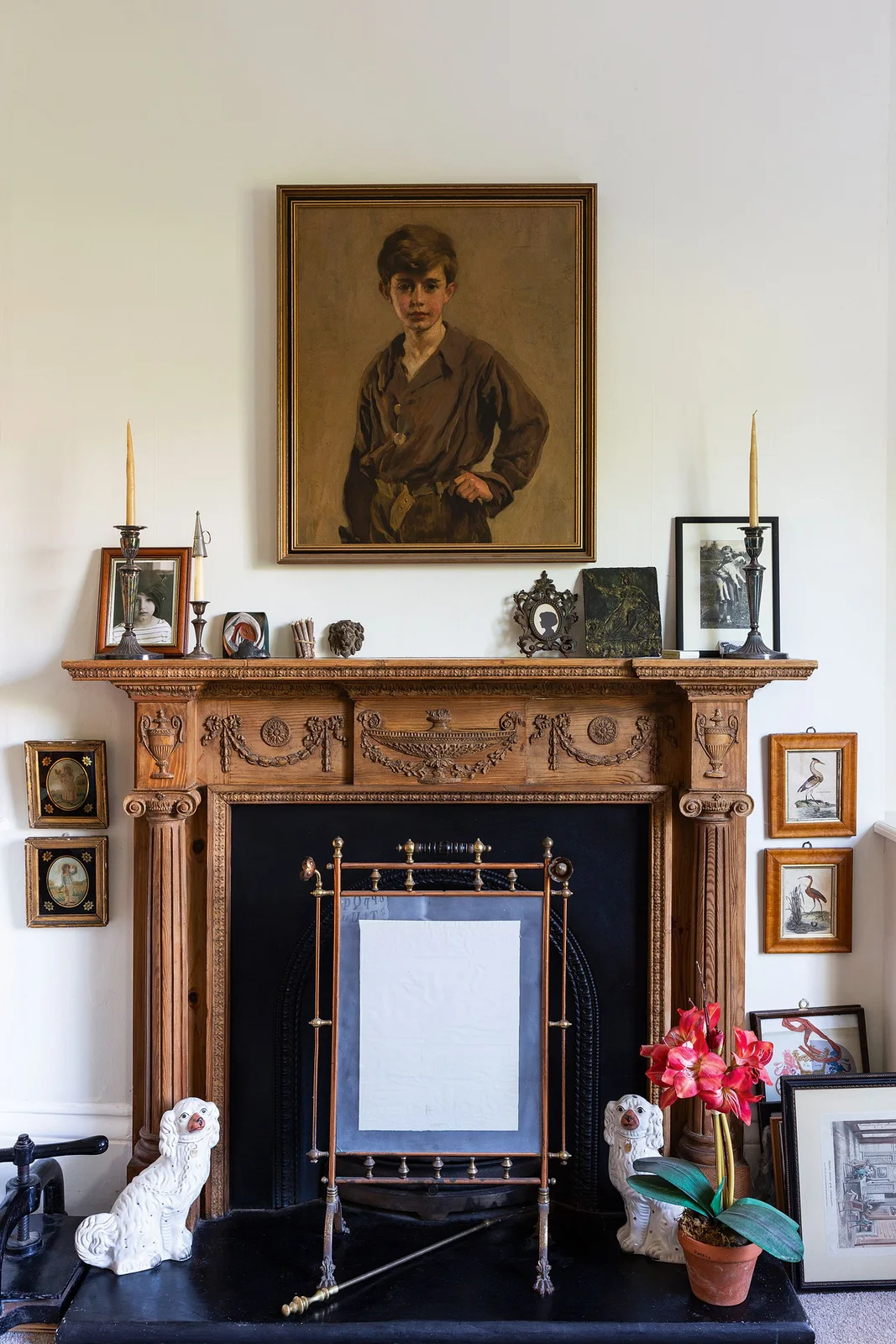
Carved swags, urn shapes and narrow columns make the timber surround the strongest detail on this plain wall. A portrait establishes a central position above it, while smaller framed pictures sit to either side. The decorative screen adds another fine outline across the dark opening without hiding the surrounding carving.
Treat intricate carving as a surface that needs careful cleaning rather than an area to fill with more ornaments. Have loose joints or damaged details assessed before applying repairs or finishes. A decorative screen is not automatically suitable protection for a working fire; confirm the correct equipment and keep framed pictures off an active hearth.
IDEA 08 / 20
Use a Pale Carved Surround with a Dark Interior
 SaveSupport Non AI Creator
Image credit: Westland London
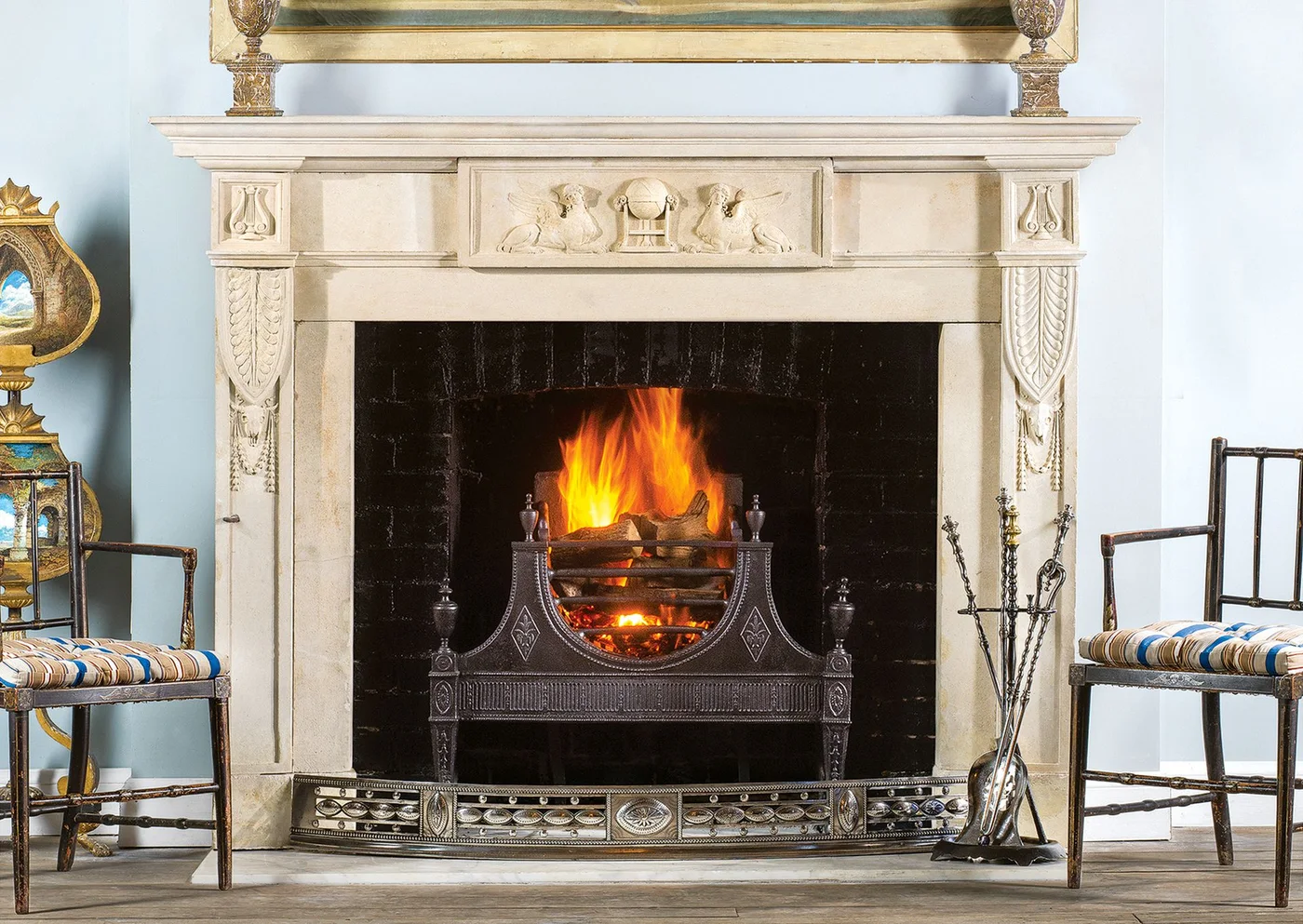
The pale surround contrasts strongly with the dark interior, making its relief motifs easier to see. Narrow carved details continue down the sides, while the grate repeats the room’s finer metalwork. The straight outer frame keeps the overall composition orderly despite the amount of decoration within it.
When choosing a reclaimed or reproduction surround, check the opening, condition, fixing requirements and weight before judging it only by ornament. Ask a specialist about compatible installation and care for the actual stone. Keep upholstered chairs beyond the required fire clearances, and choose a grate and protective equipment appropriate to the fire itself.
IDEA 09 / 20
Keep a Pale Fireplace Quiet within Patterned Seating
 SaveSupport Non AI Creator
Image credit: Brockschmidt & Coleman/Paul Costello
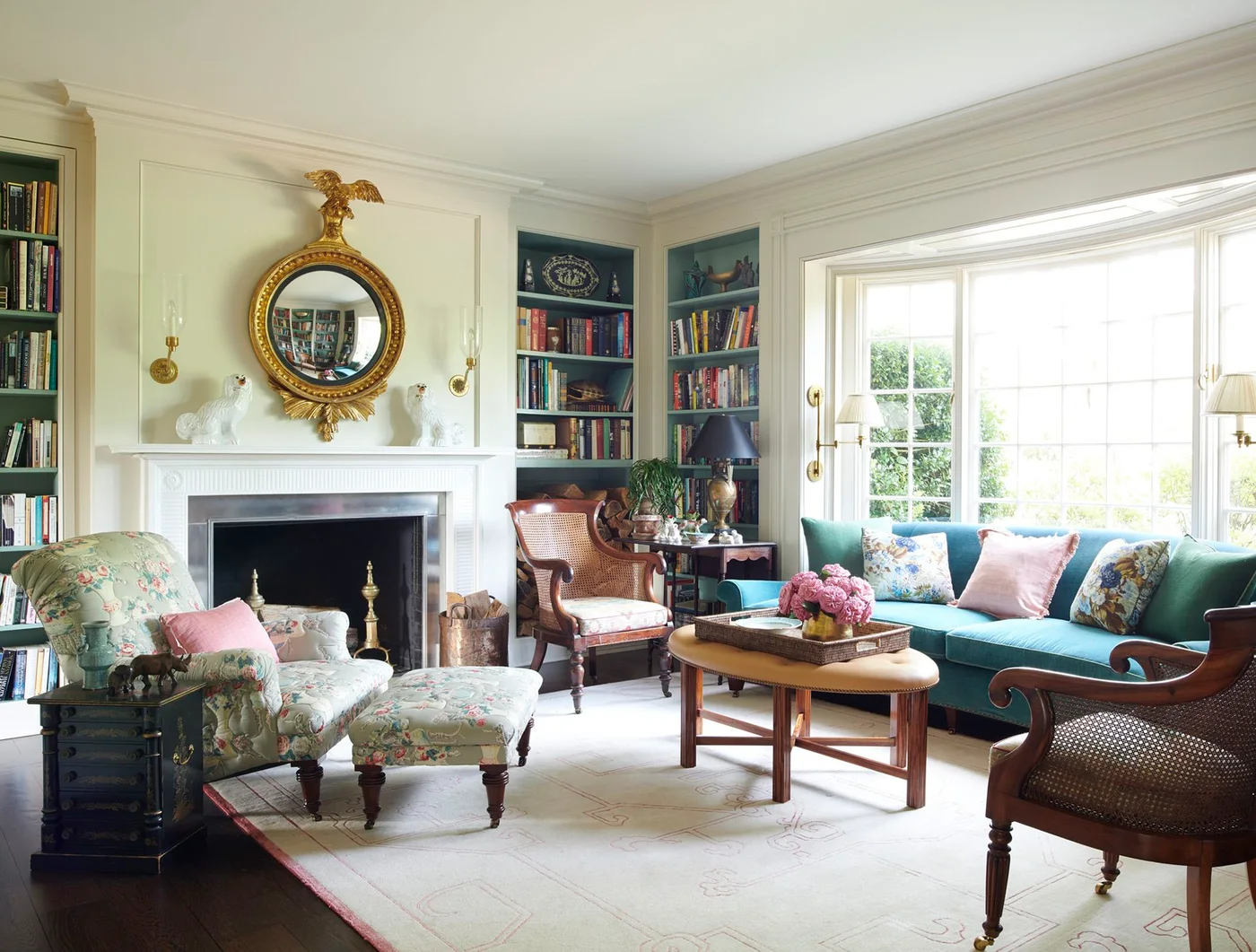
The white fireplace gives this colorful seating group a quieter center. Dark-backed bookshelves frame the pale chimney breast, while the round mirror and paired wall lights organize the upper wall. Floral upholstery, timber chairs and a green sofa add variety around that stable central arrangement.
A fireplace does not have to carry the room’s strongest pattern. Try keeping its surround simple when upholstery and books already supply plenty of detail. Plan lighting from the actual seating positions, and keep cables, lamp shades and stored belongings clear of heat rather than arranging them solely for a symmetrical view.
IDEA 10 / 20
Repeat a Muted Blue among Warmer Furnishings
 SaveSupport Non AI Creator
Image credit: Brockschmidt & Coleman/William Waldron
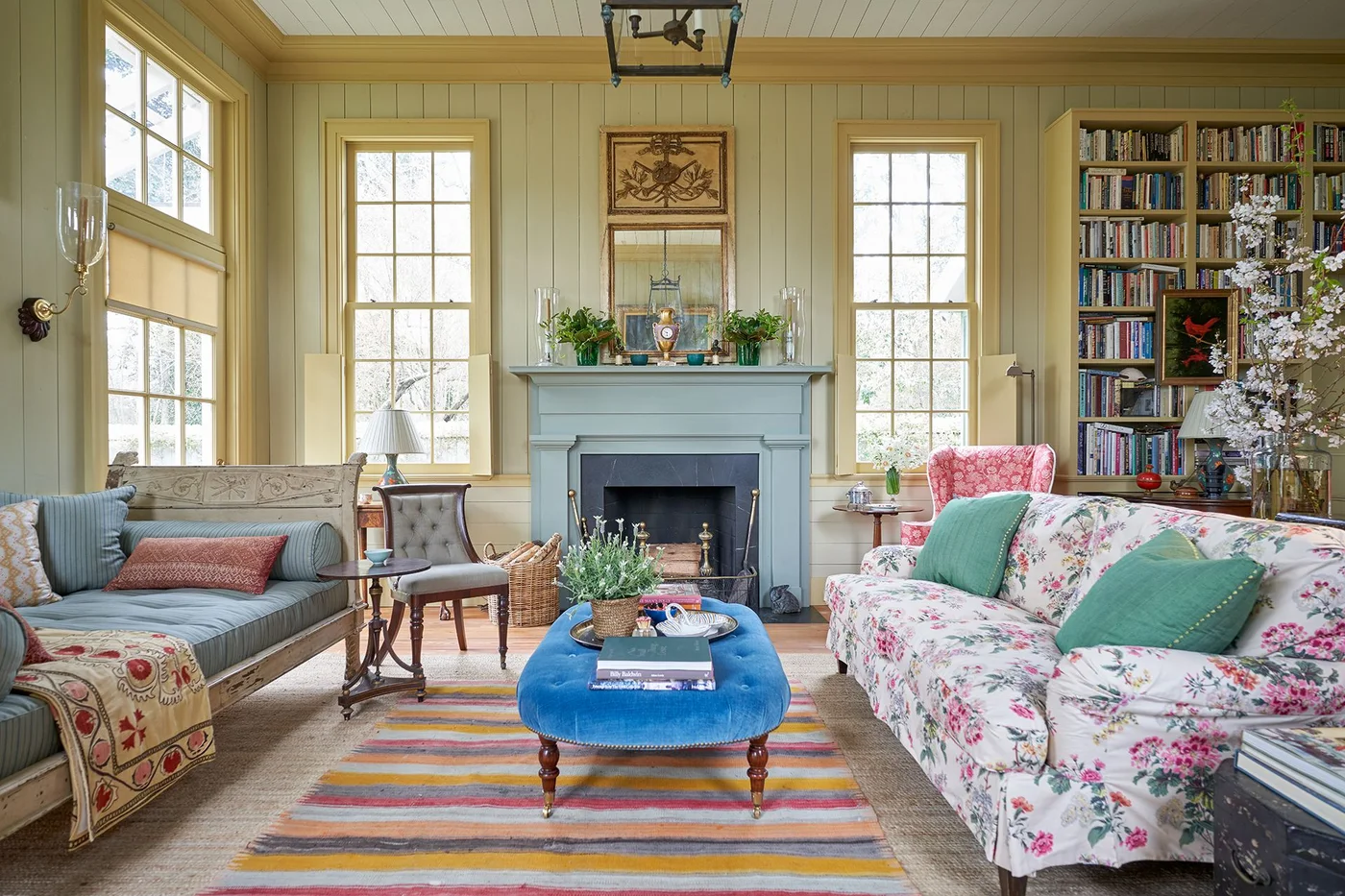
Muted blue paint gives the mantel a distinct position against the pale yellow wall boards. A brighter blue ottoman repeats the color lower in the room without matching it exactly. Floral seating and a striped rug bring pattern around a fireplace whose molding remains comparatively restrained.
Compare a painted surround sample with the wall and the largest textile patterns before choosing a shade. A related color can connect the room without requiring identical fabric and paint. Confirm that any coating is appropriate for the surface and its heat exposure, and leave a practical route between the seating and windows.
PART 03
Use paint and traditional features in different rooms
IDEA 11 / 20
Match a Shaped Mantel to a Deeper Wall
 SaveSupport Non AI Creator
Image credit: Arada Stoves
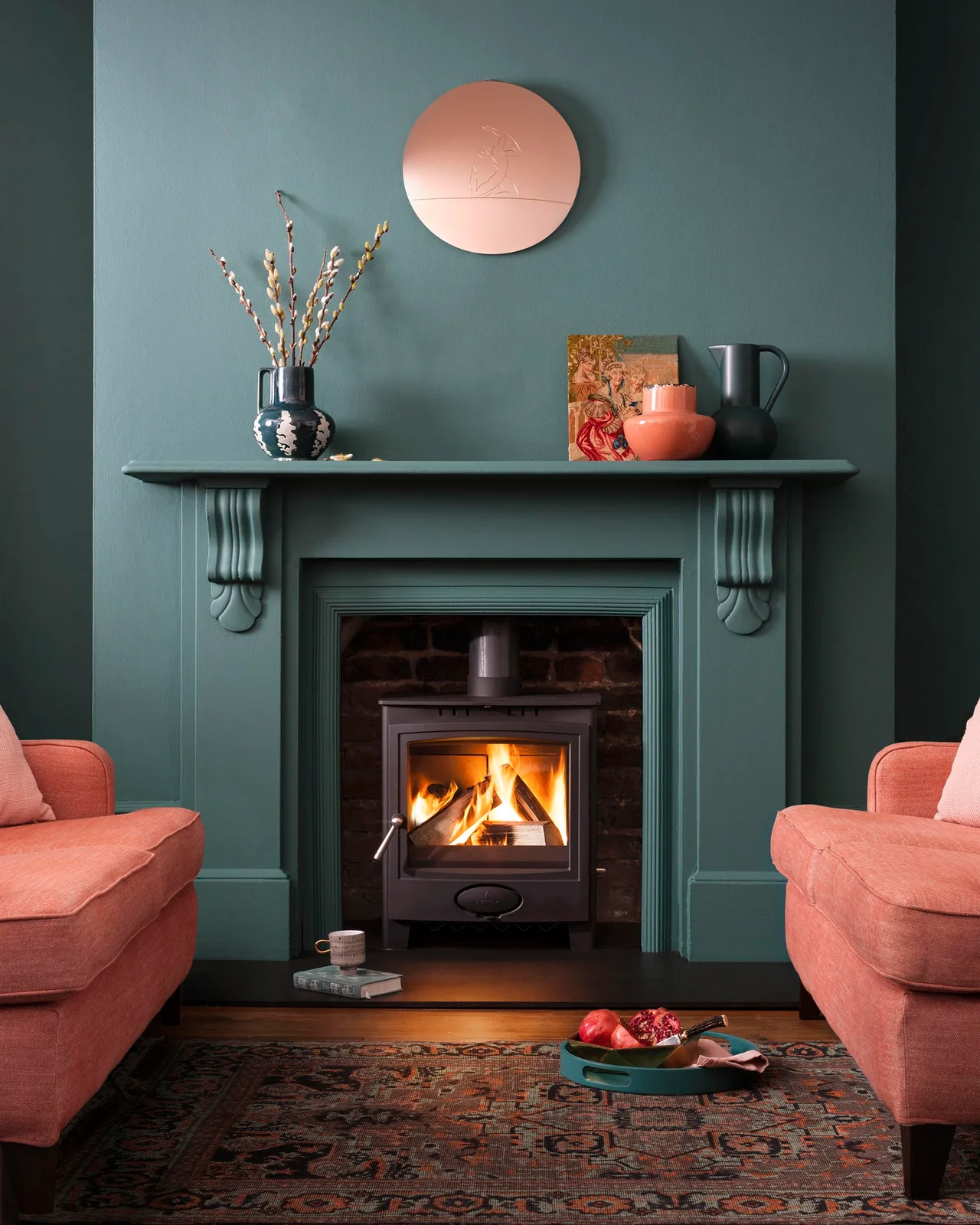
Painting the mantel and wall in the same deep teal lets the curved supports read through shadow rather than a new color. Exposed brick inside the opening adds a warmer texture around the stove. Salmon upholstery gives the surrounding seating contrast while the chimney breast stays visually unified.
Test a deep color where the mantel’s details receive less daylight, checking that you still like its profile after dark. Treat stove clearances as separate from the paint decision. Move books, drinks and soft furnishings away from the hearth before operation, and use only finishes appropriate to each part of the installation.
IDEA 12 / 20
Keep a Fireplace Visible in a Working Room
 SaveSupport Non AI Creator
Image credit: Future/Julia Currie
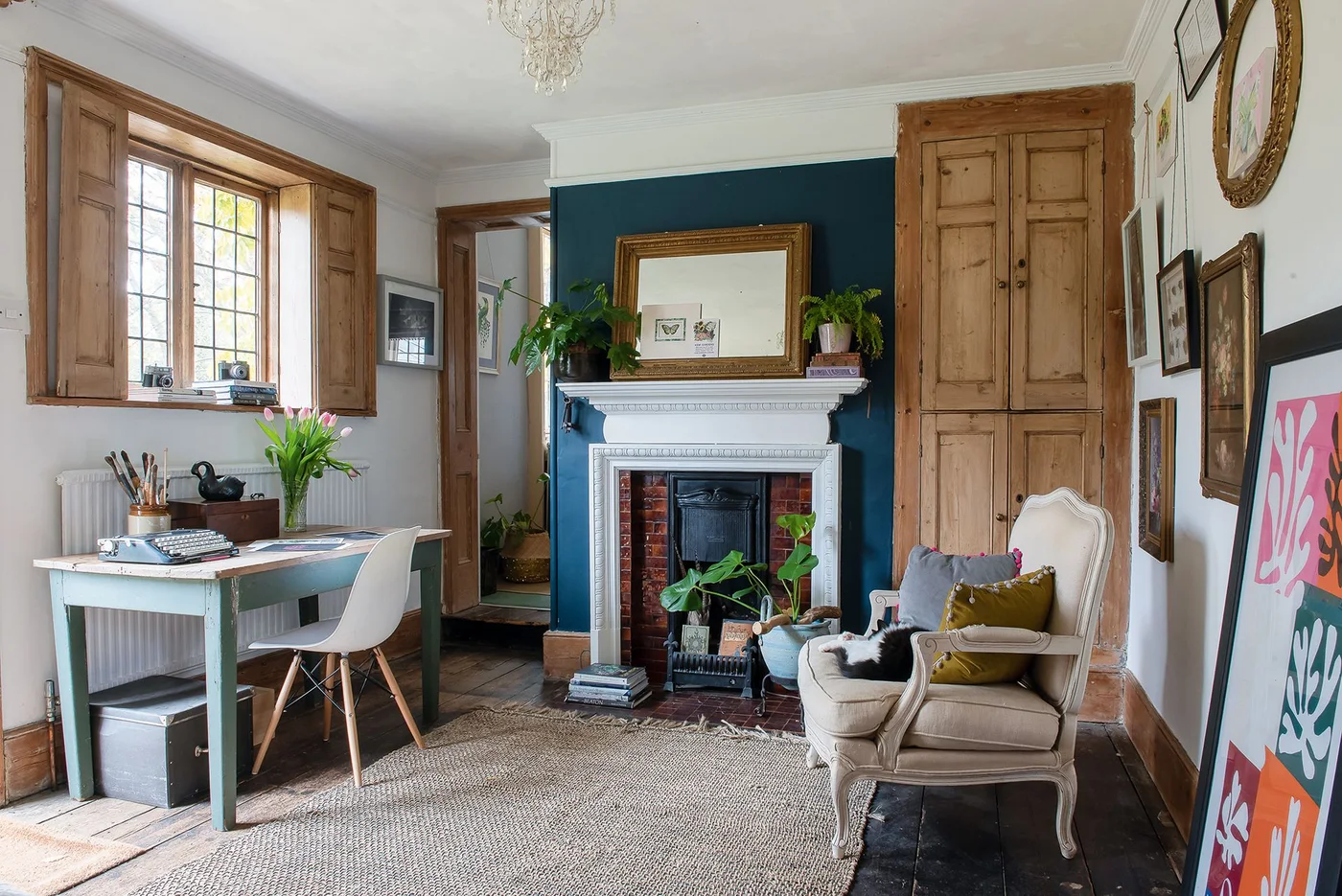
The white surround remains visible between timber shutters and a tall timber cupboard. Red tiles and the dark insert add detail within its outline, while the teal chimney breast separates it from the paler surrounding walls. A desk and upholstered chair show the feature contributing to a working room as well as a lounge.
Arrange the desk around light, seating comfort and access before adding furniture to balance the fireplace. A decorative opening can remain part of the room without being returned to use. If you intend to operate it, obtain an appropriate assessment and remove plants, books and furnishings from all required clearance areas.
IDEA 13 / 20
Keep a Smaller Dark Fireplace as a Hallway Feature
 SaveSupport Non AI Creator
Image credit: Future / Kasia Fiszer
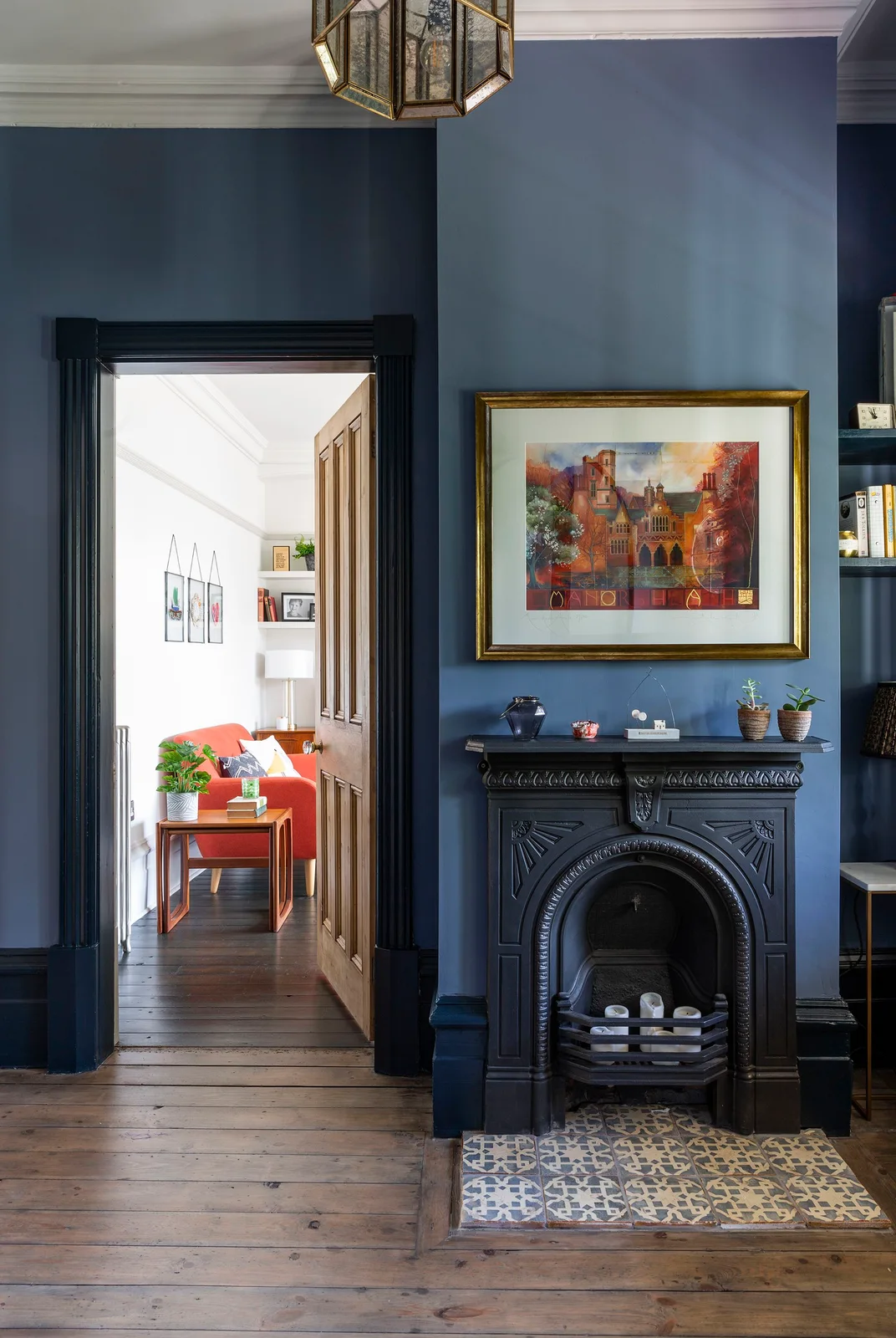
The compact dark fireplace gives the blue hallway a focal point beside the doorway. Patterned hearth tiles add a lighter rectangle at floor level, while a framed picture sits above the shelf. The repeated dark door trim connects the fireplace to the room’s other architectural outlines.
Preserve the walking route before adding plants, stools or storage around a hallway hearth. Check whether a projecting edge creates a trip point, particularly near a door. Candles in the opening are a decorative choice rather than proof the fireplace is functional; use suitable flameless options if you want the effect without an open flame.
IDEA 14 / 20
Pair a White Mantel with Broad Upholstery Stripes
 SaveSupport Non AI Creator
Image credit: Benjamin Moore
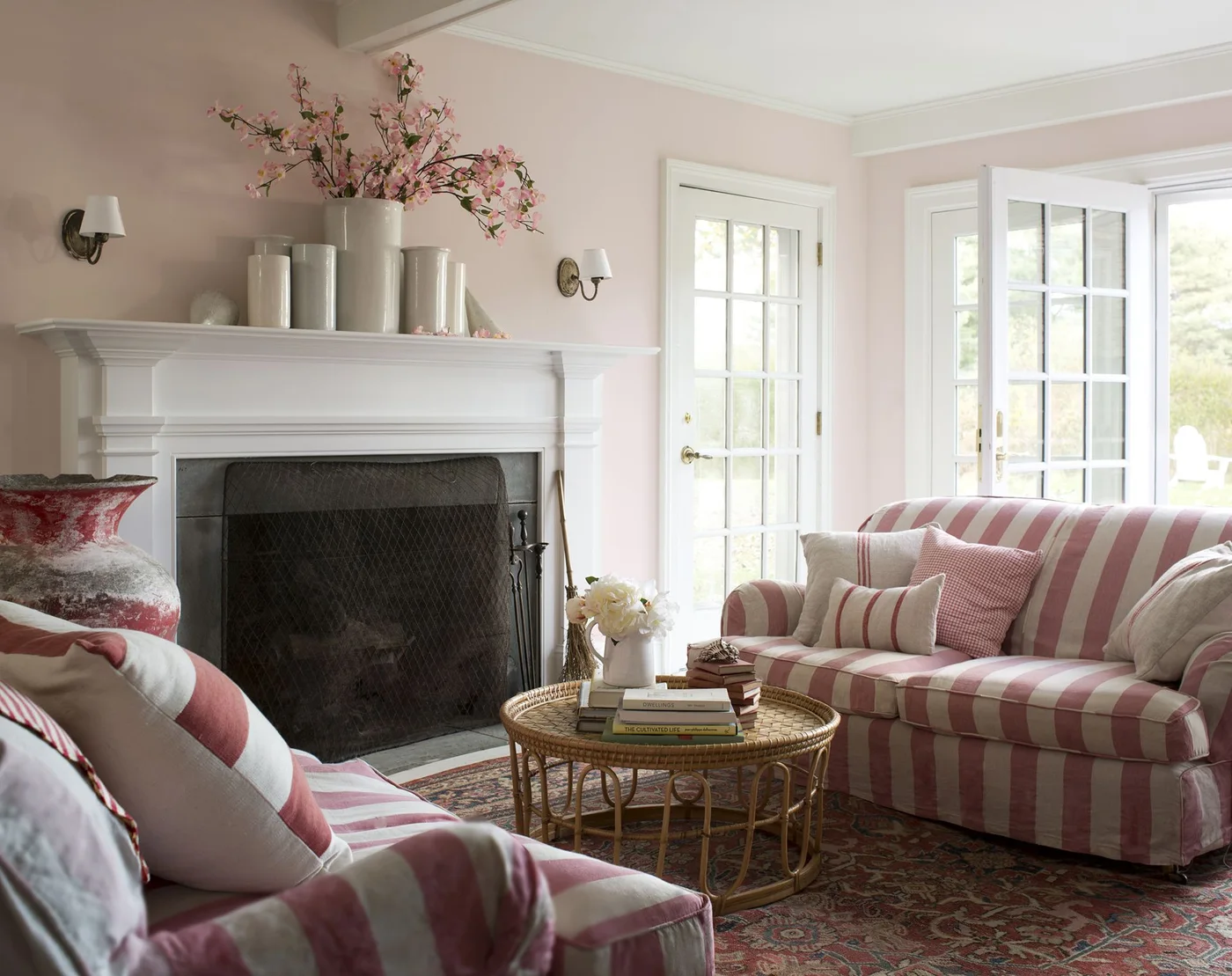
The white mantel connects with the glazed doors and trim, leaving pink walls and broad upholstery stripes to carry the color. Its straight shelf gives the tall pale vases a clear base. A woven table introduces a lighter furniture outline between the two larger striped seating pieces.
Choose the fireplace finish alongside the room’s other painted trim if you want a continuous frame around the stronger fabric. Check the height and stability of objects on the shelf. Keep upholstered seating, rugs and woven furniture beyond the fireplace’s required clearances, even when a dark screen makes the opening appear visually contained.
IDEA 15 / 20
Retain Decorative Detail outside the Living Room
 SaveSupport Non AI Creator
Image credit: Future/Colin Poole
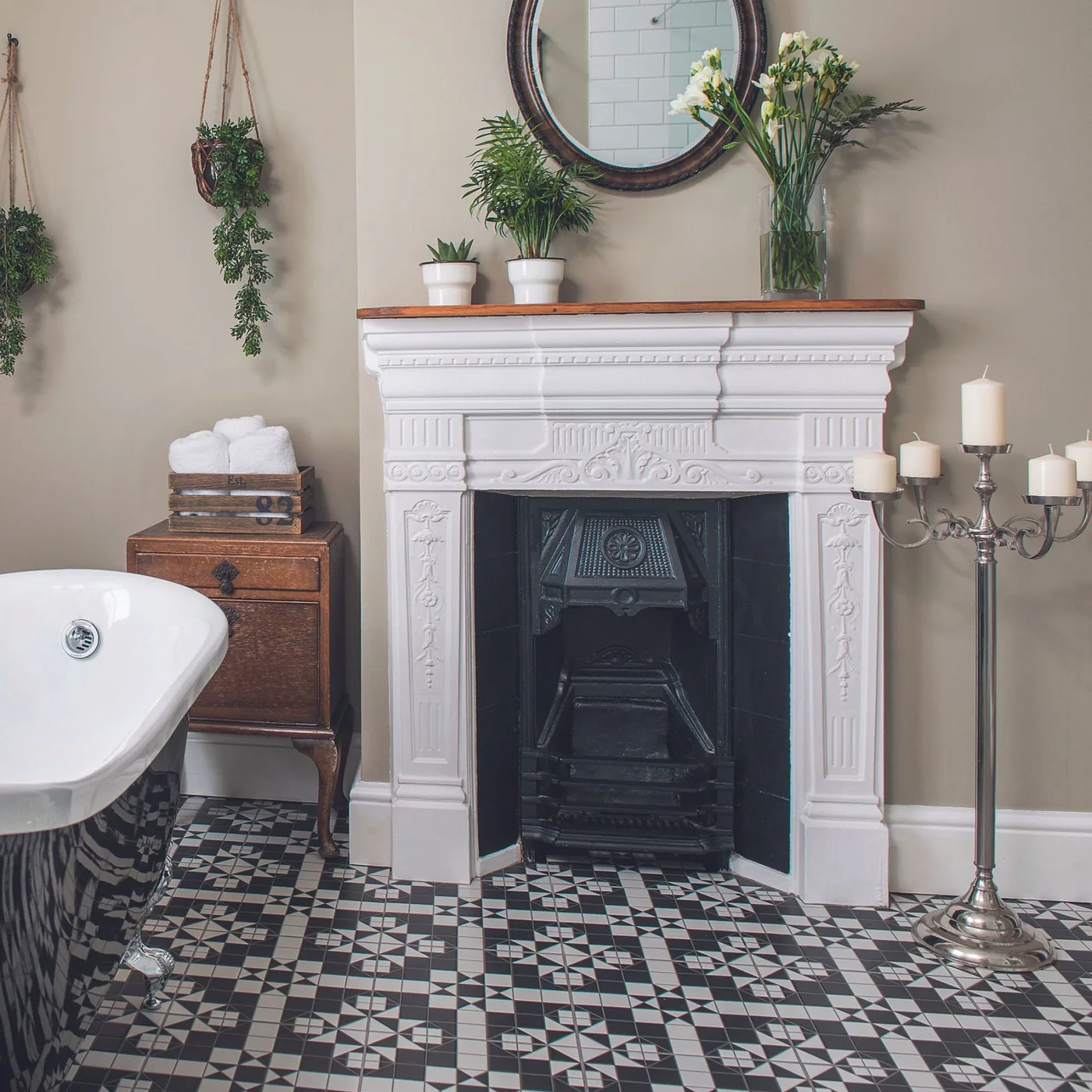
The white surround brings traditional detail into this bathroom, with a dark insert providing contrast against the pale wall. Its small relief motifs sit comfortably beside the busy floor pattern. Timber storage and a round mirror add warmer tones without covering the fireplace’s decorative front.
This photograph is useful for considering an existing decorative feature rather than adding a working fire beside a bath. Have its condition and intended use assessed before any restoration. Choose care methods suited to the actual surround material and bathroom moisture, and keep towels and storage away from heat if any heating equipment is present.
PART 04
Adapt a decorative feature to everyday life
IDEA 16 / 20
Use Color to Highlight a Decorative Mantel
 SaveSupport Non AI Creator
Image credit: Future PLC/Dominic Blackmore
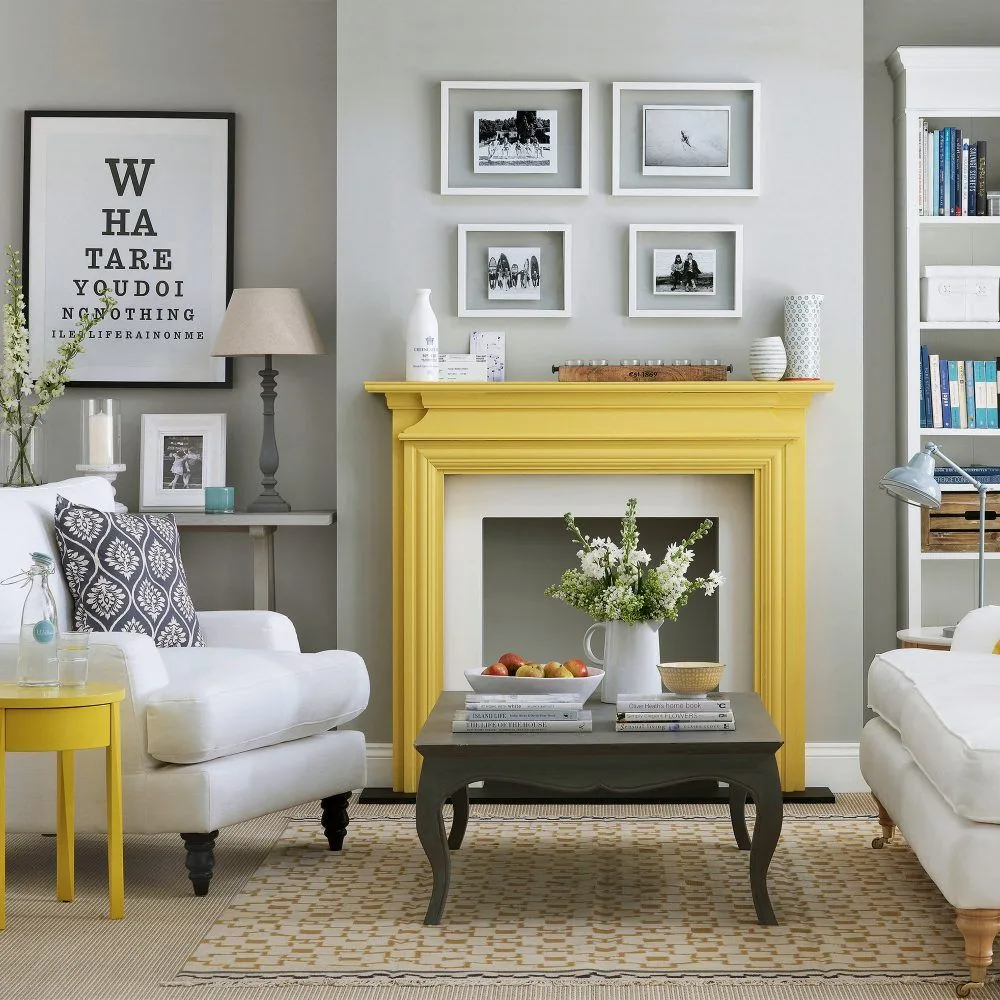
Yellow paint turns this mantel into a clear focal point against the gray wall. White seating and a pale interior keep the stronger color contained, while four framed photographs add a simple arrangement above. The dark coffee table supplies another outline without competing with the yellow frame.
A decorative fireplace gives more freedom in furniture placement, but establish its status before treating the opening as display space. Test a strong color on a sample board first and confirm the finish suits the surround. Keep the picture arrangement related to the mantel width, leaving space around the frames rather than extending into neighboring shelves.
IDEA 17 / 20
Keep an Inglenook’s Rough Texture Exposed
 SaveSupport Non AI Creator
Image credit: Future
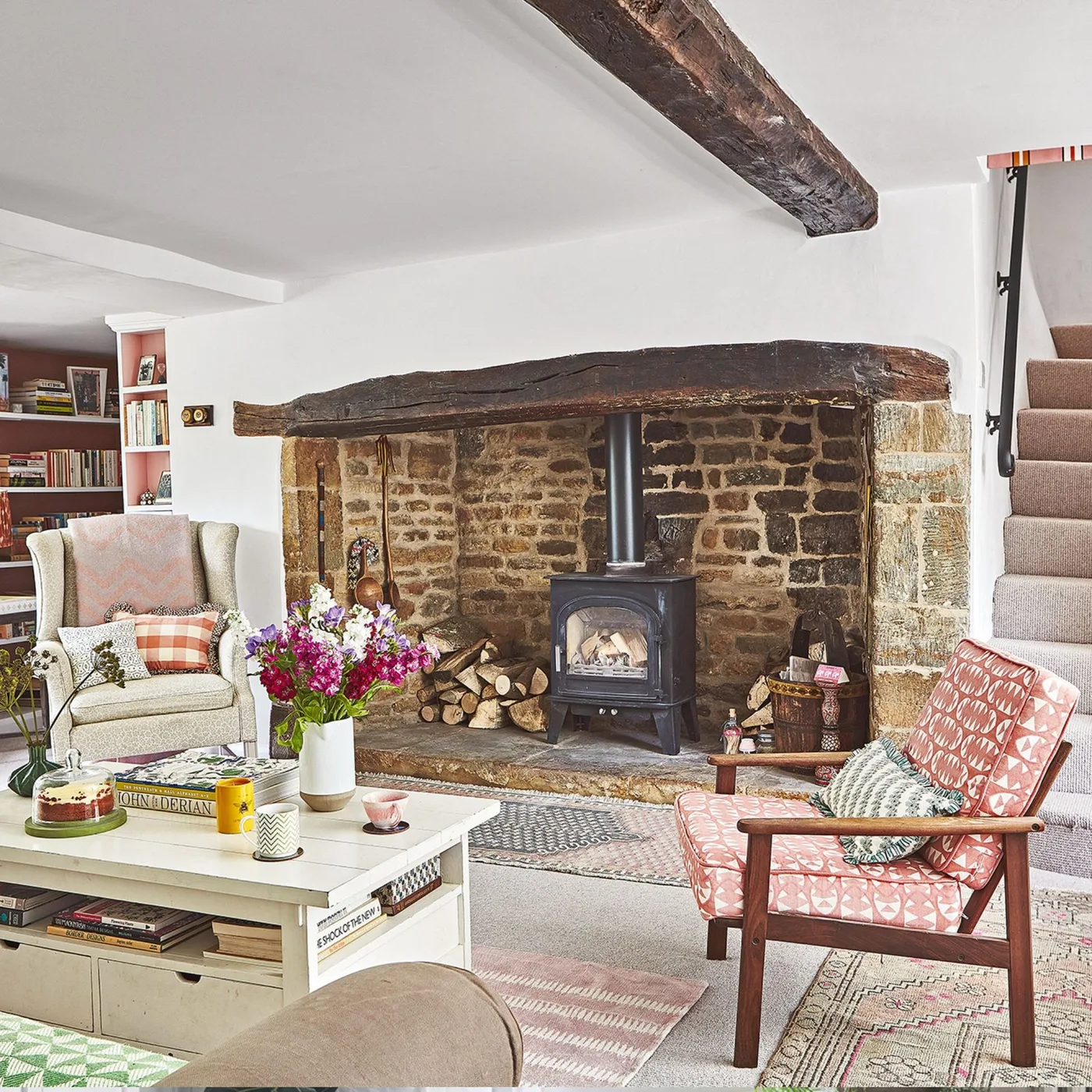
Rough stone and a broad timber beam give this fireplace a different character from a slim molded mantel. The stove stays a simple dark shape within the opening. Patterned armchairs and smaller rugs add softness around the masonry, while the pale wall above keeps its outline easy to read.
Ask an appropriate specialist to assess the opening, hearth, beam and stove installation before making changes. Do not infer safe timber or log-storage distances from the photograph. Our stone fireplace ideas compare smoother and rougher surrounds if you want to retain masonry texture while changing the surrounding room’s furniture or color.
IDEA 18 / 20
Keep a Brick Opening Distinct from Pale Walls
 SaveSupport Non AI Creator
Image credit: Future
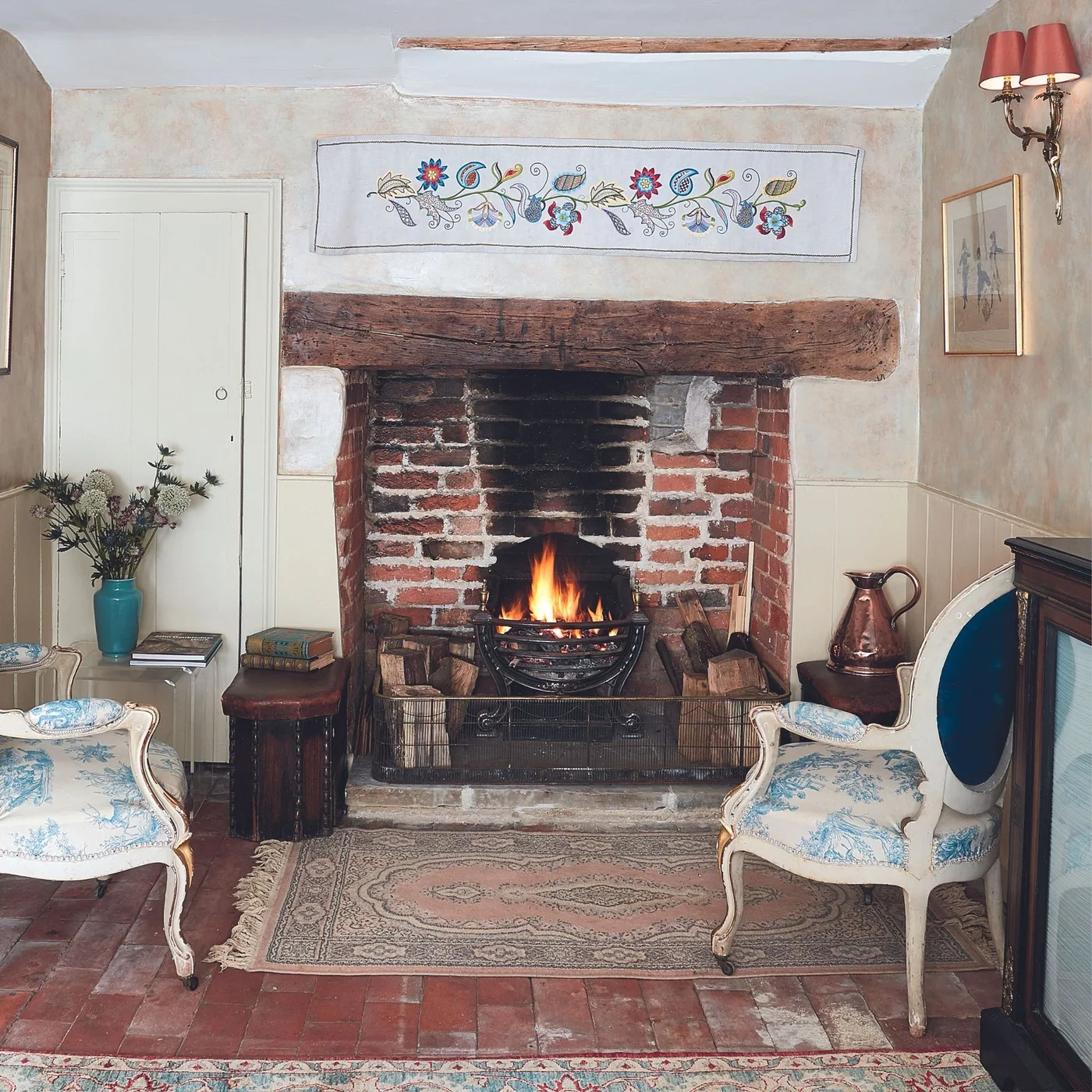
Red brick and the rough timber lintel provide a warm center within the pale walls. A decorative floral panel adds color higher on the chimney breast, while the curved chairs introduce a more delicate shape beside the broad opening. The brick floor continues the warmer tones at ground level.
Keep the existing masonry’s condition and any building requirements central to restoration decisions rather than trying to reproduce age with a surface treatment. Have the fireplace and lintel assessed before use or alteration. Keep logs, rugs and upholstered chairs outside the required clearances, even where a broad opening seems to offer spare space.
IDEA 19 / 20
Connect a Dark Stone Mantel with Built-In Storage
 SaveSupport Non AI Creator
Image credit: Sharps
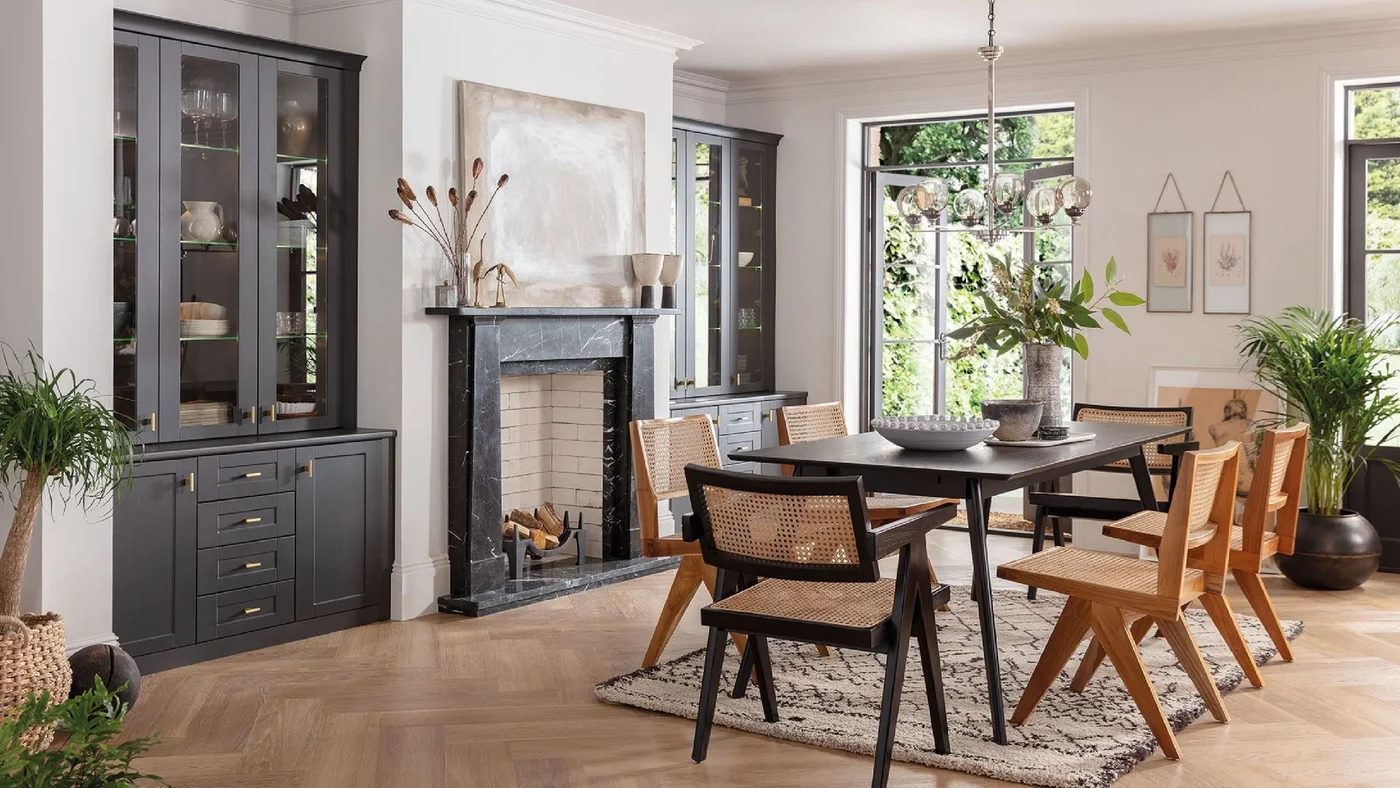
The dark mantel and adjoining glass-front cupboards create a connected group across this dining-room wall. Pale brick inside the opening adds a lighter center, while the straight surround suits the room’s simpler furniture. Timber and woven chair details soften the contrast between dark storage and pale walls.
Compare the mantel with the nearby cupboard finish before deciding whether they should match closely or differ slightly. Our neutral sitting room ideas show other ways to balance dark outlines with pale surfaces. Keep dining-chair routes clear of the hearth and confirm the fireplace’s status before using its opening for decorative logs.
IDEA 20 / 20
Mix a Traditional Surround with Simpler Furniture
 SaveSupport Non AI Creator
Image credit: Renaissance London
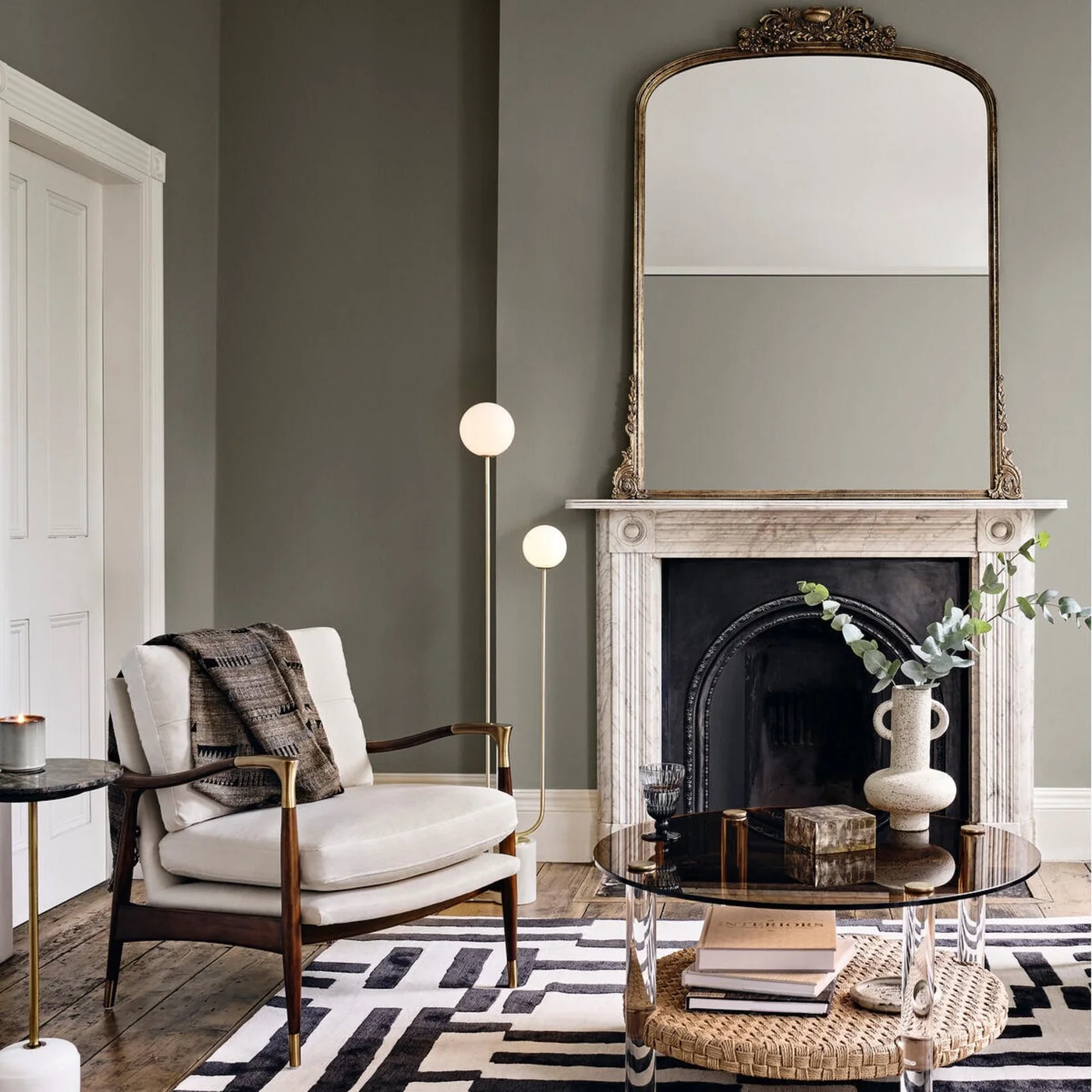
The pale veined surround and dark arched insert bring traditional detail beside the simpler cream chair. A tall mirror echoes the arch without repeating every decorative line. Muted green walls and a graphic rug give the room a different character from a fully matched period furniture arrangement.
Keep the surround’s proportions in mind when introducing contemporary furniture: check table height, chair comfort and the view from the doorway together. Secure the mirror correctly, and choose care products for the actual stone finish. If the fire is used, move the table, chair and decorative objects beyond its required clearances first.
BRING IT ALL TOGETHER
Start with the fireplace you actually have
Record the surround’s dimensions, condition and visible details before choosing paint, tile or replacement parts. An appropriate specialist can distinguish repairs from decorative changes and assess any proposed return to use. Keep sound original features where practical instead of assuming every older-looking surface needs to be stripped or covered.
Plan furniture, storage and mirrors around the whole room, keeping clear routes and appropriate fixing methods. For an active fireplace or stove, follow the specific installation and clearance requirements rather than the proportions of a styled photograph. Decorative openings can still provide a focal point without becoming a working fire.