Vintage fireplace ideas can begin with a feature already in the room: a carved mantel, a patterned tile border or an arched insert worth keeping. They can also draw on retro colors and furniture shapes in a newer scheme. The useful starting point is deciding which detail you want to preserve or introduce, then giving it room to be seen.
These photographs include retained and reclaimed features alongside clearly described retro-inspired interiors. Their appearance does not prove an exact age, material or safe working condition. Use the visible arrangements for inspiration while checking provenance, conservation needs and any proposed appliance installation separately.
PART 01
Give retained and reclaimed details room to show
IDEA 01 / 15
Give a Carved Timber Surround a Quiet Background
 SaveSupport Non AI Creator
Image credit: Future/Kasia Fiszer
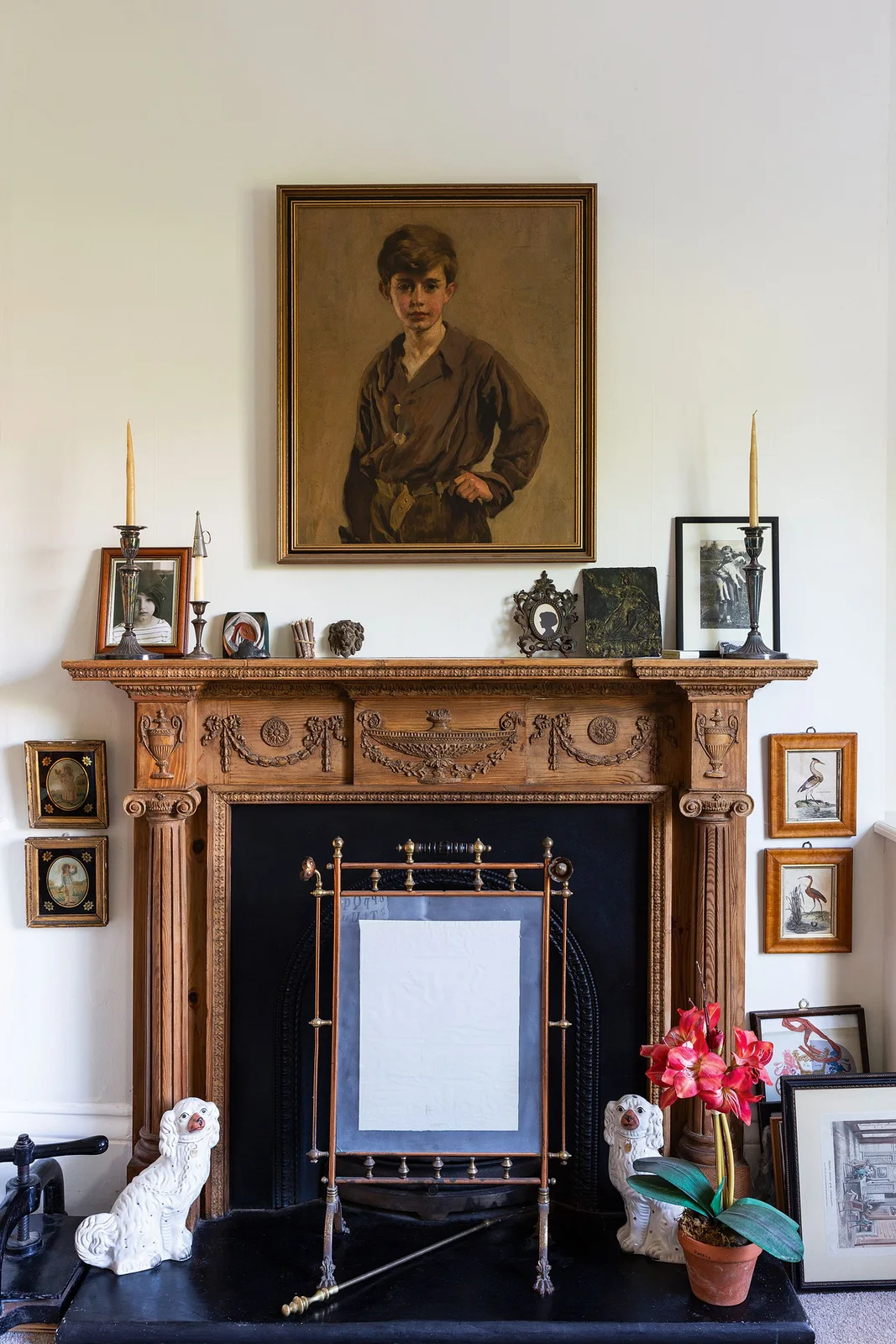
Carved garlands, columns and a broad shelf give this timber surround plenty of detail before any ornaments are added. The pale wall makes the carving easy to see. A portrait above and smaller pictures at either side create a collected arrangement rather than matching every frame.
If you are keeping or buying an older surround, have its condition and proposed installation checked before making repairs or adding heat nearby. Use cleaning methods appropriate to its finish. The screen shown is decorative; do not assume a display piece provides the protection required for a working fireplace.
IDEA 02 / 15
Let Colored Tile Show beside a Pale Mantel
 SaveSupport Non AI Creator
Image credit: Future
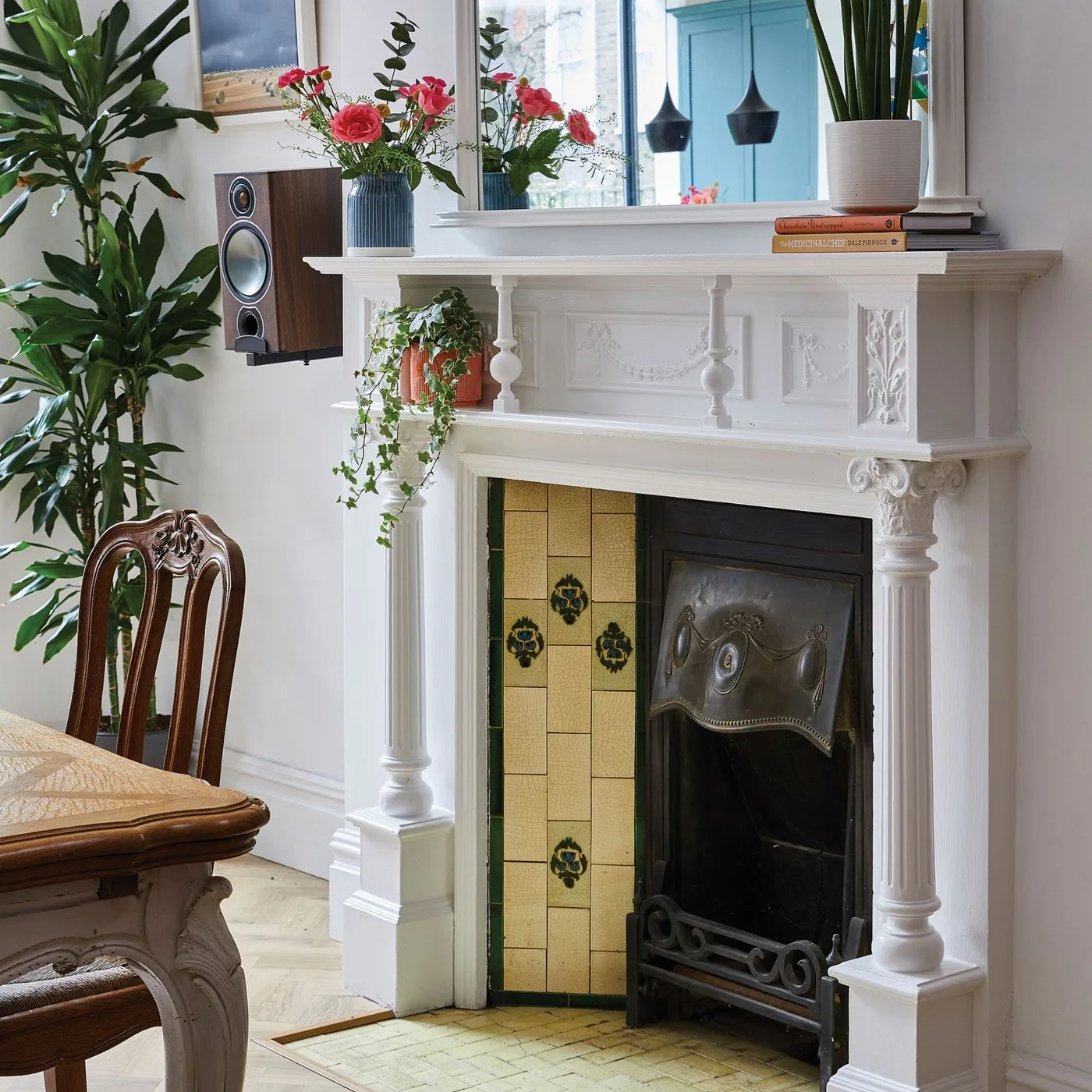
Yellow tiles and a dark inner insert remain visible within the pale columned surround. Small patterned panels give the border a different rhythm from the carved mantel above. Timber dining furniture and plants add other layers without concealing the fireplace’s narrower decorative details.
Protect existing tiles when moving furniture or working on nearby walls, and ask an appropriate specialist about repairs before replacing damaged pieces. Keep plant watering separate from the mantel finish. For an active fireplace, confirm the insert, flue and clearances independently of the surrounding period-style decoration.
IDEA 03 / 15
Preserve a Floral Tile Border as the Main Pattern
 SaveSupport Non AI Creator
Image credit: Future/Julia Currie
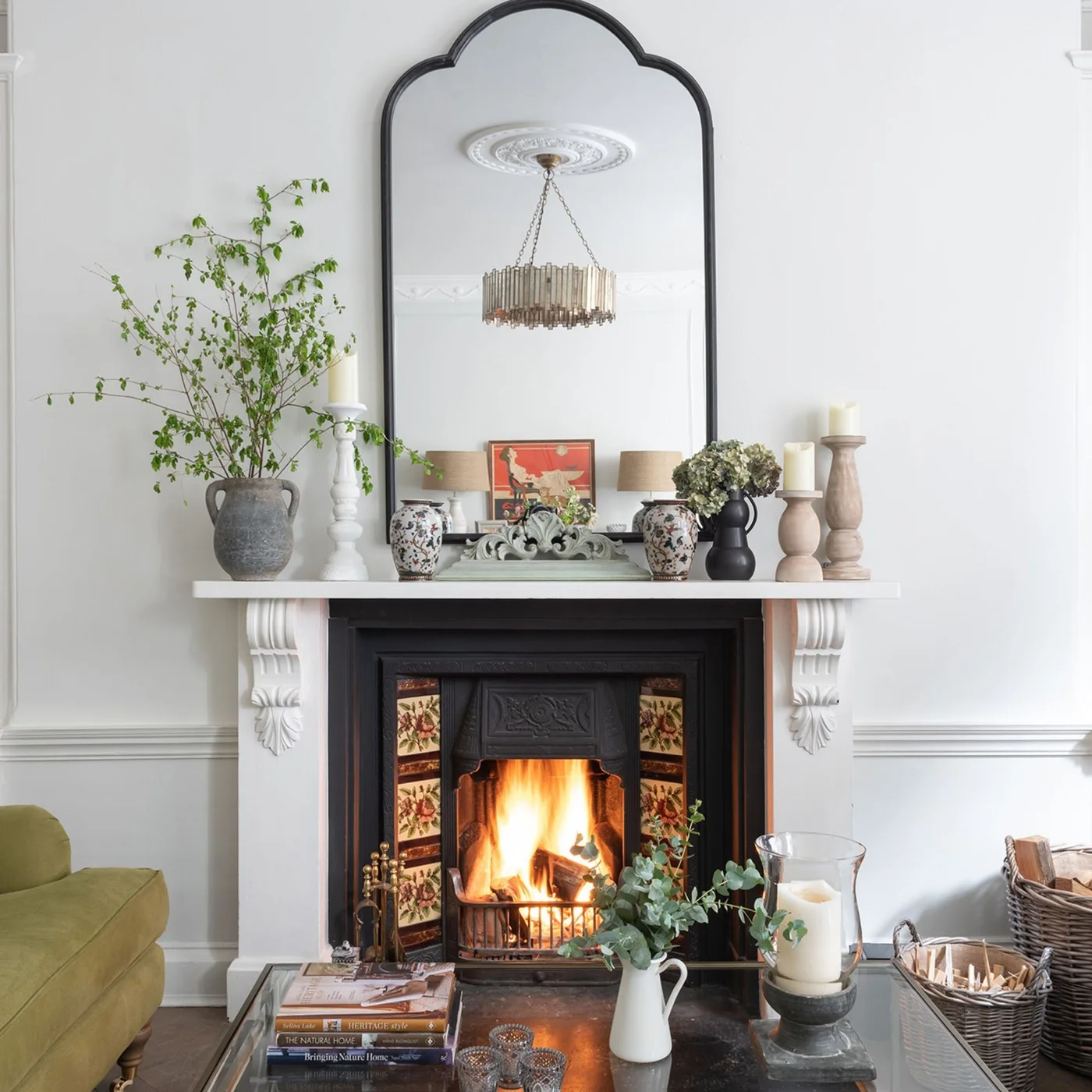
Small floral tile panels bring color into the border around this dark opening. A pale carved surround frames them, while the tall mirror repeats a curved outline higher on the wall. The tile pattern is concentrated in a narrow area, leaving the rest of the room able to stay quieter.
Record the tile arrangement before any repair work and seek suitable advice for cleaning or conserving original pieces. Our traditional fireplace ideas show other ways to work around decorative surrounds. Keep baskets, furniture and display objects beyond the clearances required for actual use, regardless of how closely they are staged in a photograph.
IDEA 04 / 15
Keep a Dark Arched Fireplace Visible in the Hall
 SaveSupport Non AI Creator
Image credit: Future / Kasia Fiszer
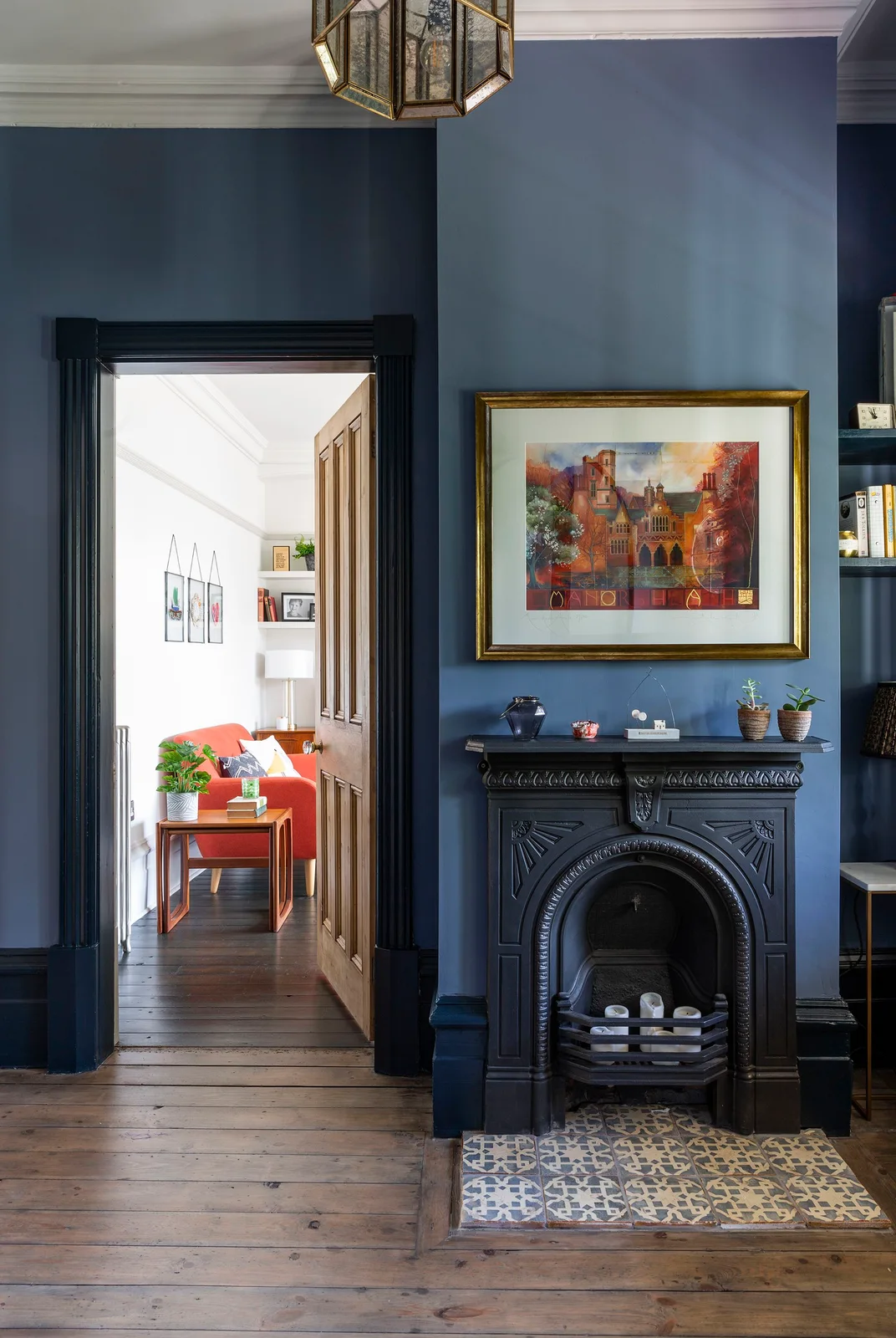
The arched opening and raised decoration remain distinct even though the fireplace is dark against a deep blue wall. A patterned hearth brings detail down to floor level. The adjacent doorway shows how a retained fireplace can contribute character to a circulation space as well as a sitting room.
Keep the hearth edge and doorway route clear rather than filling a narrow hall with extra display furniture. Check the condition of the fireplace and floor before any change of use. Candles in an opening are decorative staging, and a retained grate does not establish that the fireplace is ready to operate.
IDEA 05 / 15
Leave Space around a Detailed Stone Surround
 SaveSupport Non AI Creator
Image credit: Westland London
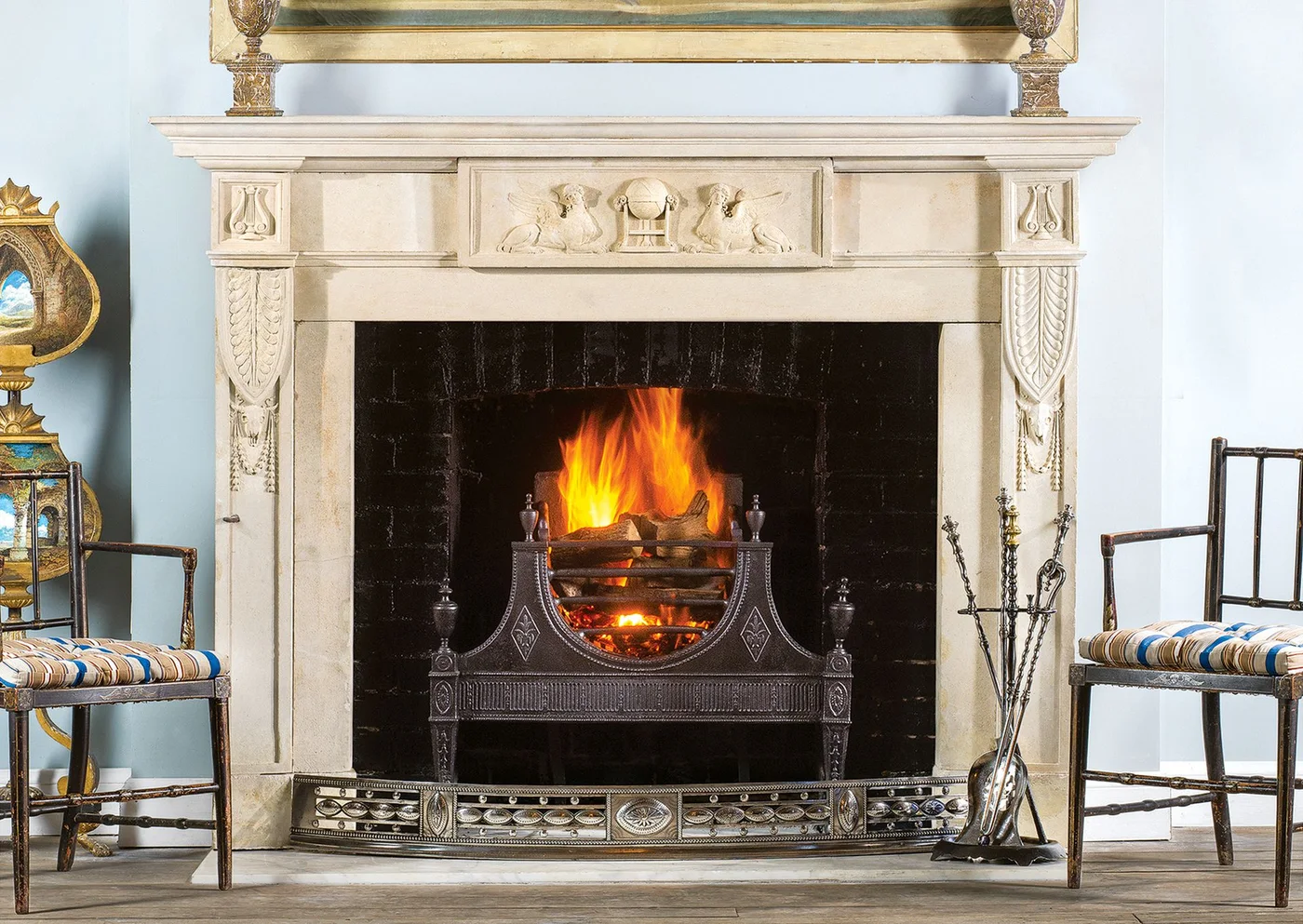
Small carved figures and leaf motifs give the pale stone surround its character, while the darker grate supplies another layer of detail inside it. Pale blue walls provide a simpler background. Slender chairs on either side keep more of the carved uprights visible than bulky cabinets would.
For a reclaimed surround, confirm provenance, condition, dimensions and installation requirements with the supplier before purchasing. Have heavy components properly supported and fitted. Keep chairs outside the clearances needed for a working fire, and use a stone-cleaning method suited to the confirmed material rather than treating every pale surface alike.
PART 02
Use color around decorative and period-style features
IDEA 06 / 15
Keep a Retained Fireplace as Bathroom Character
 SaveSupport Non AI Creator
Image credit: Future PLC/David Giles
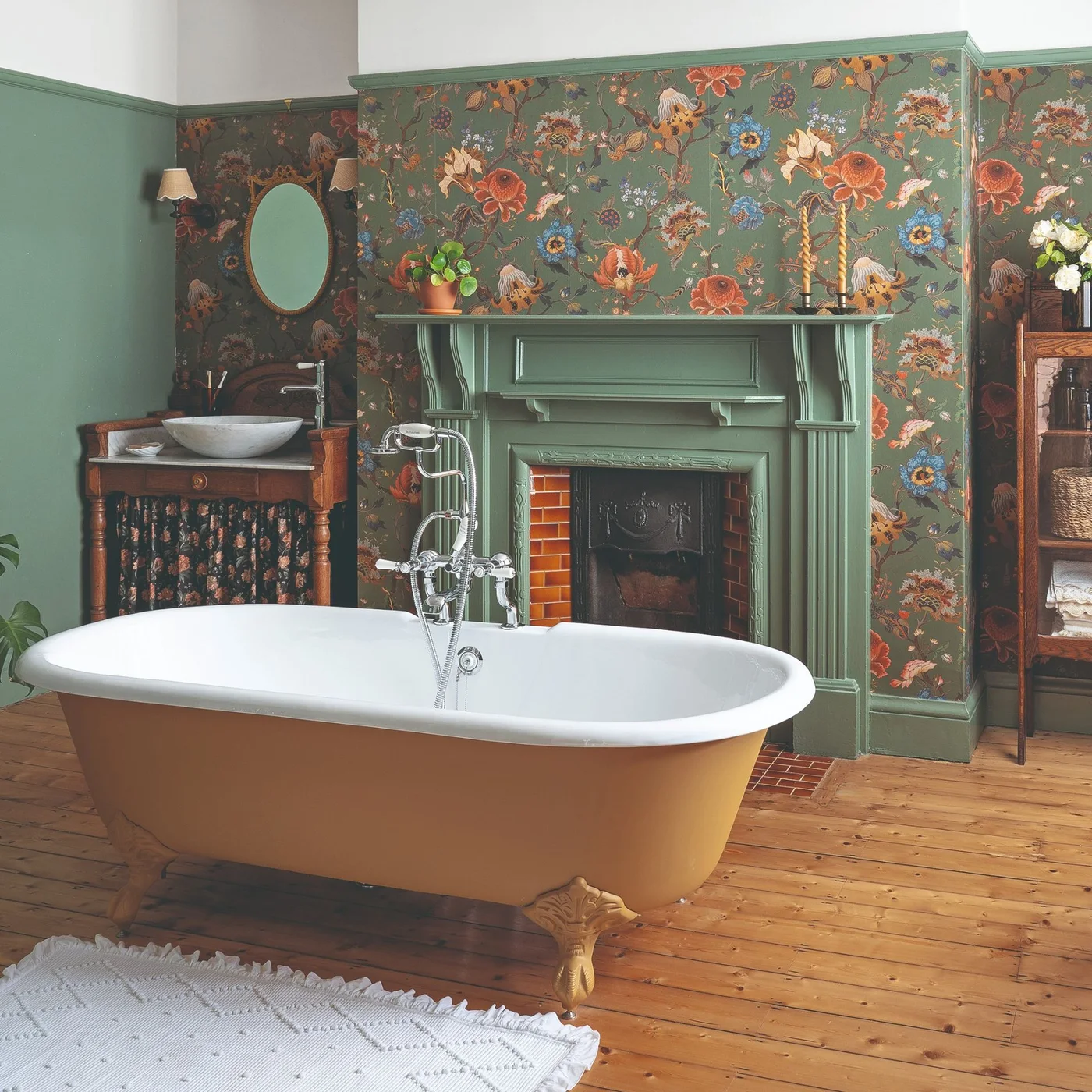
Green paint connects the mantel with the surrounding floral wallpaper, allowing a detailed feature to sit within an already patterned bathroom. The warmer tile border and bath exterior provide contrast. A timber basin stand repeats the collected character without needing to match the fireplace surround.
Treat this as an example of retaining a decorative feature, not as a plan for installing a working fire beside a bath. Check ventilation, moisture resistance and existing finishes before adapting a room. Keep the mantel accessible for drying and cleaning, and have any electrical or heating changes assessed for the bathroom location.
IDEA 07 / 15
Pair an Ornate Pale Mantel with Newer Color
 SaveSupport Non AI Creator
Image credit: Future PLC/David Giles
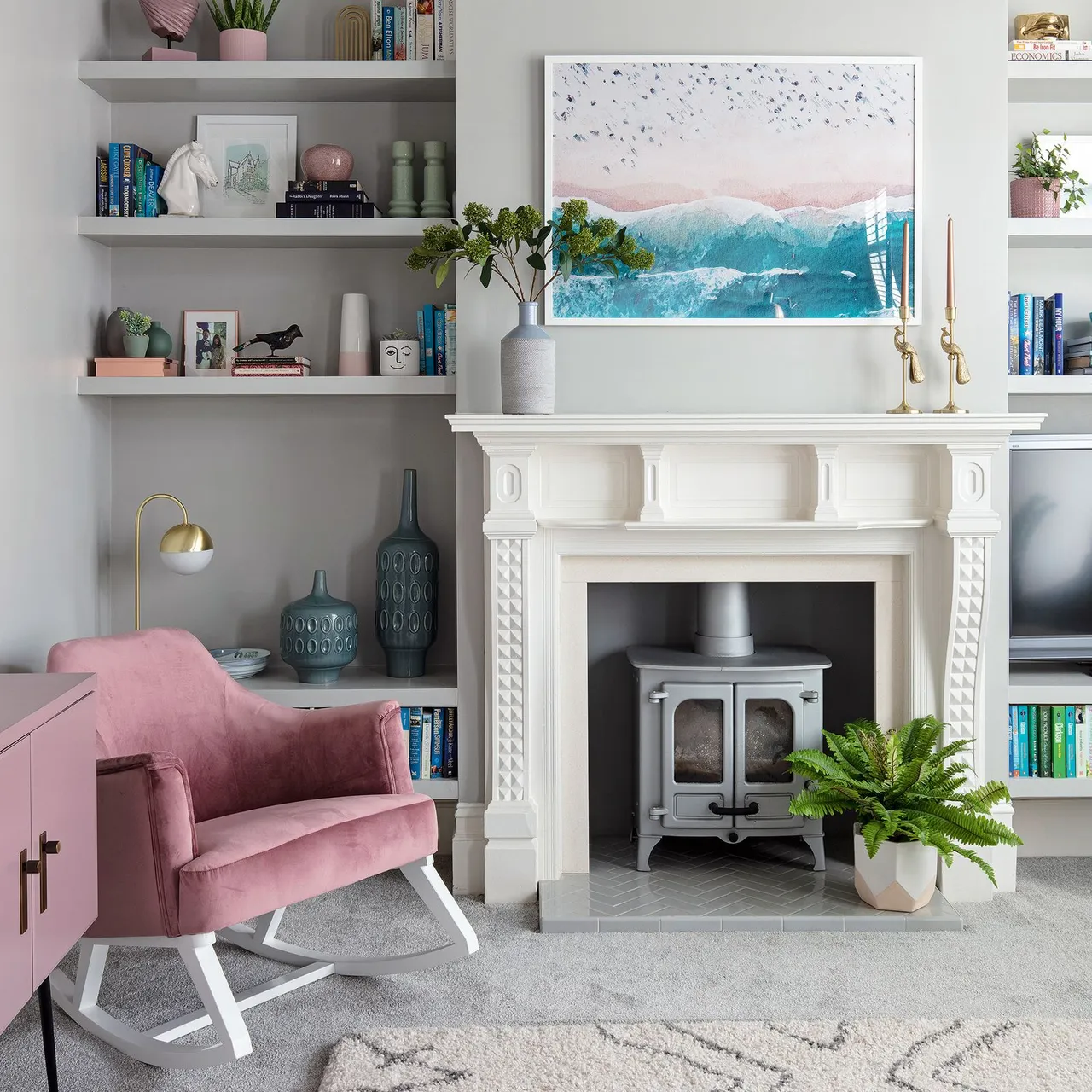
The pale mantel’s geometric carving remains the strongest detail around the stove. Gray walls and shelves give it a quieter background, while the pink chair and colorful artwork introduce a newer layer. The setting shows how period-style features can stay visible without furnishing the whole room in one era.
Check stove compatibility and the required clearances before adapting an existing surround; its original opening may not suit the proposed appliance. Move the chair and fern as necessary for safe operation. Keep the shelving useful and accessible, and repeat a few colors rather than filling every shelf with ornaments.
IDEA 08 / 15
Use Strong Color in a Decorative Opening
 SaveSupport Non AI Creator
Image credit: Future PLC
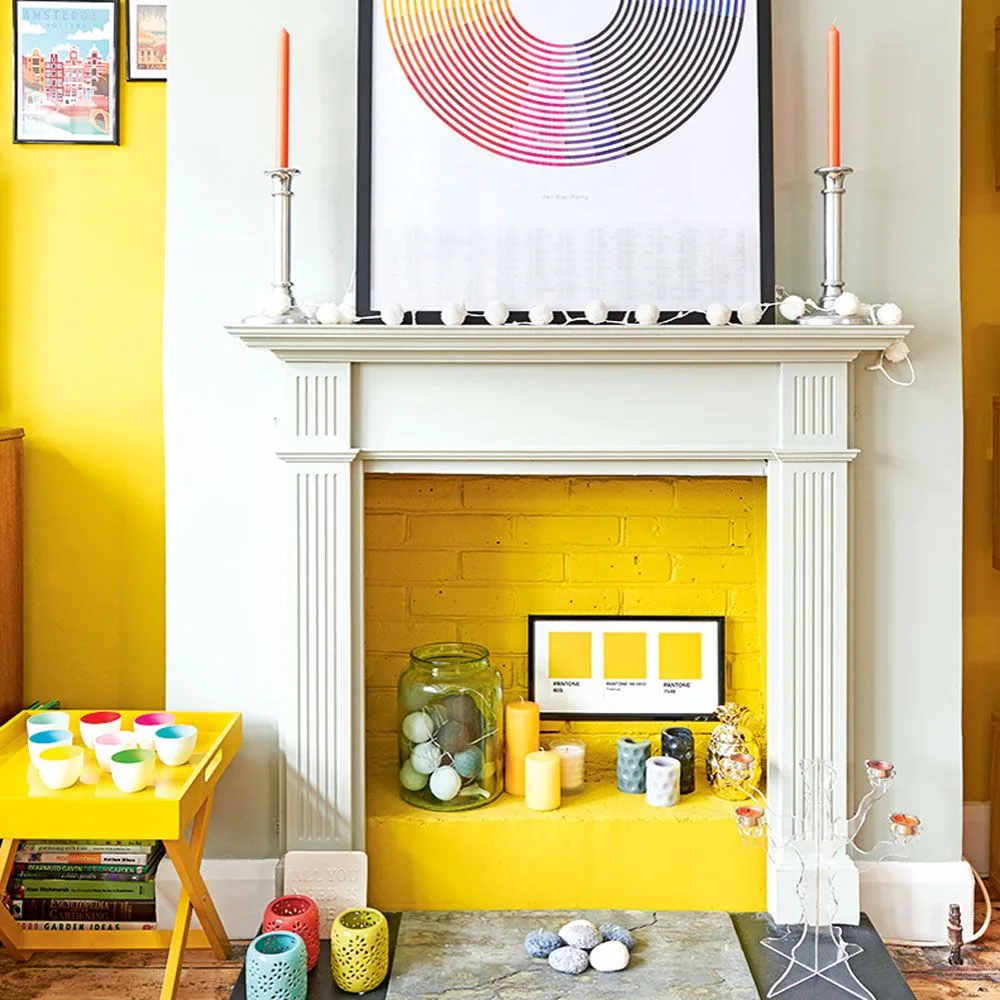
Bright yellow makes the recessed opening stand out within the pale fluted surround. The same color appears on the small side table and adjoining wall, connecting the feature with the room. Framed graphic artwork above adds another clear shape while leaving the mantel’s architectural outline recognizable.
Use this as a decorative, nonworking-opening idea rather than applying ordinary wall paint inside an active firebox. Check the existing surface and appropriate preparation before repainting. Secure the large frame, keep the hearth route clear and limit small display objects to pieces you can easily lift out for cleaning.
IDEA 09 / 15
Try a Simple Outline for a Retro-Inspired Room
 SaveSupport Non AI Creator
Image credit: Dulux
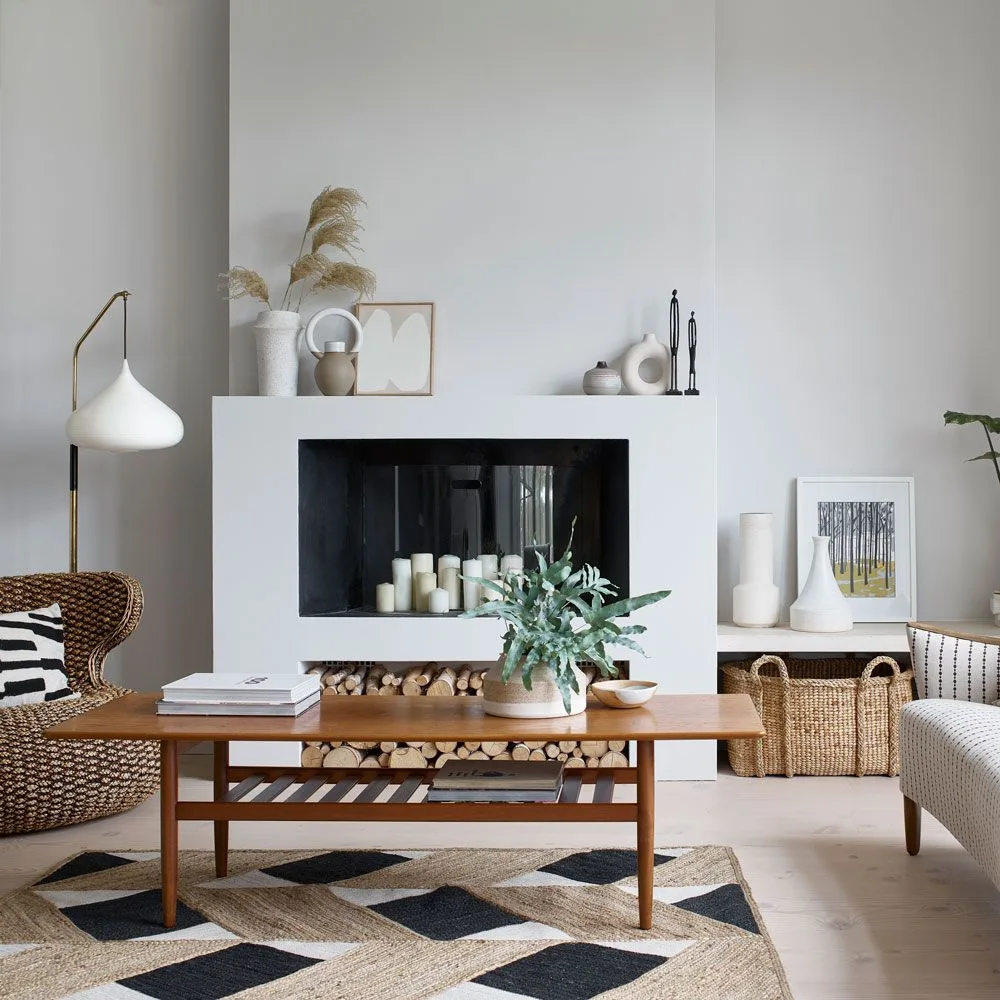
The plain rectangular outline suits the room’s lower timber furniture and bold geometric rug. Woven seating and rounded ceramics introduce softer shapes around it. The photograph offers a retro-inspired arrangement without relying on an ornate mantel, showing how the furniture can carry much of the period reference.
Treat the candles and log display as styling rather than evidence that the opening or nearby storage is ready for use. Confirm any appliance requirements before changing the enclosure. Leave enough floor space around the table and chair, then choose a few ceramic shapes instead of crowding the entire ledge.
PART 03
Explore newer schemes with a retro influence
IDEA 10 / 15
Build a Seventies-Inspired Palette around Brown Tile
 SaveSupport Non AI Creator
Image credit: Côte de Folk
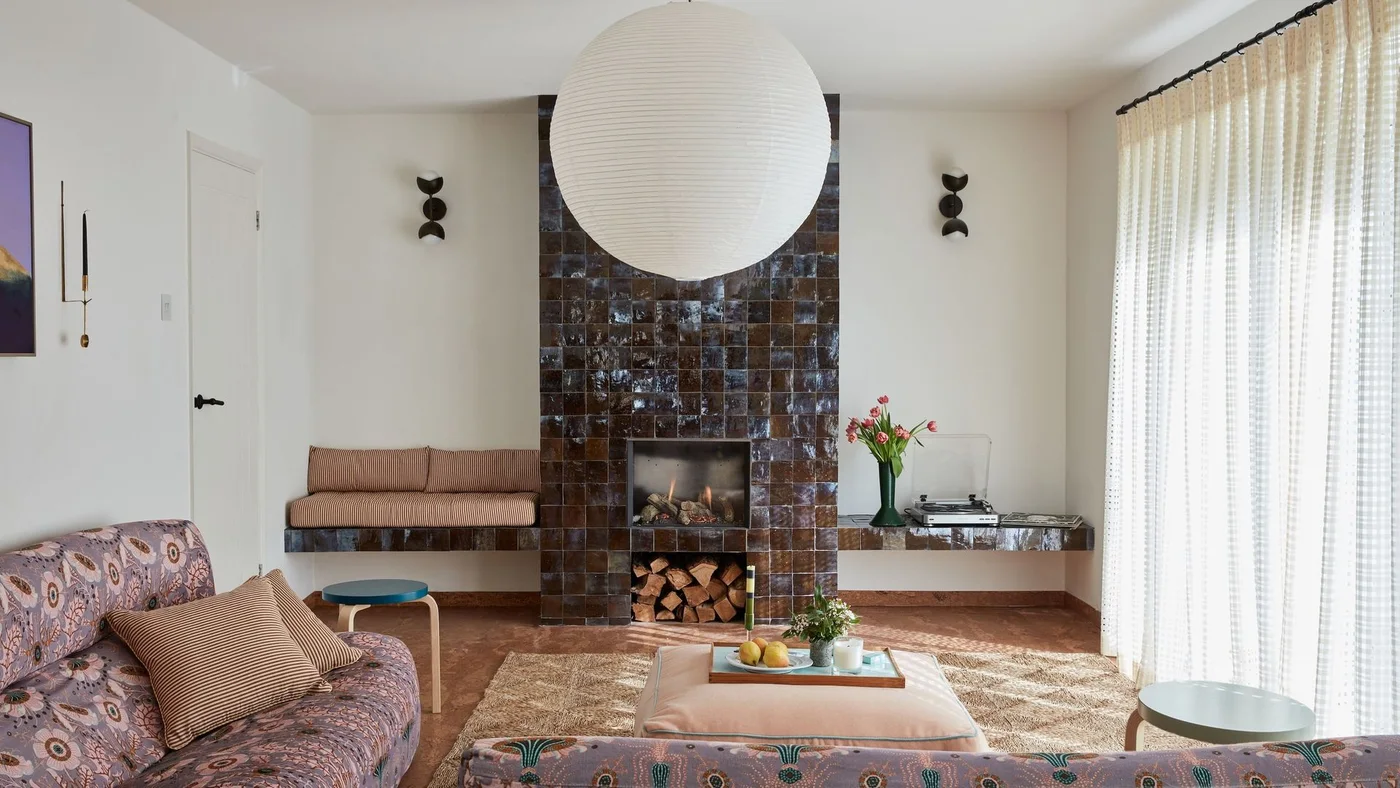
Brown tiles bring varied color and reflected light to this tall chimney breast. A low bench on one side and a record-player shelf on the other create an informal, asymmetrical arrangement. Patterned seating and a large pale pendant extend the retro influence without repeating the tile on every surface.
This is a newer retro-inspired scheme, so use it for its arrangement rather than assuming the tiles are original. Review several samples and grout options together before ordering. Confirm heat clearances for the bench, shelves, records and equipment, and keep service access practical within any fitted construction.
IDEA 11 / 15
Use a Narrow Blue-and-White Tile Border
 SaveSupport Non AI Creator
Image credit: Alexander James. Design: HÁM Interiors
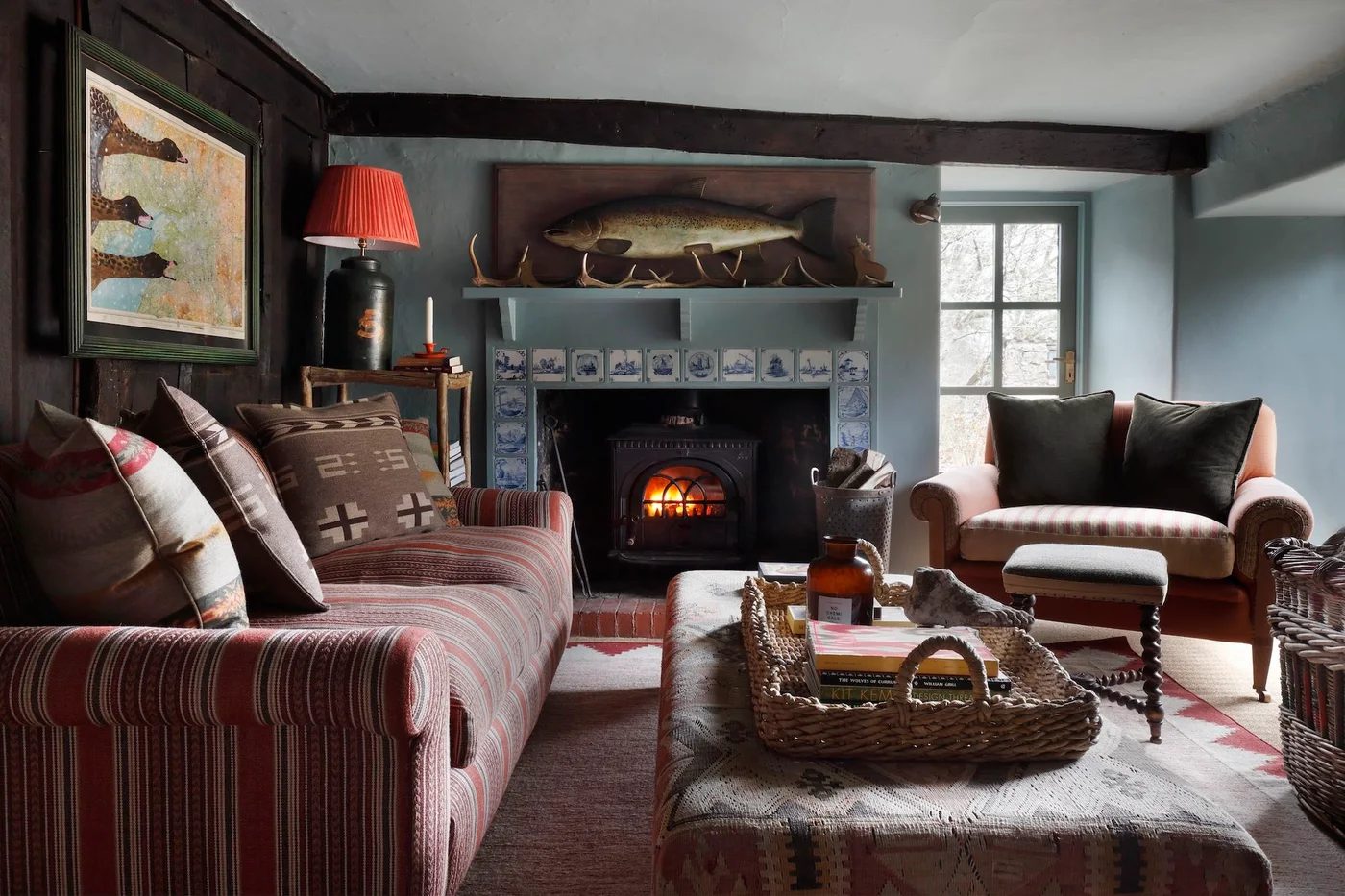
A narrow border of picture tiles distinguishes the stove opening from the painted wall above it. Their blue-and-white pattern sits beside striped upholstery and collected artwork, giving the room layers of detail at different scales. The mantel remains relatively plain in shape despite the varied objects around it.
Choose tiles around their suitability for the specific fireplace assembly, not the vintage look alone. Plan repairs carefully if keeping existing pieces, and check suitable cleaning methods. Keep stored logs, upholstery and decorations outside the stove’s required clearances, with enough access left for loading, sweeping and maintenance.
IDEA 12 / 15
Combine Warm Brown Tile with a Simpler Center
 SaveSupport Non AI Creator
Image credit: David Puckering. Design: The Stylesmiths
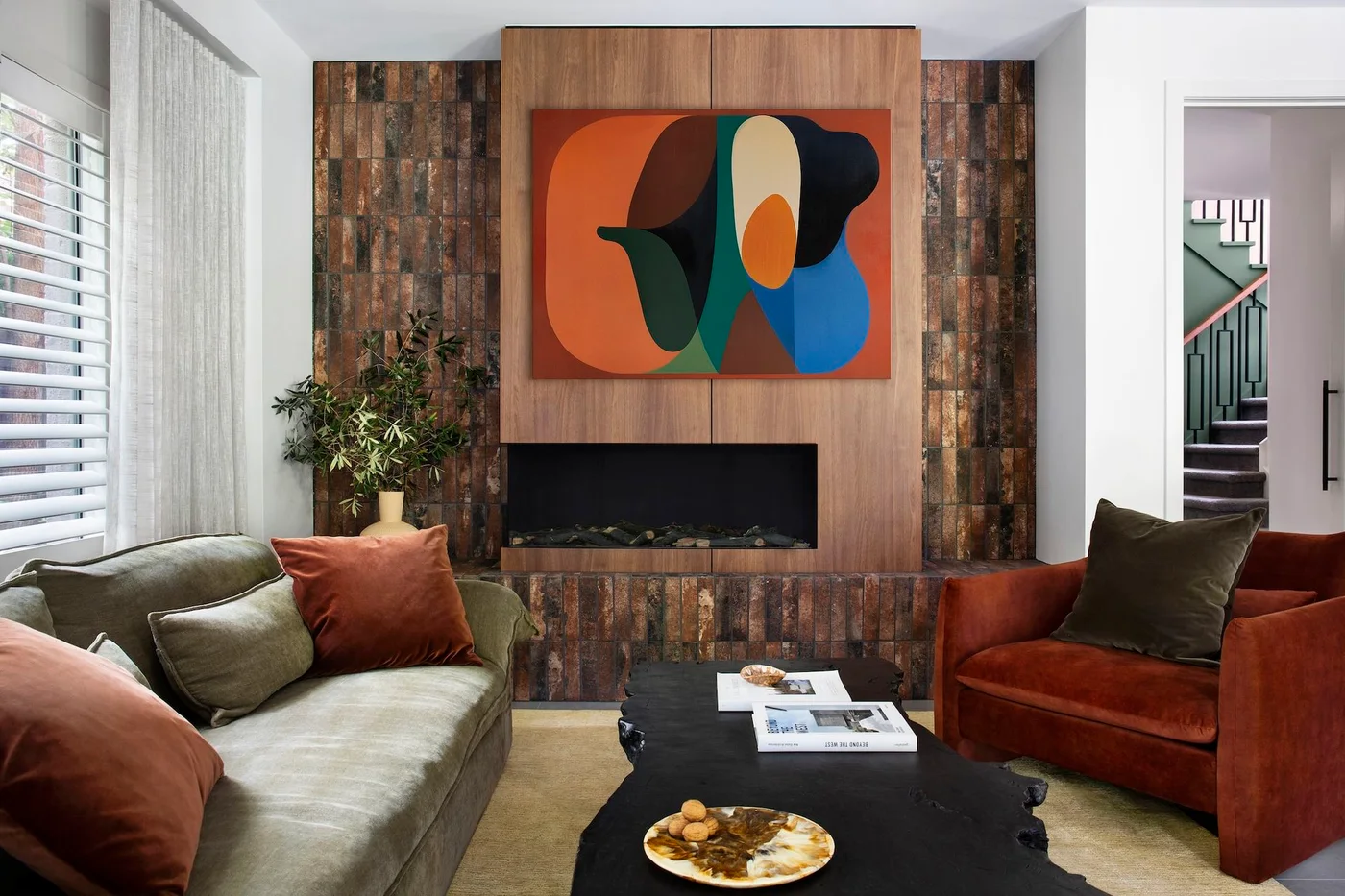
Varied brown tiles give the outer wall a mottled vertical pattern, while the central timber-toned panel creates a calmer area for the artwork. Rust and muted green seating repeat the warmer, retro-inspired palette. The long dark opening adds a horizontal line within those taller surfaces.
Confirm the actual panel material and assembly with the installer before choosing a similar finish around heat. The photograph cannot establish what is combustible behind the surface. Compare tile and upholstery samples together, keep seating beyond required clearances and avoid hanging valuable artwork where the appliance’s heat or maintenance could affect it.
IDEA 13 / 15
Let Blue Mosaic Contrast with Ornate Room Details
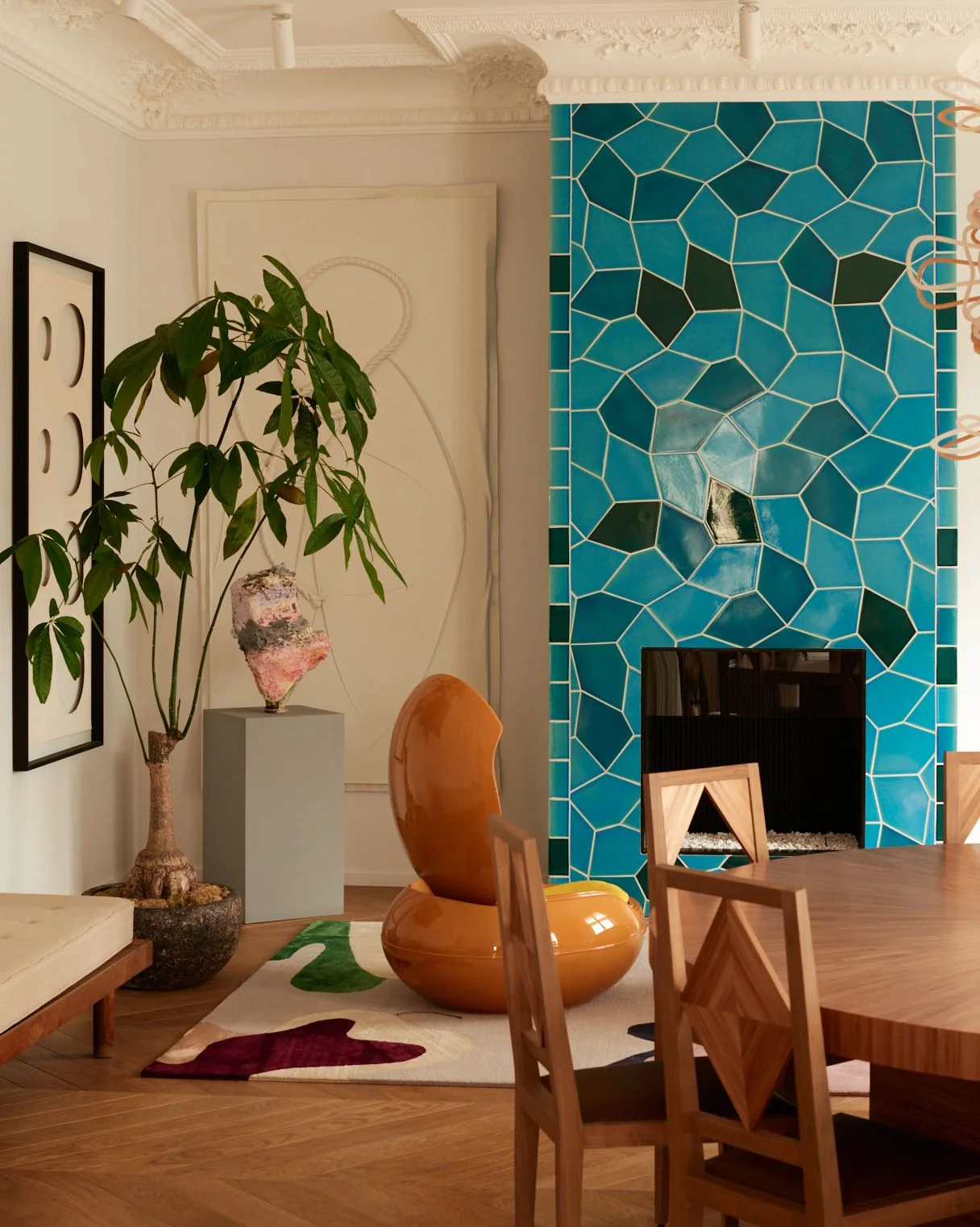 SaveSupport Non AI Creator
Image credit: François Coquerel. Design: Hauvette & Madani
An irregular blue mosaic creates a strong contrast with the pale decorative ceiling and wall moldings. The orange rounded chair introduces another bold shape, while timber dining furniture supplies a quieter natural color. This is a contemporary way to combine retro references with an older-looking architectural setting.
Plan the mosaic layout and edge treatment before installation so cuts and grout lines look deliberate across the whole chimney face. Check tile, adhesive and substrate suitability for the fireplace. Leave the opening clear of furniture and preserve any original moldings appropriately when making changes nearby.
PART 04
Connect smaller details with the surrounding furniture
IDEA 14 / 15
Use Small Pale Tiles with Warm Timber Furniture
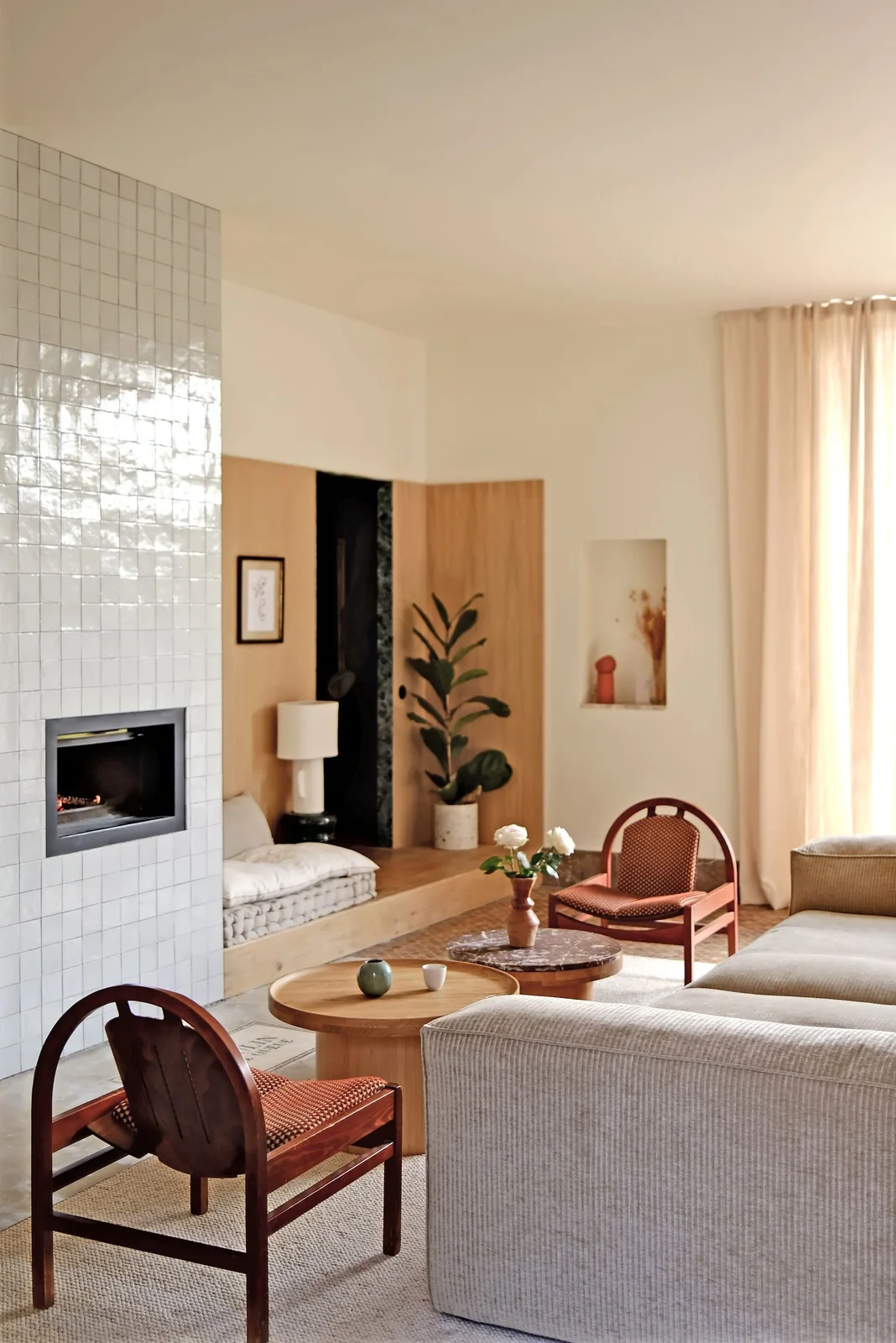 SaveSupport Non AI Creator
Image credit: Hauvette & Madani
A grid of small pale tiles gives the chimney face texture while keeping its color quiet. Rounded timber chairs and low circular tables introduce the stronger retro reference. A built-in bench extends the horizontal line beside the fireplace, connecting the tiled feature with another useful part of the room.
Check the bench position and upholstery against the appliance’s required clearances before adding fitted seating. Review grout maintenance as well as tile color, since many small tiles create more joints to clean. Keep an accessible route for servicing the inset unit and secure any built-in furniture for its intended load.
IDEA 15 / 15
Work Decorative Metal Panels into a Collected Room
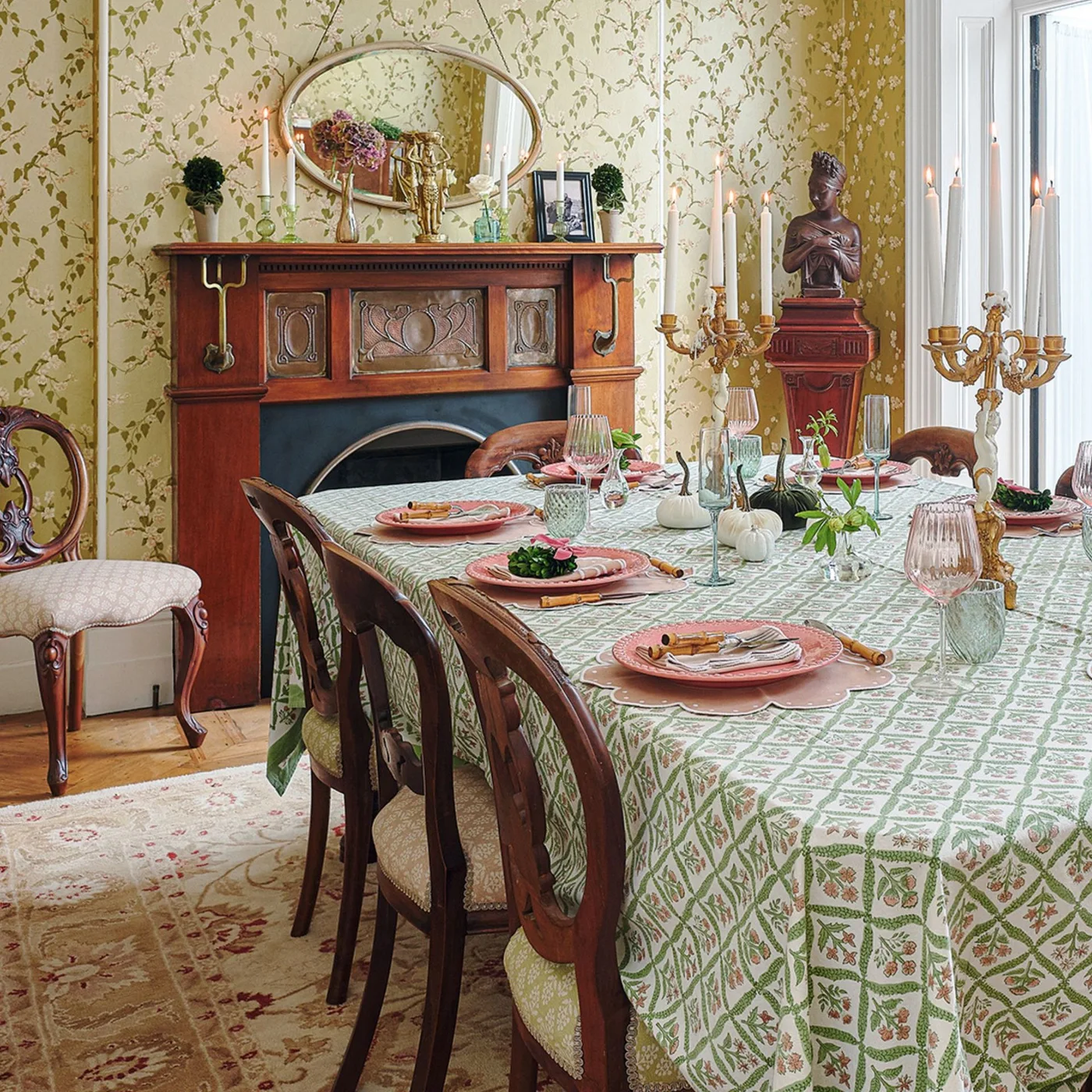 SaveSupport Non AI Creator
Image credit: Future
Decorative metal panels introduce curved motifs within the timber surround, giving it a different character from a plain painted mantel. The oval mirror repeats those curves above. Timber chairs and floral wall covering build a collected setting around the feature without needing every surface to share its finish.
Have existing metalwork and timber assessed before cleaning, stripping or repairing them, especially when the finish and age are uncertain. Keep the dining table and fabrics clear of the opening if it is ever brought into use. Limit mantel objects enough to inspect the details and move them safely for maintenance.
BRING IT ALL TOGETHER
Keep the character and check the condition
Before changing a retained fireplace, understand what is there and whether you intend it to work. A decorative opening can remain a focal point without a new appliance. Seek suitable assessment for masonry, metalwork, timber and the flue before repair or reuse, and keep a record of any original tile arrangement.
Choose furniture and wall finishes around the feature you want to emphasize. One strong color or a restrained group of collected objects may be enough. Keep required clearances, cleaning access and practical routes through the room separate from the styling decisions shown in photographs.