Mexican home decor has room for much more than a bright wall. Patterned tile, expressive art, woven details and well-used wood can give a room depth, whether the larger setting is traditional or contemporary. Start with pieces you enjoy living with instead of trying to copy an entire house.
These examples include homes in Mexico and Mexican-inspired projects elsewhere, with individual rooms that also mix international influences. A colorful textile or a small collection of pottery is a more manageable starting point than rebuilding the architecture. Ask makers and sellers about the origin and care of pieces before buying.
PART 01
Start with color and textiles
IDEA 01 / 20
Connect Colorful Art with a Warm Sofa
 SaveSupport Non AI Creator
Image credit: Project: Ann James Interiors (via Houzz)
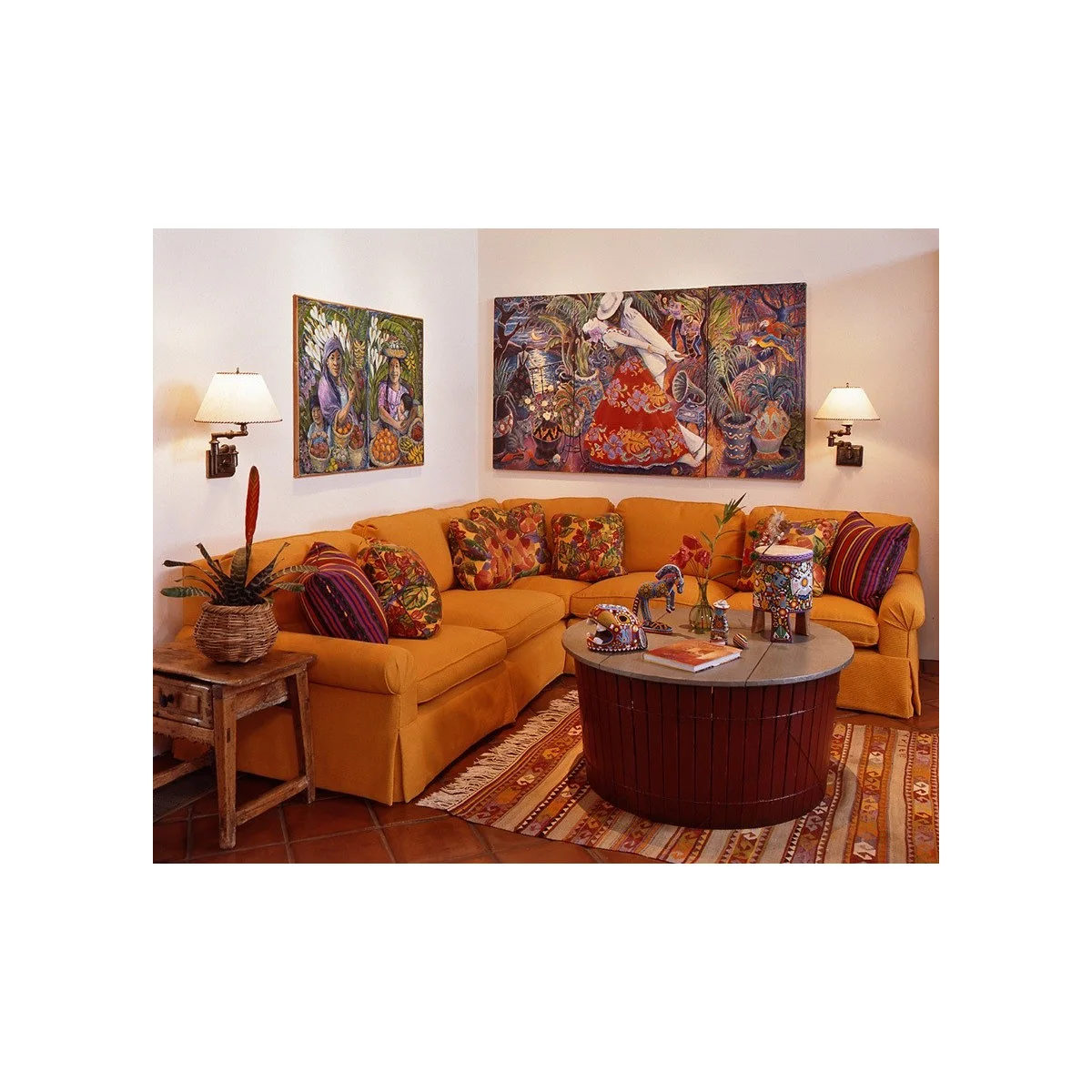
The mustard sofa gives this sitting area one broad field of color, while patterned cushions pick up smaller tones from the paintings. The pale walls keep the artwork easy to read. A round coffee table leaves a softer outline within the corner arrangement.
Choose the large upholstered piece first, then use smaller textiles to connect it with the art. Patterns can vary when a few colors repeat across them. Leave useful tabletop space between decorative objects so the arrangement remains comfortable for drinks, books and everyday use.
IDEA 02 / 20
Let White Bedding Calm a Patterned Bedroom
 SaveSupport Non AI Creator
Image credit: Project: Ann James Interiors (via Houzz)
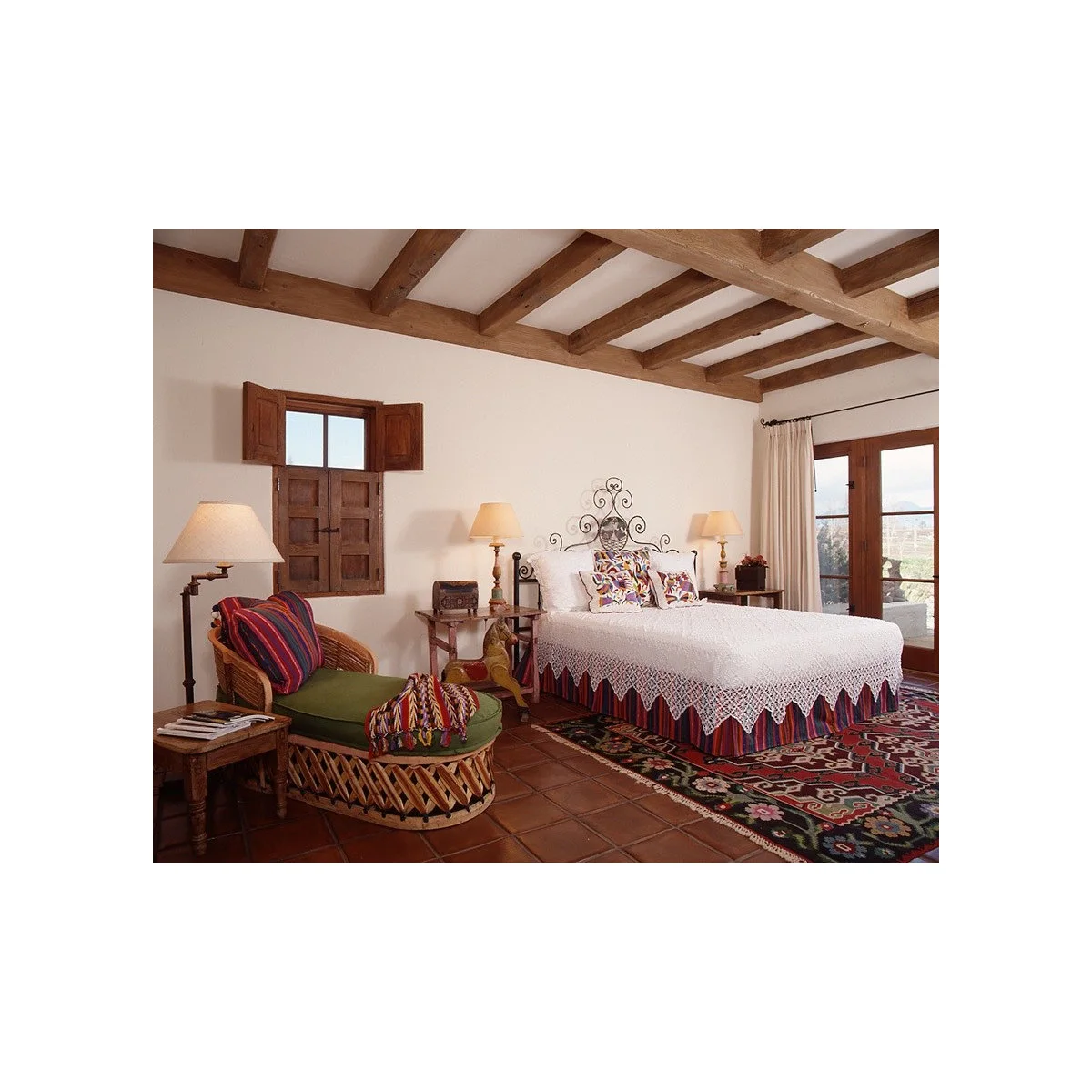
A white bedcover gives the eye a resting place between the colorful cushions, striped bed skirt and patterned rug. Wood shutters and ceiling beams repeat warm tones around the room. The open metal headboard adds detail without becoming another large block of color.
Keep the most frequently washed layer simple and choose accent textiles with care instructions you can maintain. Check whether decorative cushions have removable covers before buying. A pale bedcover can make it easier to change smaller patterns later without replacing every textile in the room.
IDEA 03 / 20
Repeat Stripes in Smaller Bedroom Layers
 SaveSupport Non AI Creator
Image credit: Project: Ann James Interiors (via Houzz)
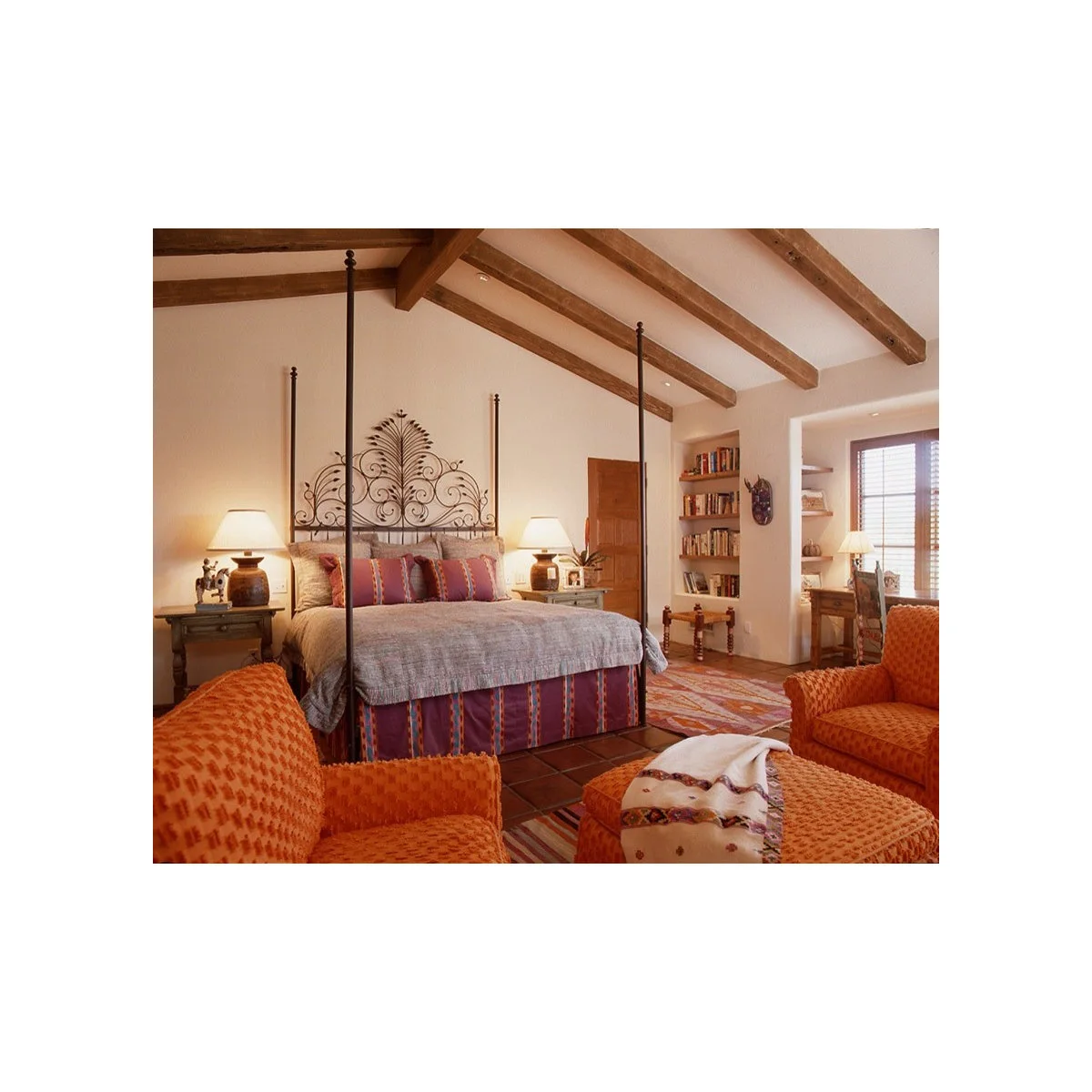
Striped pillows and a striped bed skirt connect the bed’s upper and lower edges. Orange chairs provide a separate seating corner, with a pale throw softening the woven ottoman. The warm wood ceiling stays visible because the walls and larger bedding areas remain quieter.
Use a stripe in two limited places rather than spreading it across every surface. Check the scale against the bed frame and nearby upholstery. If the room also has a reading corner, leave a comfortable path around the chairs instead of filling the gap with another decorative table.
IDEA 04 / 20
Balance Patterned Beds with a Quiet Wall
 SaveSupport Non AI Creator
Source: Architectural Digest
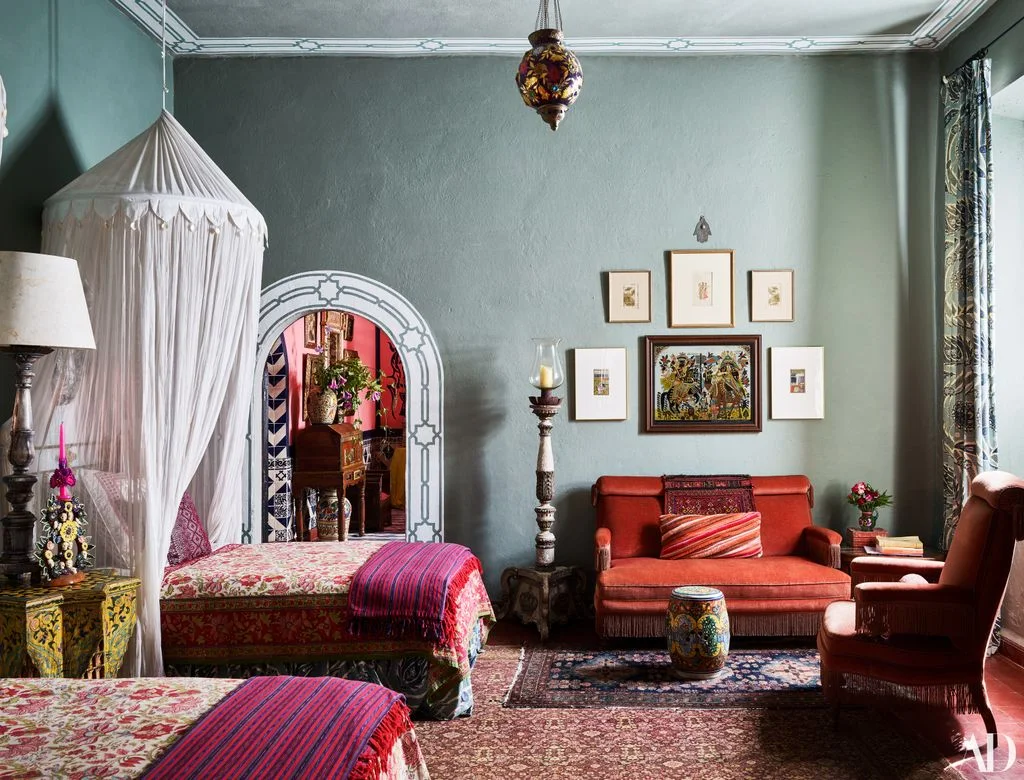
Bright striped throws sit over the patterned bedcovers, bringing stronger color to the foot of each bed. A pale blue wall provides relief behind the orange settee. The small picture group and decorated stool add detail at a scale that suits the seating corner.
Repeat one stripe or accent color across twin beds so they feel related without matching every cushion. Keep canopy fabric clear of lights and allow room to make each bed easily. Choose washable top layers if the space is used regularly by guests.
IDEA 05 / 20
Give a Colorful Bedcover a Plain Setting
 SaveSupport Non AI Creator
Source: www.houzz.ie
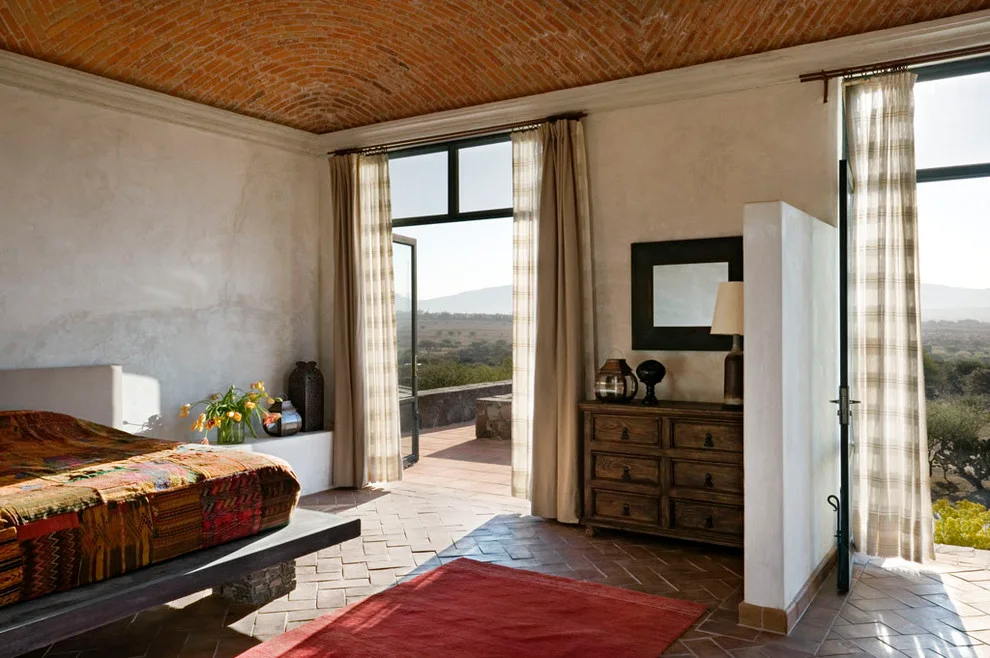
The patterned bedcover carries most of this bedroom’s color, while pale walls and sheer curtains soften the surrounding space. A wood chest gives the room another warm surface. The exposed brick ceiling provides texture without needing more small ornaments along the bedside edges.
Let one substantial textile lead the room before adding smaller accessories. Judge its colors under your own daylight and lamps, since warm surrounding surfaces can change how they appear. Keep the floor around the bed clear and choose a rug that sits securely rather than overlapping walking routes.
PART 02
Give patterned surfaces a purpose
IDEA 06 / 20
Frame a Kitchen Island with Patterned Tile
 SaveSupport Non AI Creator
Image credit: Project: Ann James Interiors (via Houzz)
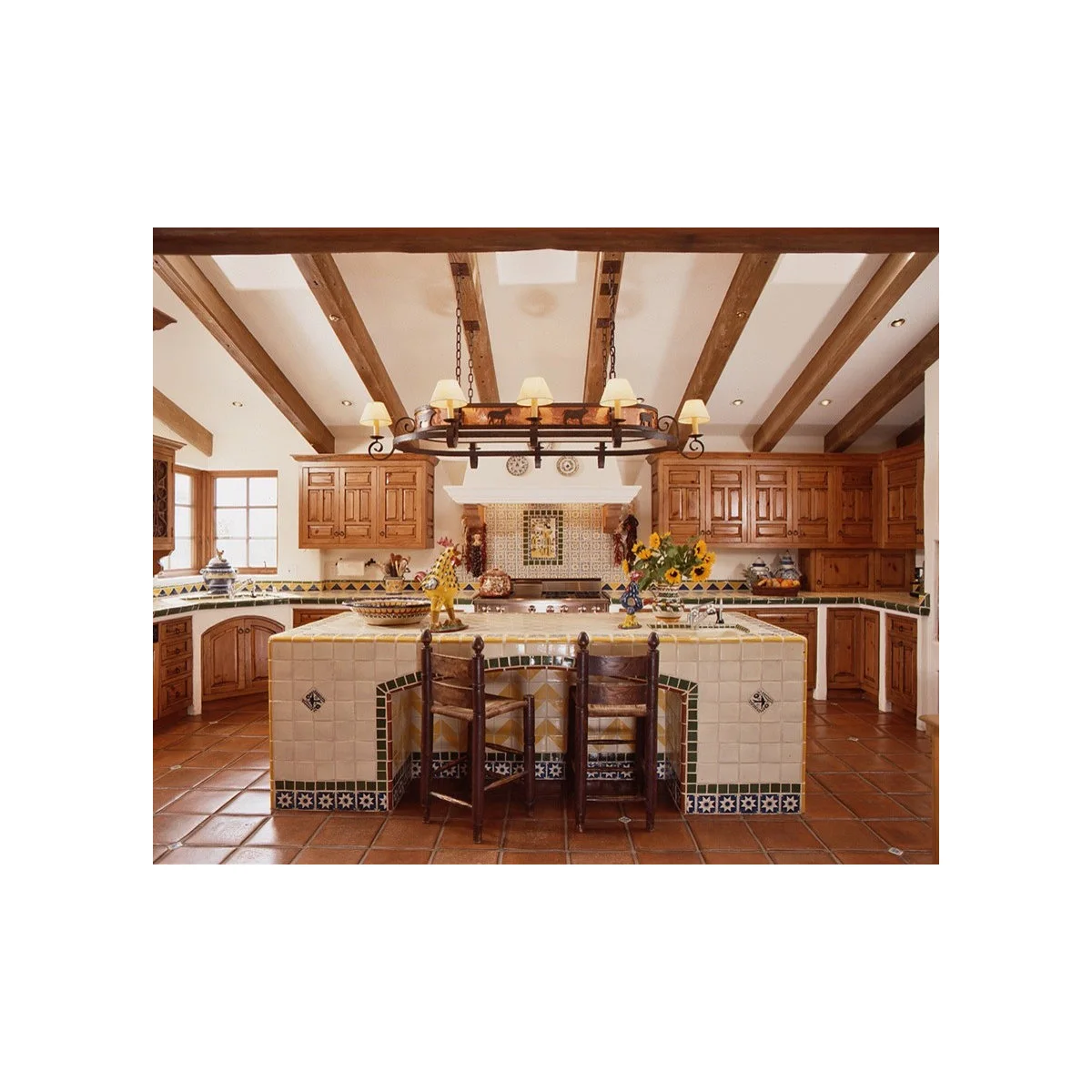
Patterned border tiles outline the island’s base and seating recess, connecting it with the tiled cooking wall behind. The larger cream areas keep the small patterns distinct. Wood stools, cabinets and ceiling beams give the kitchen a consistent warm framework around the decoration.
Plan the complete border before ordering tile, including corners and cut pieces. Choose products suited to their actual surface and heat exposure, and ask the installer about cleaning and grout. Reserve enough unbroken worktop for preparation rather than allowing display pieces to occupy every working edge.
IDEA 07 / 20
Make a Tiled Fountain the Courtyard Feature
 SaveSupport Non AI Creator
Image credit: Project: Villa & Mission Imports (via Houzz)
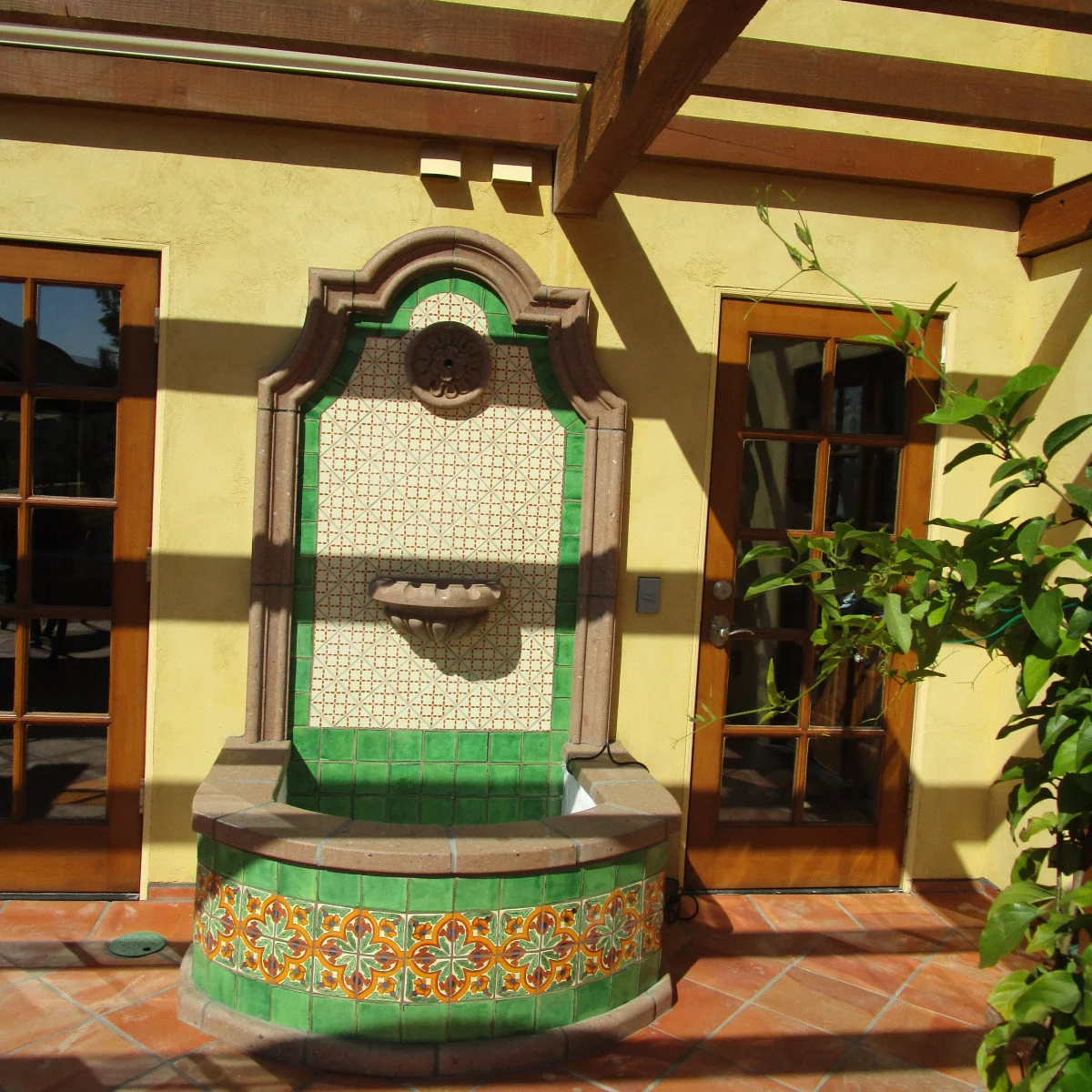
Green tile frames the small patterned field behind the fountain, with a brighter decorative band around the curved basin. The yellow wall and wood doors extend the warm palette. The fountain remains a distinct feature because the wall beside it is relatively open.
Choose outdoor-rated materials for the climate and keep access to the pump practical. Ask the installer about drainage and water maintenance before committing to a fountain. For a smaller enclosed space, these small courtyard ideas offer ways to keep a decorative feature from blocking the route between doors.
IDEA 08 / 20
Use Pattern on the Risers Instead of the Treads
 SaveSupport Non AI Creator
Image credit: Project: Villa & Mission Imports (via Houzz)
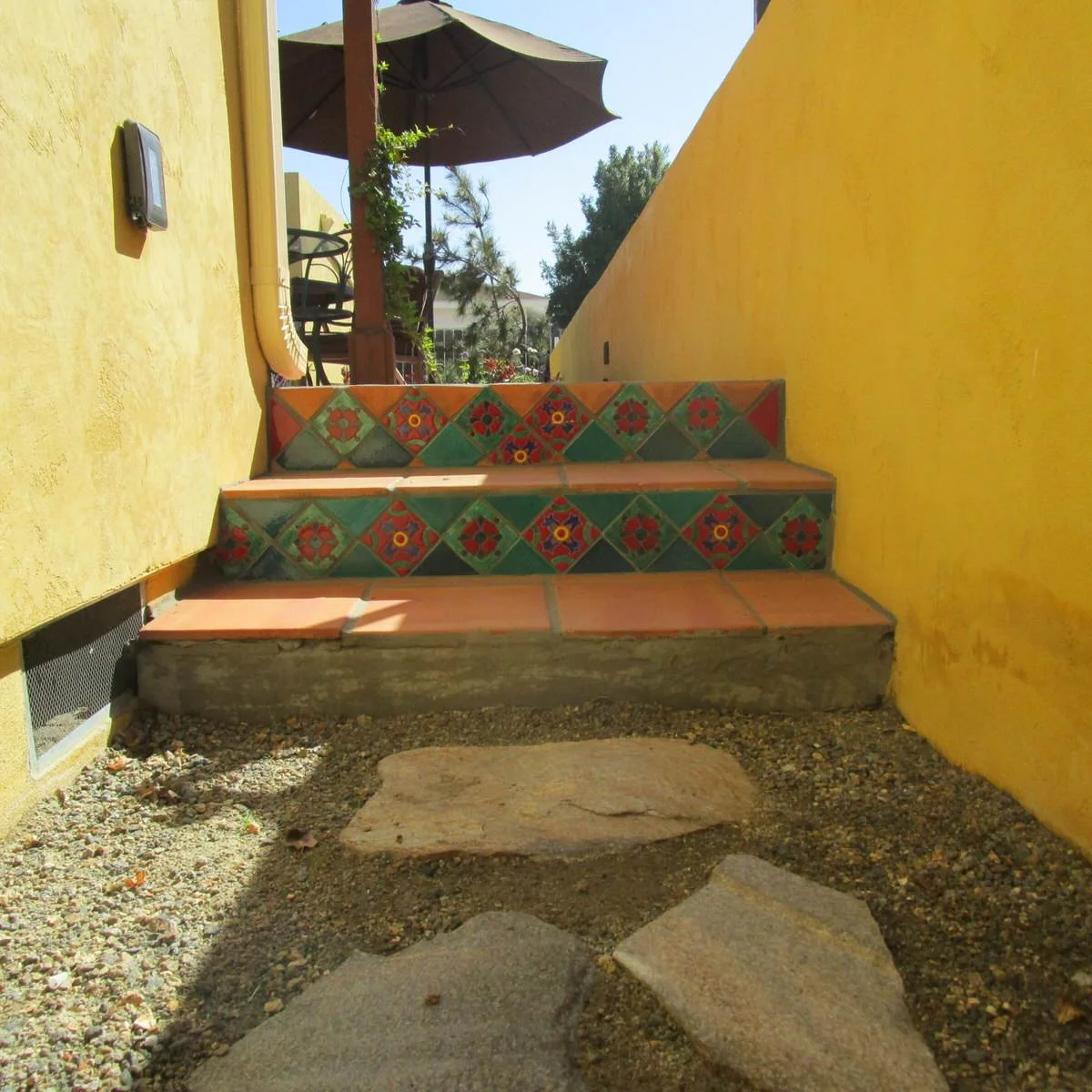
Colorful tiles decorate the vertical risers, while the horizontal treads stay a warmer plain tone. The green border relates the small patterns to the surrounding courtyard. Yellow walls provide a strong backdrop, so the few decorated steps have enough presence without extra objects beside them.
Treat stair safety as part of the choice: tread slip resistance, even step dimensions and visible edges matter more than pattern. Have an installer assess the existing steps before applying new tile. Keep pots and loose ornaments off the walking surface, particularly at a narrow approach.
IDEA 09 / 20
Scatter Small Tile Accents Through a Plain Floor
 SaveSupport Non AI Creator
Image credit: Project: Rustico Tile & Stone (via Houzz)
Small patterned inserts punctuate the broad warm floor, carrying color across the covered patio without covering it in a dense print. Blue cushions and a bottle repeat that color at furniture height. The fireplace surround adds a separate textured focal point at the end.
Draw the insert spacing before installation so it works around doors and furniture. Use floor tiles appropriate for the expected moisture and foot traffic, rather than decorative wall tiles. Keep the surrounding furnishings comparatively simple when the floor already contains several small points of interest.
IDEA 10 / 20
Try One Strong Tile Color with Wood Cabinets
 SaveSupport Non AI Creator
Source: www.houzz.ie
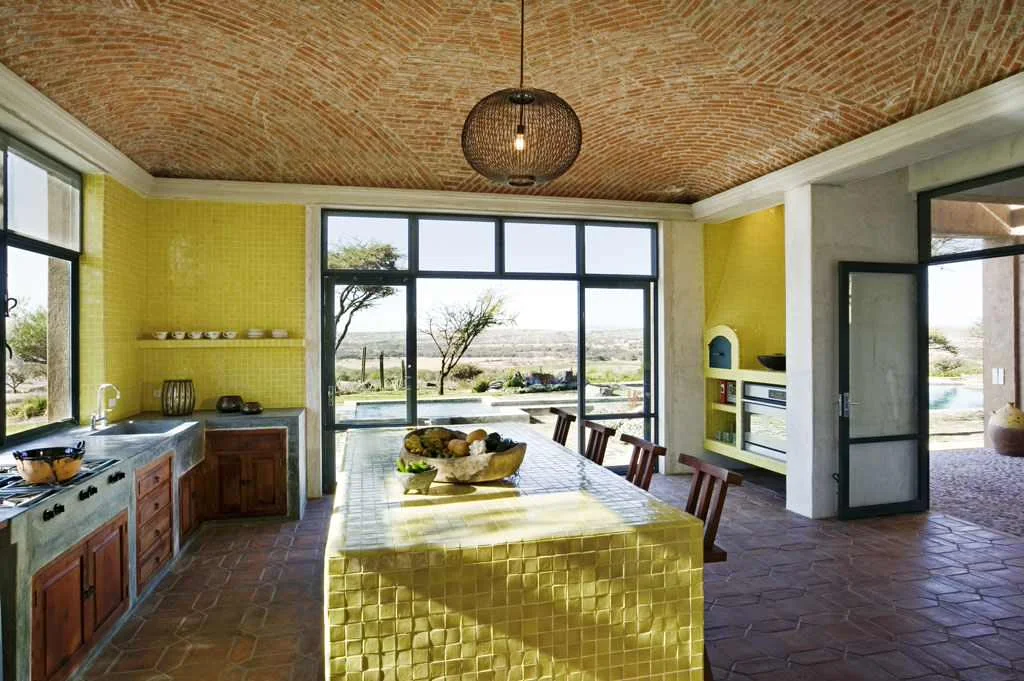
Yellow-green tile wraps the island and continues onto the wall, creating a broad color connection across the kitchen. Wood cabinet fronts keep the lower areas warm. Dark window frames define the garden view, while a simple pendant leaves the textured ceiling visible.
Test a tile sample vertically and horizontally because light reflects differently from each position. Include the grout color in that test. A tiled work surface also introduces joints to clean, so compare its maintenance with a smoother counter before deciding where the color belongs.
PART 03
Make everyday rooms welcoming
IDEA 11 / 20
Let a Long Dining Table Remain Simple
 SaveSupport Non AI Creator
Source: www.houzz.ie
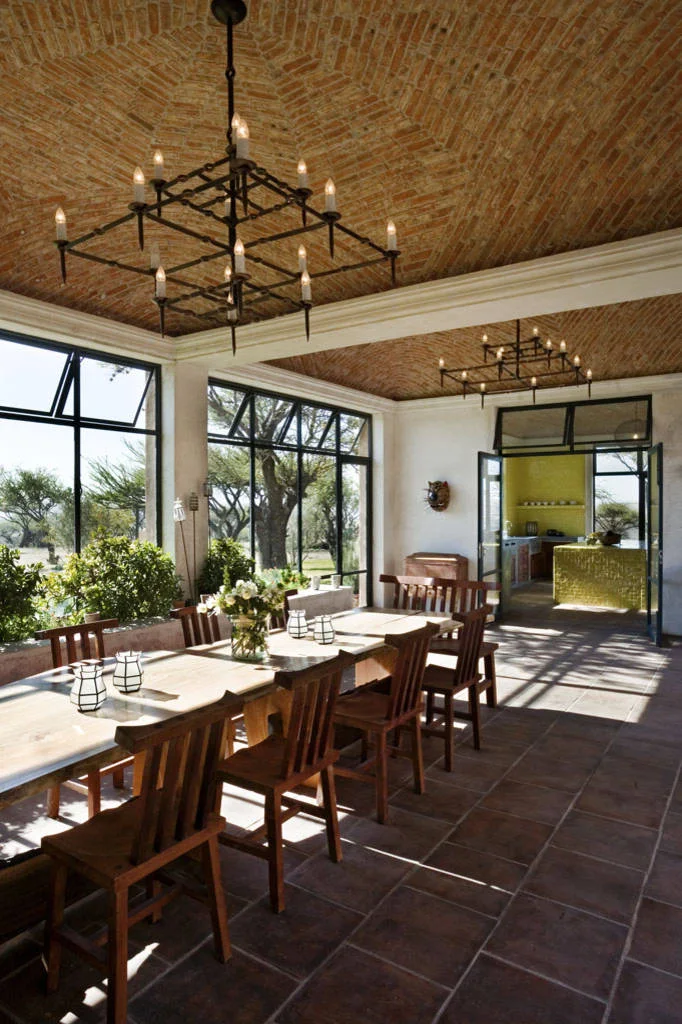
The long wood table keeps the dining room grounded beneath the patterned brick ceiling. Dark chandeliers repeat the window frames’ outlines, while small vases leave most of the tabletop usable. The restrained furniture lets the architecture provide much of the room’s decoration.
If your room lacks this ceiling treatment, borrow the quieter table arrangement rather than trying to recreate the whole structure. Check chair movement and the route past the table before choosing its length. These kitchen dining room combo ideas can help plan adjoining food preparation and dining areas.
IDEA 12 / 20
Use Curved Seating to Soften Bold Walls
 SaveSupport Non AI Creator
Image credit: Project: House + House Architects (via Houzz)
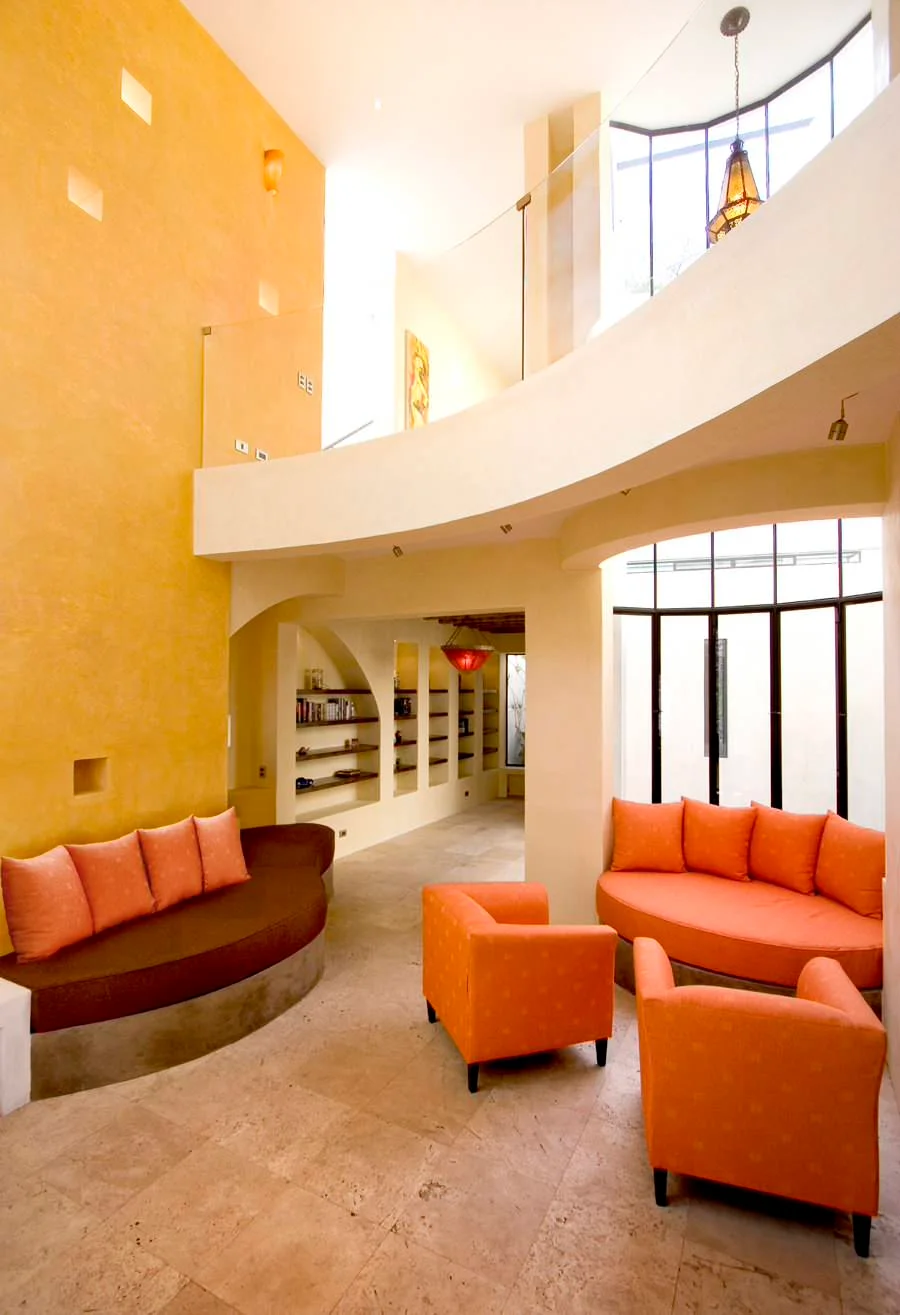
Curved seating follows the room’s rounded wall and window shapes, with orange chairs linking the separate sitting positions. The yellow wall supplies a broad warm background. Pale flooring keeps the lower space open, allowing the stronger upholstery colors to stand out clearly.
A curved sofa needs to suit the room’s circulation as well as its appearance. Test the footprint with tape and include the space needed to stand up from each seat. Removable cushions make built-in seating easier to clean and replace when fabric becomes worn.
IDEA 13 / 20
Give a Window Bench One Bright Accent
 SaveSupport Non AI Creator
Source: www.houzz.ie
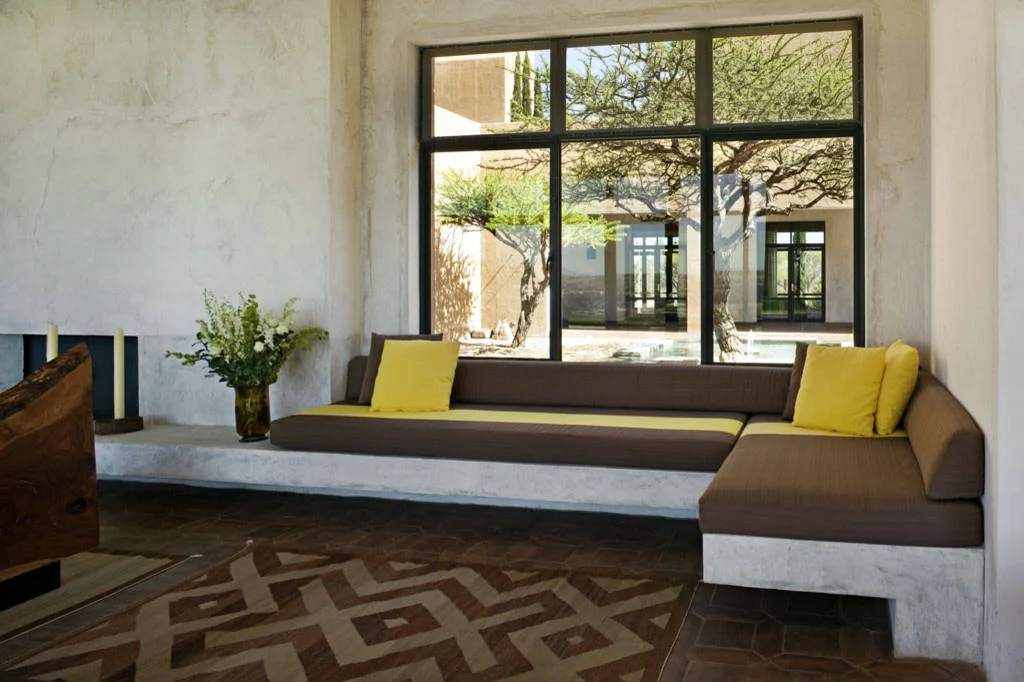
Brown cushions make a continuous seat beneath the window, while yellow pillows mark its ends. The pale base and textured wall leave the outdoor view prominent. A patterned rug brings another layer into the room without filling the bench itself with several competing prints.
Check cushion firmness and depth before treating a window bench as everyday seating. Use covers that can be removed for cleaning, particularly near a frequently opened window. Keep cushions from blocking handles and leave enough room for curtains or blinds to move without catching.
IDEA 14 / 20
Turn an Under-Stair Recess into a Daybed
 SaveSupport Non AI Creator
Source: www.houzz.ie
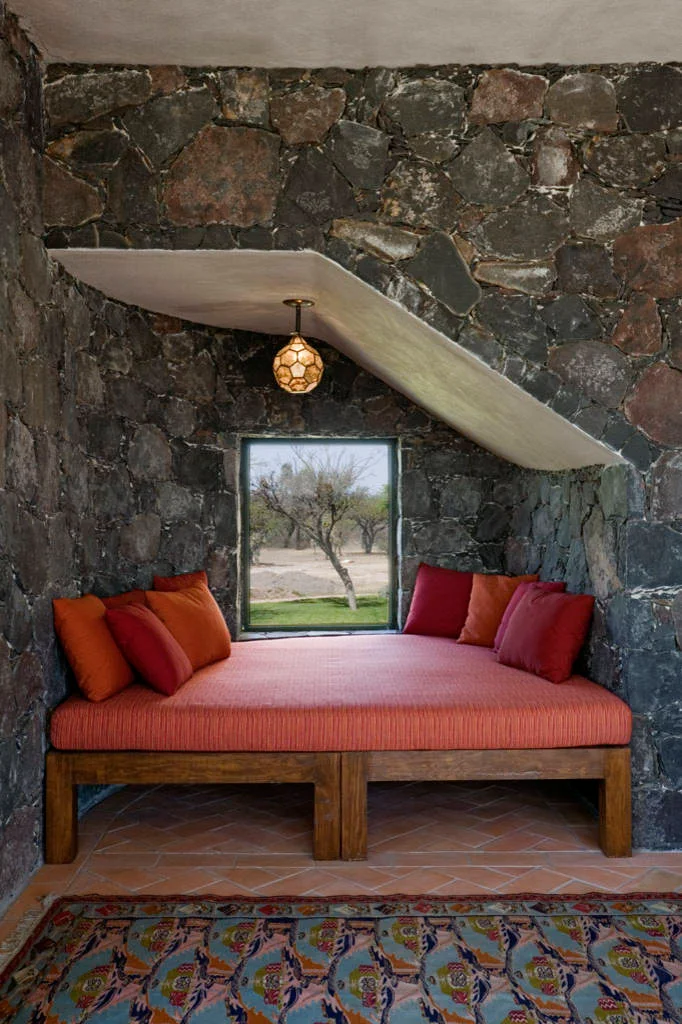
A wood daybed fills the recess below the sloping stair, with orange and red cushions warming the dark stone walls. A small window brings daylight directly into the nook. The compact hanging light gives the seat a defined center without requiring a floor lamp beside it.
Measure headroom over the full usable seat, not just at the open edge. Choose lighting with comfortable clearance and suitable installation. A made-to-fit cushion can use an awkward recess well, but leave access for cleaning behind it and avoid blocking ventilation or any maintenance panels.
IDEA 15 / 20
Keep a Neutral Room Personal with Art and Cloth
 SaveSupport Non AI Creator
Source: www.houzz.ie
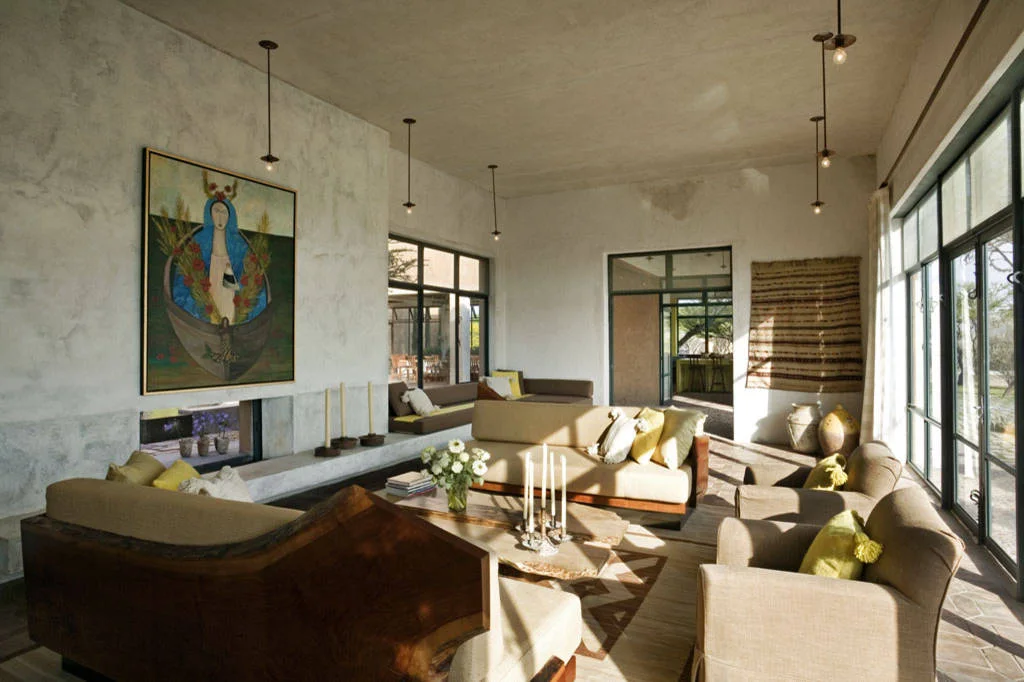
Neutral seating and pale textured walls give the painting and striped textile room to stand out. Yellow cushions add small points of color near the wood-backed sofa. The large windows remain visually open, keeping the room connected to the landscape instead of surrounding it with dense decoration.
Choose textiles and artwork for their actual origin and workmanship rather than relying on a broad style label. Keep records from the maker or seller when available. For more ways to layer warm natural tones, compare these earthy living room ideas before adding another large patterned surface.
PART 04
Finish with collections and usable corners
IDEA 16 / 20
Raise a Large Pot on an Open Stand
 SaveSupport Non AI Creator
Image credit: Project: Villa & Mission Imports (via Houzz)
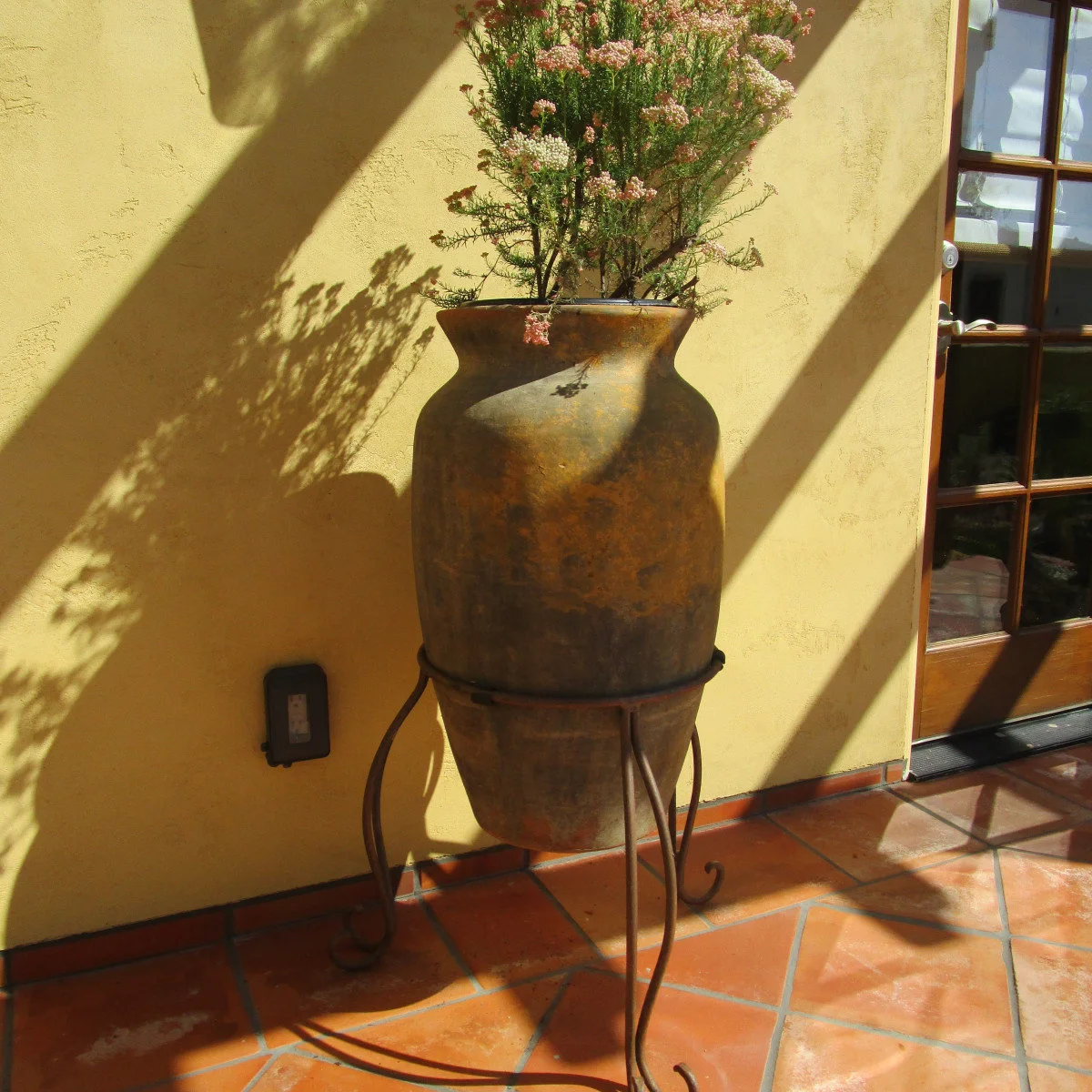
A tall warm-toned pot stands away from the floor on an open metal frame, giving the flowers height beside the doorway. The yellow wall makes both foliage and shadows visible. The stand’s curved legs add detail without the bulk of a second large container.
Check that the stand can safely support the pot when filled and watered. Use a stable position outside the door swing and protect indoor flooring from drainage. Select planting for your actual light and climate, and leave enough space to lift or tend the container without squeezing past it.
IDEA 17 / 20
Arrange Small Pots as a Single Group
 SaveSupport Non AI Creator
Source: www.houzz.ie
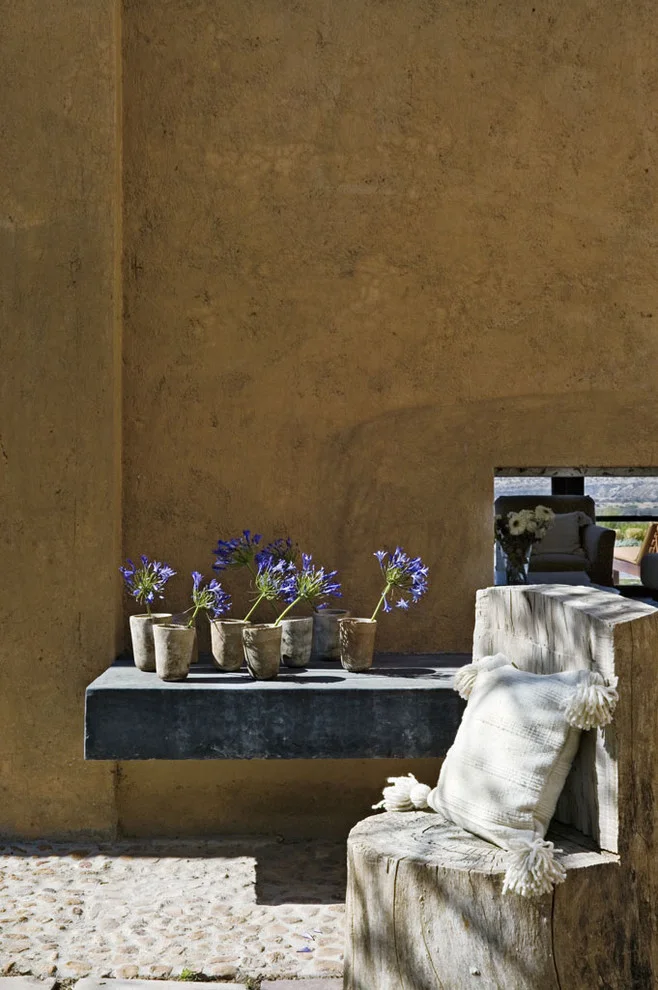
A close group of small pots forms one low display on the dark ledge, while purple flowers add color against the textured wall. A pale cushion softens the substantial wood chair beside it. The arrangement uses a few repeated shapes rather than many unrelated ornaments.
Use containers with compatible watering needs if you want to care for the group together. Protect the ledge from standing water and keep drainage from staining the wall. Leave enough access behind each pot for cleaning instead of lining up so many that the display becomes difficult to maintain.
IDEA 18 / 20
Put Color into Glassware in a Modern Kitchen
 SaveSupport Non AI Creator
Image credit: Project: House + House Architects (via Houzz)
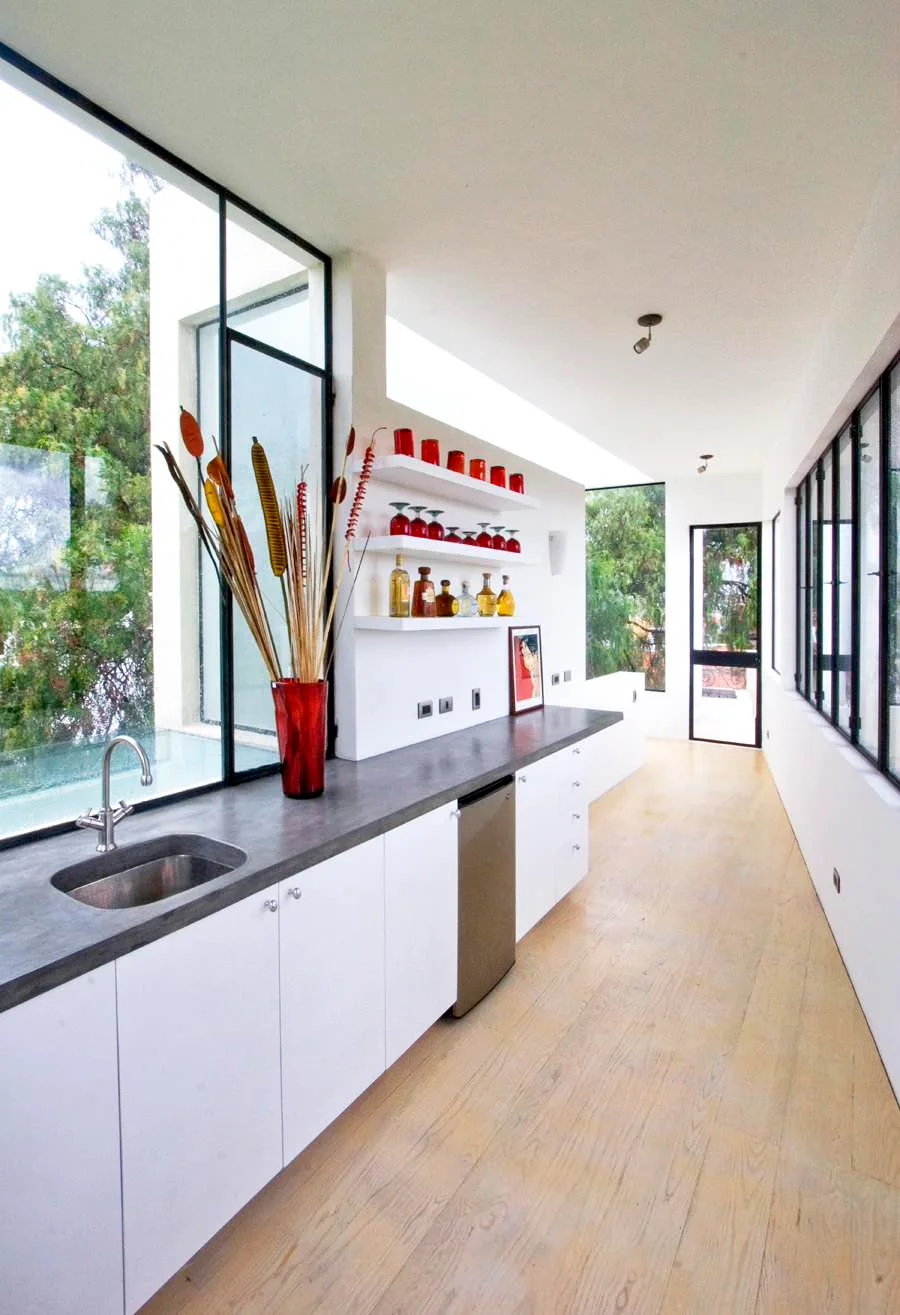
Red glasses bring a concentrated band of color to the white shelves, with a tall red vase repeating the accent on the counter. The rest of the narrow kitchen remains comparatively plain. Dark window frames and the worktop provide clear outlines around the small collection.
Display pieces you can reach and clean comfortably, using secure shelves suited to the load. Keep the counter beside the sink useful for daily work instead of filling it with fragile items. This approach can add character to a contemporary kitchen without changing the cabinets or introducing several competing patterns.
IDEA 19 / 20
Set a Warm Table with a Runner and Low Lights
 SaveSupport Non AI Creator
Source: www.houzz.ie
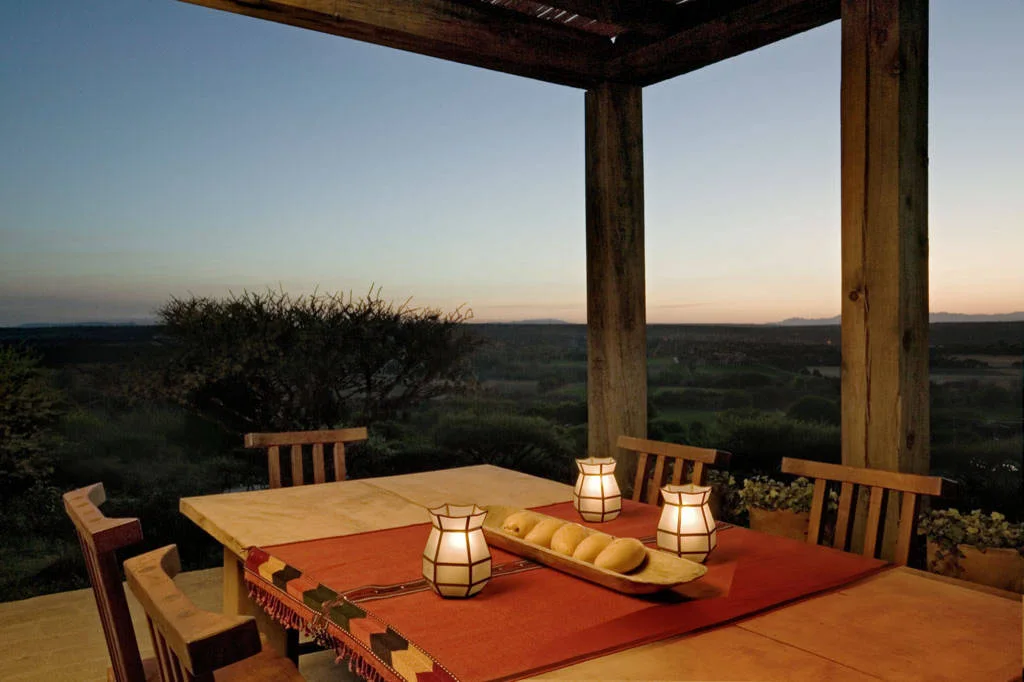
An orange runner adds a single warm band down the wood table, with small lanterns repeating a compact shape along it. The low bowl leaves sightlines open between diners. The covered setting and simple chairs keep the table feeling usable rather than arranged only for display.
Choose a runner that can be washed after meals and keep its ends away from areas where people pull in their chairs. Use stable, suitable lighting and keep any flame away from cloth. Battery lights offer a practical alternative when children, wind or close seating make open candles awkward.
IDEA 20 / 20
Group Blue and White Pottery on a Wall Rack
 SaveSupport Non AI Creator
Source: Architectural Digest
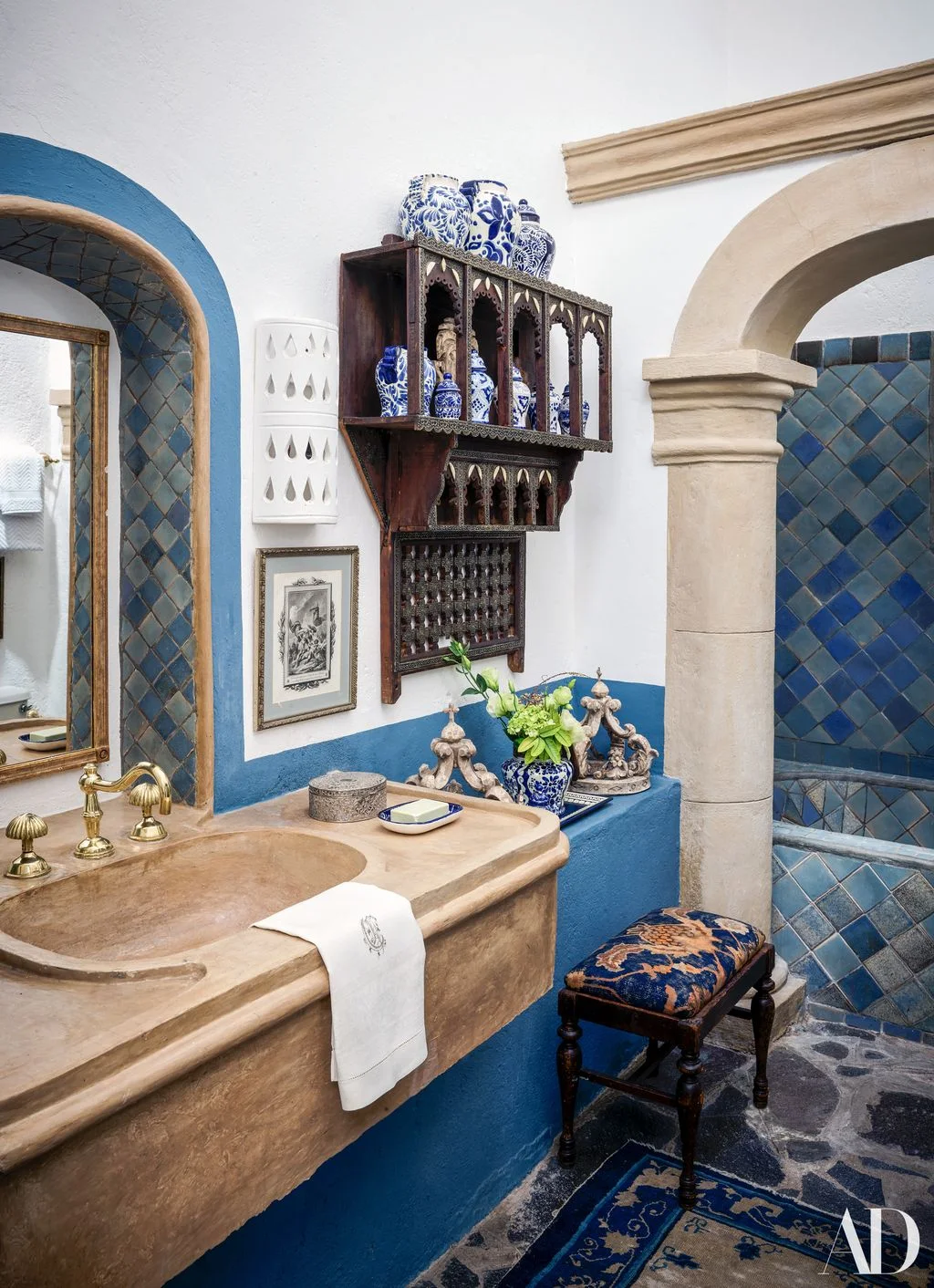
Blue and white vessels form a distinct group on the carved wall rack, with blue tile and painted areas repeating the palette nearby. The pale basin surround gives the detailed collection some relief. A small upholstered stool introduces another pattern lower in the room.
Check shelf depth and wall fixings before displaying pottery above a frequently used area. Keep delicate pieces away from wet edges and choose a few forms that can be dusted easily. Ask sellers about provenance and care instead of assuming every blue and white vessel has the same origin.
BRING IT ALL TOGETHER
Choose a few pieces with room to live around them
Start with a textile, artwork or tiled area you want to keep. Repeat a few of its colors elsewhere, then leave enough plain surfaces for the details to be appreciated. Personal collections work best when their origin and everyday care are understood.
A useful room still needs comfortable seats, clear doorways and surfaces that can be cleaned. Borrow the scale and arrangement that fit your home rather than copying every architectural feature from a larger project.