Gray can look cool, warm, pale or almost black depending on its surroundings. Before choosing a companion color, identify the gray you already have: a blue-gray sofa asks for a different balance than a warm gray wall or charcoal floor.
These photographs show 20 ways to combine gray with other colors through walls, furniture, rugs and smaller accents. They are examples of relationships and proportions, not exact paint matches. Test your own samples beside the existing finishes in daylight and under the lamps you actually use.
PART 01
Explore green and blue alongside gray
IDEA 01 / 20
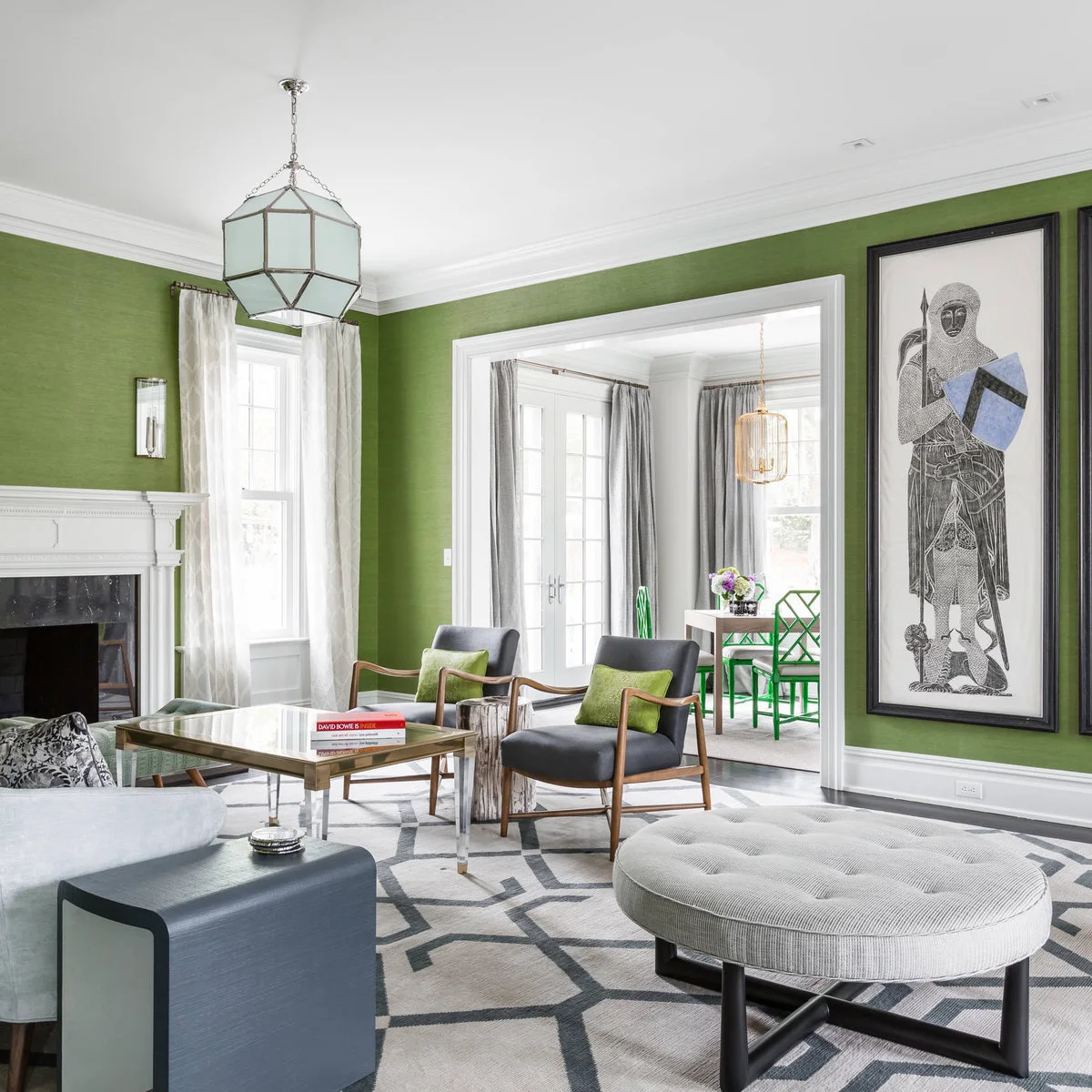
Pair Mid Green Walls with Several Shades of Gray
 SaveSupport Non AI Creator
Image credit: Wes Tarca
Green walls give this room a clear color identity while the furniture ranges from pale gray to charcoal. The geometric rug repeats those neutral values beneath the seating. White trim separates the green from adjacent rooms, and small green cushions bring a little of the wall color back into the chairs.
Compare green samples against the darkest and lightest grays you plan to keep. The relationship should work with both rather than only with one cushion. Repeat a small amount of the green in upholstery if desired, but leave enough neutral fabric to make the wall color distinct.
IDEA 02 / 20
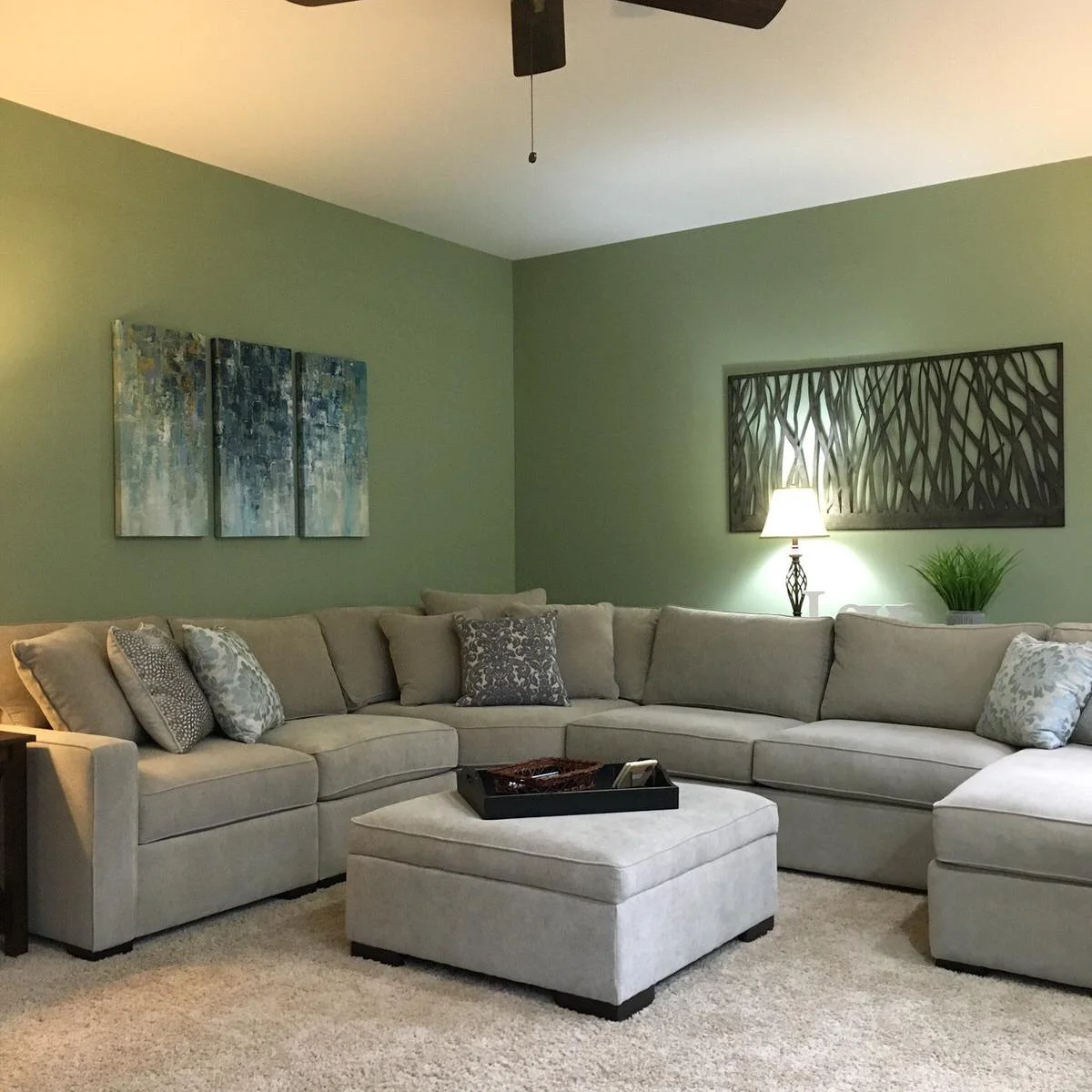
Set a Warm Gray Sectional against Muted Sage
 SaveSupport Non AI Creator
Image credit: Project: Transformed Interiors, LLC (via Houzz)
Muted sage walls surround a large warm gray sectional and matching ottoman. Neither color creates a sharp boundary, so the patterned cushions and wall pieces provide smaller points of definition. The upholstery occupies most of the lower room, making the wall color especially important to the overall balance.
Test a large green sample behind the actual sofa before painting. In a room with extensive upholstery, a small swatch seen elsewhere may be misleading. Add some darker pattern or another clear outline if the gray and green are so close in lightness that the seating loses its shape.
IDEA 03 / 20
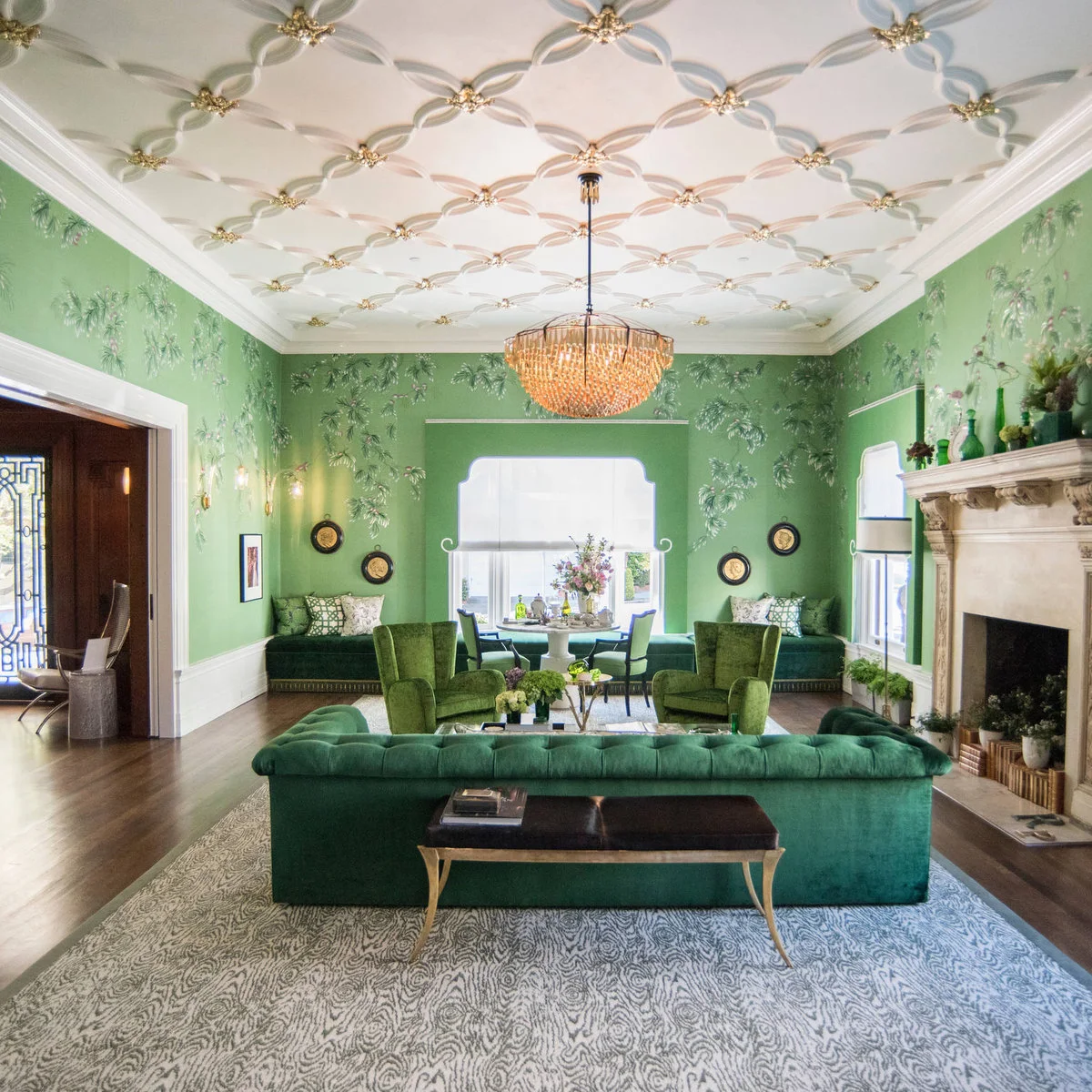
Ground Rich Green Upholstery with a Gray Rug
 SaveSupport Non AI Creator
Image credit: Julia Sperling Photography
The green walls and upholstery carry most of the color here, while a broad gray patterned rug gives the seating a quieter base. Its fine pattern adds texture without introducing another saturated hue. Darker and lighter greens provide variety above the restrained floor area.
Use gray across a substantial surface when you want a vivid room to feel more connected. Check rug samples beside every major green fabric rather than assuming one green stands for them all. Keep the pattern’s scale compatible with other detailed surfaces, especially wallpaper and decorative window treatments.
IDEA 04 / 20
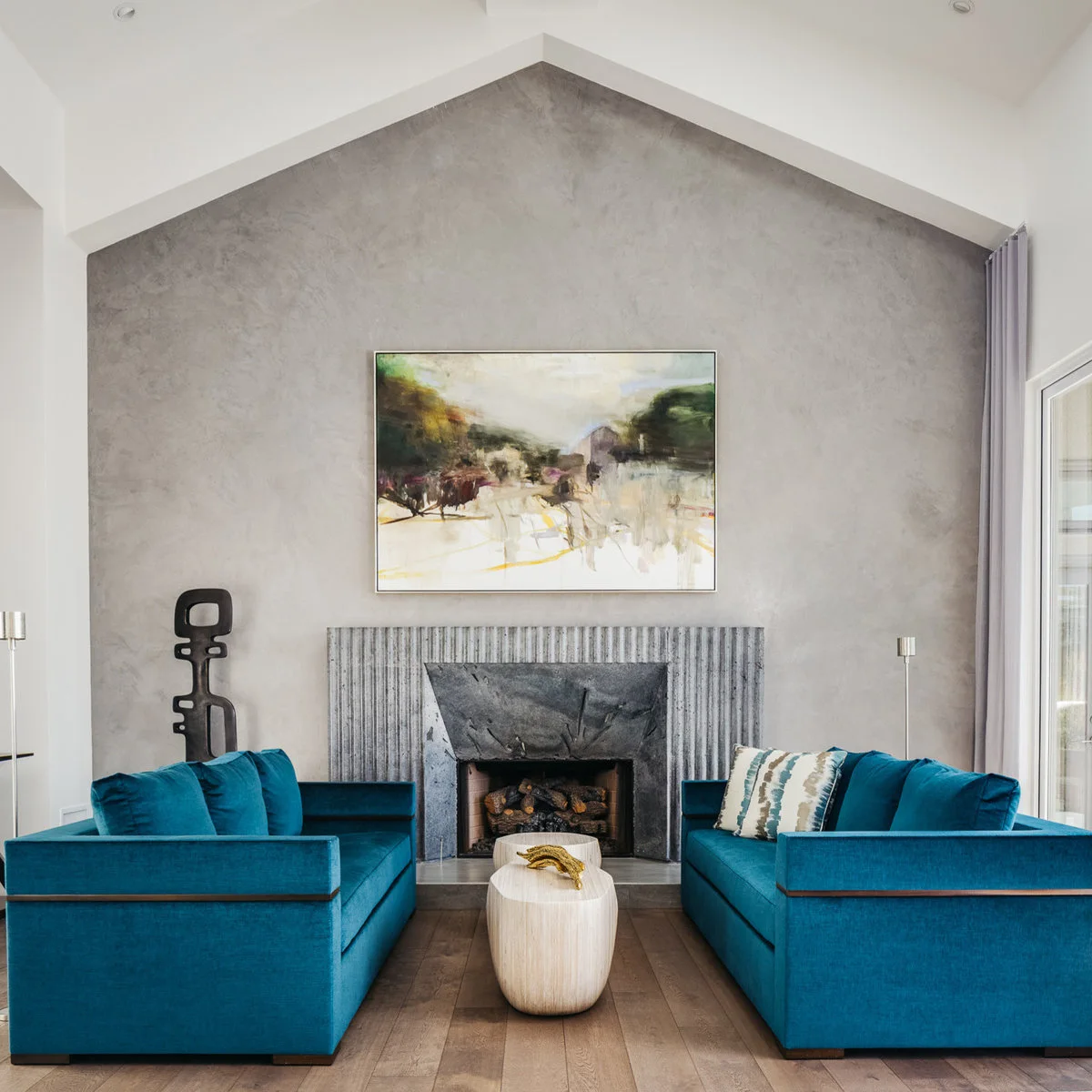
Give Teal Sofas a Textured Gray Backdrop
 SaveSupport Non AI Creator
Image credit: Project: Applegate Tran Interiors (via Houzz)
Two teal sofas stand out against a tall gray feature wall. The gray changes from a pale textured surface above to a darker, more detailed fireplace surround below. Pale rounded tables and warm floorboards prevent the two main colors from becoming the only contrast in the room.
Choose the gray wall finish with the teal fabric present, because texture and changing light can alter the effect. For living room accent wall ideas, this shows how a large neutral background can support strongly colored seating. Keep other large pieces quieter if the upholstery is already the focus.
IDEA 05 / 20
Combine Teal Accents with Gray and Pale Wood
 SaveSupport Non AI Creator
Image credit: Project: HUDSON DESIGN Architecture & Construction Mgmt (via Houzz)
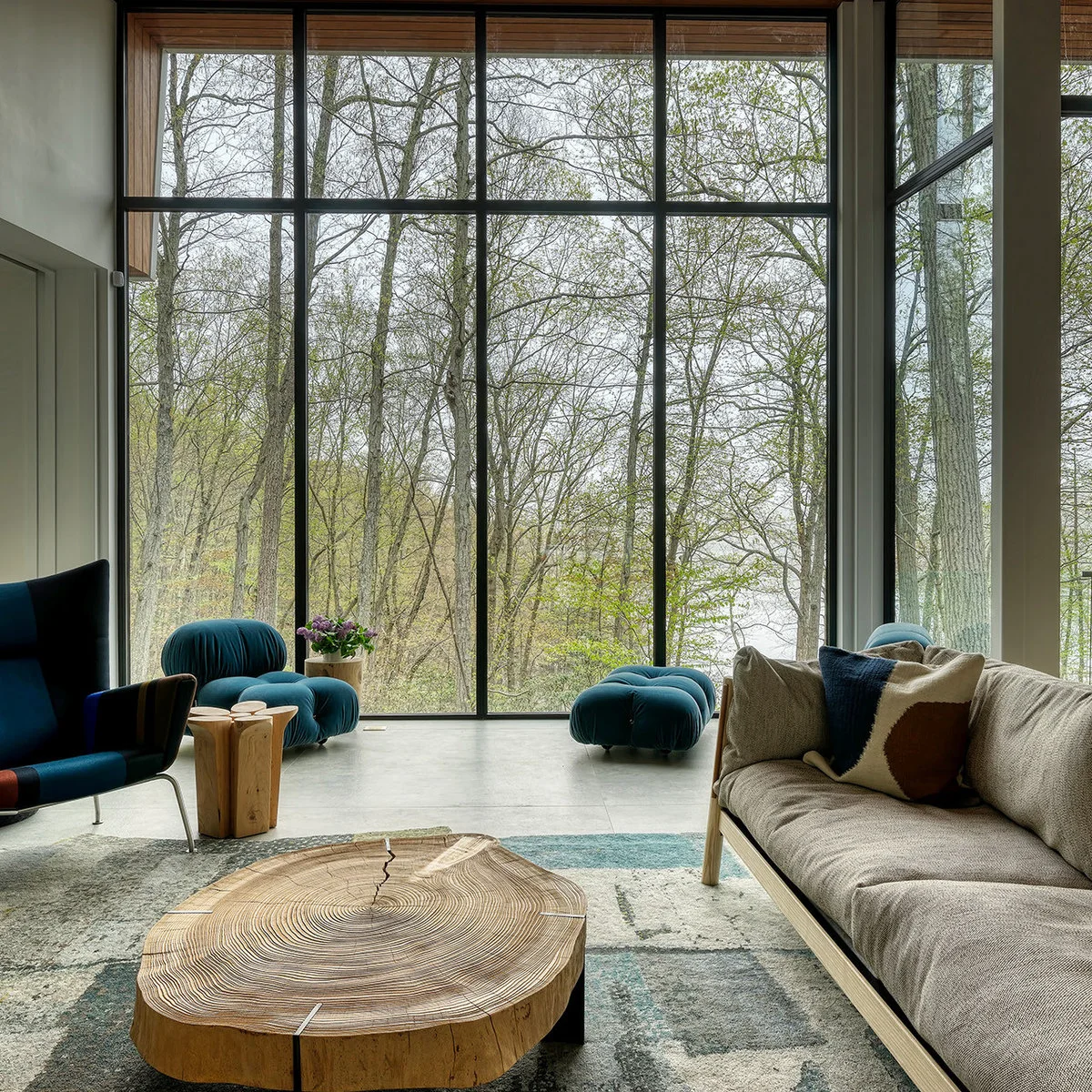
Teal seating adds deeper color around the pale gray sofa, rug and floor. A broad wood coffee table introduces a warmer natural tone at the center. The large windows bring changing outdoor colors into view, while the furniture palette remains limited enough to sit comfortably against them.
Try teal through a chair or smaller upholstered piece when a gray sofa is staying. Carry a fabric sample into the room at different times rather than judging it only against a white showroom wall. Wood can act as a useful third tone without needing to match every other timber surface exactly.
IDEA 06 / 20
Balance Gray Sofas with Blue Walls and Raspberry
 SaveSupport Non AI Creator
Image credit: Paul Johnson
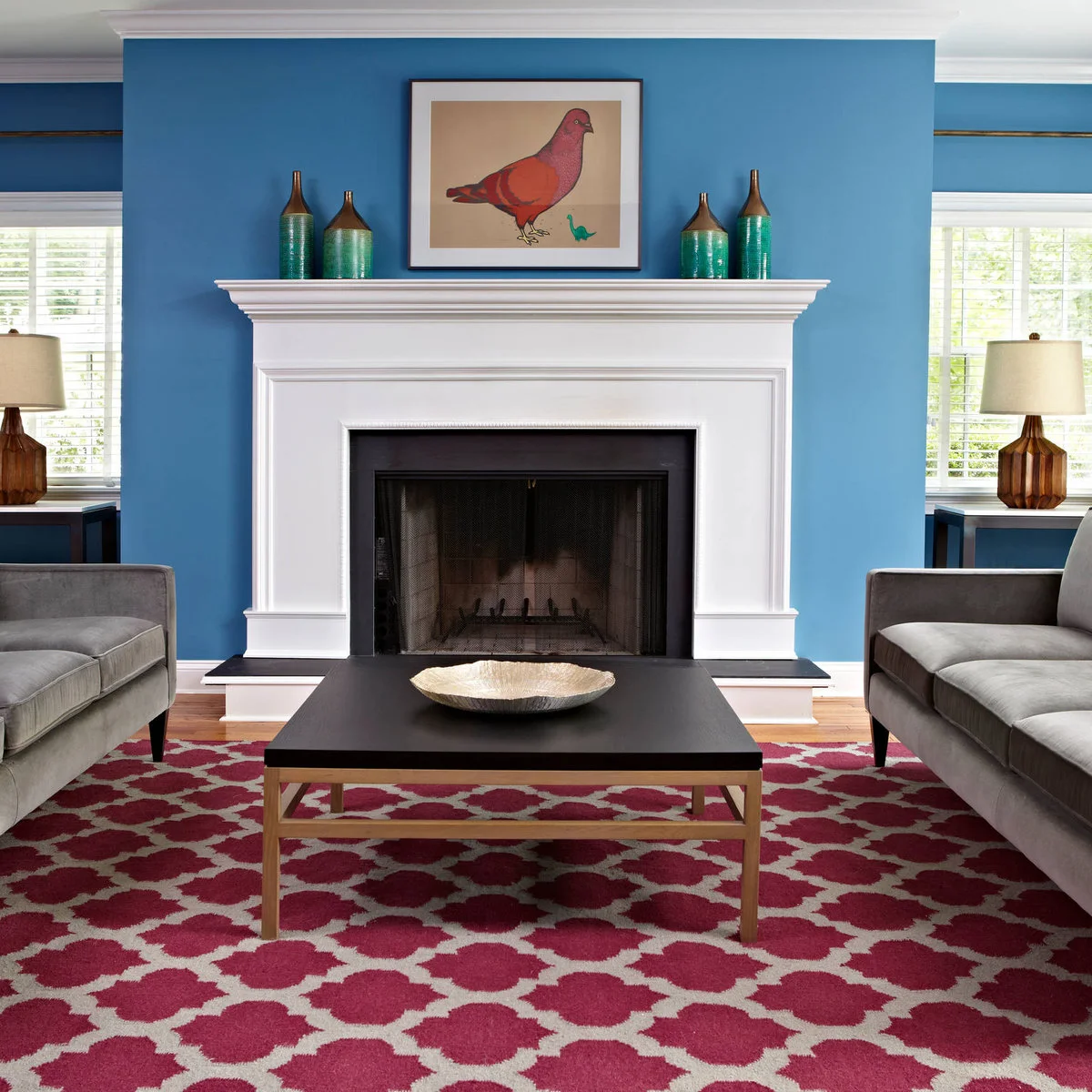
Gray sofas sit on either side of a dark coffee table, leaving the blue wall and raspberry rug to carry the stronger colors. White trim provides a crisp break around the fireplace. The gray upholstery gives both saturated surfaces a common neutral neighbor instead of adding a third competing furniture color.
When combining two strong colors, decide where each will live before buying extra accessories. A wall and a rug make their roles clear here. Compare the gray fabric with both samples, and leave some white or another light neutral between the stronger areas if the room begins to feel crowded.
PART 02
Bring in yellow, orange and richer warm colors
IDEA 07 / 20
Brighten Gray with Mustard Yellow Chairs
 SaveSupport Non AI Creator
Image credit: Project: Springfield Design (via Houzz)
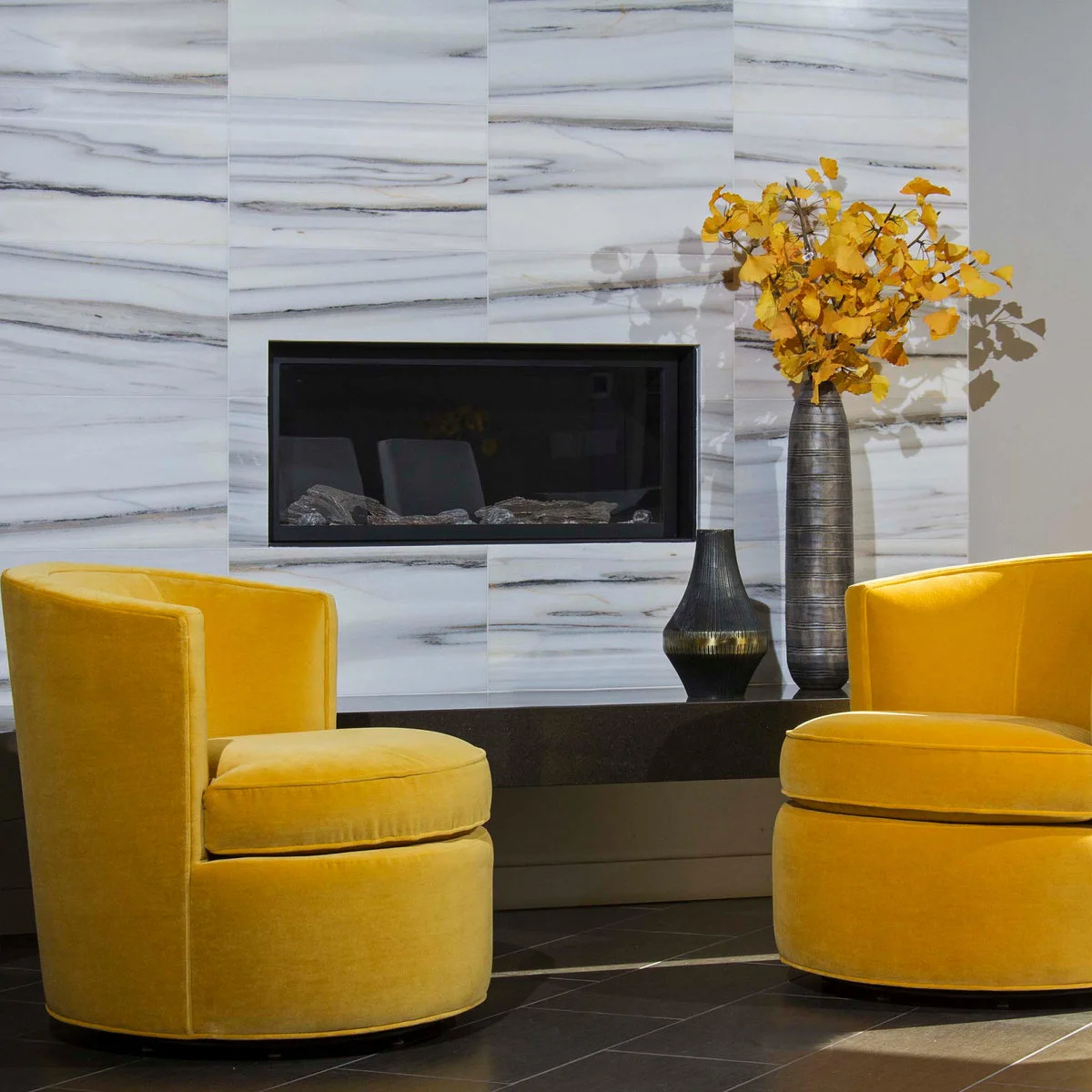
Mustard yellow chairs create the brightest shapes against a pale gray veined fireplace wall. Dark gray floor tiles and black accessories give the yellow a stronger outline. The arrangement demonstrates the pairing through substantial upholstery, rather than relying on a few scattered yellow objects.
Try a yellow fabric sample beside both the wall and floor before committing to a chair. Different yellows can make a gray appear warmer or cooler. Keep the yellow pieces separated from heat sources according to the appliance instructions; a color arrangement is not evidence of suitable operating clearance.
IDEA 08 / 20
Put a Charcoal Sofa against Golden Yellow Walls
 SaveSupport Non AI Creator
Source: houzz.com
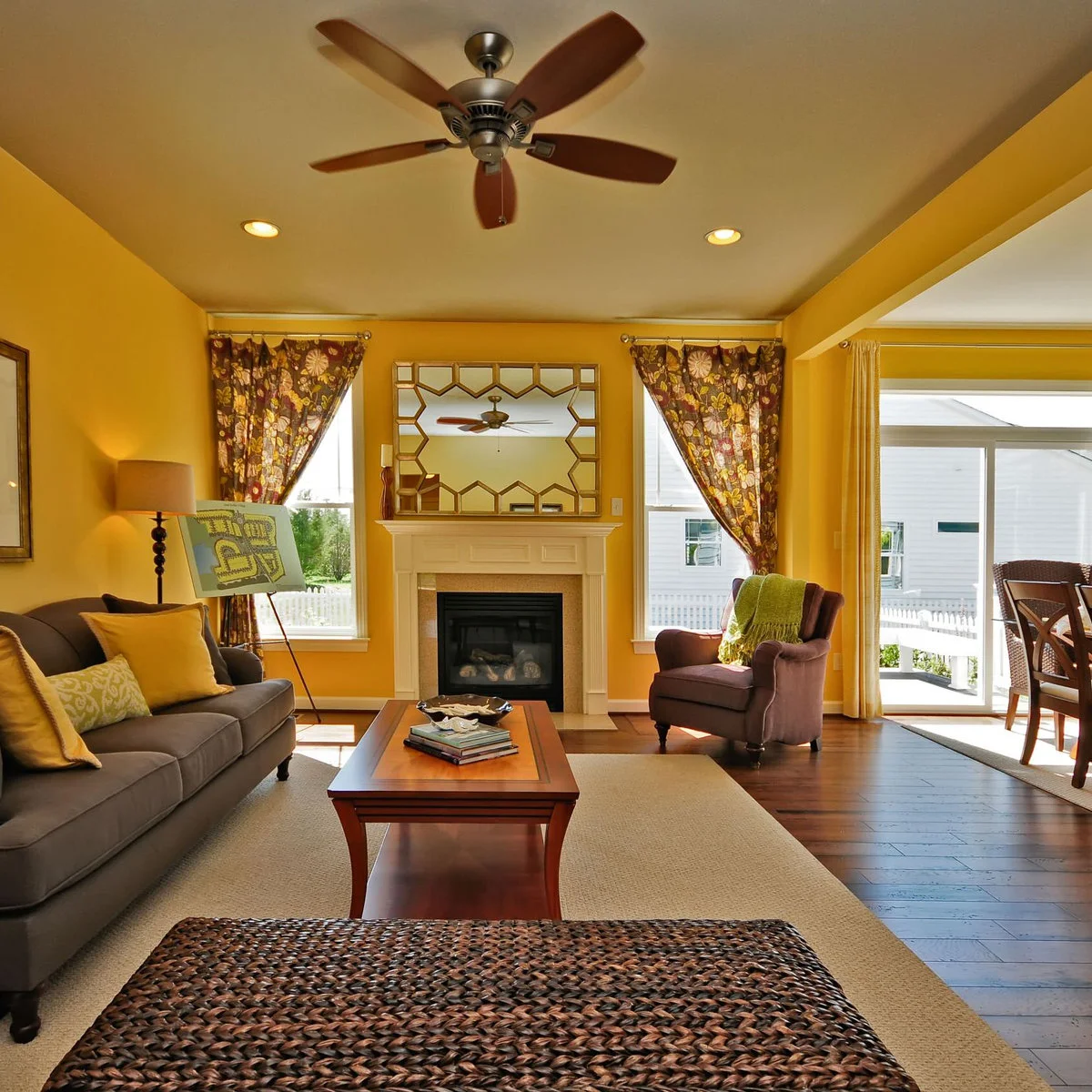
The charcoal sofa gives the golden yellow walls a dark, substantial partner. Yellow cushions repeat the wall color at seat level, while a pale rug lightens the space between the furniture. Dark floorboards and wood tables add warm variation without taking attention away from the main contrast.
Use the existing sofa as the reference when sampling a strong wall color. Look at the sample behind the sofa and near the windows, where its appearance may differ. Pale textiles can make the pairing less heavy, but choose their cleaning requirements for the way the room is actually used.
IDEA 09 / 20
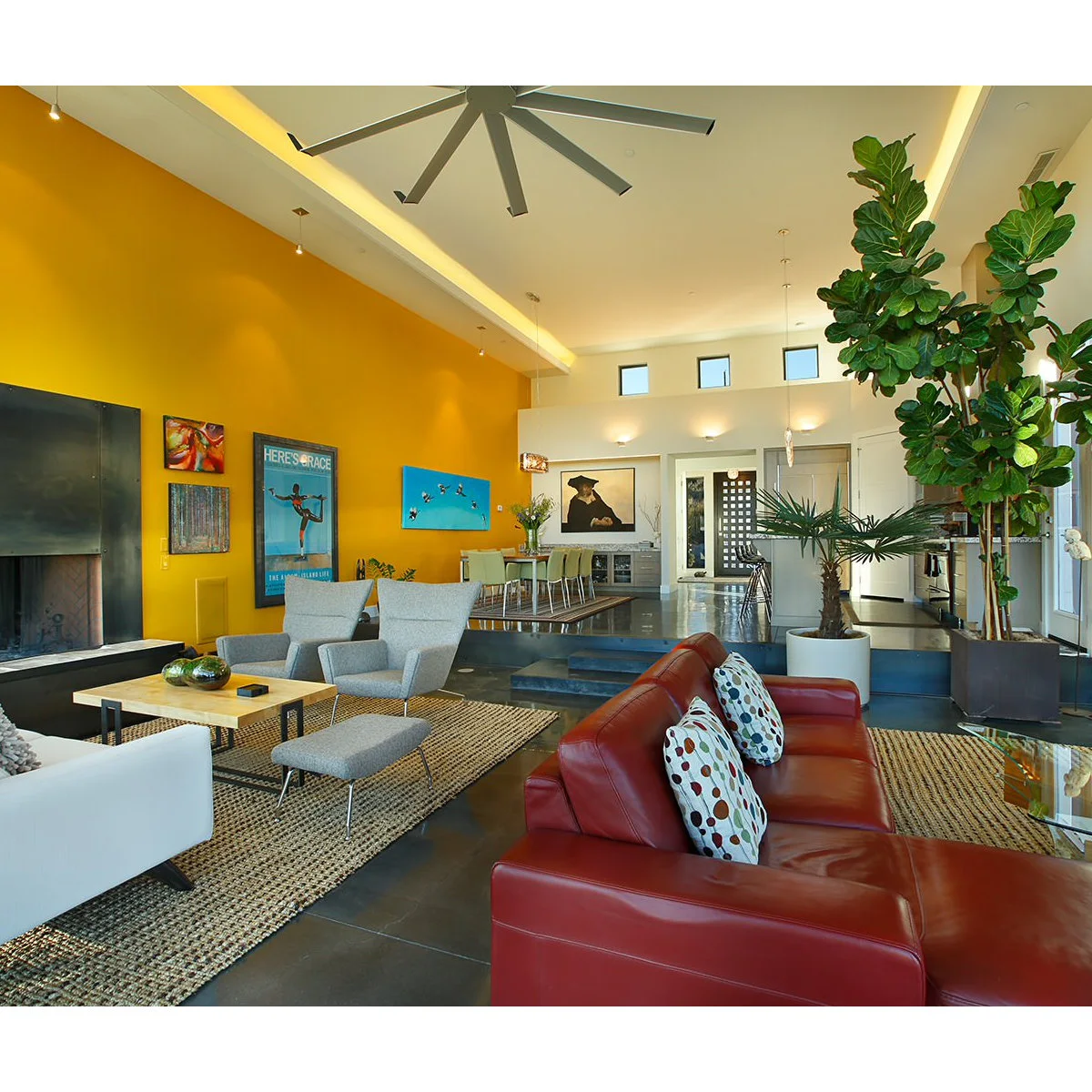
Use Gray Chairs to Balance Warm Red and Yellow
 SaveSupport Non AI Creator
Image credit: Jim Fairchild
Light gray chairs create a cooler pause between the reddish brown sofa and the golden yellow wall. The gray floor extends that neutral role across the seating area. Colorful artwork links the surrounding tones without requiring every upholstered piece to share one hue.
Keep at least one large surface restrained when using several warm colors together. Gray seating can do that job while still feeling connected through the floor or accessories. Compare the gray in both sun and shade so its cooler appearance is deliberate rather than an unexpected mismatch.
IDEA 10 / 20
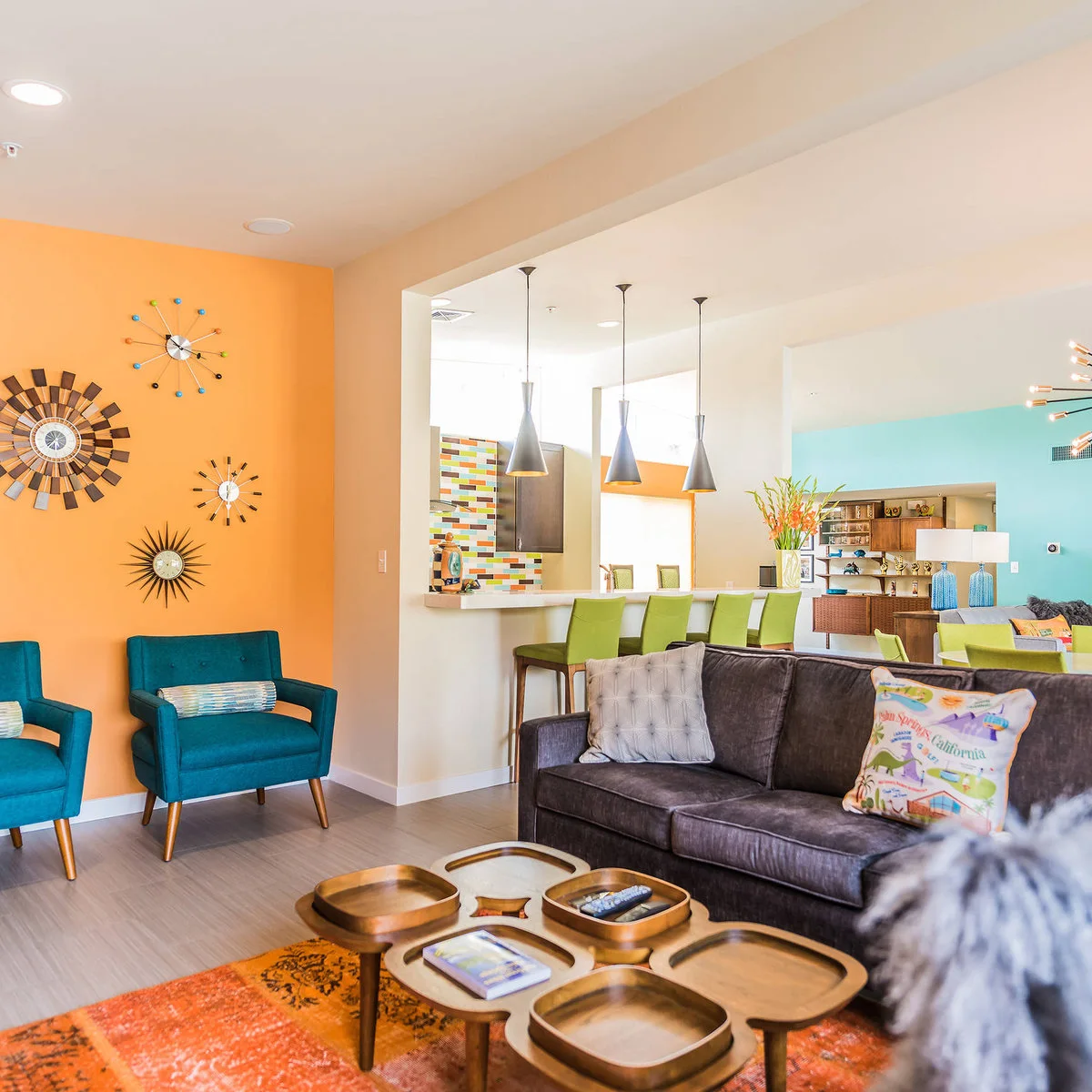
Connect a Gray Sofa with Orange and Teal
 SaveSupport Non AI Creator
Image credit: Project: digs inside & out (via Houzz)
The charcoal sofa anchors a room containing orange walls, an orange rug and teal chairs. Its darker neutral surface gives the brighter pieces a common point of contrast. Small pale cushions keep the sofa from becoming a solid dark block in the open arrangement.
Repeat each strong color in a controlled area rather than adding every color to every item. If your gray sofa has a noticeable purple or blue cast, check it directly beside the orange fabric or paint. A trial cushion is easier to change than a full wall or new upholstered chair.
IDEA 11 / 20
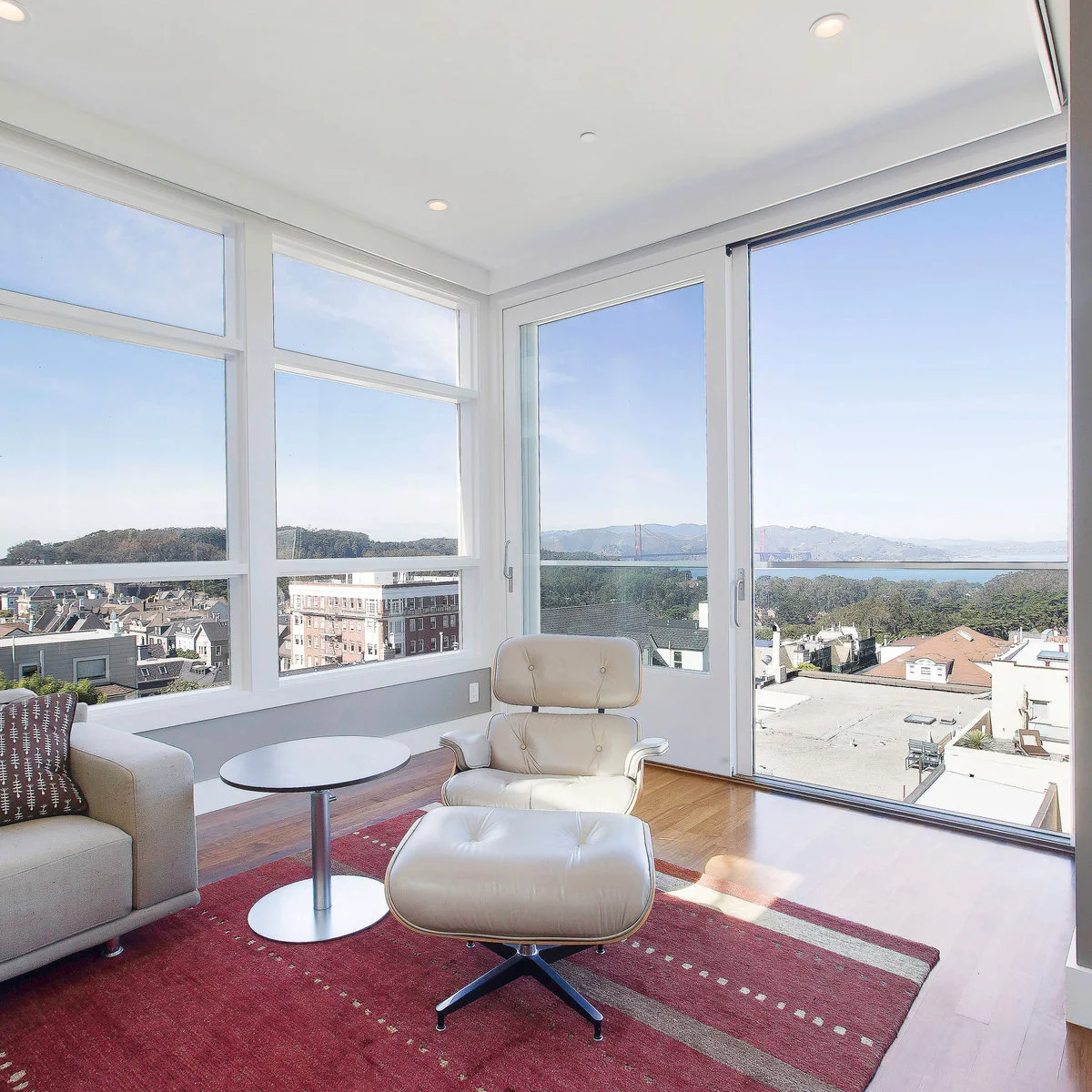
Warm a Light Gray Room with a Burgundy Rug
 SaveSupport Non AI Creator
Image credit: Joseph Schell
A burgundy rug adds warmth beneath the light gray sofa and pale wall panels. The cream lounge chair supplies another light tone without blending completely into the sofa. Wood flooring around the rug gives the deeper red a natural transition into the rest of the room.
A rug is a useful place for a rich color when you want to keep walls light. Compare its red with the gray upholstery in the room’s daylight, and check how much floor will remain visible. Choose dimensions around the seating arrangement so the color feels part of the furniture group.
IDEA 12 / 20
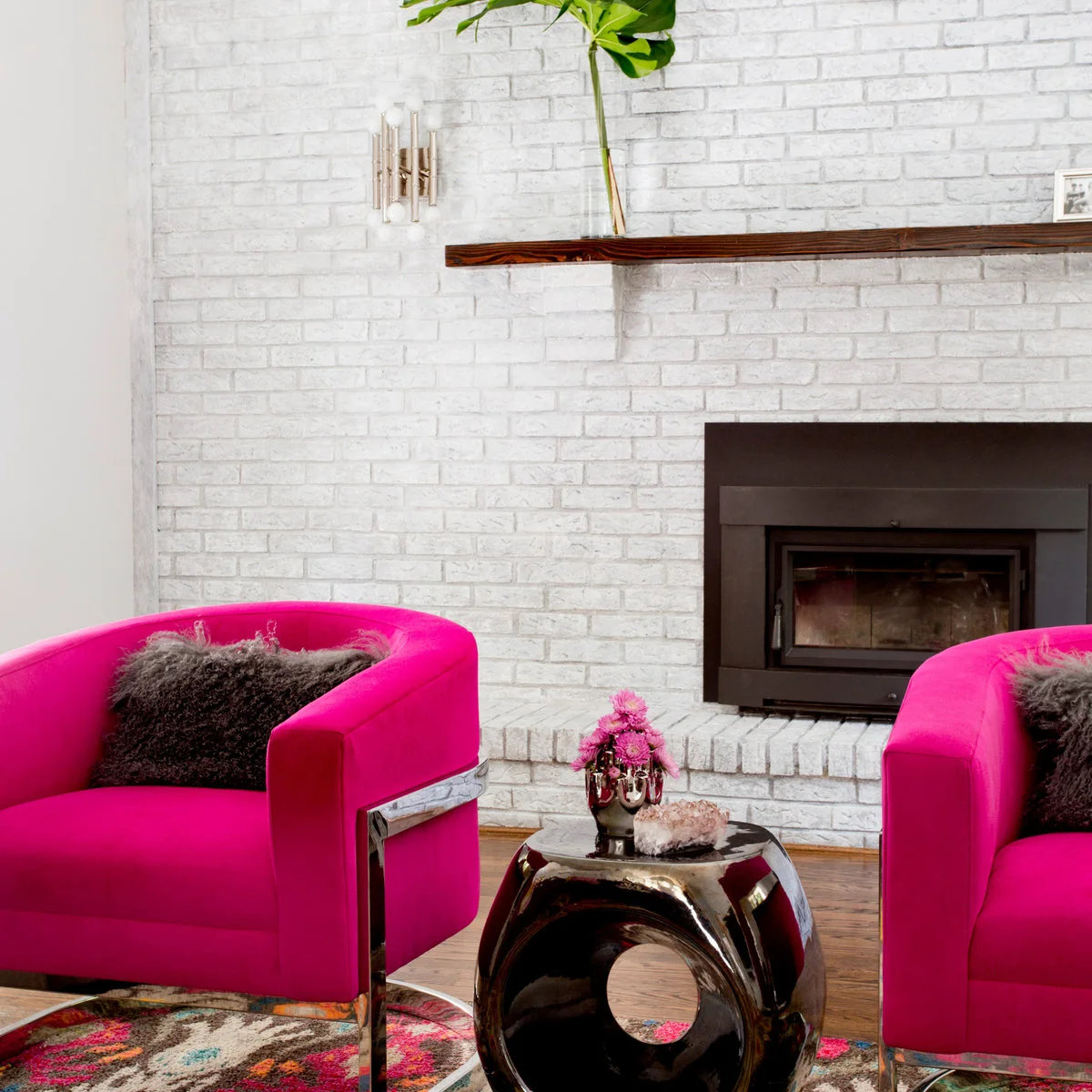
Sharpen Bright Pink with Charcoal Cushions
 SaveSupport Non AI Creator
Image credit: Rikki Snyder
Bright pink chairs receive a darker edge from charcoal textured cushions. The white brick wall and reflective table introduce lighter, harder surfaces around the soft upholstery. Gray appears in a small but noticeable role, showing that a companion neutral does not always need to cover the walls.
Start with a removable cushion when testing a bold pink against gray. Look for enough difference in texture or lightness to keep the two fabrics distinct. Check the cleaning guidance before choosing a deeply textured cushion, particularly if shedding fibers or frequent use would make upkeep frustrating.
PART 03
Use pink and wood to soften the contrast
IDEA 13 / 20
Set Pink Upholstery beside Warm Gray Walls
 SaveSupport Non AI Creator
Image credit: Suzanne Currie
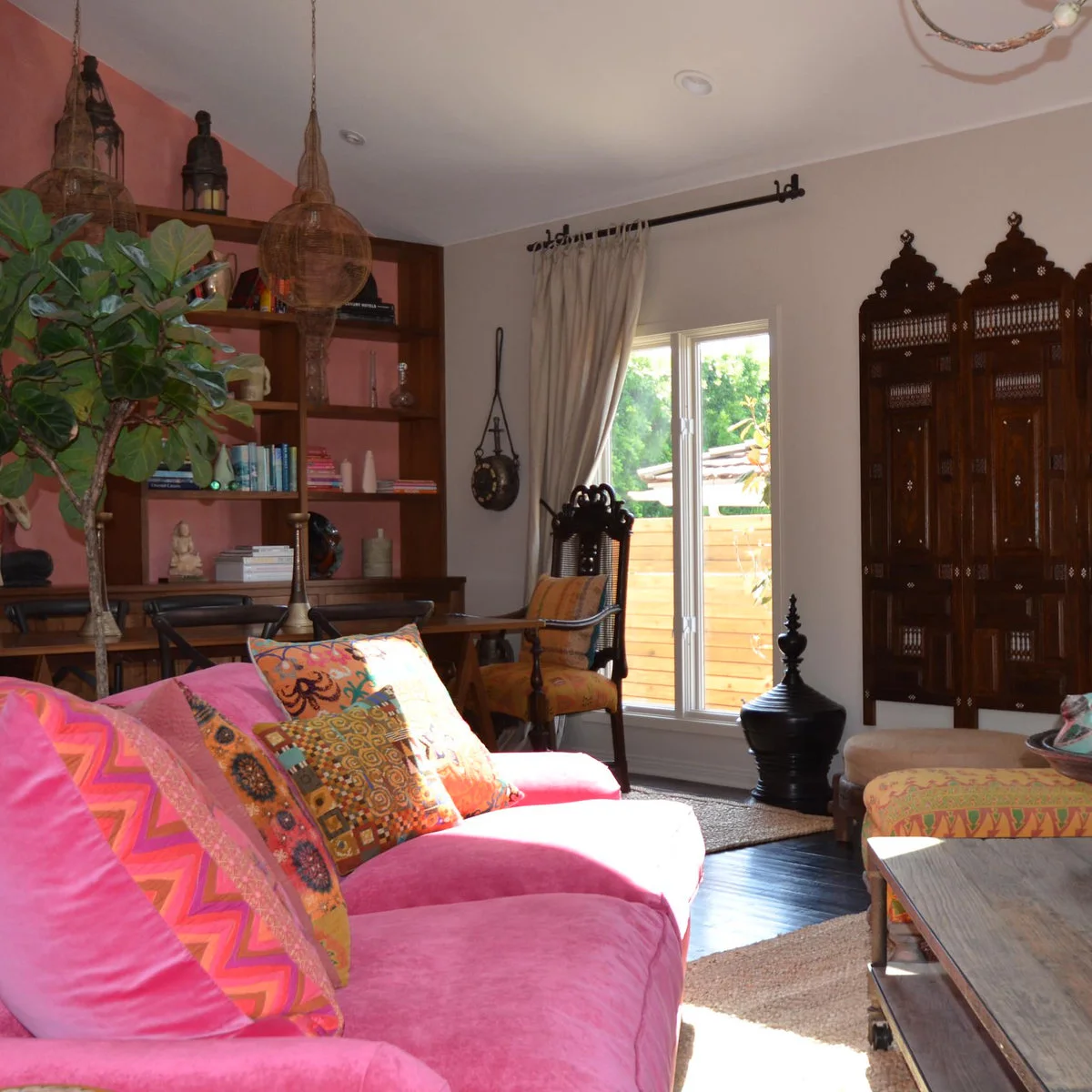
Pink upholstery and orange-patterned cushions occupy the foreground, while a warm gray wall frames the window. Dark wood furniture gives the bright fabrics a more substantial setting. The gray acts as a neighboring surface rather than trying to appear in every accessory or decorative object.
If pink feels too strong across a whole room, let it occupy one upholstered piece and keep adjacent walls quieter. Compare the gray with the pink under your evening lamps as well as daylight. Existing wood furniture may provide enough additional warmth without another painted accent color.
IDEA 14 / 20
Soften a Warm Gray Sofa with Blush Pink
 SaveSupport Non AI Creator
Image credit: Eric Roth Photography
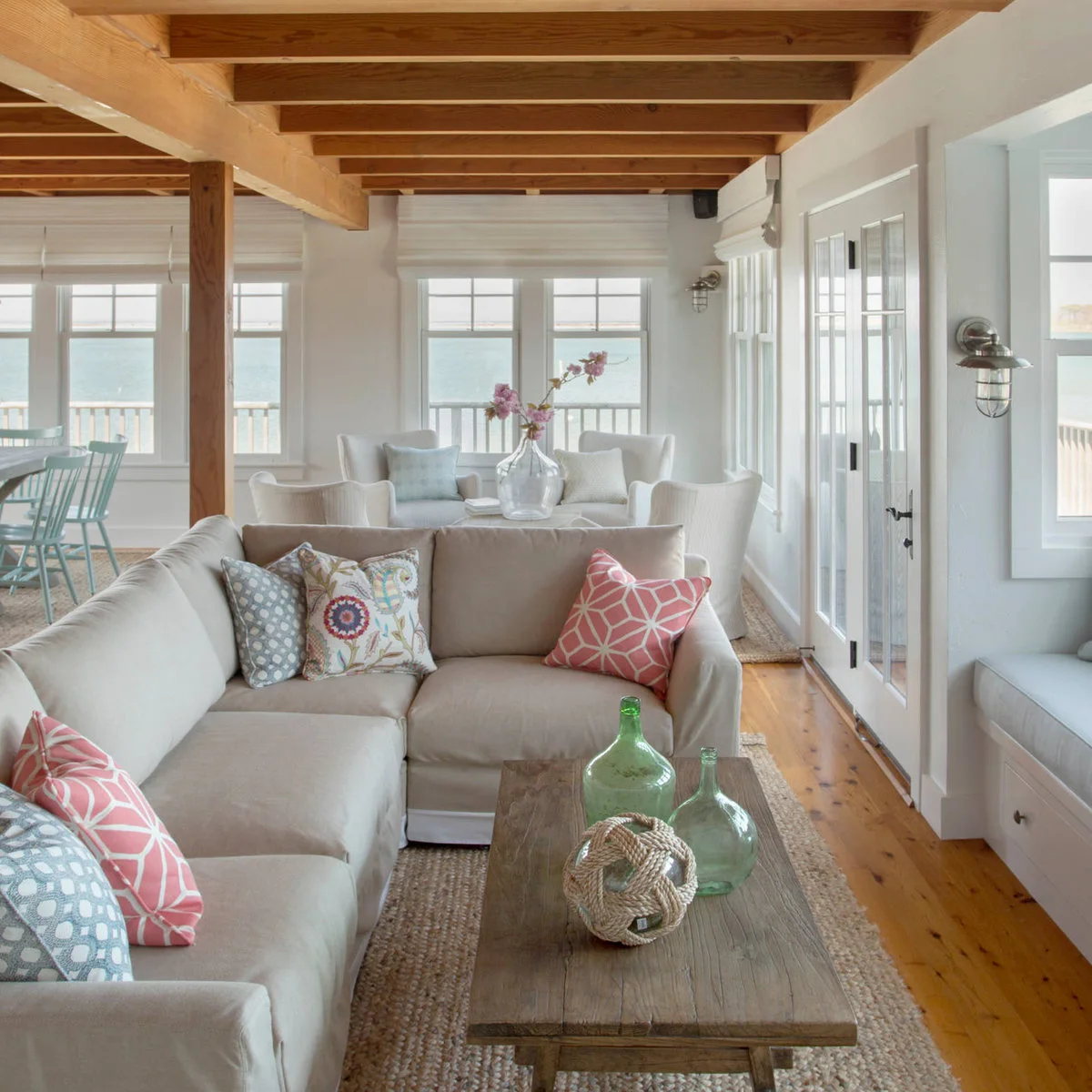
Blush pink cushions soften the warm gray sectional, with pale blue patterns adding another quiet note. Wood beams, floorboards and a weathered-looking table create a warm setting around the upholstery. The repeated pink stays small enough that the room still reads primarily as a light neutral space.
Use cushion covers to test pink before adding larger furnishings. Place the sample beside the sofa’s seat and back, where the gray may read differently in the light. Choose washable options where practical, and keep some plain fabric between patterns so the soft colors remain easy to distinguish.
IDEA 15 / 20
Make Warm Wood Stand Out against Pale Gray
 SaveSupport Non AI Creator
Image credit: Project: Significant Homes LLC (via Houzz)
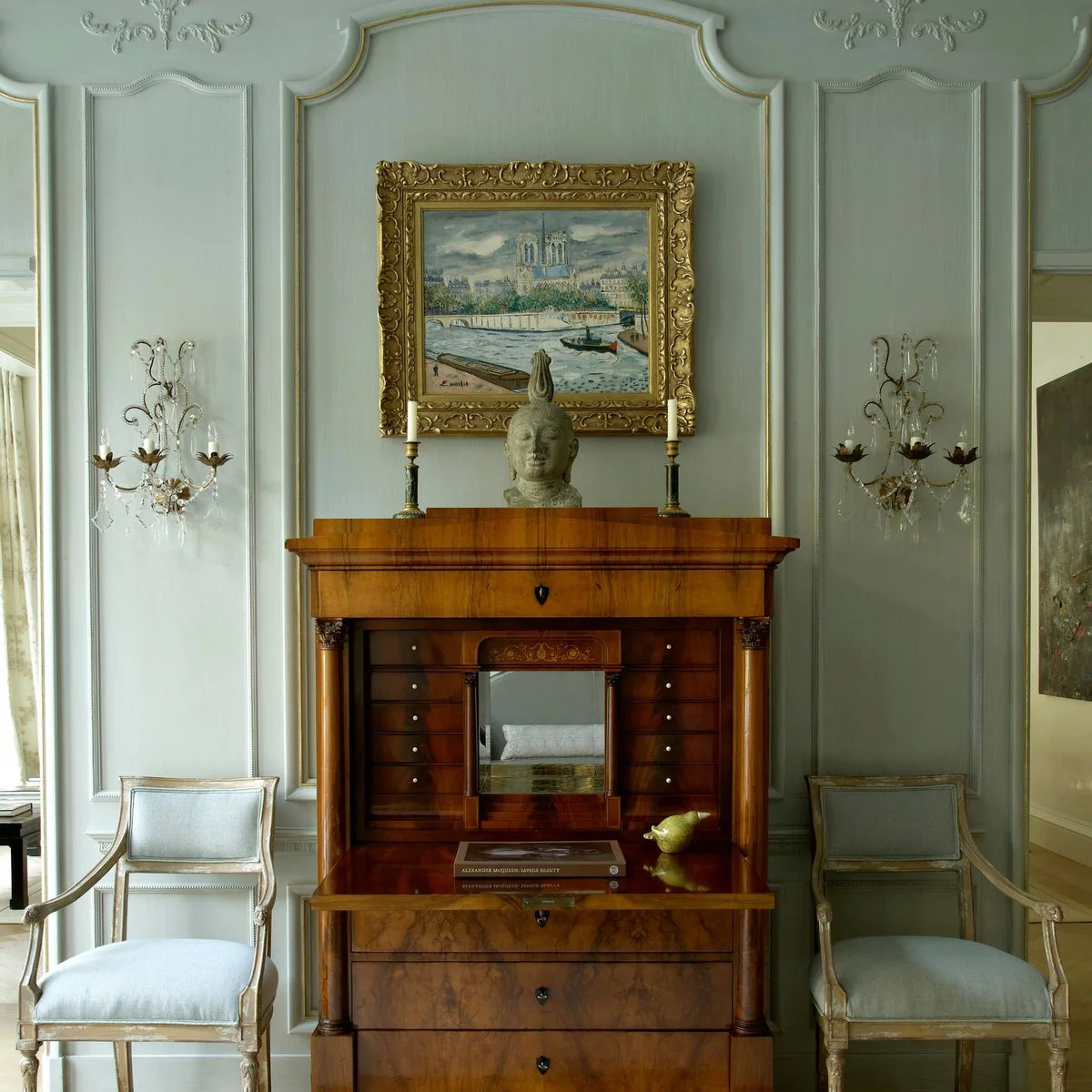
The warm wood cabinet becomes the center of attention against pale gray paneled walls. Light upholstered chairs echo the subdued background, while a gold-colored picture frame adds another warm outline. The room shows how a neutral wall can support detailed furniture without needing a contrasting painted accent.
Compare the gray paint with the wood’s visible color, including darker edges and lighter grain. A finish that suits one small sample may look different across a large cabinet. Keep surrounding upholstery calm if the furniture already has strong pattern, carving or a distinctive outline.
IDEA 16 / 20
Lift a Gray Floor with Burnt Orange Seating
 SaveSupport Non AI Creator
Image credit: Susan Teare
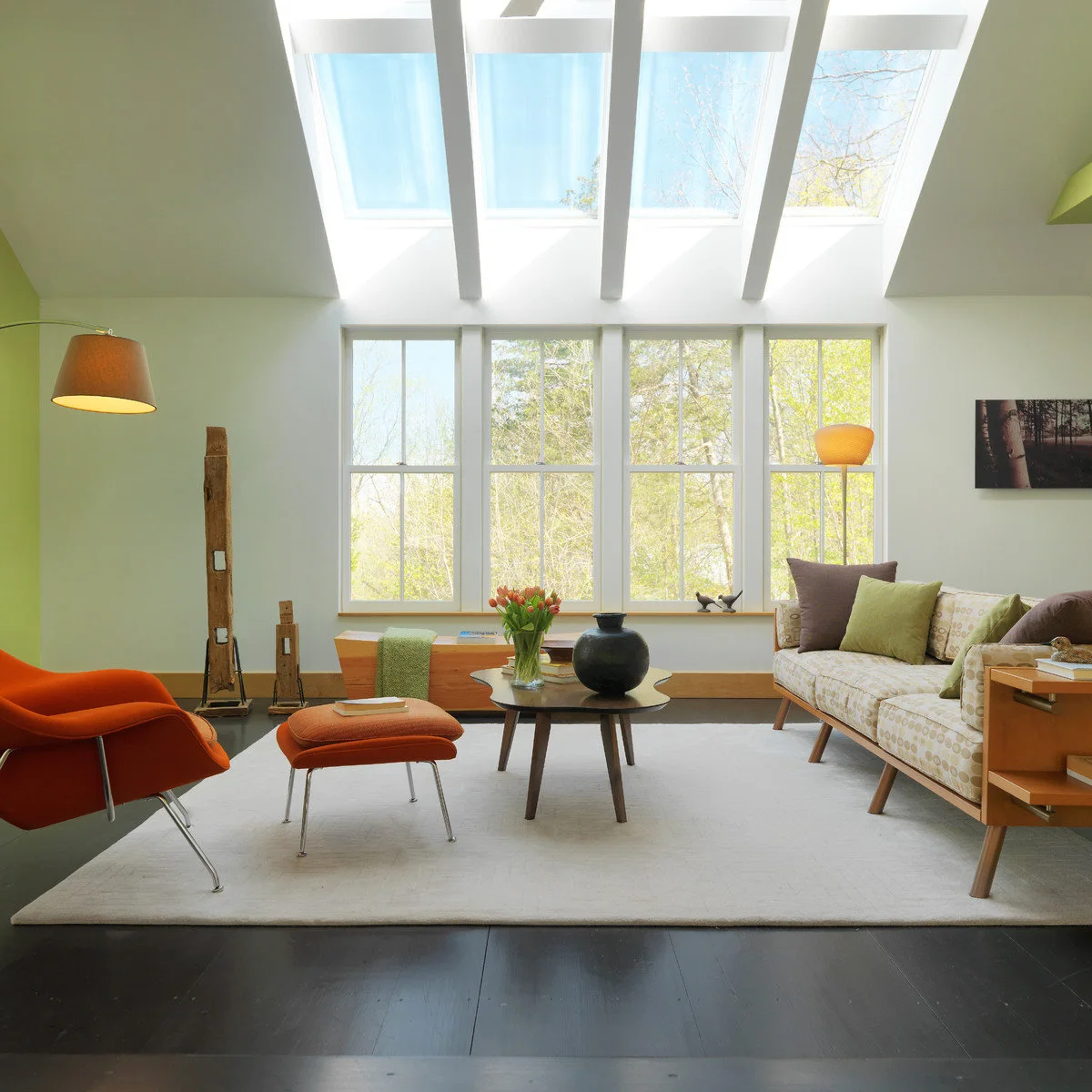
Burnt orange seating brings warmth to the dark gray floor around this pale rug. Warm wood furniture and small green textiles add variation without competing with the chair. The gray remains most visible at the room’s edges, making the colorful seating feel deliberately placed within a quieter frame.
Consider the floor as part of the palette even when a large rug covers much of it. Bring an orange fabric sample beside the exposed gray before choosing upholstery. Leave enough floor showing to understand the relationship, while sizing the rug around comfortable furniture placement and walking routes.
PART 04
Build a layered palette with white and natural tones
IDEA 17 / 20
Layer White and Gray with Small Olive Accents
 SaveSupport Non AI Creator
Image credit: Project: Interior Marketing Group (via Houzz)
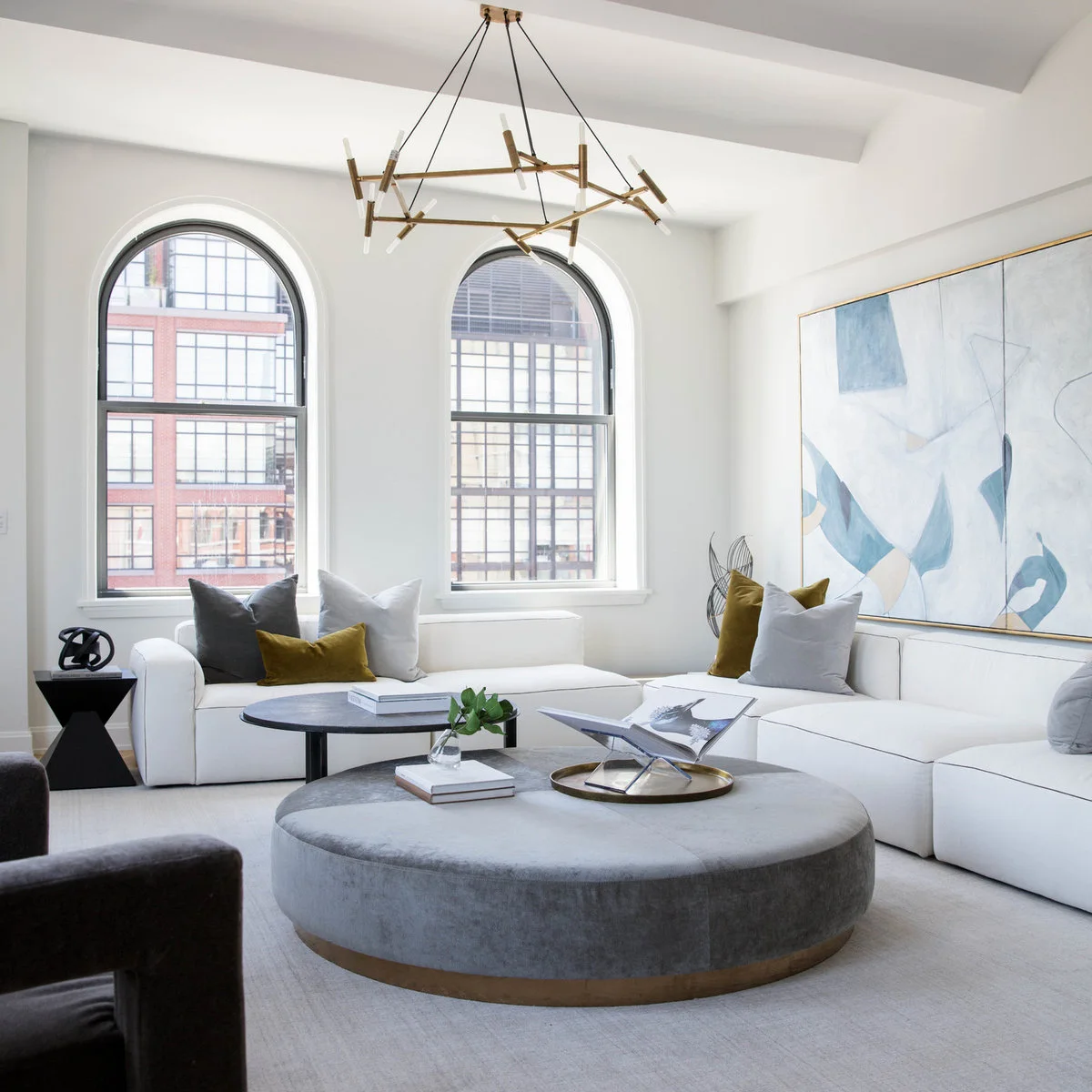
White sofas surround a large gray ottoman, with darker gray and olive cushions adding smaller contrasts. Pale artwork repeats the light colors above the seating. The rounded center piece varies the shapes as well as the tones, helping the restrained palette avoid feeling like a row of matching rectangles.
For minimalist living room ideas, vary the scale and texture of the neutral surfaces before adding more colors. Check white upholstery samples beside the gray rather than choosing them independently. The olive accents can stay small, allowing a later change without replacing the room’s largest pieces.
IDEA 18 / 20
Combine Charcoal Seating with Cognac and Stone Tones
 SaveSupport Non AI Creator
Image credit: Kat Alves
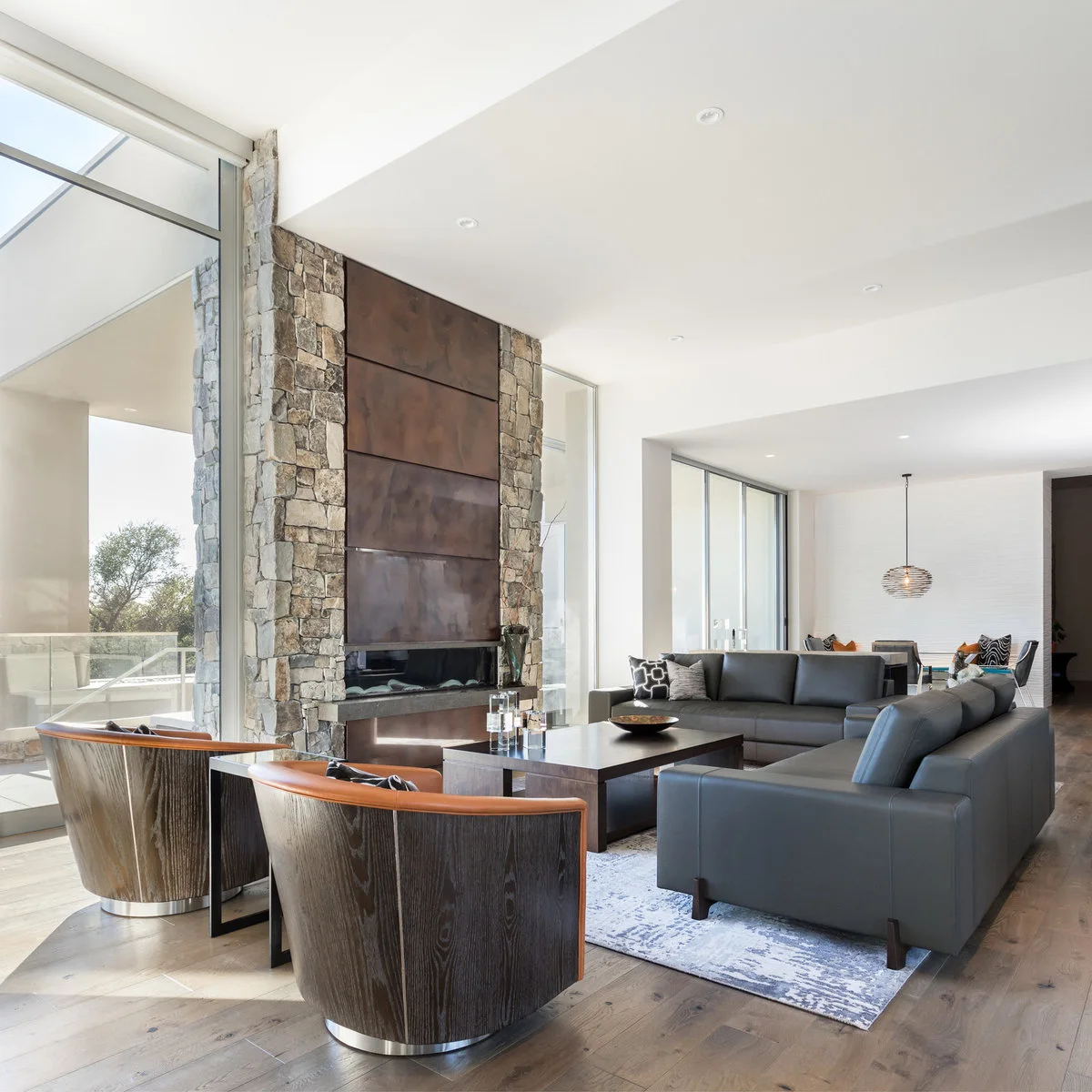
Charcoal sofas gain warmth from the cognac-colored upholstery on the curved chairs. The fireplace wall mixes gray and brown tones, connecting both furniture colors with the surrounding architecture. A pale rug and white ceiling provide relief from the darker seating and textured wall.
Use a warm brown through a chair or smaller upholstered piece if charcoal already fills much of the room. Compare the brown with existing floors and stone tones so the combination feels intentional. Look at sheen as well as color; reflective and matte surfaces can make similar shades appear quite different.
IDEA 19 / 20
Give Gray Upholstery a Black Outline and Wood Warmth
 SaveSupport Non AI Creator
Image credit: Project: Esquema Inc (via Houzz)
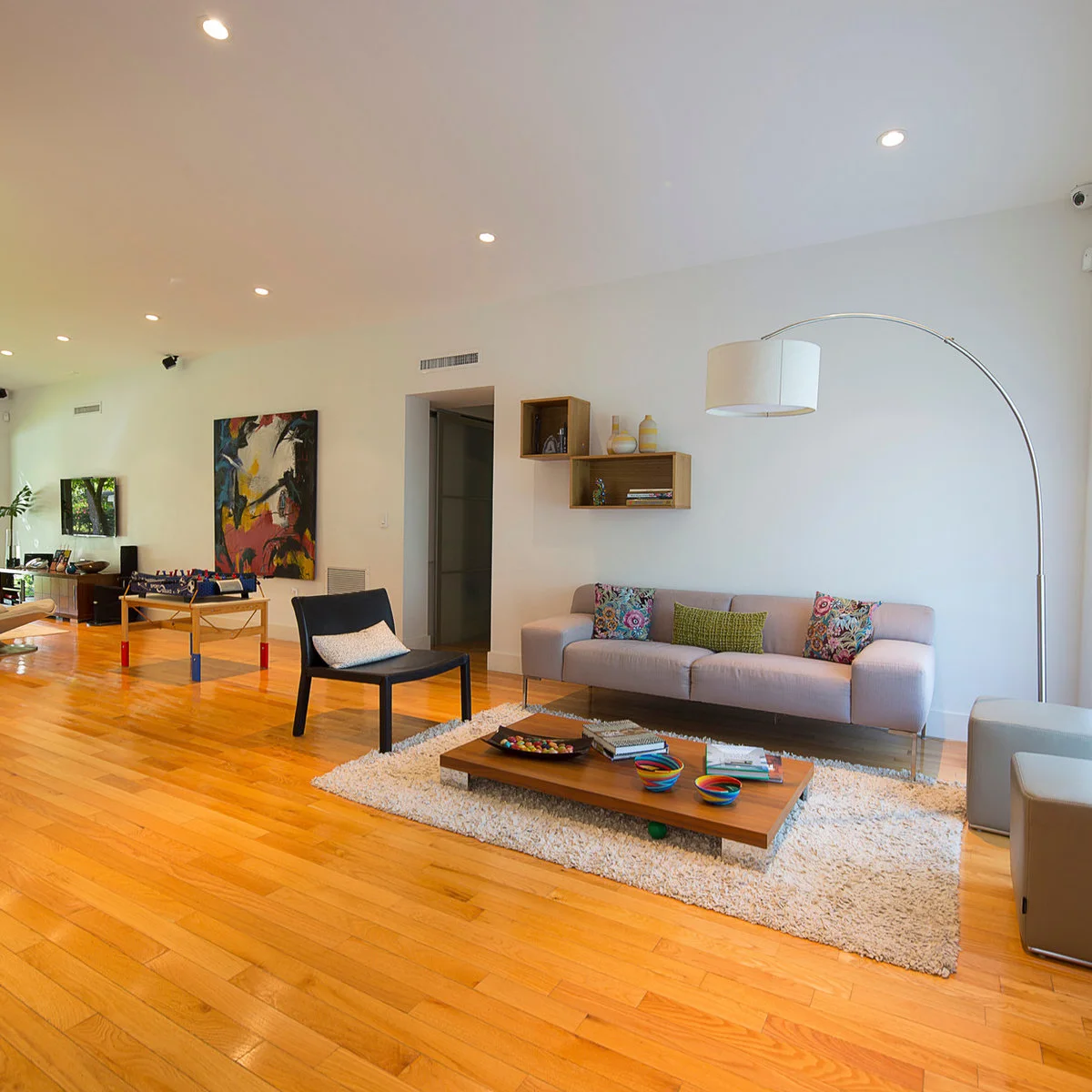
The light gray sofa sits beside a black chair, creating a clear difference in tone without relying on a dark painted wall. Warm wood flooring and a low wood table soften the contrast. Colorful cushions and small bowls provide changeable accents within that more durable neutral arrangement.
Choose the black piece for its practical role and shape, then consider how much contrast it introduces. A single chair may be enough beside pale gray seating. Repeat a little dark color elsewhere if necessary, but preserve some lighter surfaces so the room does not become visually bottom-heavy.
IDEA 20 / 20
Add Chartreuse to a Blue-Gray Seating Area
 SaveSupport Non AI Creator
Image credit: Circle Ten Media
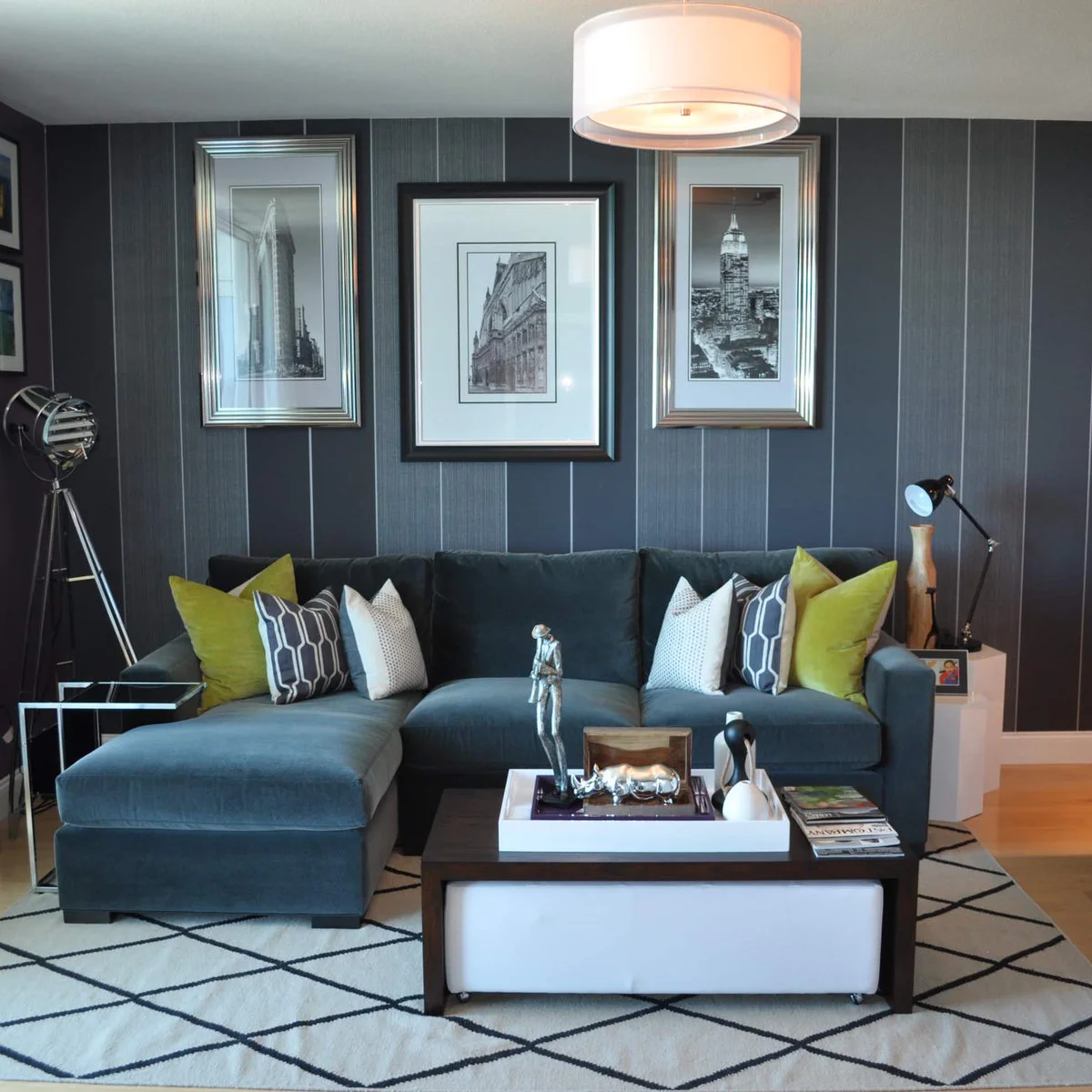
Chartreuse cushions provide bright contrast on the blue-gray sectional. The dark striped wall extends the gray family upward, while the pale geometric rug keeps the lower room lighter. White accessories and framed monochrome pictures give the vivid cushions room to stand out.
Use this sharp yellow-green in small quantities first, particularly against a cool gray. Check it under the room’s lamps because its intensity may change noticeably. When adapting rectangular living room layouts, place the strongest accent where you want attention rather than repeating it along every wall.
BRING IT ALL TOGETHER
Test the relationship before committing to a whole room
Put a substantial color sample beside your existing gray upholstery or finish. Look at it from different parts of the room in daylight and after dark. Include the floor, trim and curtains in the comparison; gray can appear quite different when those surrounding surfaces change.
Decide which color will cover the largest area and which will act as an accent. Try movable textiles before repainting if you are unsure. Repeating a companion color in a few places can make it feel intentional, but every cushion, vase and picture does not need to match.