15 Minimalist Living Room Ideas for a Calm Cozy Home
Creating a minimalist living room can transform your home into a serene retreat. With a focus on simplicity and functionality, this décor theme emphasizes calmness and coziness. Let’s explore 15 inspiring ideas to help you design a living room that feels spacious, inviting, and utterly relaxing.
1. Neutral Color Palette
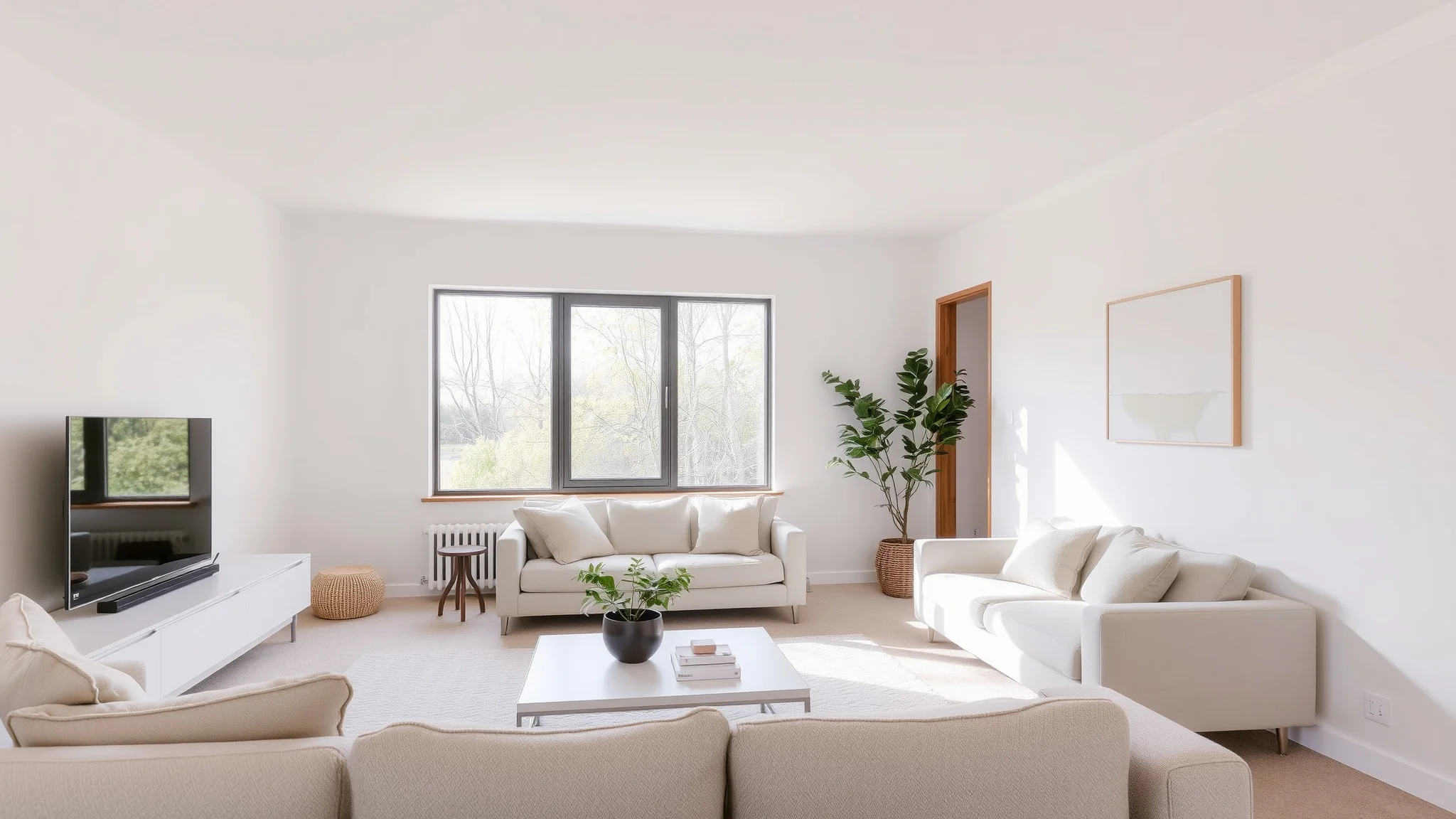
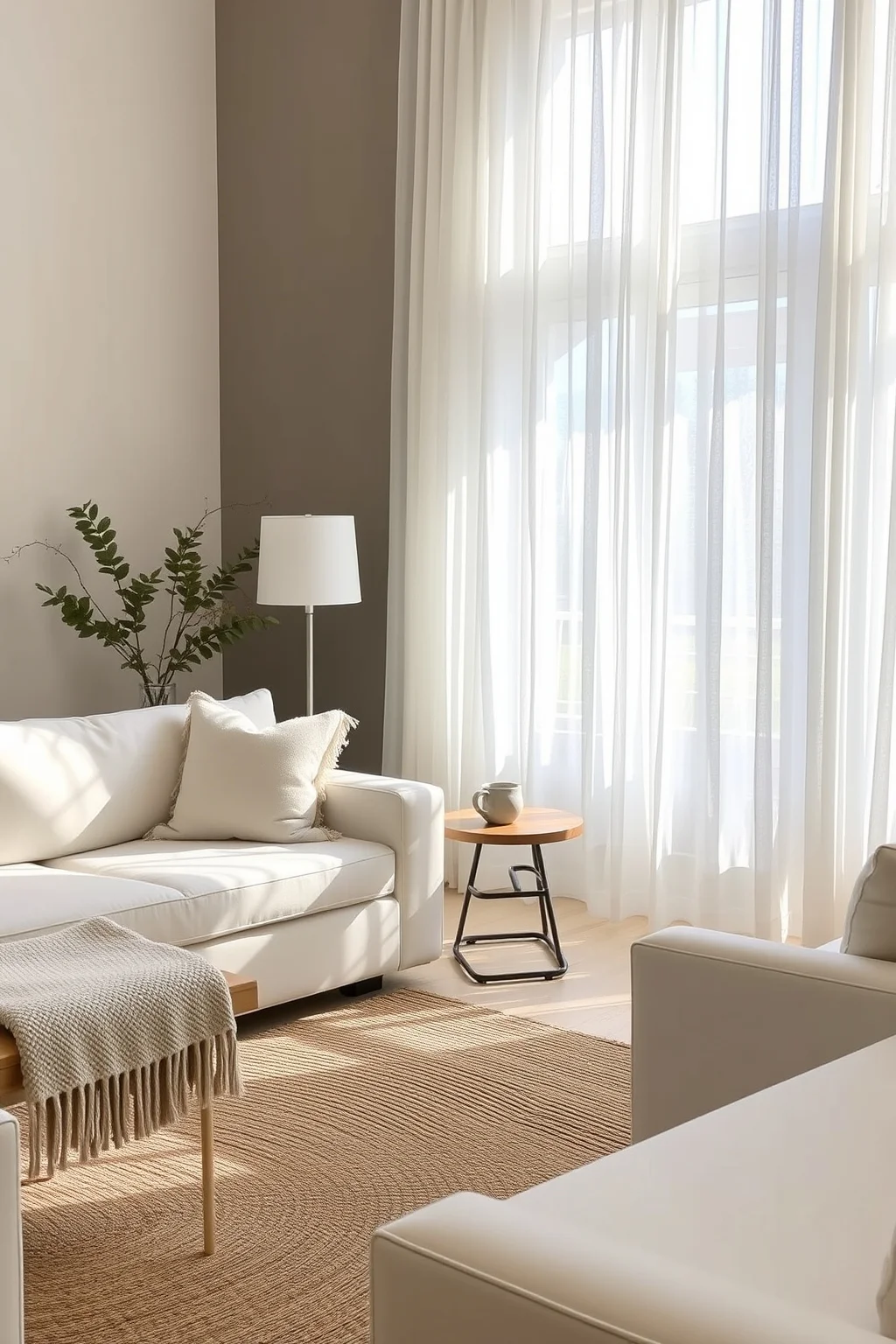
A neutral color palette is the foundation of minimalist décor. Think soft whites, beiges, and grays that create a calm backdrop in your living room. Picture a room where light filters through sheer curtains, casting gentle shadows on the walls, highlighting the clean lines of your furnishings.
This color scheme brings a soothing vibe, allowing other elements to shine. Guests often feel at ease when they first step into a space painted in soft tones, and conversations flow smoothly over a glass of wine or during casual gatherings. A tip here is to incorporate textures, like a plush throw or a jute rug, to add warmth without overwhelming the space.
- Choose shades like soft taupe or creamy ivory.
- Layer different neutral tones for depth.
- Use accent colors sparingly for a pop of interest.
💡 Quick Tip: Consider painting an accent wall in a slightly darker neutral for added dimension.
2. Natural Materials
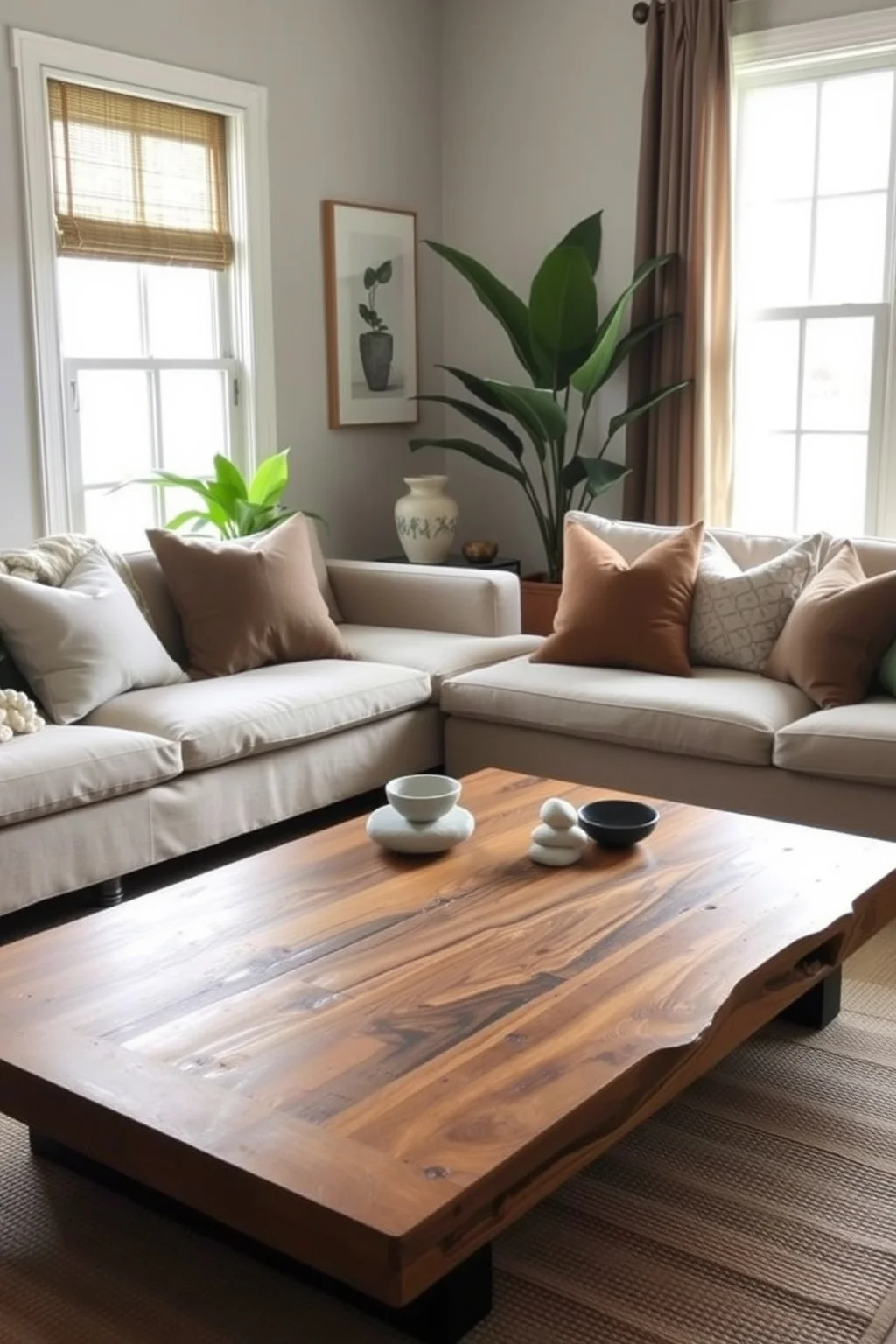
Incorporating natural materials like wood, stone, and linen can enhance the minimalist aesthetic. Imagine a sleek wooden coffee table paired with a soft linen sofa, creating a harmonious connection with nature. This combination brings warmth and organic beauty into your living space.
Natural materials ground the room, making it feel more inviting. When guests sit on a cozy linen couch, they often comment on the comfort and beauty of the space, appreciating the simplicity of the design. Adding a plant or two can further enhance this effect, offering a touch of life and freshness that invites relaxation.
- Opt for a reclaimed wood coffee table.
- Use linen or cotton for cushions and throws.
- Incorporate stone elements like decorative bowls or sculptures.
💡 Quick Tip: Use a live edge wood slab for a unique and rustic coffee table.
3. Minimalist Furniture
Choosing minimalist furniture means selecting pieces that are both functional and aesthetically pleasing. Think of a low-profile sofa with clean lines or a sleek armchair. This type of furniture helps maintain an uncluttered look, making the room feel more spacious.
When friends come over, they often comment on how open and airy the room feels, encouraging them to relax and linger. A practical tip is to choose multi-functional furniture, like a coffee table with storage, to keep the space tidy while still being inviting for gatherings.
- Look for sofas with legs to create an airy feel.
- Choose side tables that double as storage.
- Keep the number of pieces to a minimum for a clean look.
💡 Quick Tip: Consider a sofa bed for extra sleeping space without compromising style.
4. Decluttered Surfaces
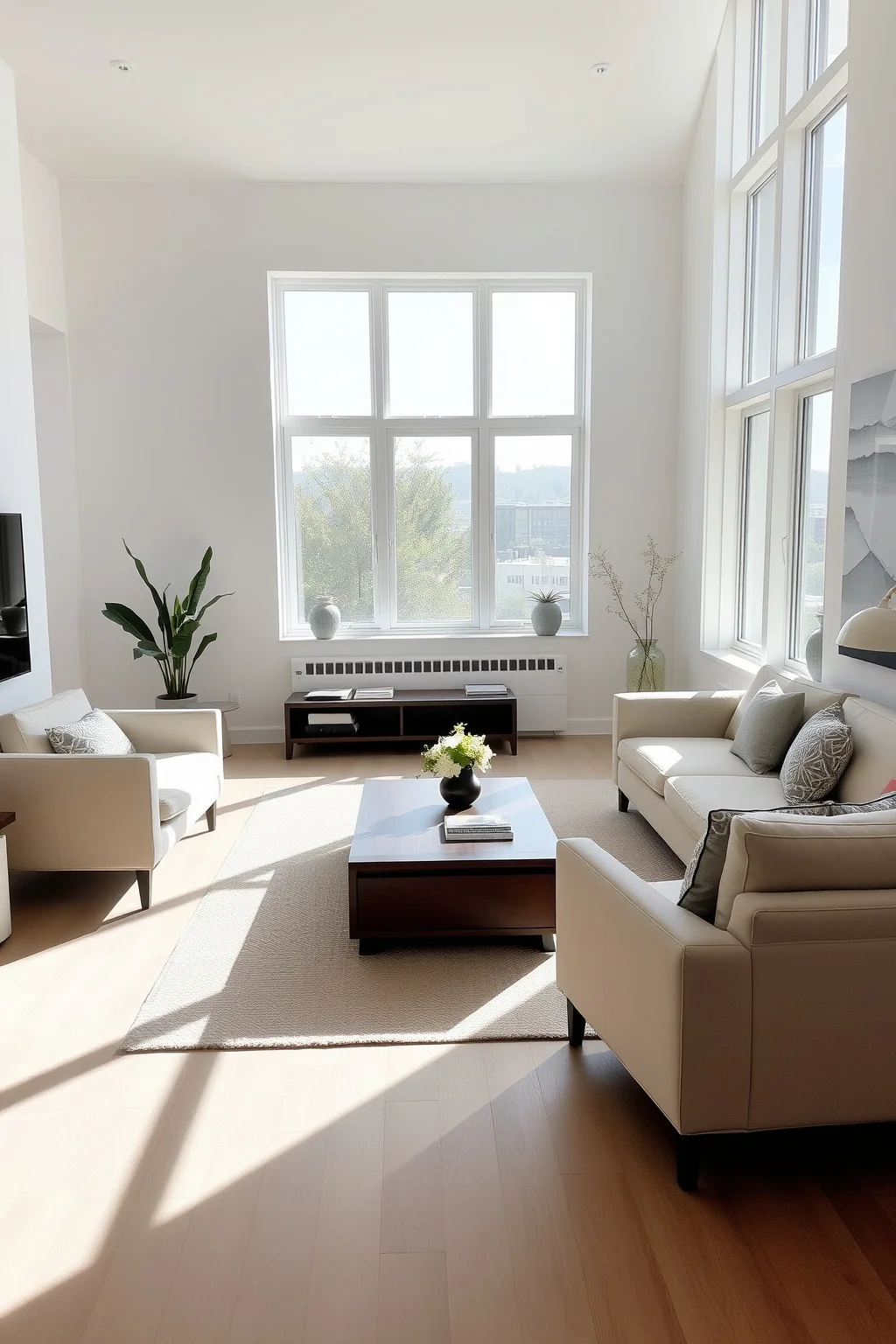
Keeping surfaces decluttered is a crucial aspect of minimalist living. Envision a coffee table with just a couple of books and a small plant. This lack of clutter invites calm and makes the room feel more organized, creating a welcoming environment for relaxation.
When guests arrive, they often comment on how peaceful the room feels. It’s easy to engage in meaningful conversations when distractions are minimal. A simple tip is to regularly assess your décor items and only keep those that truly bring you joy or serve a purpose.
- Limit decorative items to three per surface.
- Utilize hidden storage to keep items out of sight.
- Use trays to corral smaller items neatly.
💡 Quick Tip: Do a monthly declutter to keep surfaces clean and organized.
5. Open Layout
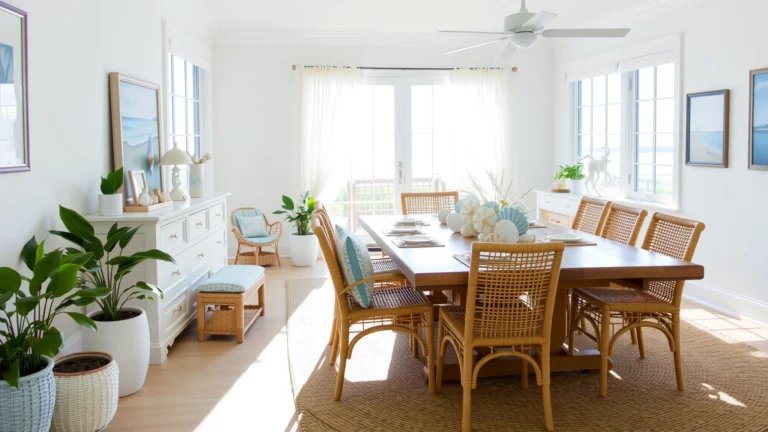
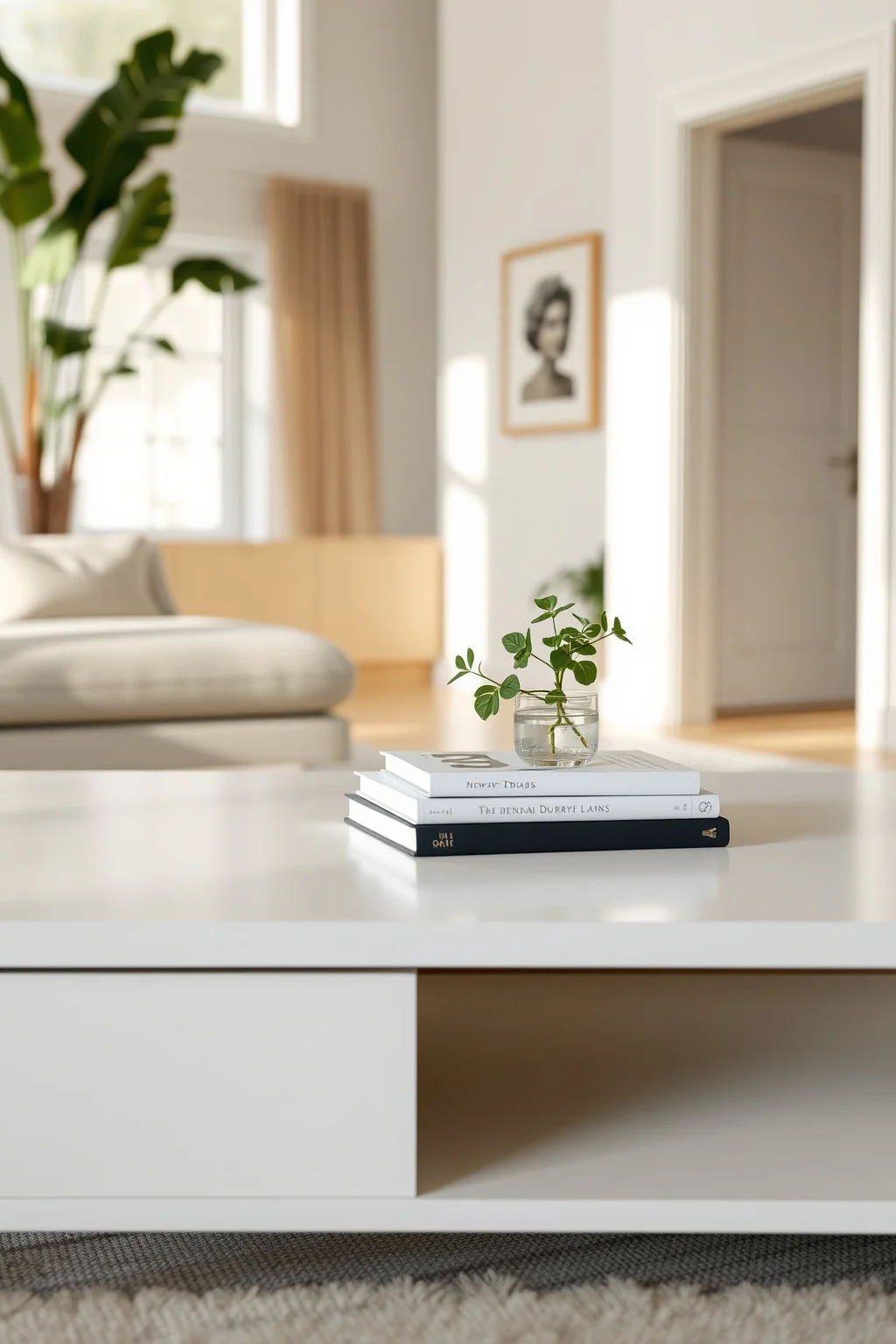
An open layout enhances the minimalist theme by promoting flow and connection between spaces. Picture a living room that seamlessly transitions into the dining area, with no barriers in sight. This encourages movement and makes the home feel more spacious.
When you have friends over, they can easily move from the couch to the dining table, fostering a sense of togetherness. The openness also allows natural light to flow freely, creating an inviting atmosphere for evening gatherings. Consider using area rugs to define each space without closing them off.
- Use large rugs to visually connect different areas.
- Keep furniture arrangements simple and functional.
- Avoid bulky pieces that obstruct flow.
💡 Quick Tip: Choose furniture that is low to the ground to maintain an open feel.
6. Statement Lighting
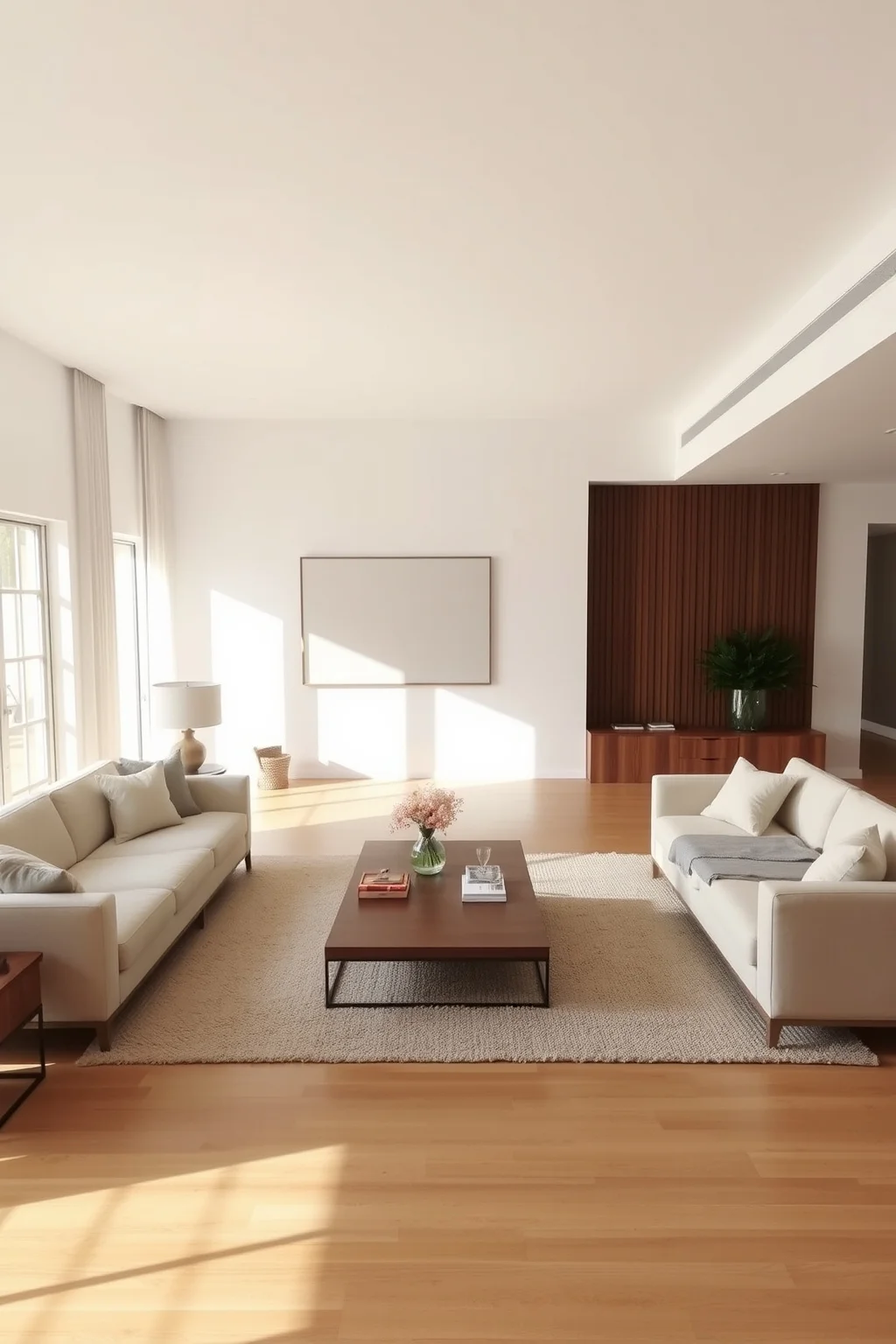
In minimalist décor, lighting can serve as a statement piece. Imagine a sleek pendant lamp hanging over a coffee table, providing both functionality and style. This focal point draws the eye and adds character without overwhelming the space.
When the lights dim in the evening, the soft glow offers a cozy ambiance that invites relaxation and conversation. Guests often comment on the unique lighting choice, sparking discussions about design. A simple tip is to mix different light sources, like floor lamps and wall sconces, for a layered effect.
- Choose one standout pendant light.
- Incorporate adjustable floor lamps for versatility.
- Use dimmable bulbs to create the desired mood.
💡 Quick Tip: Consider a sculptural floor lamp as a conversation starter.
7. Simple Accessories
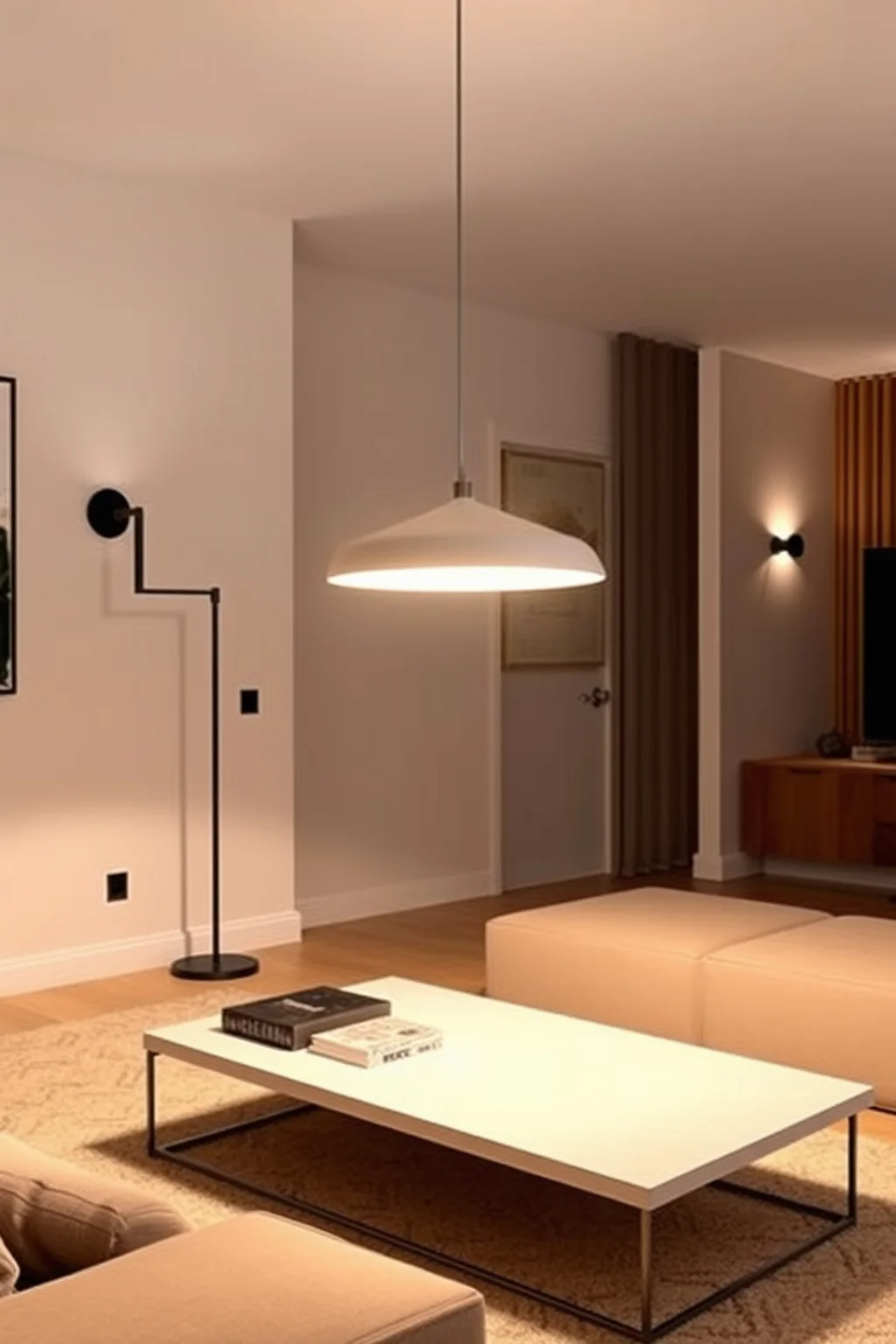
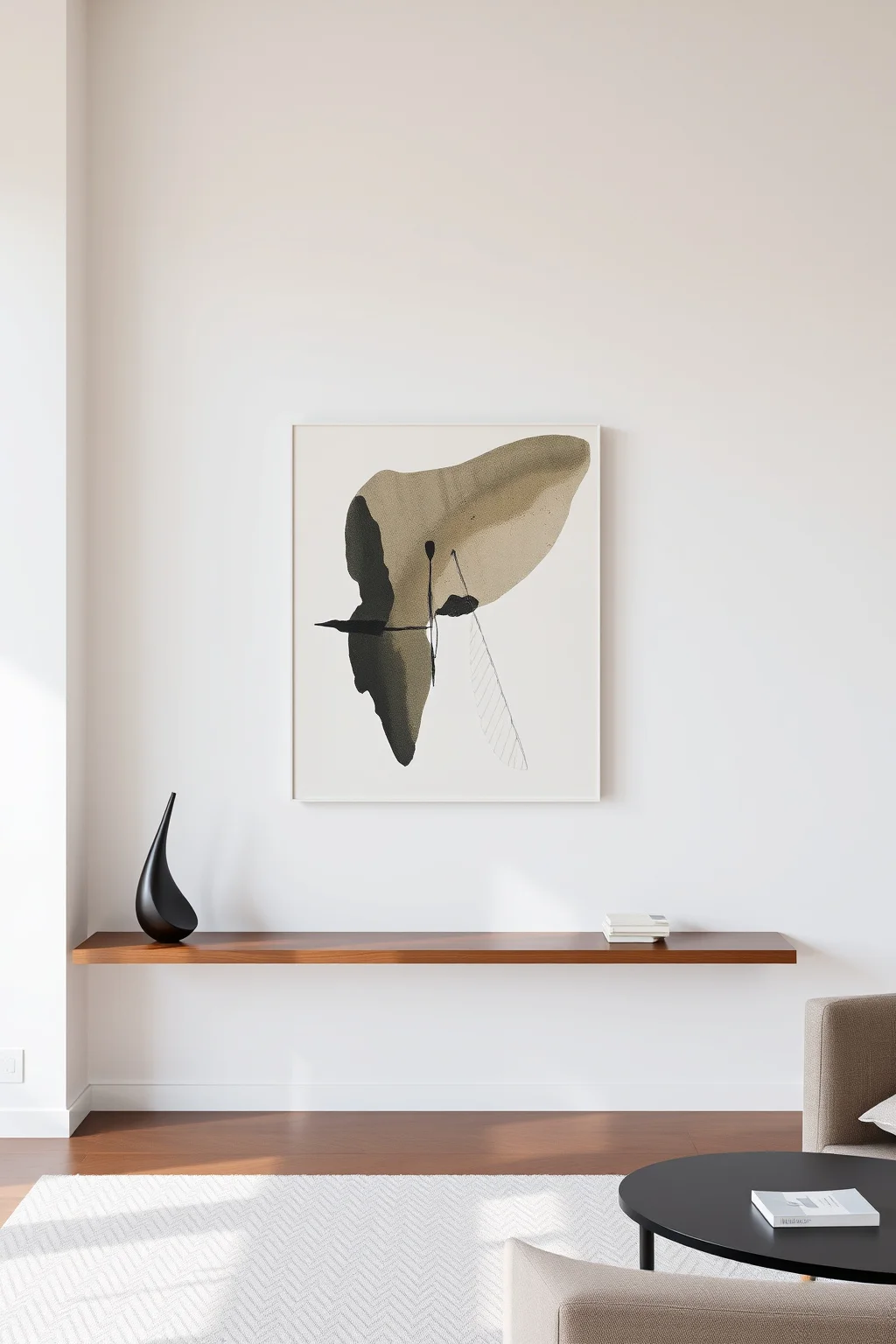
Accessorizing in a minimalist living room means selecting a few key pieces that enhance the space. Imagine a single large piece of art on the wall or a striking sculpture on a shelf. These items should evoke emotion without cluttering the room.
When guests walk in, they often admire the thoughtful selection of accessories, which encourages them to take a closer look and engage in conversation about art. A practical tip is to choose accessories that reflect your style but keep the overall theme simple and cohesive.
- Opt for large-scale art instead of a gallery wall.
- Choose one or two decorative objects to display.
- Use a color palette that complements the room’s tones.
💡 Quick Tip: Rotate accessories seasonally to keep the look fresh without clutter.
8. Indoor Plants
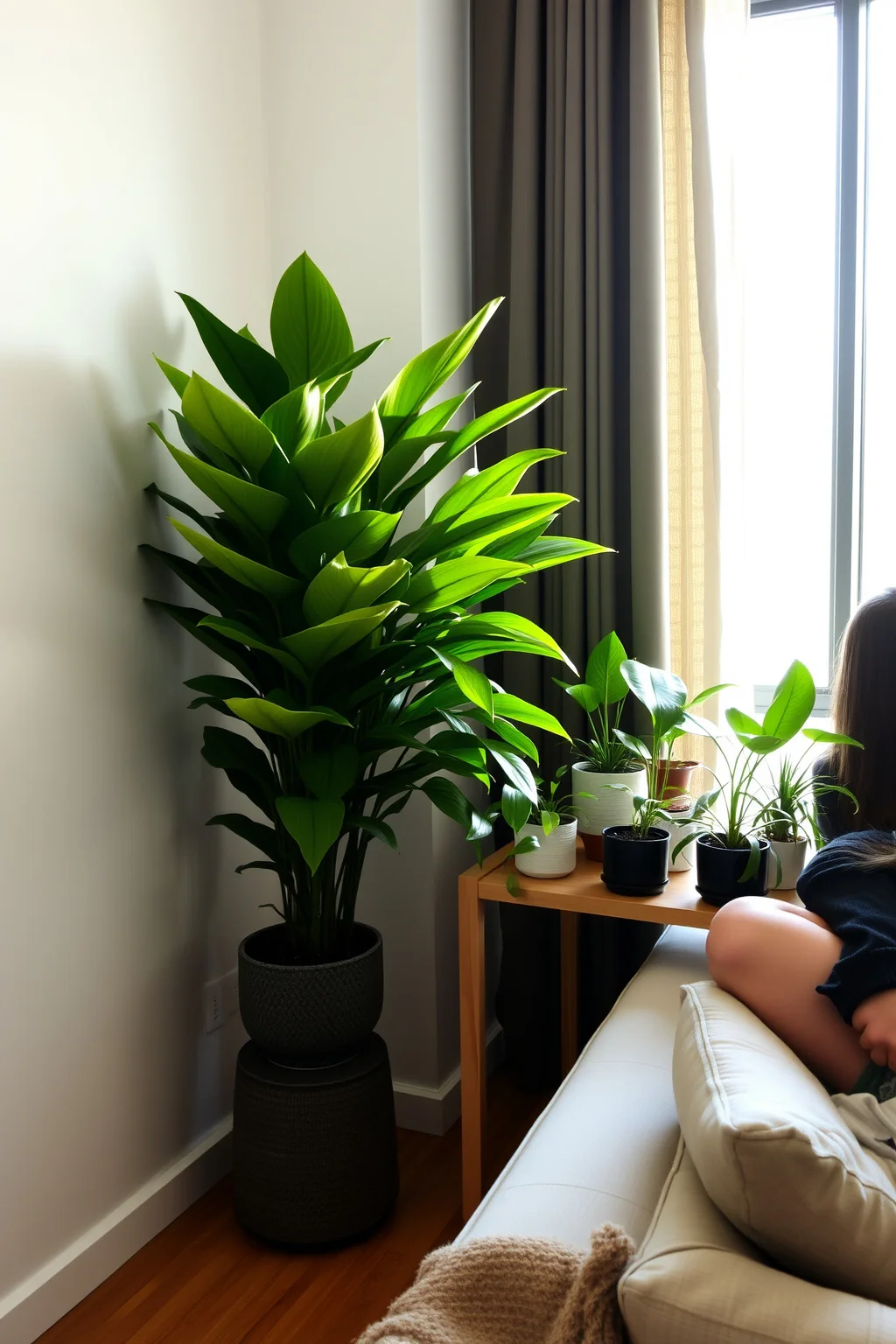
Bringing nature indoors with plants adds life to a minimalist space. Picture a corner with a tall potted plant, its greenery contrasting beautifully with the neutral furniture. Plants not only purify the air but also create a calming atmosphere.
As friends gather in your living room, they often comment on how the plants enhance the room’s energy, making it feel more vibrant. A tip for incorporating plants is to choose low-maintenance varieties that thrive indoors, allowing you to enjoy their beauty without added stress.
- Consider snake plants or pothos for easy care.
- Use decorative pots that match your décor style.
- Group plants in varying heights for visual interest.
💡 Quick Tip: Place plants in natural light to help them thrive.
9. Textured Textiles
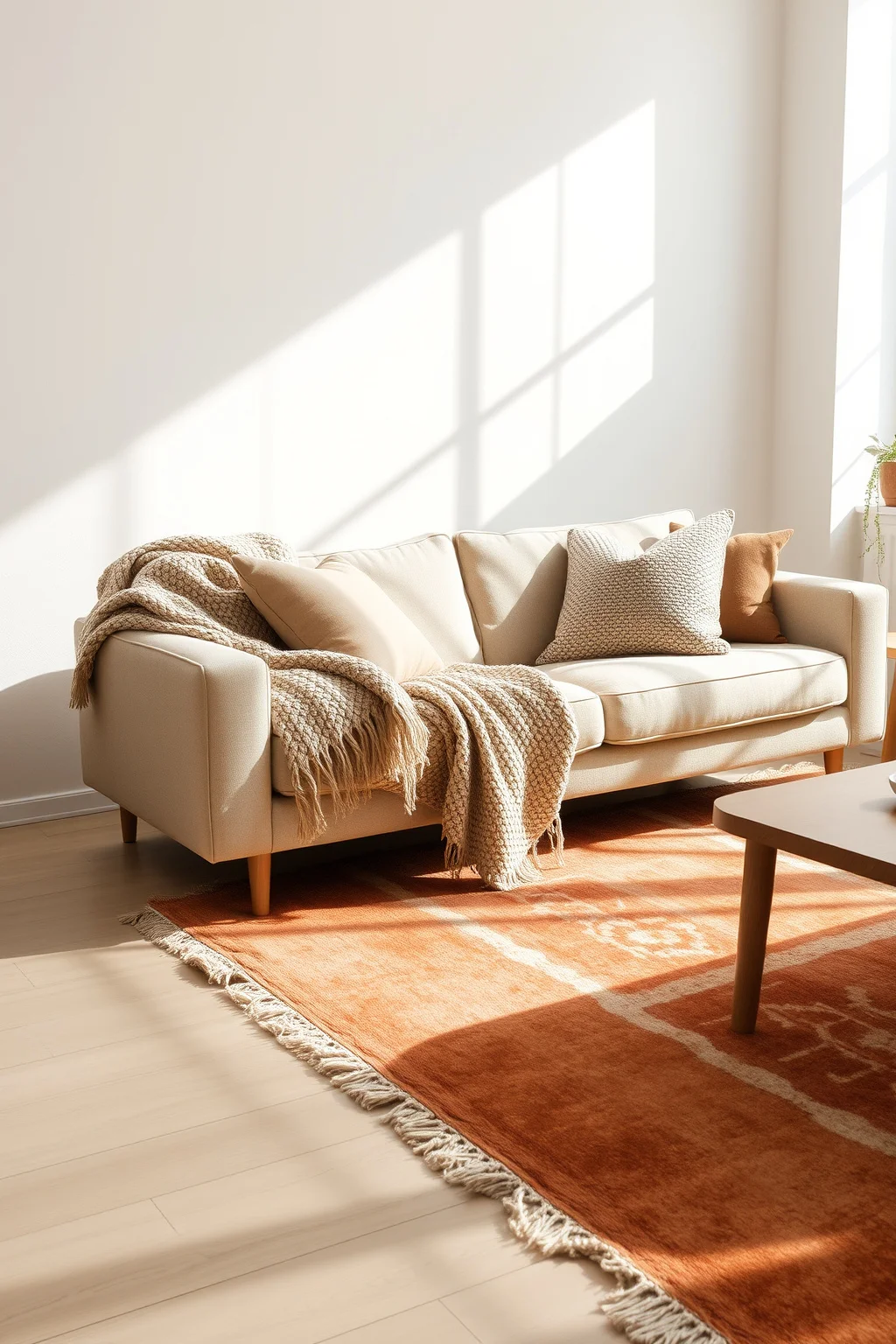
In a minimalist living room, textiles play a vital role in adding warmth and comfort. Imagine a soft throw blanket draped over a simple sofa or textured cushions that invite you to sink in. These elements create a cozy environment perfect for curling up with a good book.
When friends visit, they often gravitate toward the inviting textiles, making it feel like a true home. A practical tip is to mix and match textures, like adding a knitted throw to a smooth fabric sofa, to create depth and interest without cluttering the space.
- Use various textures like wool, cotton, and velvet.
- Incorporate throws and cushions in complementary colors.
- Layer rugs for added comfort and style.
💡 Quick Tip: Choose machine-washable textiles for easy maintenance.
10. Minimalist Shelving
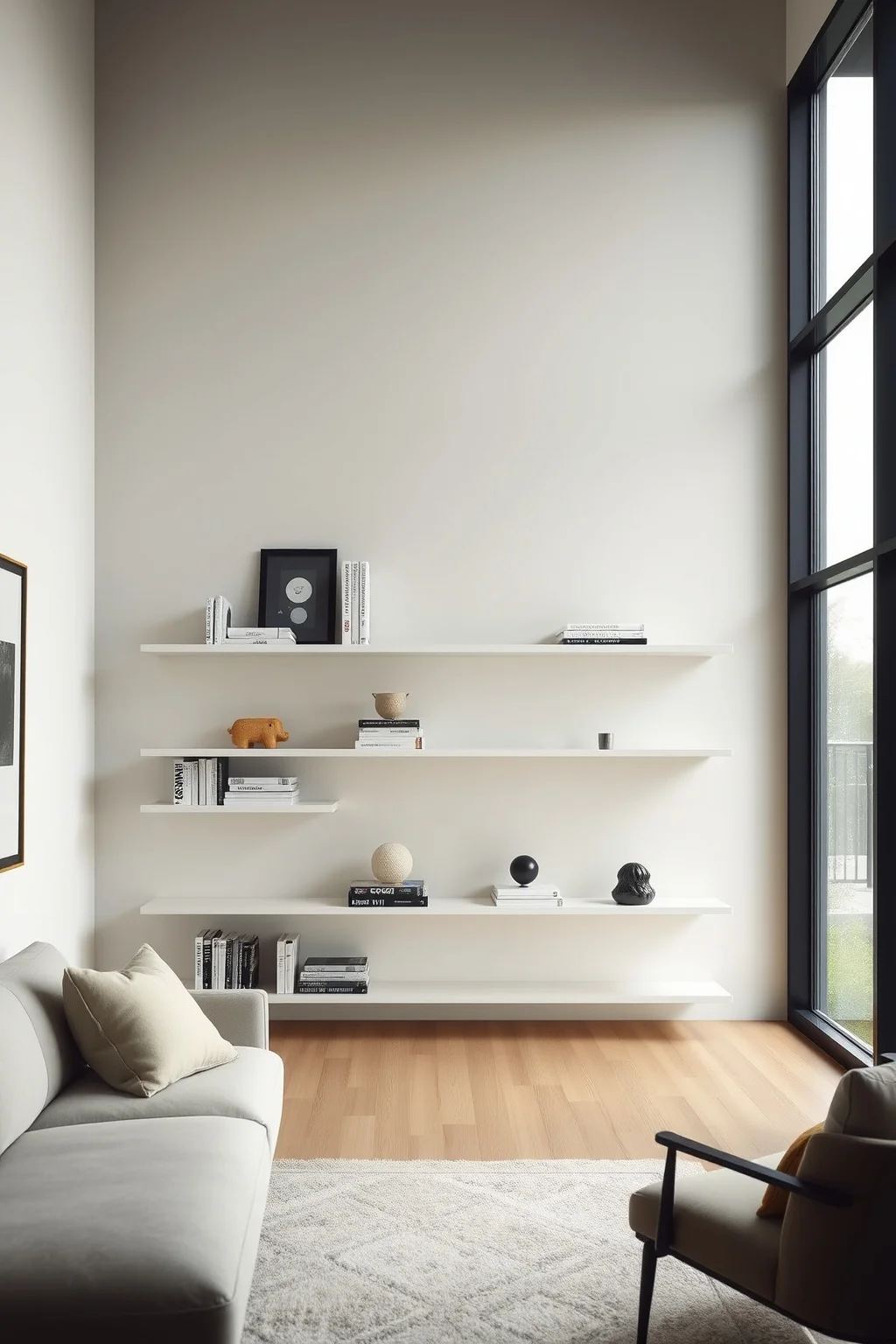
Opting for minimalist shelving solutions can keep your living room organized and stylish. Imagine sleek, floating shelves displaying a few carefully chosen books and decorative items. This setup not only looks neat but also allows you to showcase your personality.
When hosting, guests admire the curated shelves, often sparking conversations about shared interests. A tip for styling shelves is to use a mix of vertical and horizontal arrangements to keep the look dynamic and engaging while maintaining a minimalist approach.
- Install floating shelves for an airy feel.
- Limit items to a few key pieces for a clean look.
- Use storage boxes to hide less attractive items.
💡 Quick Tip: Consider using books as a base to elevate décor items on shelves.
11. Cozy Nooks
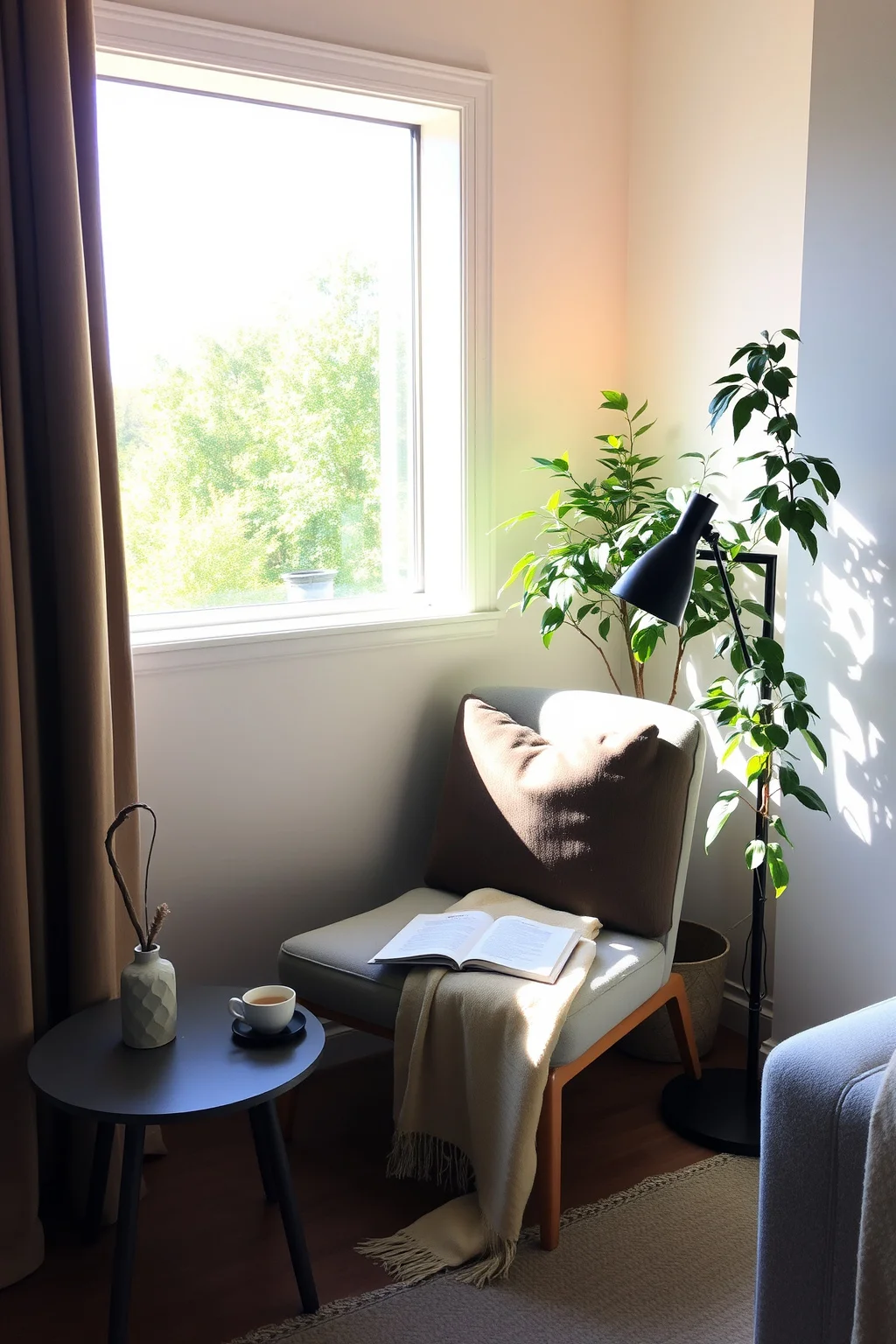
Creating a cozy nook in your minimalist living room can provide a perfect spot for relaxation. Picture a comfortable chair nestled in a corner with a small side table and a soft blanket. This little escape invites you to unwind with a cup of tea or a good book.
When friends notice the nook, they often find themselves drawn to it, enjoying its inviting warmth. A practical tip is to position the nook near a window to take advantage of natural light, making it an ideal spot for quiet moments throughout the day.
- Choose a comfortable chair with a simple design.
- Add a small table for drinks or books.
- Incorporate layered lighting for ambiance.
💡 Quick Tip: Use a small floor lamp to add light to your reading nook.
12. Artful Arrangement
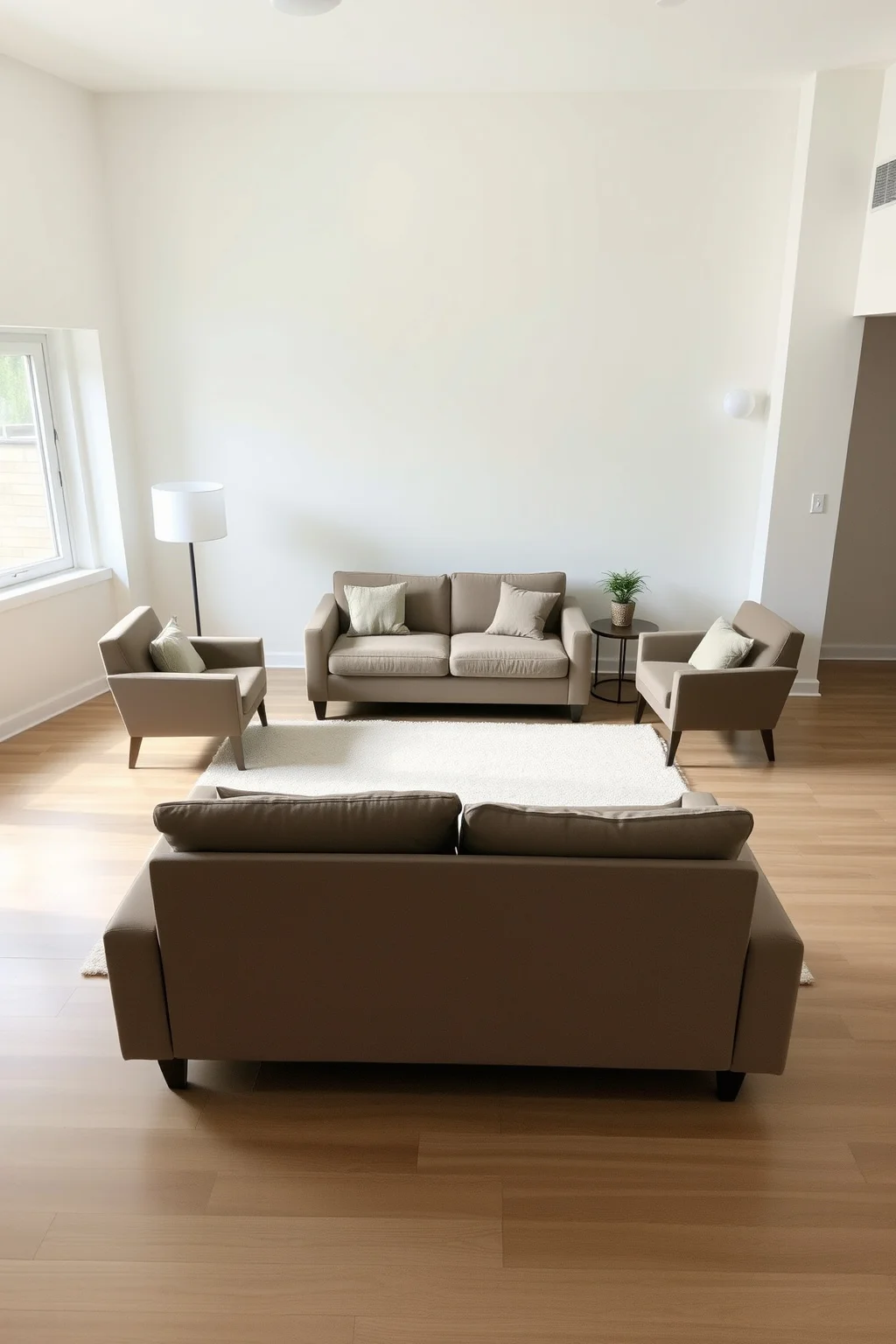
How you arrange furniture and décor can significantly impact the minimalist vibe. Think about placing your sofa facing the room to encourage conversation, with a few side chairs angled toward each other. This layout creates a welcoming atmosphere where everyone feels included.
When entertaining, guests often feel comfortable and engaged, naturally gravitating toward each other in this inviting setup. A tip is to leave enough space between pieces to allow for easy movement and a sense of openness.
- Arrange seating to foster conversation.
- Leave ample space for walking paths.
- Balance large and small furniture pieces for harmony.
💡 Quick Tip: Use rugs to define seating areas and guide flow.
13. Soft Lighting Options
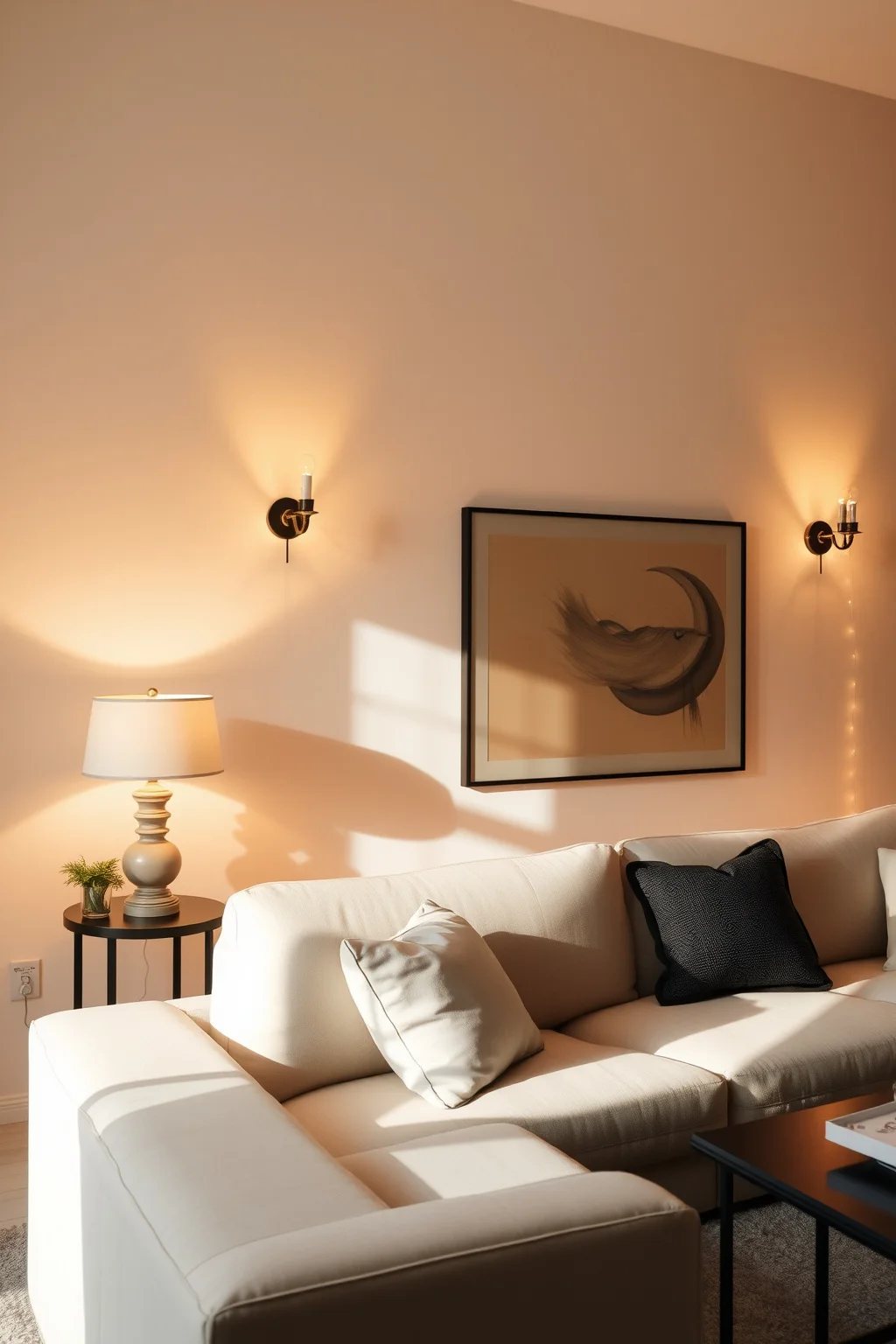
Utilizing soft lighting options can enhance the serene atmosphere of a minimalist living room. Imagine the gentle glow of table lamps or wall sconces creating a cozy ambiance. This type of lighting sets the mood for gatherings or quiet evenings at home.
When the sun sets, the soft lighting transforms the room, making it feel warm and inviting. Guests often mention how the lighting makes them feel at home, encouraging them to relax and enjoy their time. A simple tip is to use warm-toned bulbs to create a welcoming glow.
- Incorporate lamps with soft shades for diffused light.
- Use string lights for a whimsical touch.
- Consider smart bulbs for adjustable lighting options.
💡 Quick Tip: Use dimmers to control the brightness and mood of your space.
14. Multi-Purpose Spaces
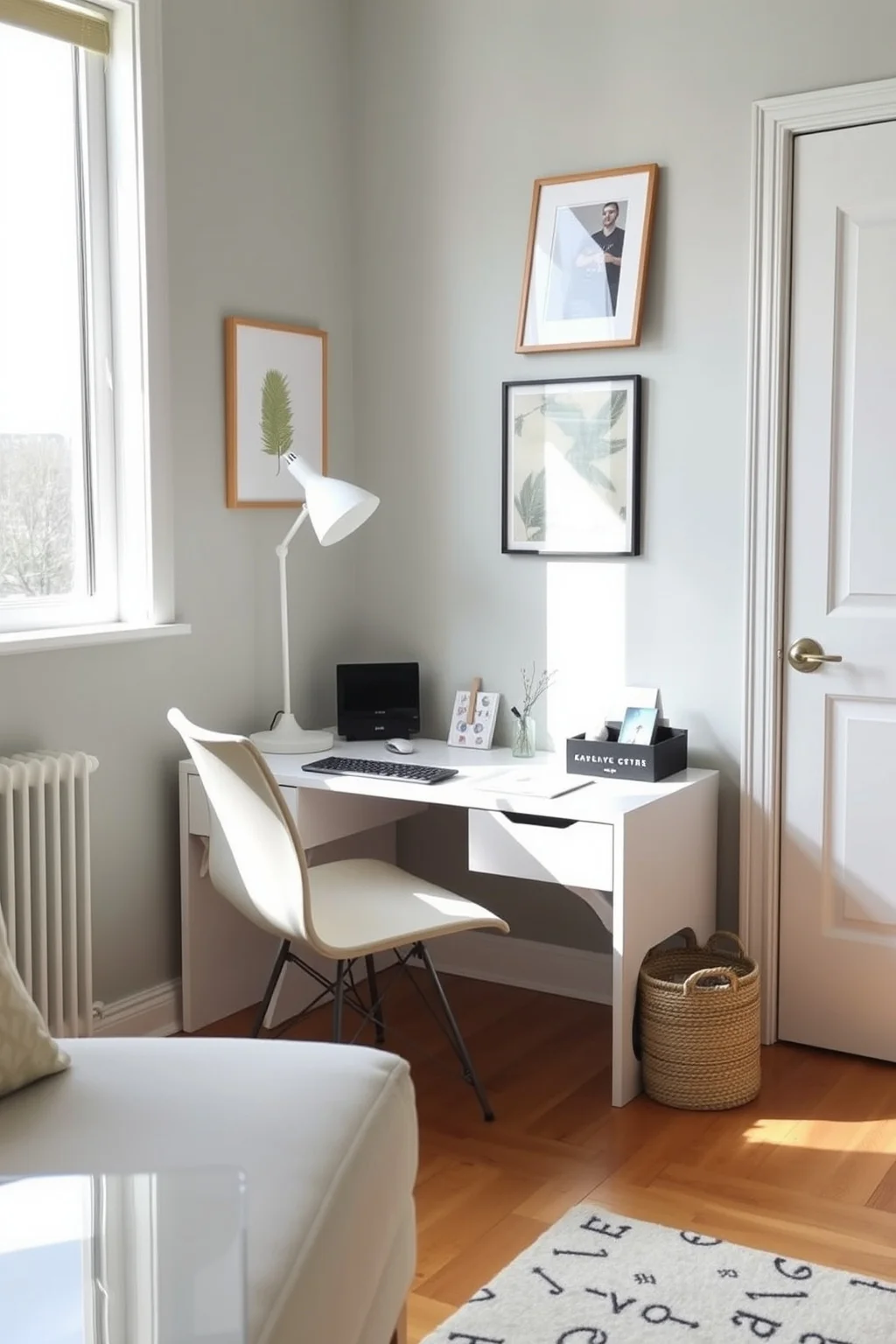
In a minimalist home, rooms often serve multiple purposes. Picture a living room that also functions as a workspace, with a sleek desk tucked into a corner. This setup maximizes space while maintaining a calm aesthetic.
When working from home, you’ll find that having a designated area in the living room helps you focus without feeling isolated. Guests often admire how well you’ve integrated work and leisure, making it an inspiring space. A practical tip is to keep the workspace clutter-free to maintain a tranquil environment.
- Choose a compact desk that complements your décor.
- Use a stylish chair that fits seamlessly with other furniture.
- Incorporate storage solutions to keep work items organized.
💡 Quick Tip: Use a decorative basket to store office supplies neatly.
15. Mindful Décor Choices
Lastly, making mindful décor choices is key to achieving a minimalist living room. Consider each item you bring into the space carefully. Picture a few cherished pieces that tell a story, rather than filling the room with unnecessary items.
Guests often appreciate the thoughtful selections, engaging in conversations about the stories behind each piece. A tip is to follow the “one in, one out” rule, ensuring that every new item serves a purpose or brings you joy without overcrowding your space.
- Choose décor that reflects your personality and values.
- Limit decorative items to those with meaning.
- Regularly reassess your collection to keep it curated.
💡 Quick Tip: Set a budget for new décor to keep your space intentional and focused.
Conclusion
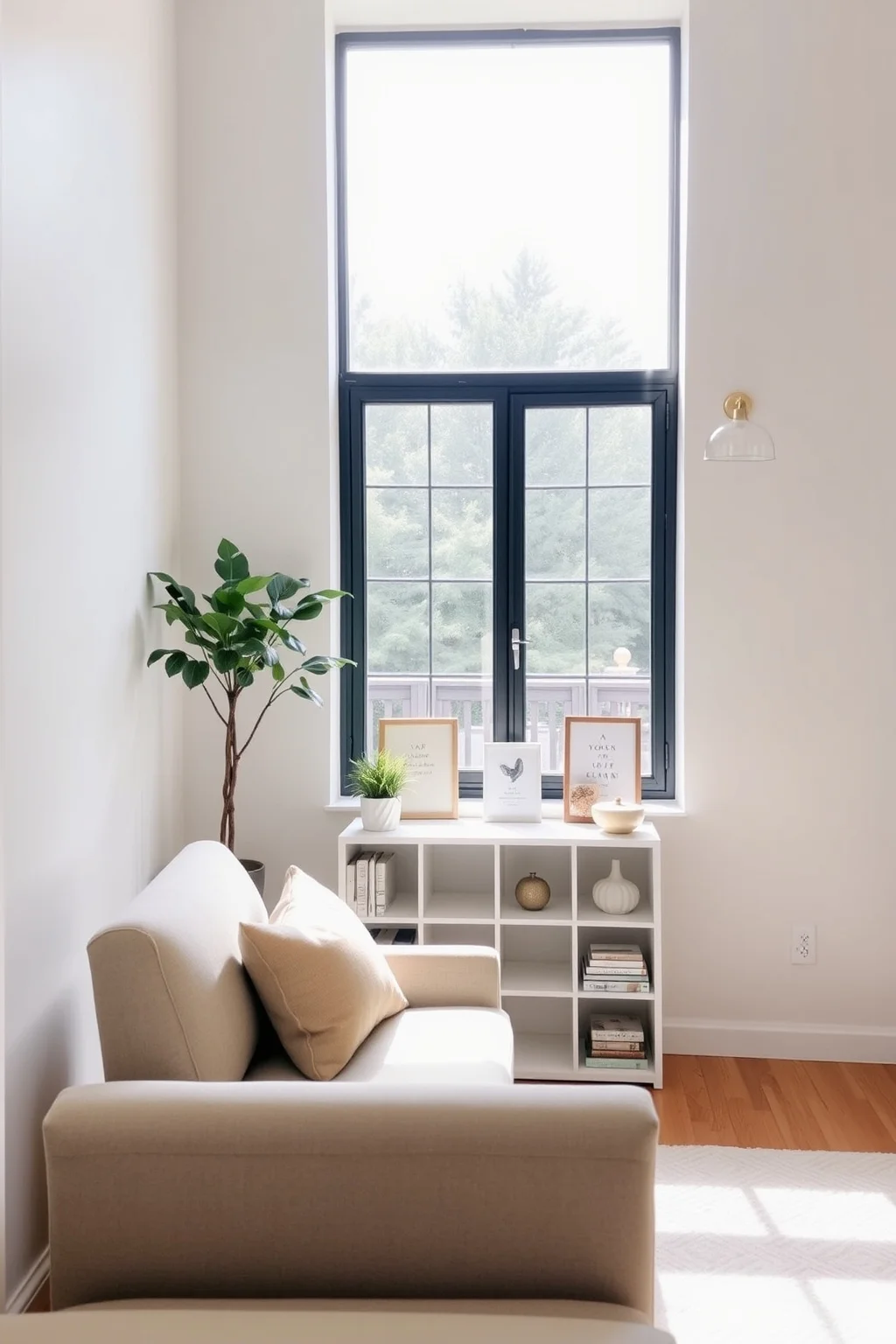
Designing a minimalist living room is all about creating a calm, cozy space that feels inviting and functional. By incorporating these ideas, you can transform your home into a serene retreat where you and your guests can relax and enjoy each other’s company. Remember, the key is to embrace simplicity while allowing your personality to shine through. Happy decorating!