Wall sconces can frame a fireplace, make a reading corner more useful or clear space on a crowded nightstand. Their position matters as much as their shape: a beautiful fitting can still put a bright bulb in your eyes or leave the switch awkward to reach.
These photographed rooms show different ways to work wall lights into paneling, shelves, mirrors and bed walls. Use the arrangements to compare proportions and everyday access, then check the actual fixture’s installation instructions and suitability for its intended location with a qualified installer.
PART 01
Work with Fireplaces, Art and Wall Panels
IDEA 01 / 20
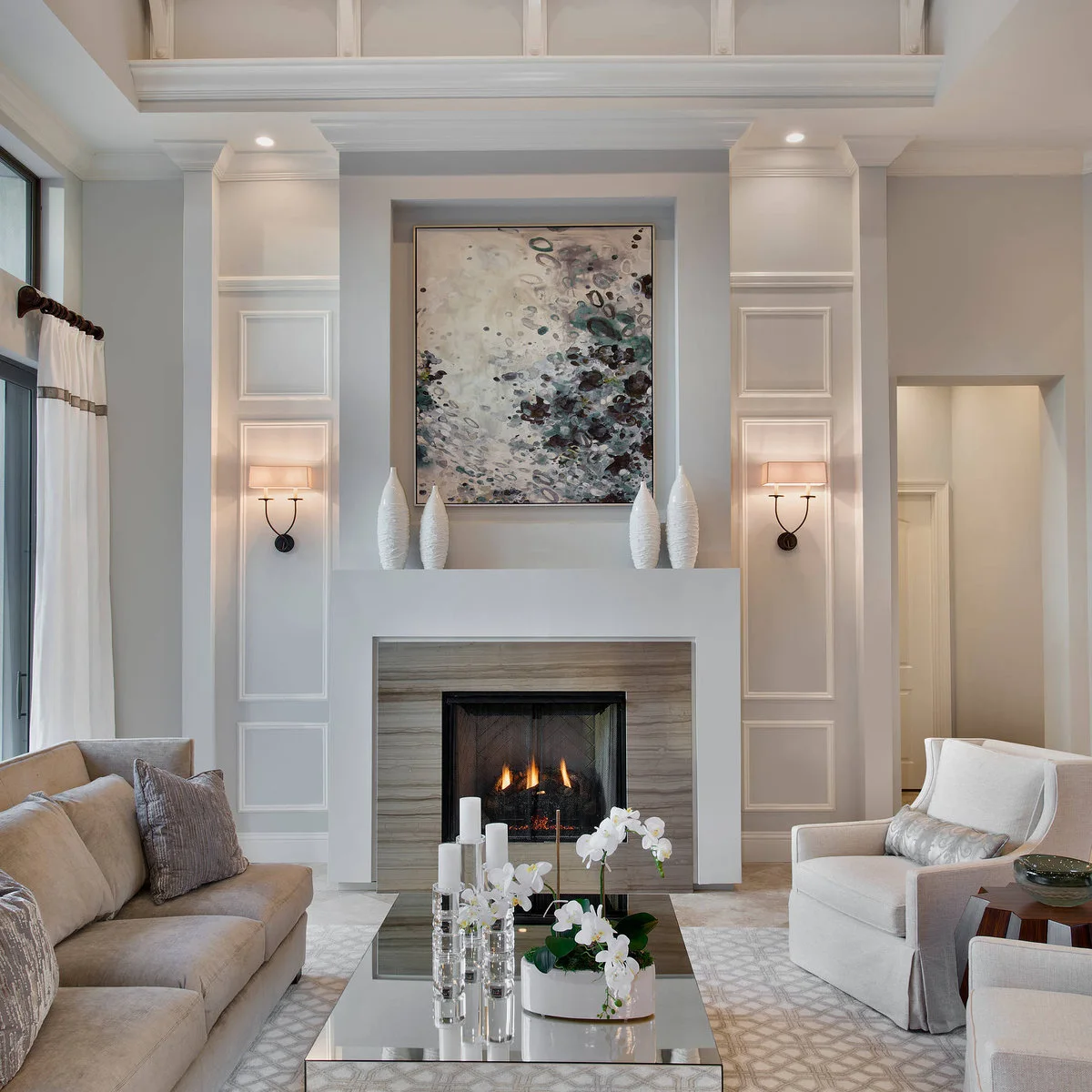
Center Shaded Lights Within Wall Panels
 SaveSupport Non AI Creator
Image credit: Giovanni / SOCO Interiors / JMDG Architecture
The dark double arms give these pale shades a firm outline against the white paneling. Each fitting sits within a tall wall panel beside the fireplace artwork, repeating the room’s vertical divisions. The broad shades relate to the generous wall sections without covering their molding.
Mark the whole shade outline as well as the backplate before locating a fitting on paneling. Keep it visually clear of molding intersections and check fireplace-related requirements for the actual installation. Assess the light from the seating position rather than choosing its height only from the doorway.
IDEA 02 / 20
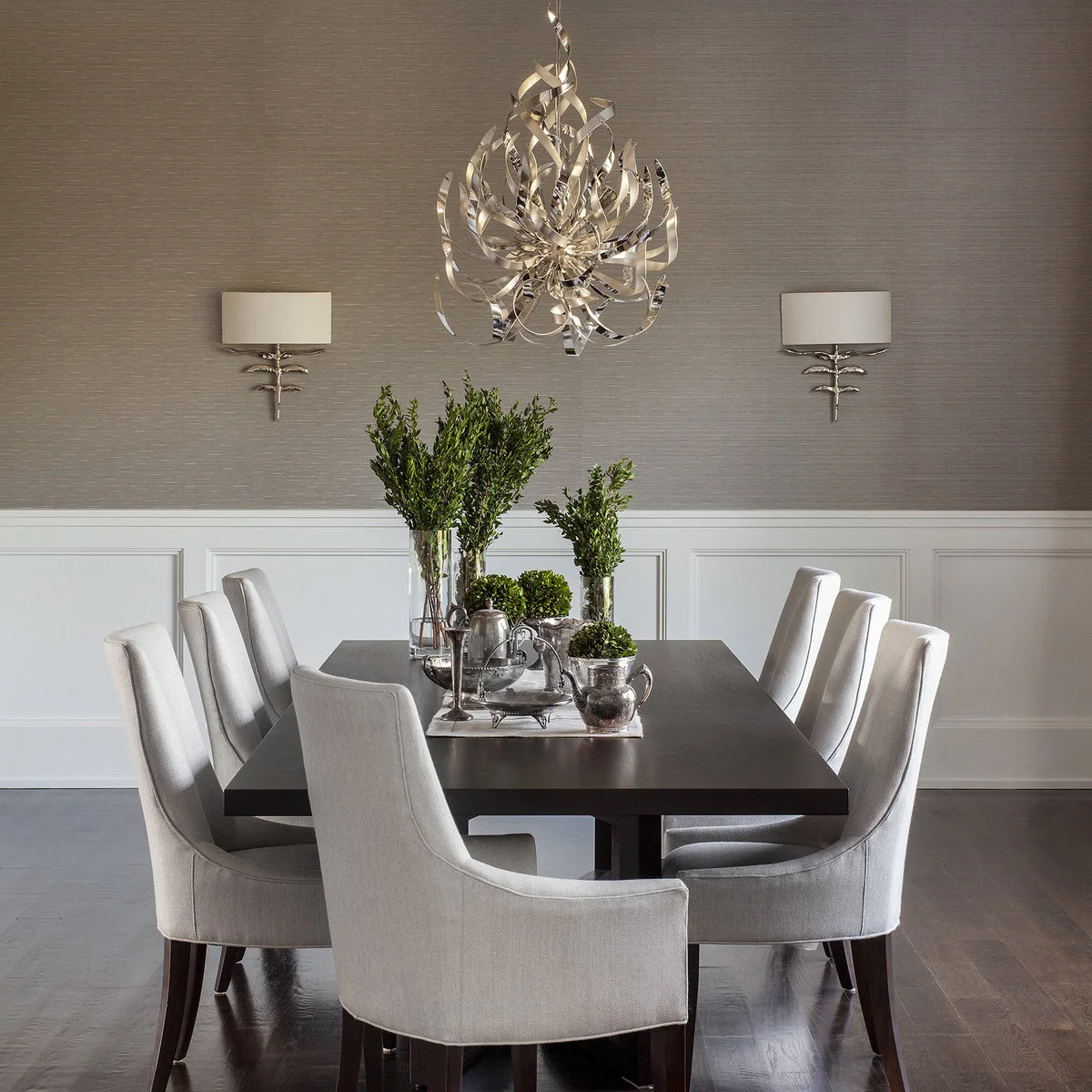
Balance a Decorative Pendant with Quiet Wall Shades
 SaveSupport Non AI Creator
Image credit: Sean Litchfield Photography
Small pale shades sit above the white wainscoting on either side of the dining room. Their silvery branched stems echo the more sculptural pendant without repeating its full shape. The dark table and pale upholstered chairs leave the wall lights visible as part of the room’s perimeter.
Compare the wall and ceiling fittings together before buying a matching set. Smaller wall lights can support a more elaborate central pendant without adding another large silhouette. Ask the installer about suitable controls and compatible lamps so the table and perimeter lighting can be adjusted for different uses.
IDEA 03 / 20
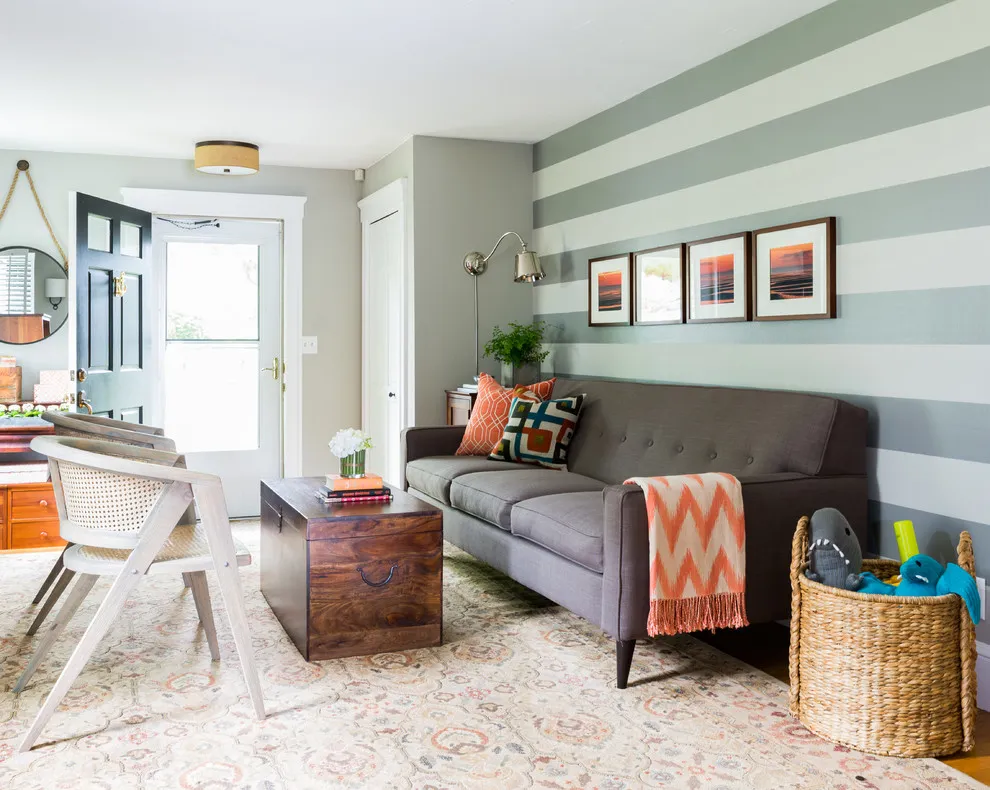
Put a Reading Light Beside the Sofa
 SaveSupport Non AI Creator
Image credit: Jessica Delaney / Beth Bourque Design Studio
The curved wall light sits beside the end of the gray sofa, leaving the striped wall behind the seating available for artwork. Its downward shade and visible cord introduce a practical detail within the room’s gray, white and orange palette. The side-wall position avoids crowding the sofa’s backdrop.
Use living room accent wall ideas to compare the wall treatment, then locate the light around the seat that needs it. Confirm whether the chosen arm adjusts and check shade projection at head height. Route any cord according to the product instructions without crossing a walking path or trapping it behind moving furniture.
IDEA 04 / 20
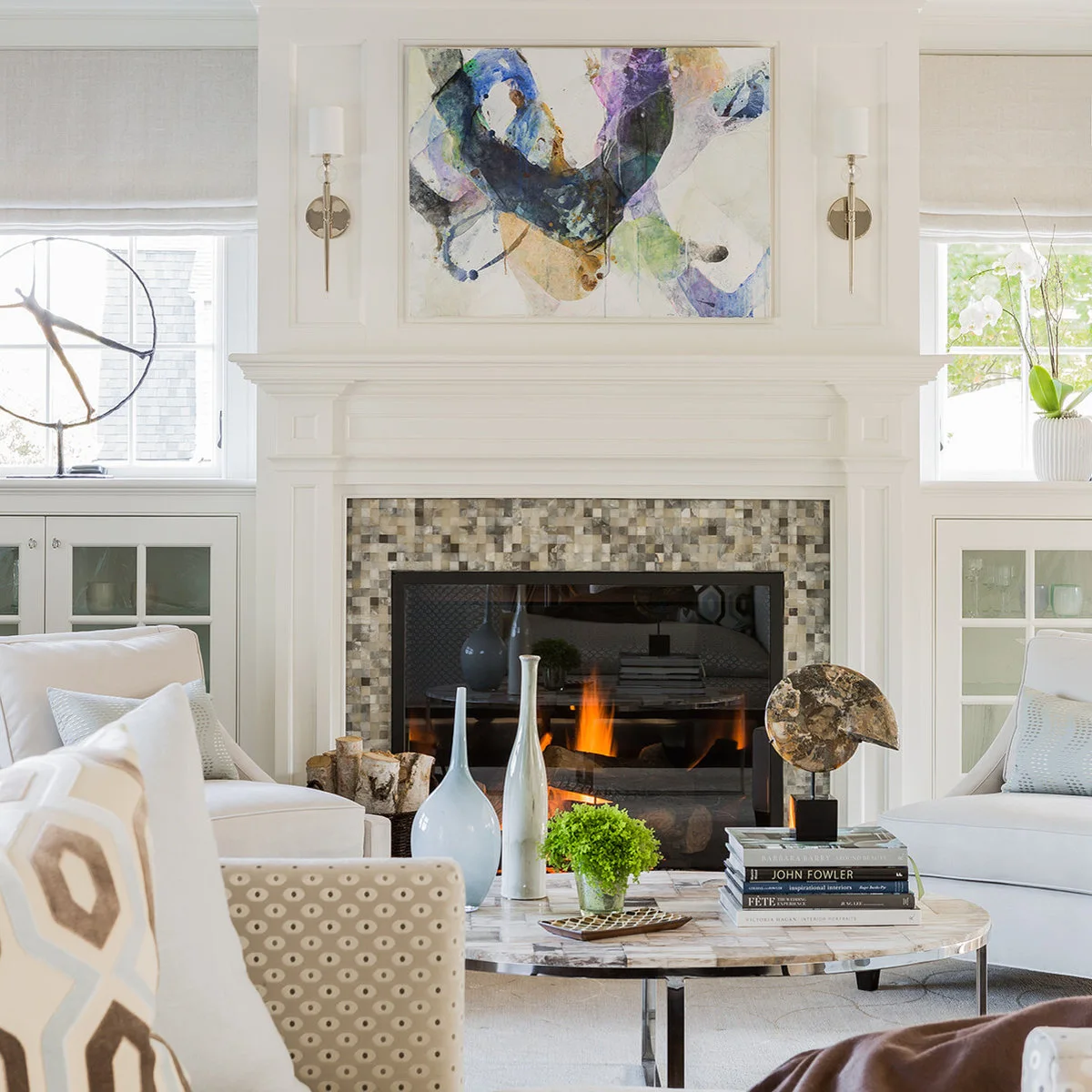
Leave Breathing Room Around Fireplace Artwork
 SaveSupport Non AI Creator
Image credit: Michael J. Lee Photography / Julia Cutler Interior Design
Slender warm metal stems and small white shades sit beside the framed fireplace artwork. Their narrow forms leave the picture visible and keep the surrounding white paneling from feeling crowded. The round backplates provide a small repeated shape against the otherwise straight lines of the wall.
Measure the artwork and its frame before fixing the lights, allowing room to change the picture later. Compare the full shade width with the panel edges. Check the chosen fittings and fireplace instructions with the installer rather than copying the photograph’s apparent distance from the fireplace opening.
IDEA 05 / 20
Use Tall Wall Lights Beside a Broad Fireplace
 SaveSupport Non AI Creator
Image credit: Project: Pacific Stoneworks Inc (via Houzz)
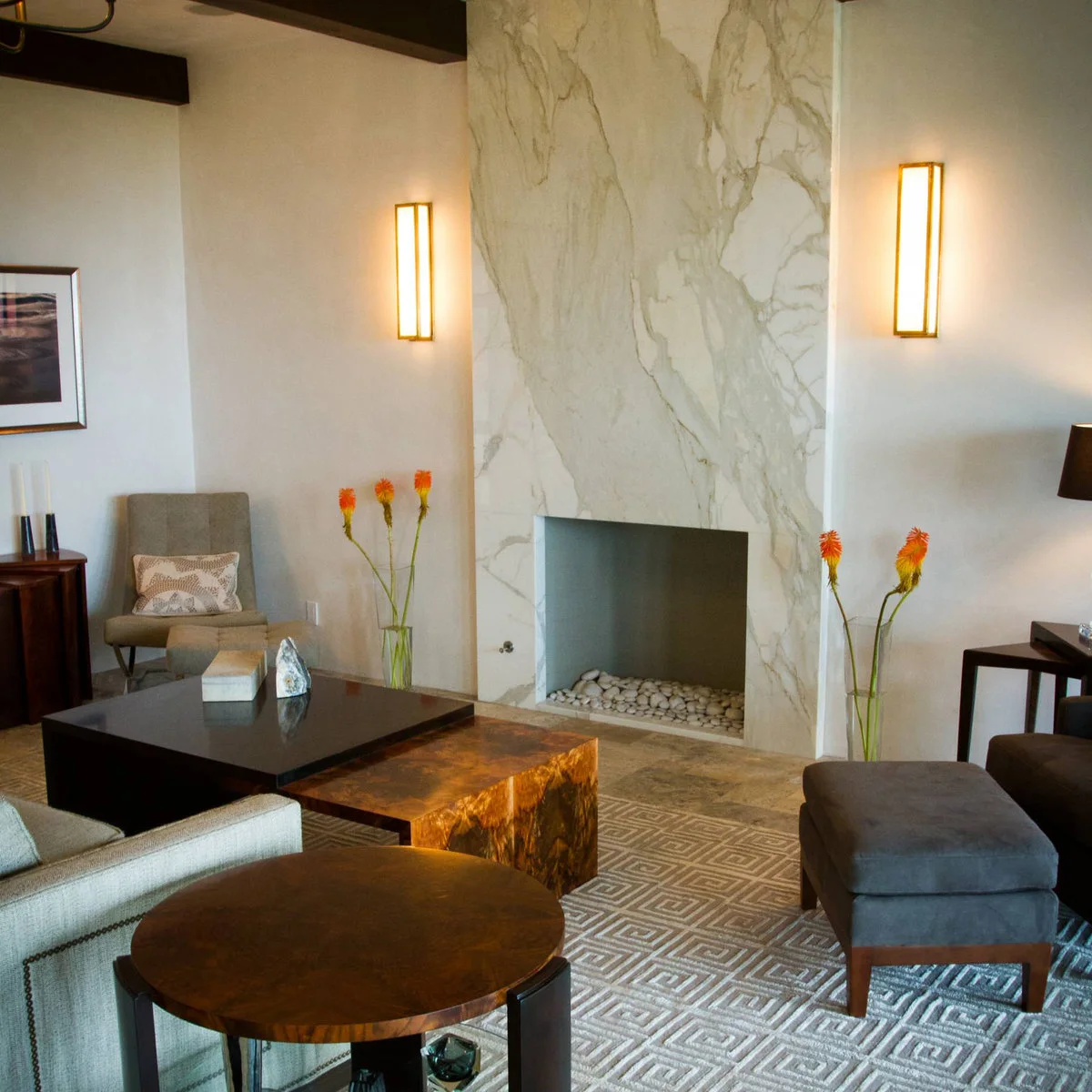
Tall rectangular wall lights flank the broad veined fireplace, extending its vertical emphasis beyond the pale surround. Their simple outlines suit the quiet wall color and substantial coffee tables. The absence of projecting shades keeps the wall composition relatively flat beside the prominent fireplace face.
Compare the fitting’s full length with the fireplace and nearby furniture before choosing a size. Check brightness and glare from the nearest chair, especially when a luminous surface remains visible. Have the installer assess mounting, heat-related requirements and controls for the specific fireplace and light models.
PART 02
Follow the Room’s Architecture and Daily Use
IDEA 06 / 20
Let One Sconce Occupy an Unfilled Panel
 SaveSupport Non AI Creator
Source: Houzz
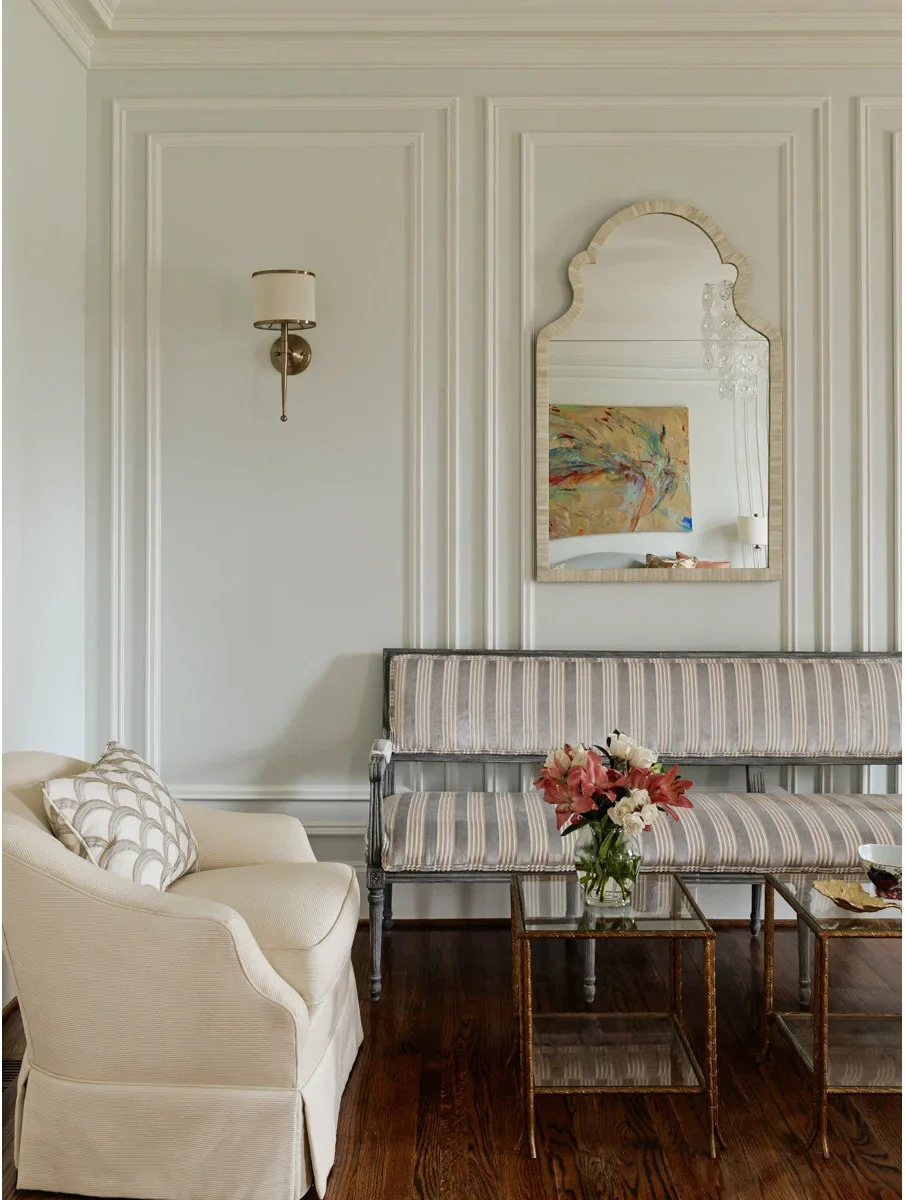
A single shaded sconce occupies the pale green panel beside the scalloped mirror. The striped settee provides pattern below, while the light adds a small vertical detail in an otherwise quiet section of wall. Its modest shade leaves the panel’s border and mirror outline easy to read.
A panel does not need to contain a picture simply because it is empty. Check whether a light in that position serves the nearby seat and fits the room’s wiring plan. Keep its shade clear of the mirror edge and test the reflection from the settee before deciding on the final placement.
IDEA 07 / 20
Follow the Piers Between Arched Windows
 SaveSupport Non AI Creator
Image credit: Project: EDGE Cabinet & Space Creators (via Houzz)
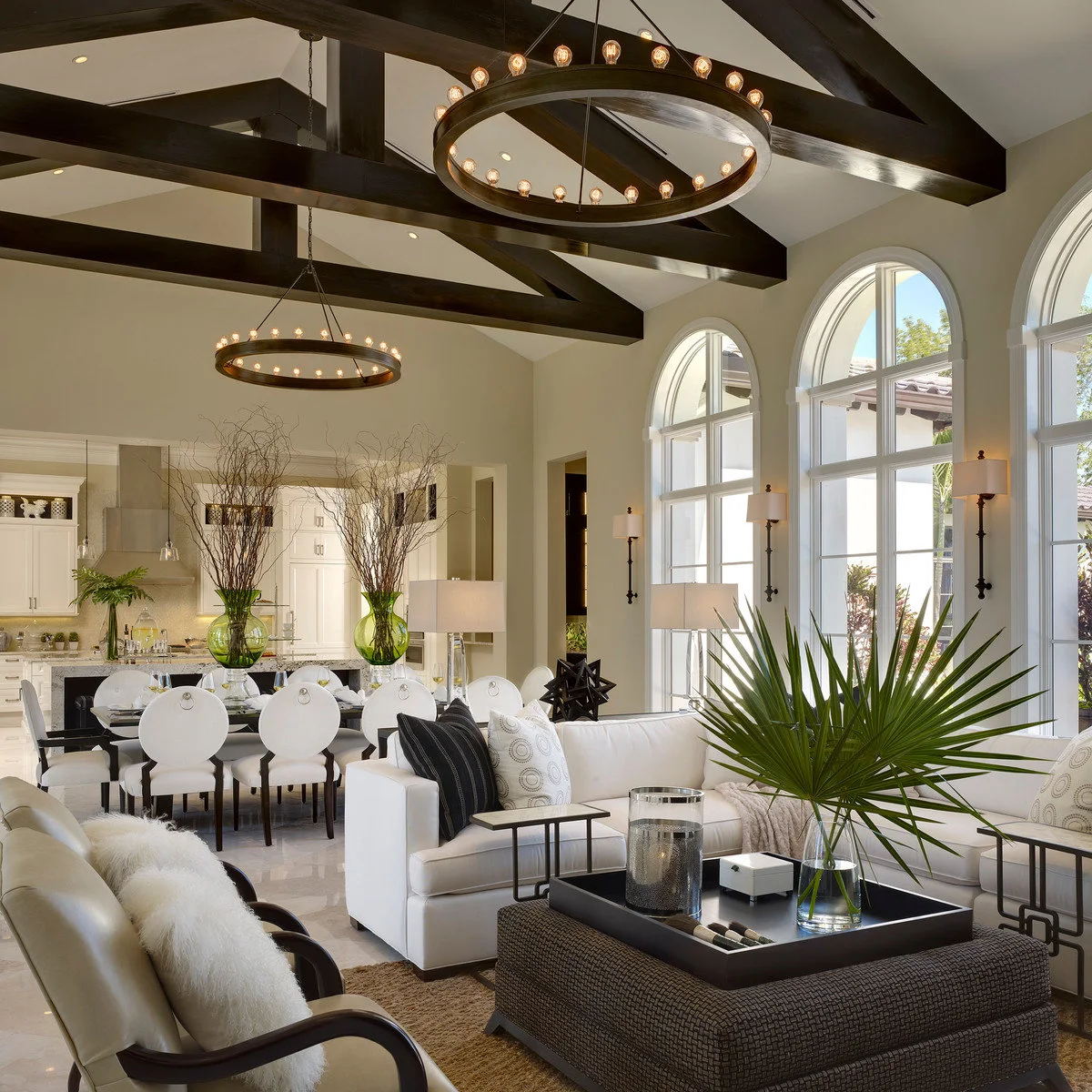
Dark long-stem sconces repeat between the arched windows, following the room’s architectural rhythm. Their pale shades contrast gently with the darker stems and relate to the white walls. Large circular pendants occupy the room’s center, while the wall fittings give the window side a smaller repeated detail.
Begin with the actual usable wall between the window openings rather than dividing the room into equal measurements. Check curtain movement and the fitting’s projection before placing an electrical point. Use a paper outline to compare the shade with the window trim and view it from across the room.
IDEA 08 / 20
Keep a Display Wall Clear Around the Shade
 SaveSupport Non AI Creator
Image credit: John Wilbanks Photography / Board & Vellum
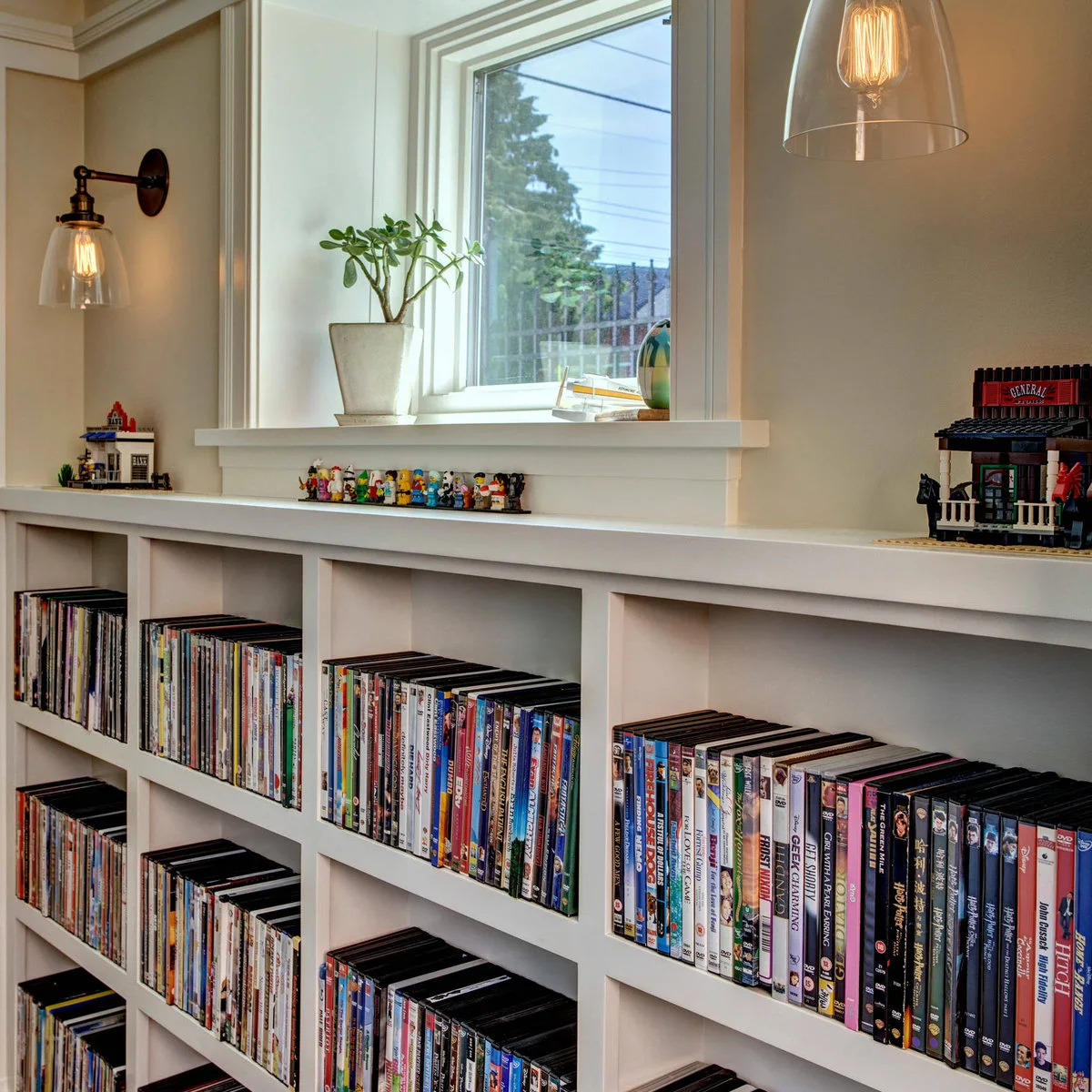
A dark short-arm light with a clear bell-shaped shade sits above the white bookcase. Its compact outline leaves the window and display shelves visible, while the dark finish separates it from the pale wall. Books and small models give the lower part of the arrangement plenty of detail.
Check the fitting’s projection against the tallest display items and leave access for cleaning the shade and changing its lamp. Avoid stacking objects around the light simply to fill the shelf. Assess glare from the nearby seating position, particularly when choosing a clear shade with a visible bulb.
IDEA 09 / 20
Fit Mirror Lights to Narrow Side Walls
 SaveSupport Non AI Creator
Image credit: Rebecca Lehde, Inspiro 8 Studios / Wright Design
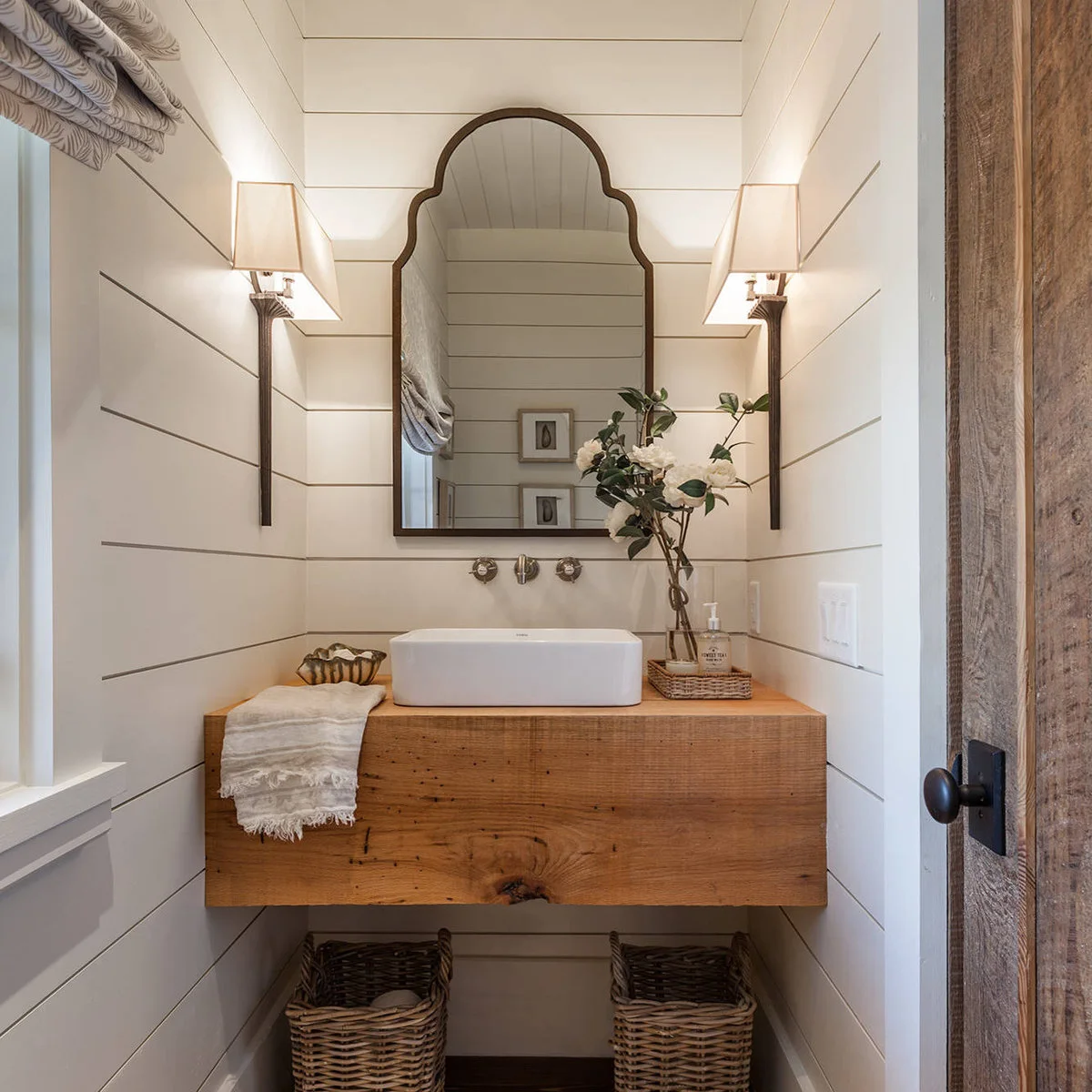
The wall lights are fixed to the narrow side walls beside the shaped mirror rather than crowded onto the wall behind it. Their long dark stems connect visually with the mirror frame. White horizontal boards and a thick wood counter give the small washing area a clear, layered backdrop.
Check the shade’s projection into the washing area and its reflection before choosing this side-wall arrangement. Coordinate nearby fittings with bathroom hand towel holder ideas so the towel remains reachable. Have a qualified installer confirm that the fixture and proposed position suit the actual bathroom location.
IDEA 10 / 20
Check Exposed Lamps Against a Dark Tile Wall
 SaveSupport Non AI Creator
Image credit: Project: Michaelson Homes LLC (via Houzz)
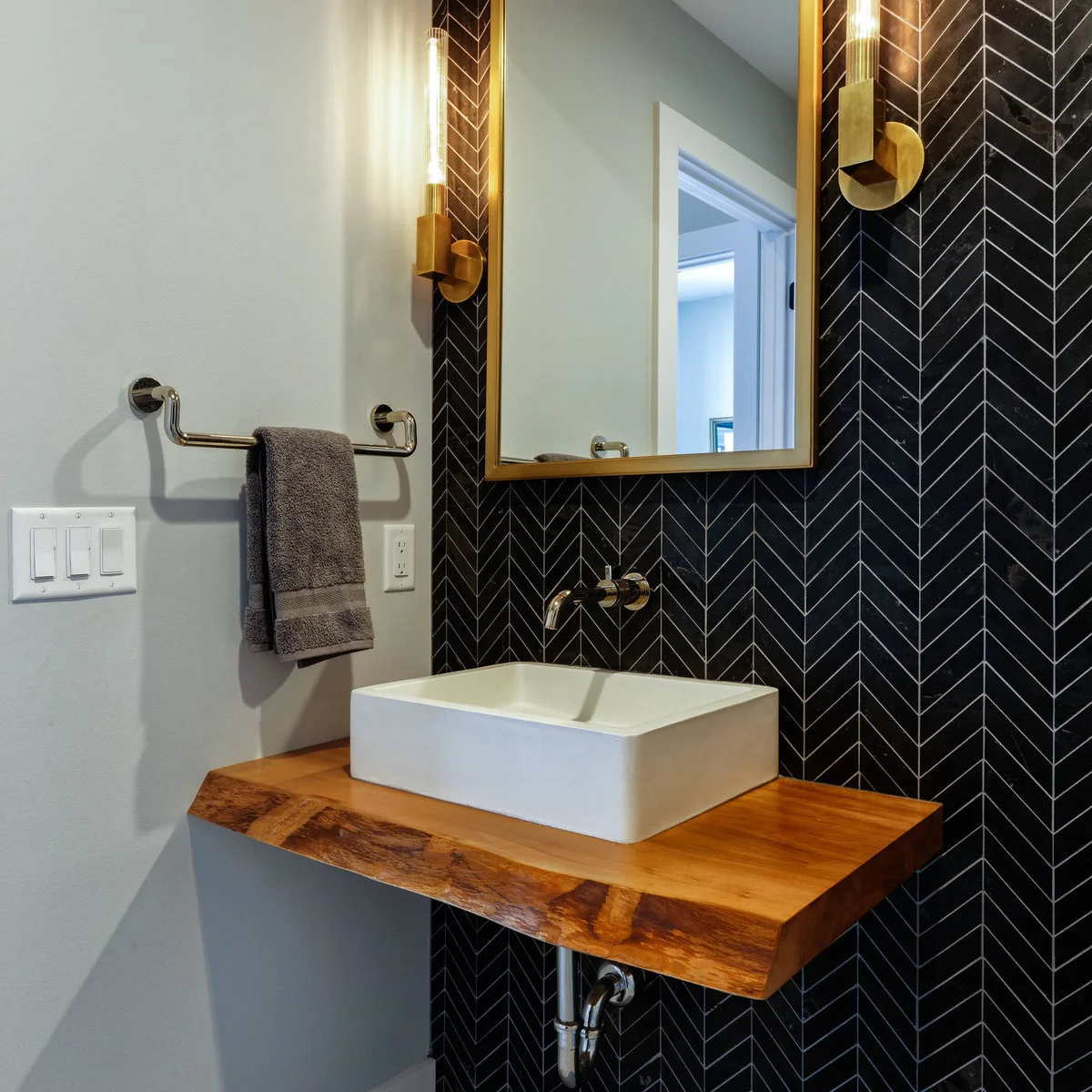
Tall clear lamps sit in warm metal holders on either side of the mirror, standing out against the dark chevron tile. The narrow fittings leave much of the patterned wall visible. Their warm finish relates to the mirror, while the white basin gives the lower part of the arrangement a quieter shape.
An exposed lamp can look attractive in a photograph and still feel bright at close range. Test a compatible lamp from the washing position, including its mirror reflection. Check the fixture’s suitability for the bathroom and keep cleaning access around the holders and tile joints in mind.
PART 03
Keep Bedside Lighting Comfortable and Reachable
IDEA 11 / 20
Use Tapered Shades Beside a Narrow Mirror
 SaveSupport Non AI Creator
Image credit: Erika Bierman / Charmean Neithart Interiors
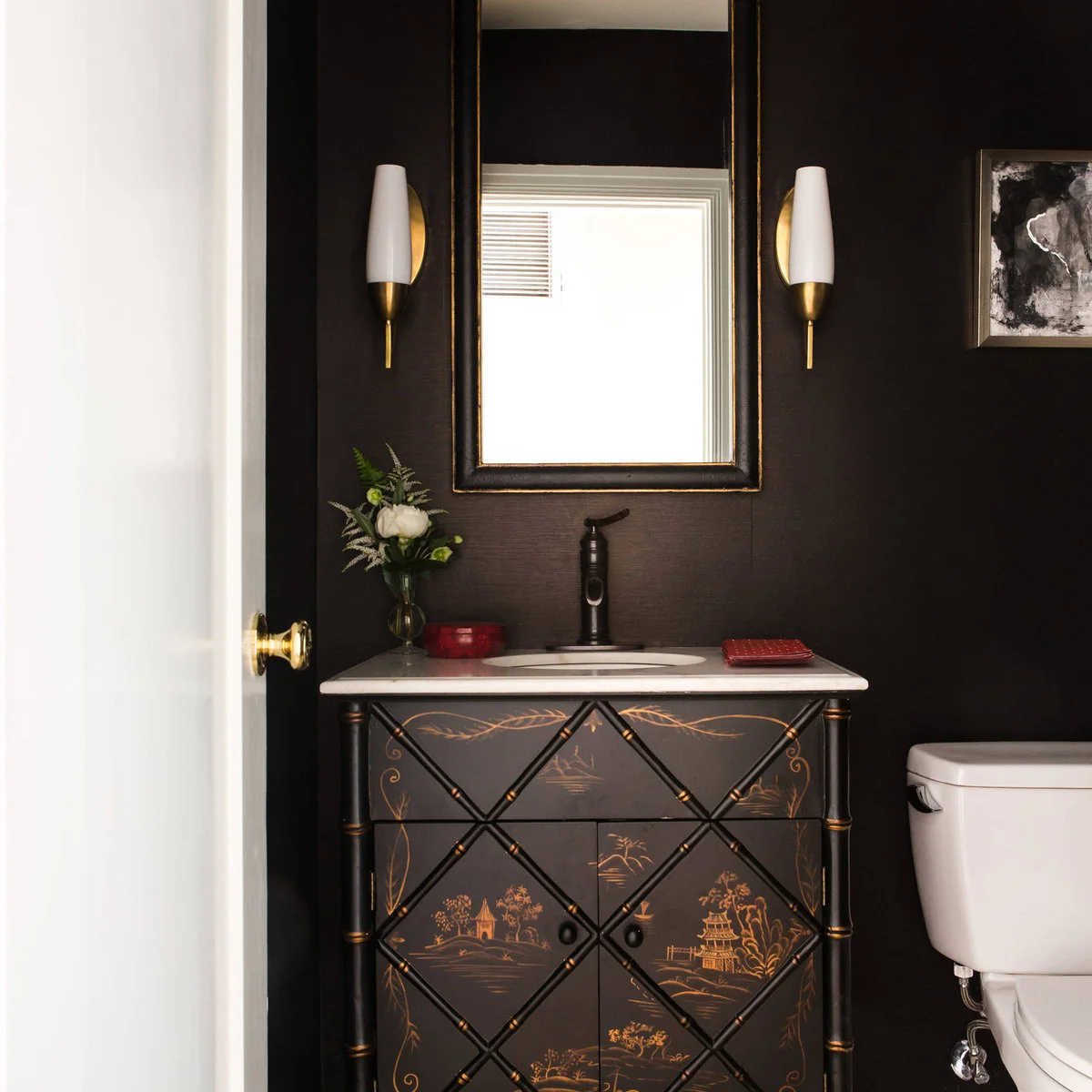
Pale tapered shades frame the narrow dark mirror above the powder room cabinet. Their pointed lower details repeat a slim vertical shape without covering the painted wall scene. Warm metal backplates connect the lights with the surrounding fittings, while the cabinet front supplies the strongest geometric pattern below.
Keep the fixture outline simple when the cabinet and wall already carry distinct patterns. Compare both lights in the mirror from a normal standing position before installation. Check whether the shades leave enough room to wipe the mirror edges and whether the selected fittings suit the bathroom location.
IDEA 12 / 20
Keep Hanging Bedside Shades Clear of Bedposts
 SaveSupport Non AI Creator
Image credit: Project: Jamesthomas Interiors (via Houzz)
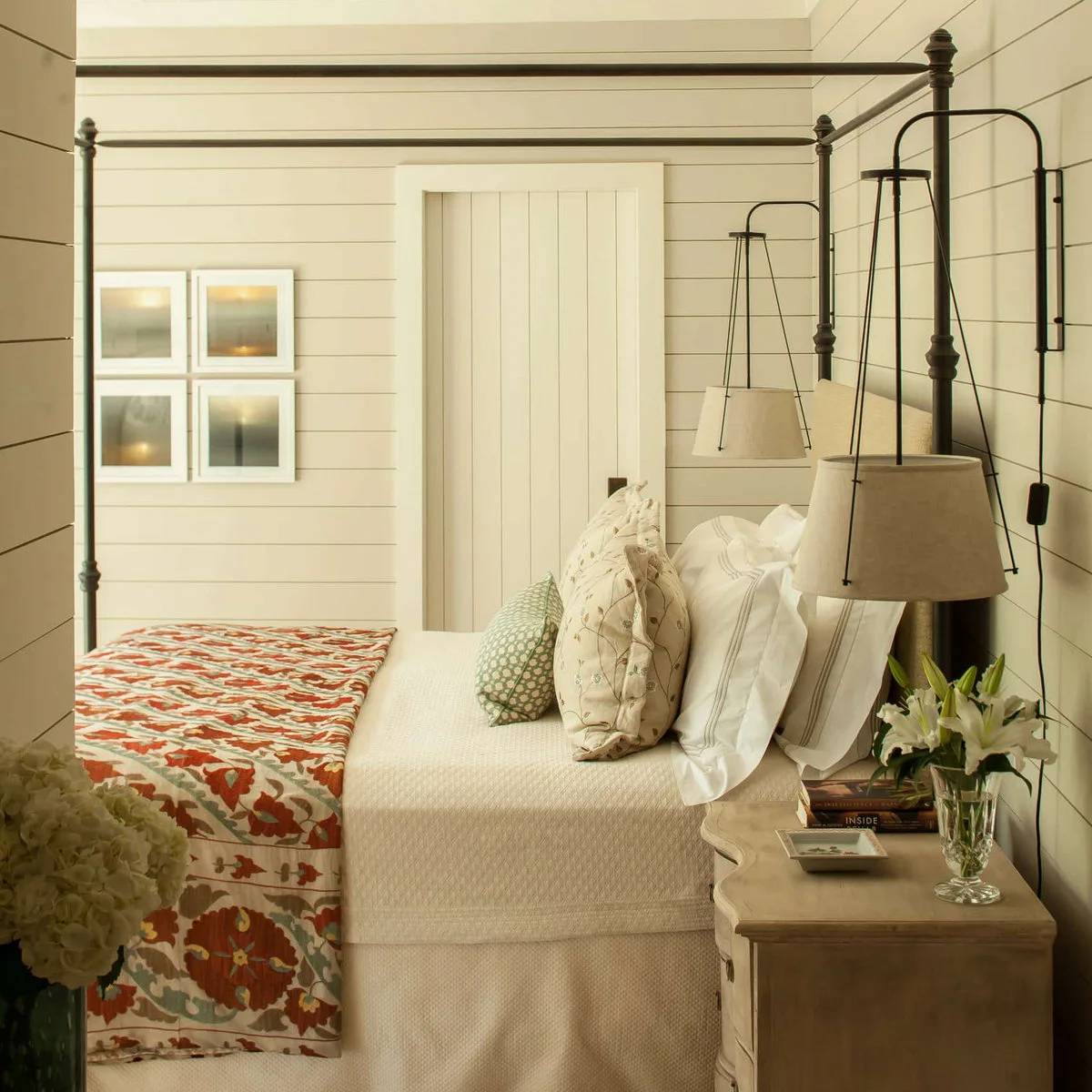
Dark brackets carry pale hanging shades beside the black four-poster bed. The narrow rods extend the bed’s vertical lines, while the white horizontal boards keep the background calm. The lights leave the nightstand tops available for other items rather than adding a broad lamp base beside each post.
Compare bedroom nightstand ideas with the actual bed frame before locating these brackets. Check the shades against the posts, pillows and someone sitting up in bed. Confirm the control arrangement and any cord routing for the chosen model so neither a switch nor a hanging shade becomes awkward to reach.
IDEA 13 / 20
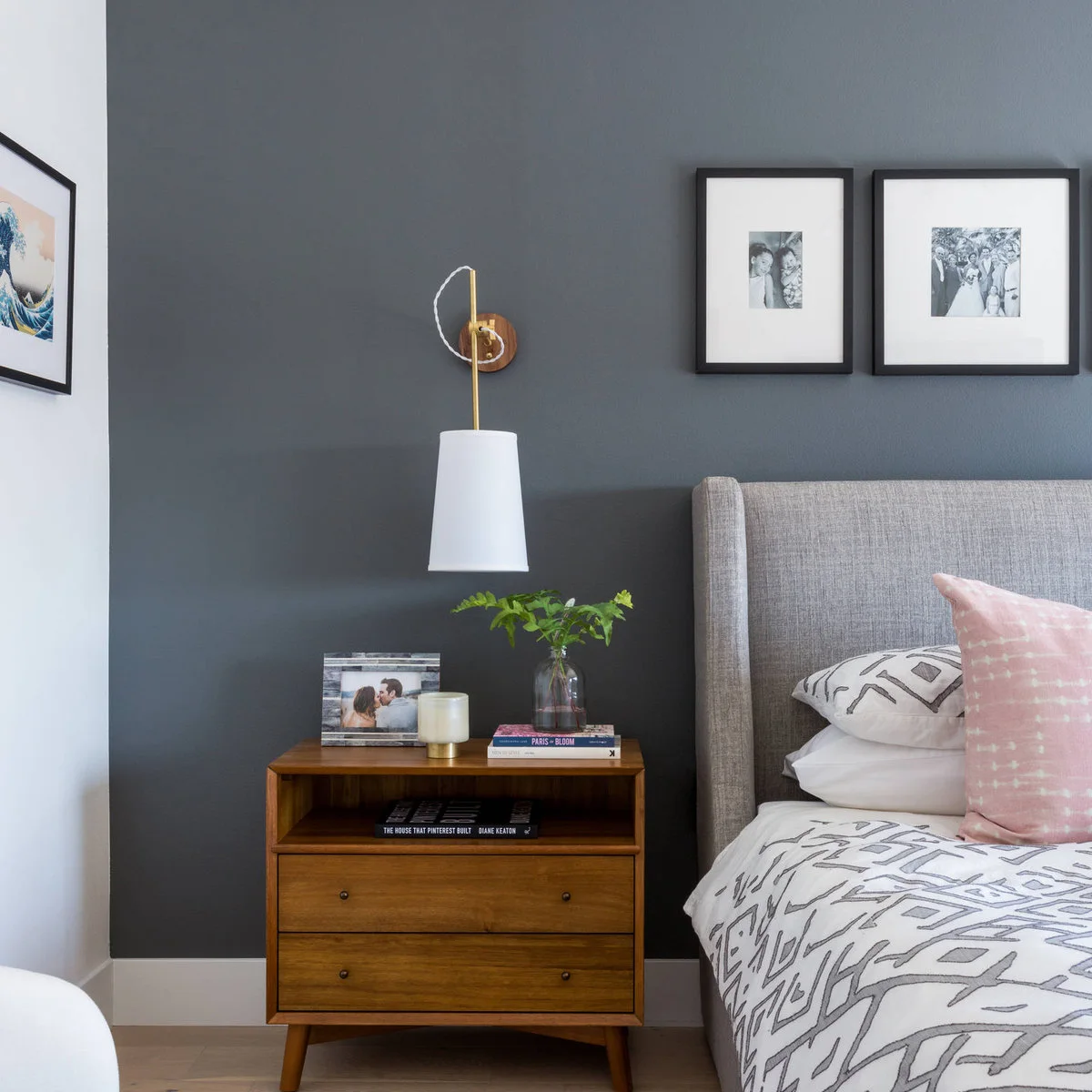
Make a Visible Cord Part of a Tidy Bedside
 SaveSupport Non AI Creator
Image credit: Amy Bartlam / Marissa Cramer Interiors
A white bell-shaped shade projects from a warm metal stem above the wood nightstand. Its round wood backplate relates to the furniture below, while the gray upholstered headboard and dark wall make the pale shade distinct. A visible loop of cord adds another line beside the fitting.
If choosing a corded fitting, follow its instructions for routing and securing the cord instead of copying a decorative loop without checking it. Keep the switch reachable and the cord away from furniture pinch points. Leave enough clear nightstand surface for the items actually used before sleep.
IDEA 14 / 20
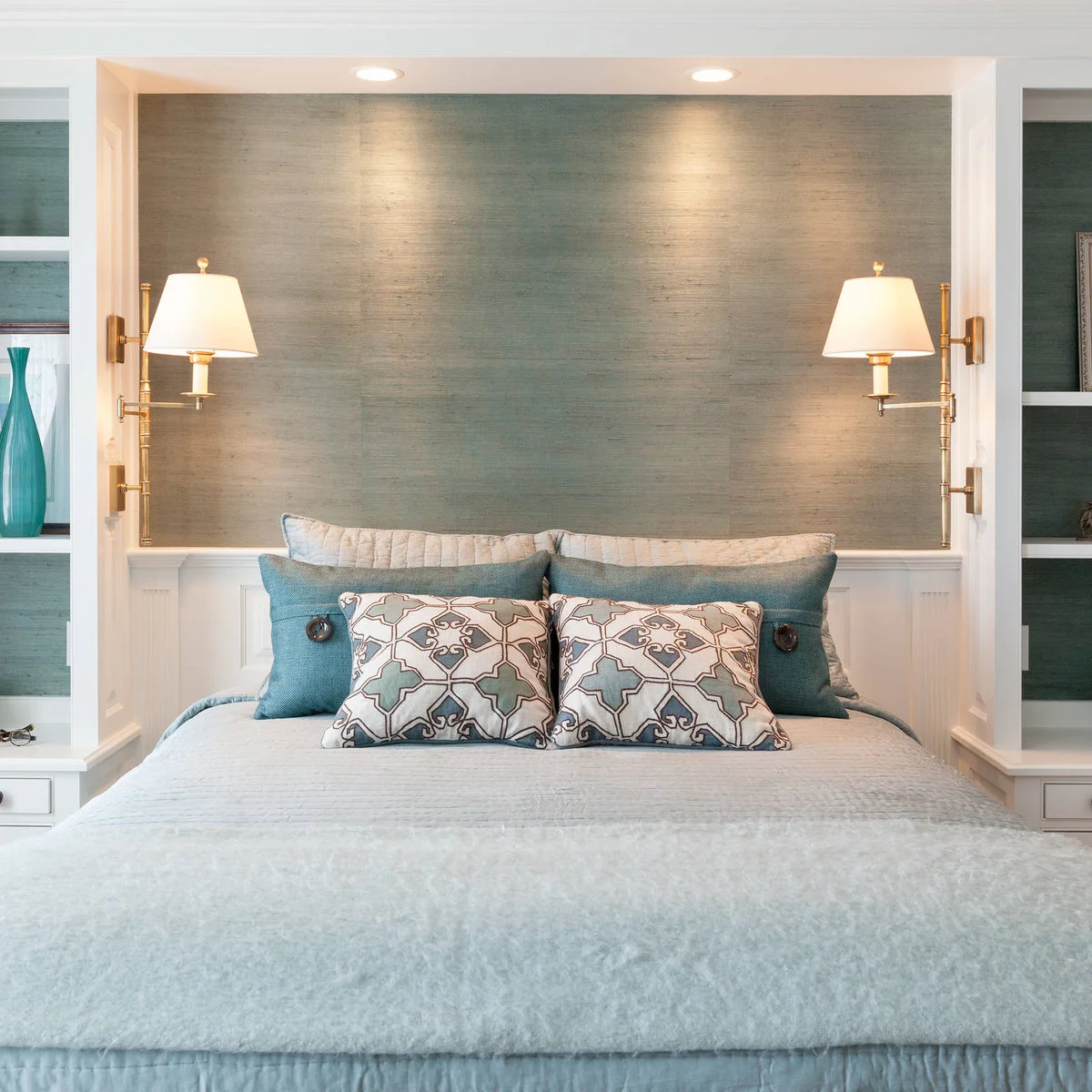
Mount Reading Lights on the Sides of a Bed Niche
 SaveSupport Non AI Creator
Image credit: Emily O’Brien / MMO Designs
The shaded wall lights sit on the sides of the white piers framing the bed niche. Their long warm metal rails stand out against the pale joinery, while the shelves and textured back wall give the bed a recessed setting. The lights occupy side space rather than the shelf surfaces.
Check the actual model’s movement before assuming its arm will reach the reading position. Test its furthest projection against pillows and the person sitting in bed. Keep controls accessible without reaching across a shelf, and ensure the fitting can be maintained without dismantling the surrounding joinery.
IDEA 15 / 20
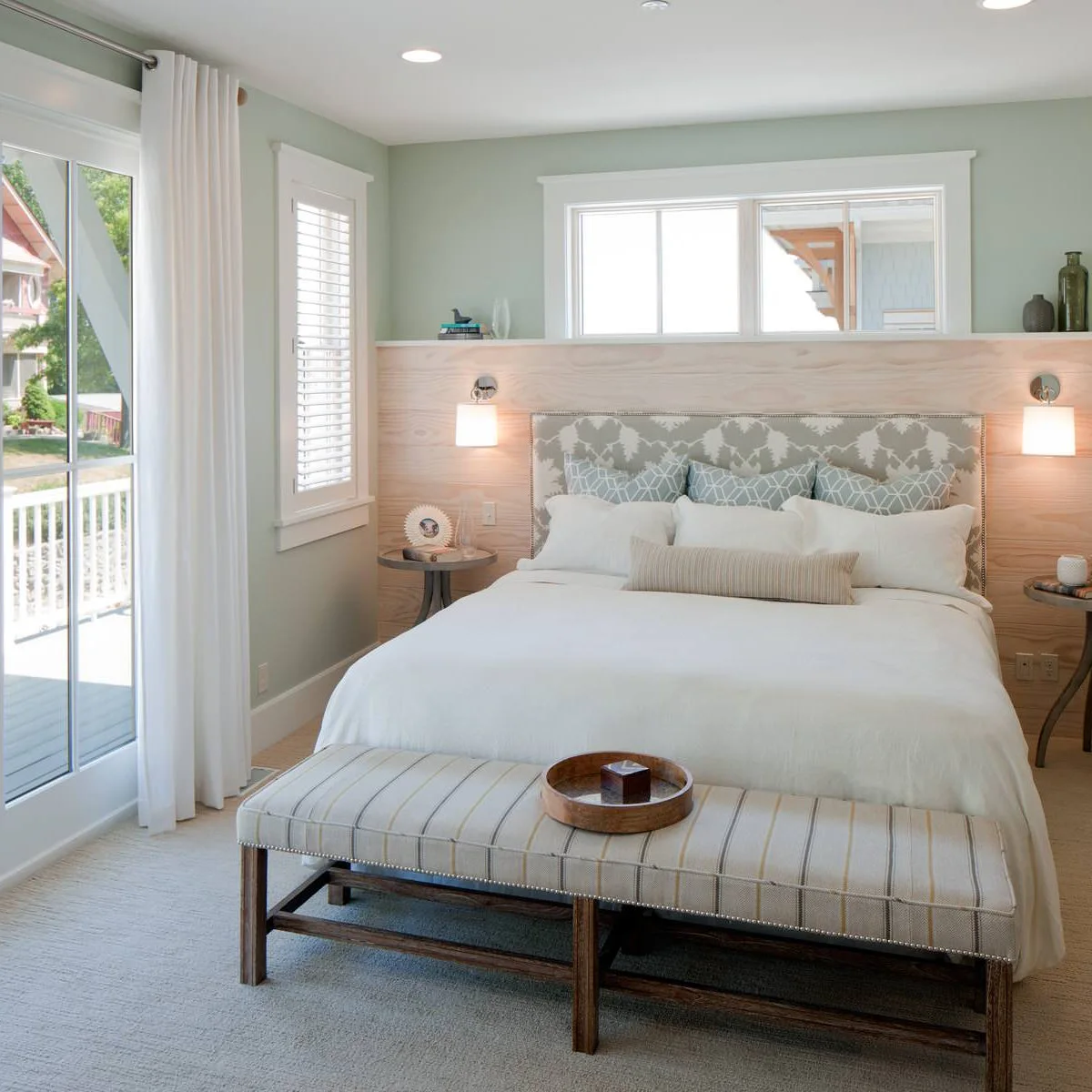
Coordinate Short Shades with a Paneled Headboard Wall
 SaveSupport Non AI Creator
Image credit: Project: Insignia Homes (via Houzz)
Short metal fittings with downward white shades sit on either side of the bed, above small round tables. The lower wood paneling connects the bedside positions while the pale green upper wall adds a quieter color. A window above the headboard sets another clear boundary for the arrangement.
Choose the bed and headboard before finalizing these electrical positions. Check the shade against the top of the paneling and compare switch reach from the mattress. If a future bed could be taller or wider, leave reasonable flexibility rather than fitting the lights tightly around the current furniture.
PART 04
Fit the Light to Furniture and Shared Rooms
IDEA 16 / 20
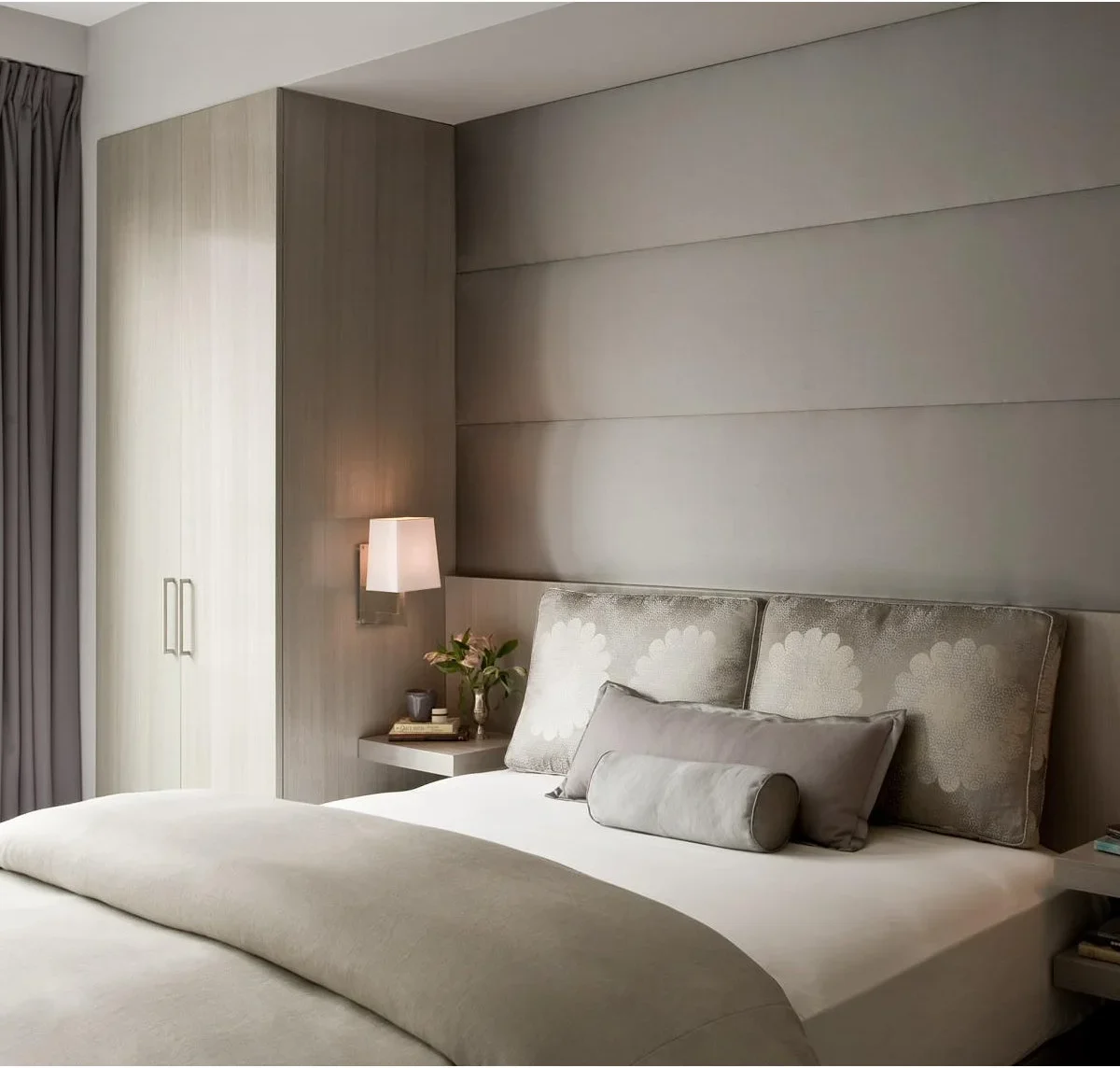
Use the Side of Joinery Where Space Is Tight
 SaveSupport Non AI Creator
Image credit: Emily Gilbert Photography / Darci Hether
A small white angular shade is mounted on the side of the wood wardrobe beside the padded bed. The fitting uses the narrow vertical surface above the floating bedside shelf, keeping the sleeping area’s main wall simple. Its light color separates it from the warm wood cabinet face.
Treat cabinet mounting as a detail to plan with the joiner and qualified installer. Confirm the chosen fitting’s permitted mounting surface, wiring route and access for maintenance before cutting the cabinet. Check that the shade stays clear of the user’s head and that nearby doors can still open normally.
IDEA 17 / 20
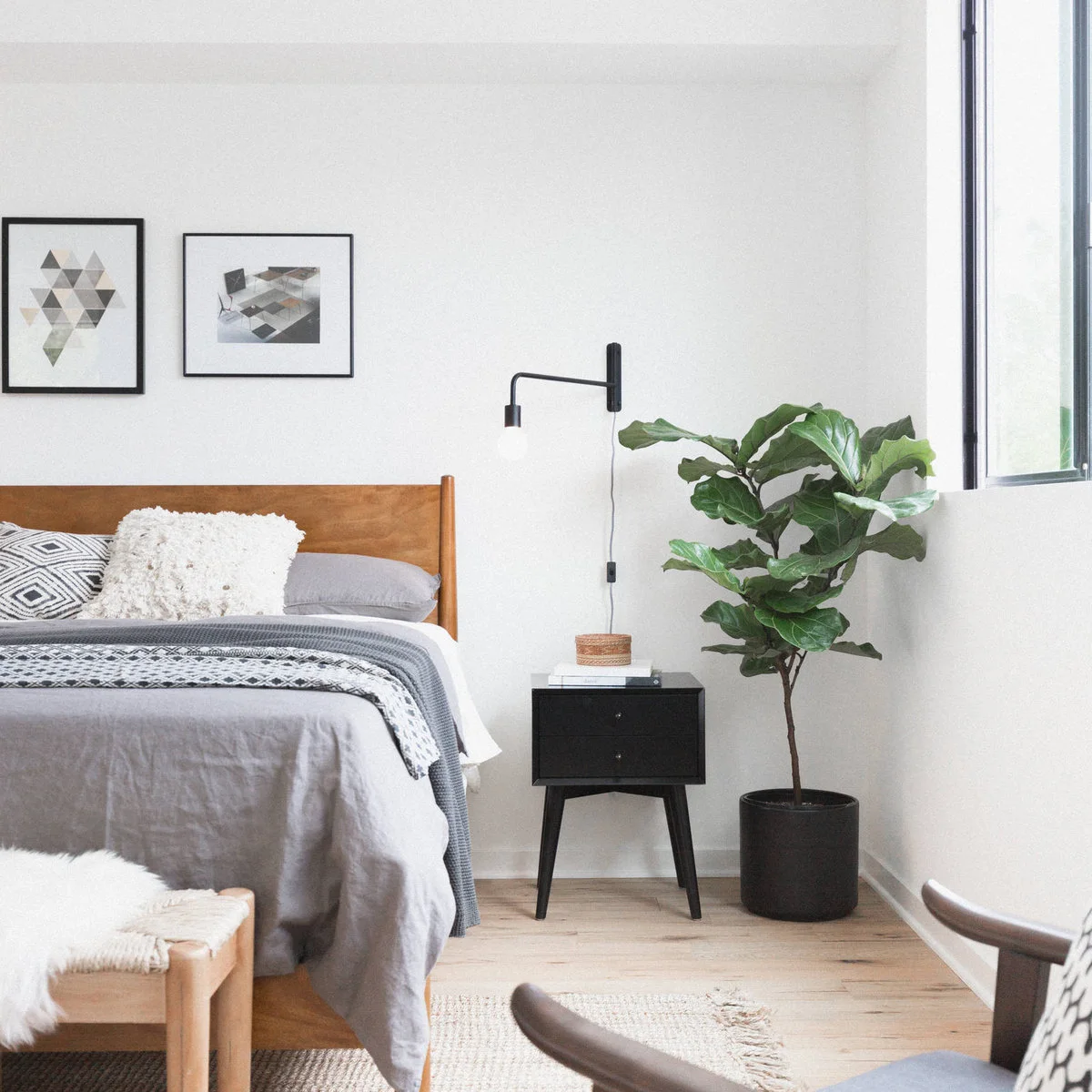
Keep a Bare Globe Out of the Reading Sightline
 SaveSupport Non AI Creator
Image credit: Project: Mad Mod Home (via Houzz)
A bare globe projects from a dark right-angle arm above the bedside table. Its simple outline contrasts with the wood headboard, while the nearby leafy plant fills more of the corner vertically. The small fitting leaves the table surface relatively open and repeats the dark finish of the furniture below.
Look at an exposed globe from the pillow and from an upright reading position before choosing this arrangement. Compare compatible lamps and any available shielding for the fixture. Keep leaves away from the lamp and follow the product’s instructions rather than assuming the photographed distance will suit every bulb or plant.
IDEA 18 / 20
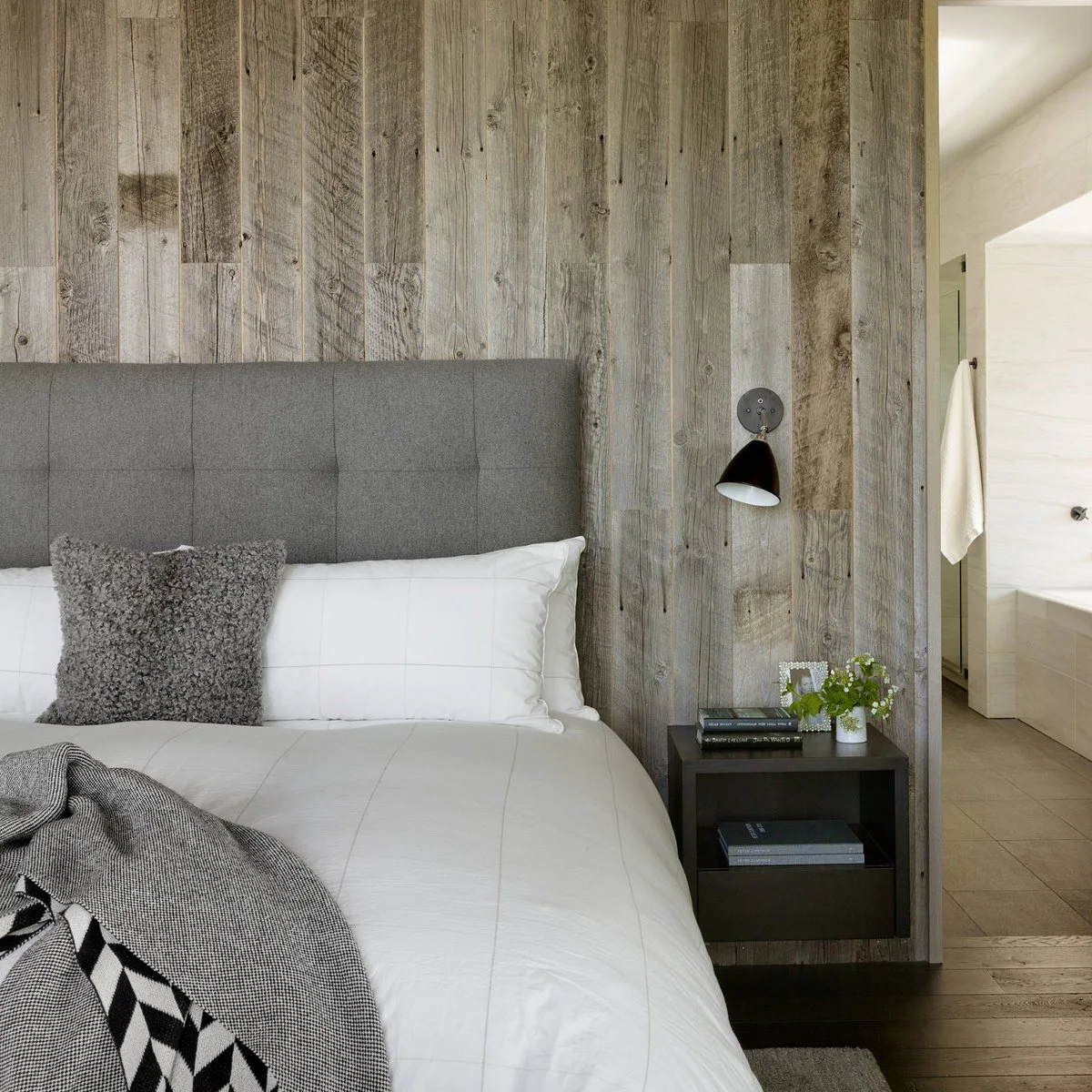
Use a Small Dark Shade Against a Textured Wood Wall
 SaveSupport Non AI Creator
Image credit: Matthew Millman / CLB Architects
The small dark conical shade stands out against the vertical wood boards without covering much of their texture. A floating dark nightstand repeats its color beside the gray padded bed. The compact light keeps the bedside outline restrained where the doorway and wall treatment already create several strong edges.
Check whether the selected model actually adjusts before planning to redirect its beam. Compare the shade with the headboard and someone sitting at the bed’s edge. Keep the fixture clear of the doorway approach, and leave access to the nightstand’s contents without reaching around a projecting arm.
IDEA 19 / 20
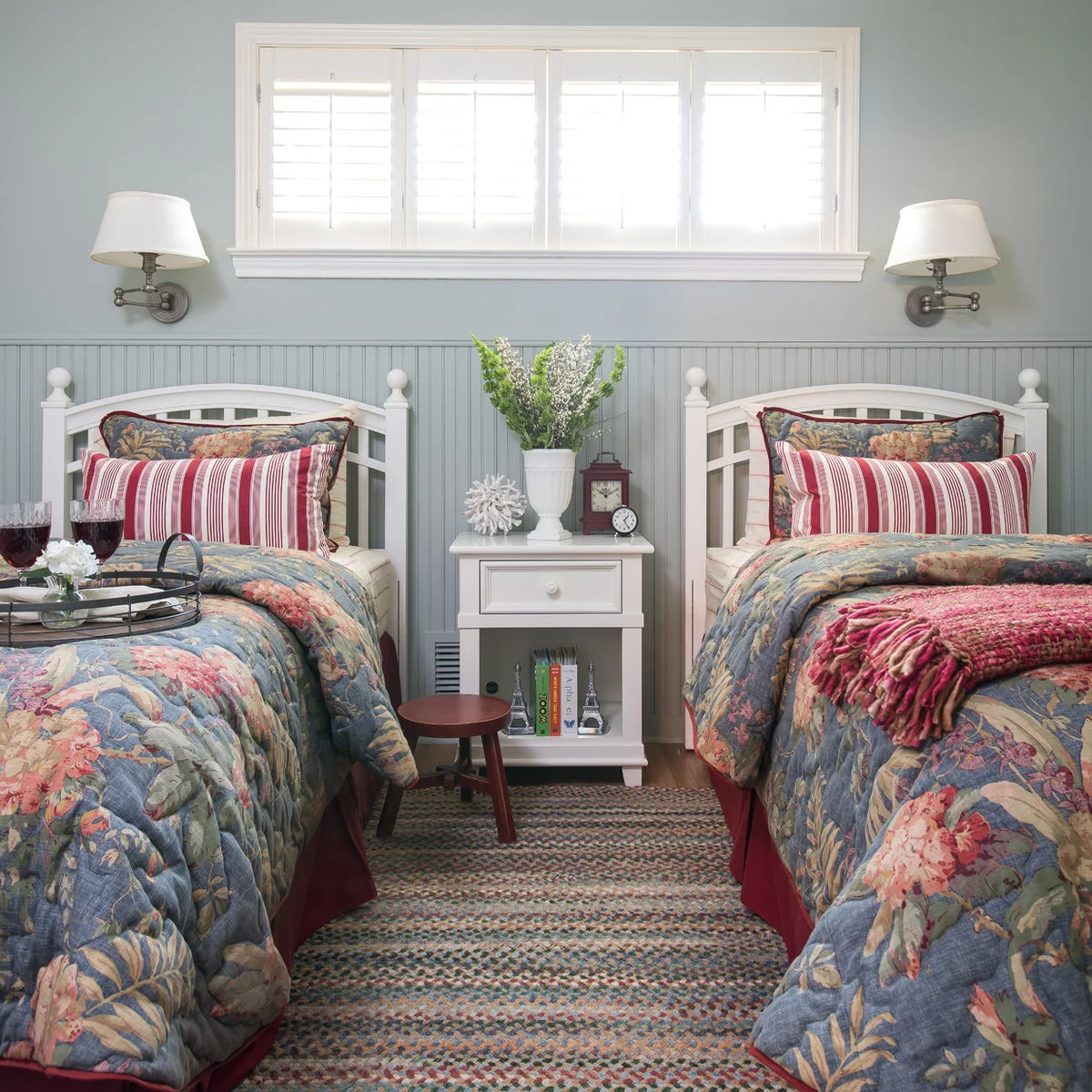
Give Each Twin Bed Its Own Light
 SaveSupport Non AI Creator
Image credit: Michael Hunter / Dona Rosene Interiors
Each twin bed has a shaded wall light near its outer edge, leaving the central window as the room’s main vertical feature. The pale shades relate to the white bed frames, while blue paneling and floral bedding carry the stronger color and pattern. Separate fittings clearly identify each bedside position.
Test switch reach from both beds rather than mirroring a measurement without trying it. Check the arm and shade against the bed frame and the user’s head when sitting up. Keep curtain movement clear and ask the installer about suitable separate controls so one person can read without changing both lights.
IDEA 20 / 20
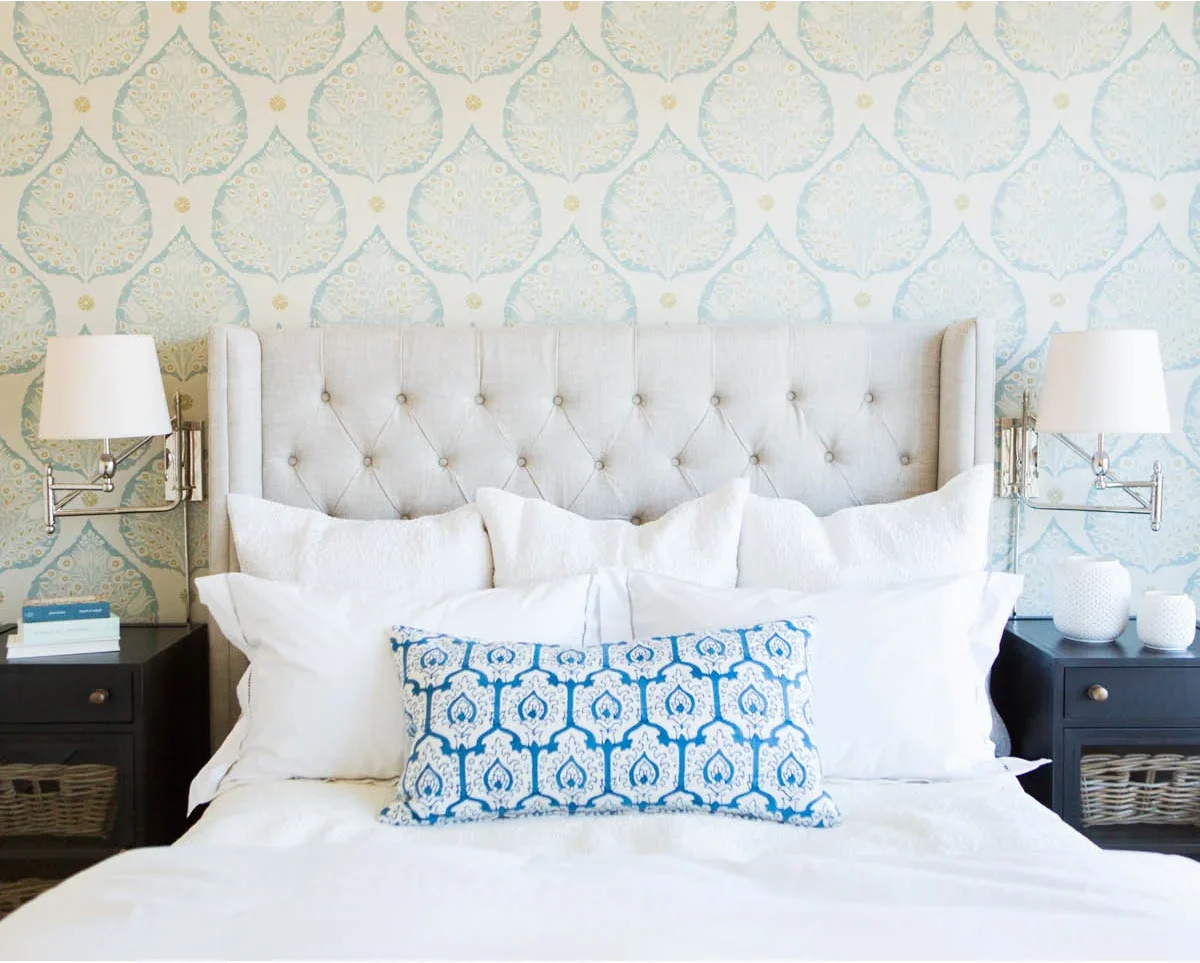
Check Swing Arms Against a Wide Winged Headboard
 SaveSupport Non AI Creator
Image credit: Kate Osborne / Route Design, Ashley Winn
Pale shaded swing-arm lights sit on either side of the broad white tufted headboard. Their metal arms remain visible against the softly patterned wall, while dark nightstands give each bedside a firmer base. The headboard’s projecting wings make the space beside the mattress an important part of the arrangement.
Check the actual arm’s movement against the headboard wings before fixing the backplates. A shade that clears the outer edge may still be difficult to bring toward the reading position. Test the controls from the mattress and allow room to change bedding without knocking the fitting or straining its joints.
BRING IT ALL TOGETHER
Test the Light from Where You Will Use It
Mark the proposed fitting and shade outline on the wall, then check it from the sofa, bed or mirror. Include the arm’s movement if the model adjusts. A fitting that looks well centered from the doorway may create glare or crowd furniture when the room is being used.
Choose the actual fixture before finalizing electrical work. Confirm its mounting requirements, controls, lamp compatibility and suitability for the location. Around fireplaces, bathrooms and cabinets, have the installer check the applicable product instructions instead of copying the apparent spacing in a photograph.