Couch pillows work best when they add comfort as well as color. Start with the seats you actually use, then choose a small combination that leaves space to sit, recline and reach the armrests. The most successful arrangement may be simpler than the one that looks impressive when nobody is using the sofa.
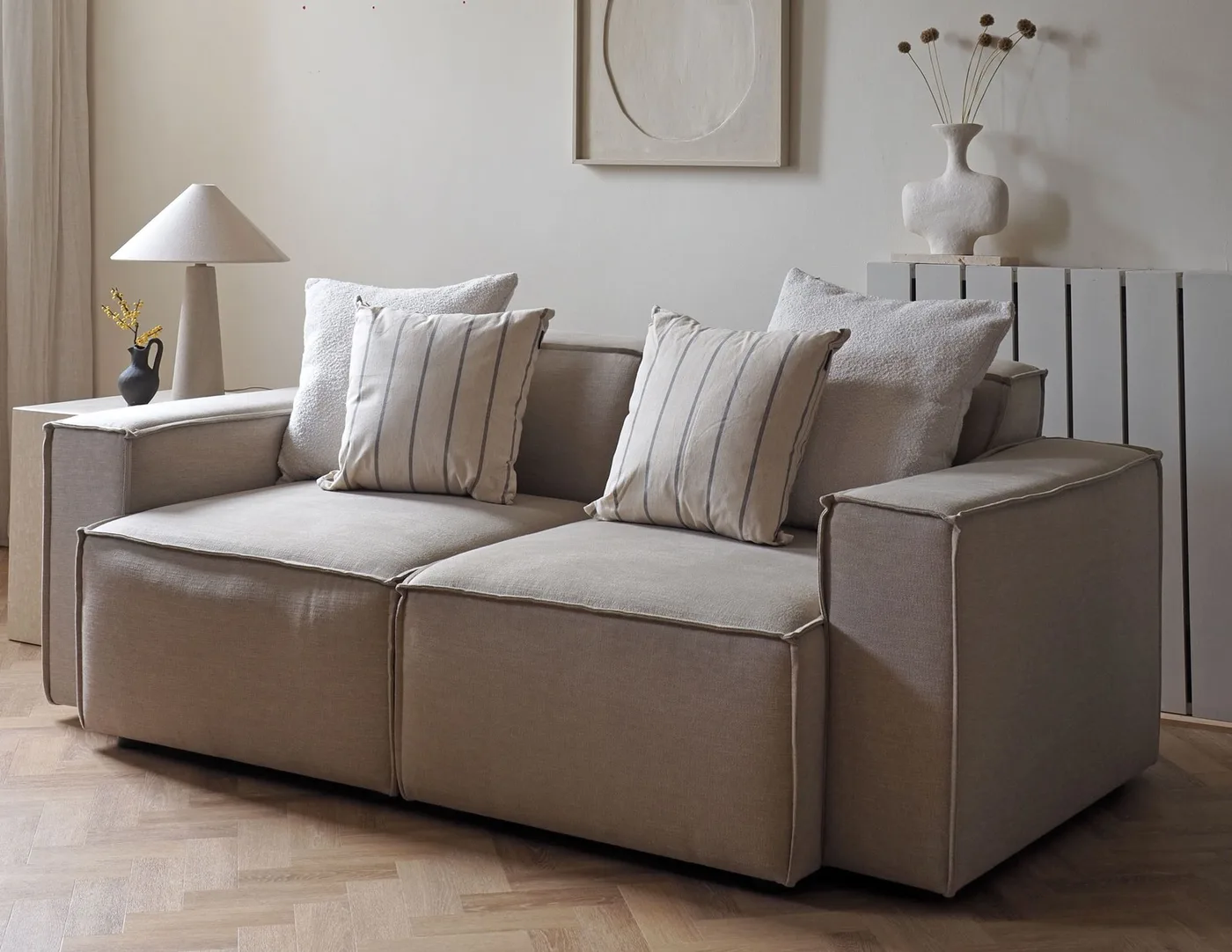
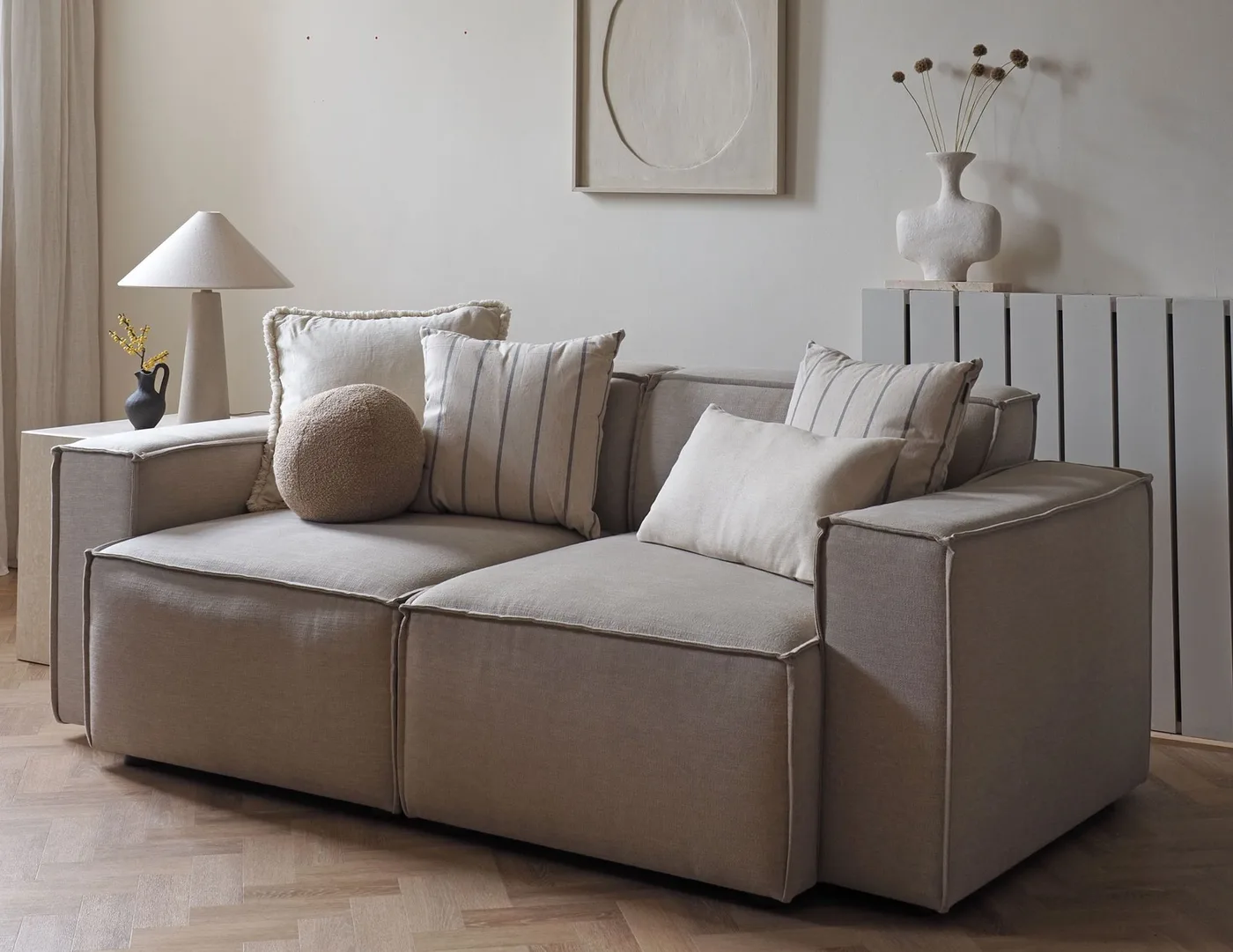
These photographs show varied rooms and three different pillow arrangements on the same pale sofa. Those comparisons demonstrate how placement changes the result without changing the furniture. Look for visible patterns and proportions you enjoy, then check cover care and filling preferences before buying a full matching set.
PART 01
Choose a placement that leaves room to sit
IDEA 01 / 20
Let mixed patterns gather at the sofa ends
 SaveSupport Non AI Creator
Image credit: Lauren Engel. Design: Victoria Holly Interiors
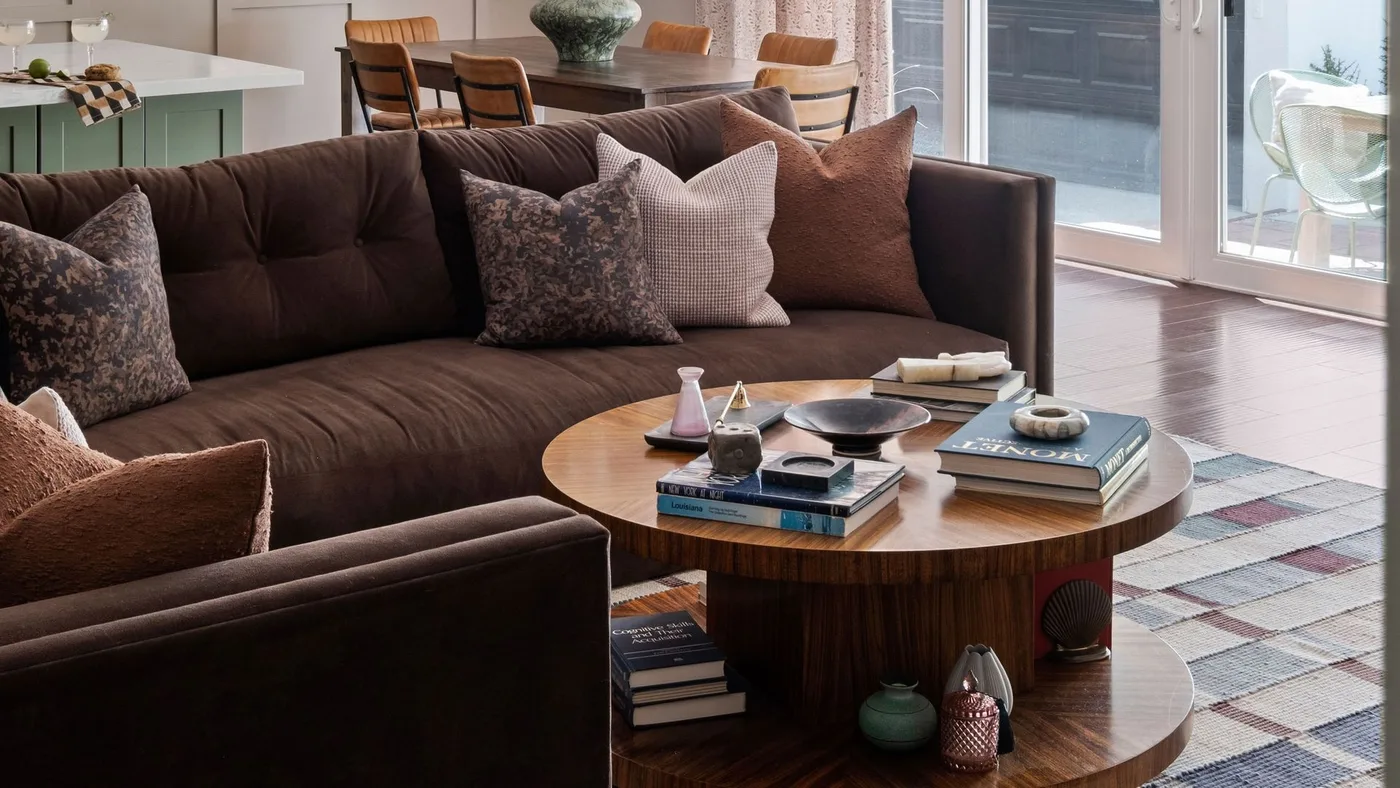
Rust, checks and floral patterns gather along this dark brown sectional, giving the sofa several smaller points of color. The rounded wooden table keeps a different shape in front of the seating. This is a useful example of mixed covers that feel connected by their warmer tones rather than by a single repeated print.
Choose one color that already works against your sofa, then compare a few patterns with different visual scales. Keep the middle seats usable and check that larger pillows do not push people too far forward. If you regularly move the pillows before sitting, reduce the arrangement or give the extras a convenient nearby storage place.
IDEA 02 / 20
Use darker pillows to outline a pale curved couch
 SaveSupport Non AI Creator
Image credit: Ali Lahlou
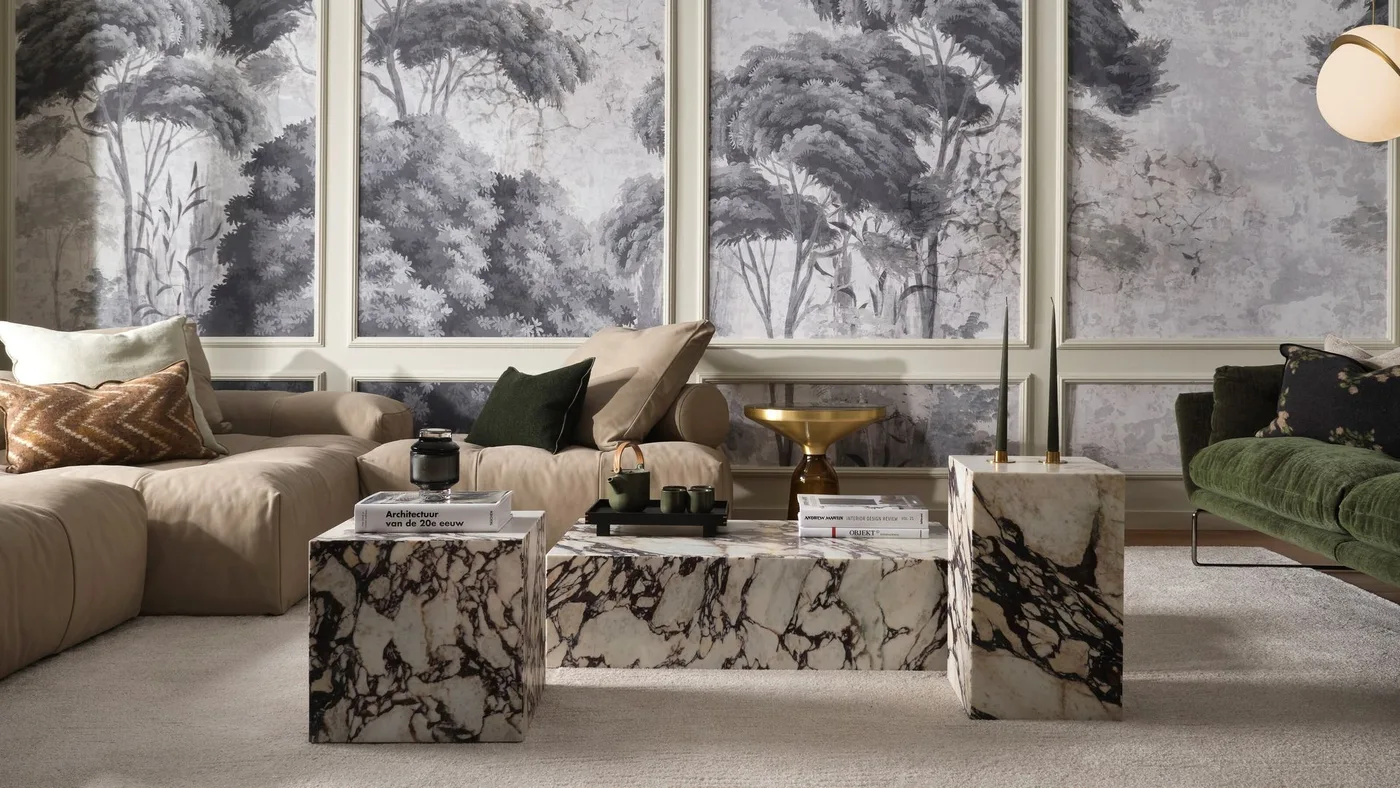
A brown patterned pillow and darker green pillow stand out against this pale curved couch. The tree mural brings more detail behind the furniture, so the pillows do not need to reproduce every color or shape on the wall. Their contrast helps define the seating edge while leaving most of the pale upholstery visible.
Try a darker cover against your own couch before choosing several matching ones, checking it in both daylight and evening light. Keep the pillows away from positions where they continually slide along the curved back. When the background already has a detailed pattern, a smaller pillow group can be easier to live with and maintain.
IDEA 03 / 20
Bring one bright accent into a striped arrangement
 SaveSupport Non AI Creator
Image credit: Gieves Anderson. Design: Barker Architecture Office
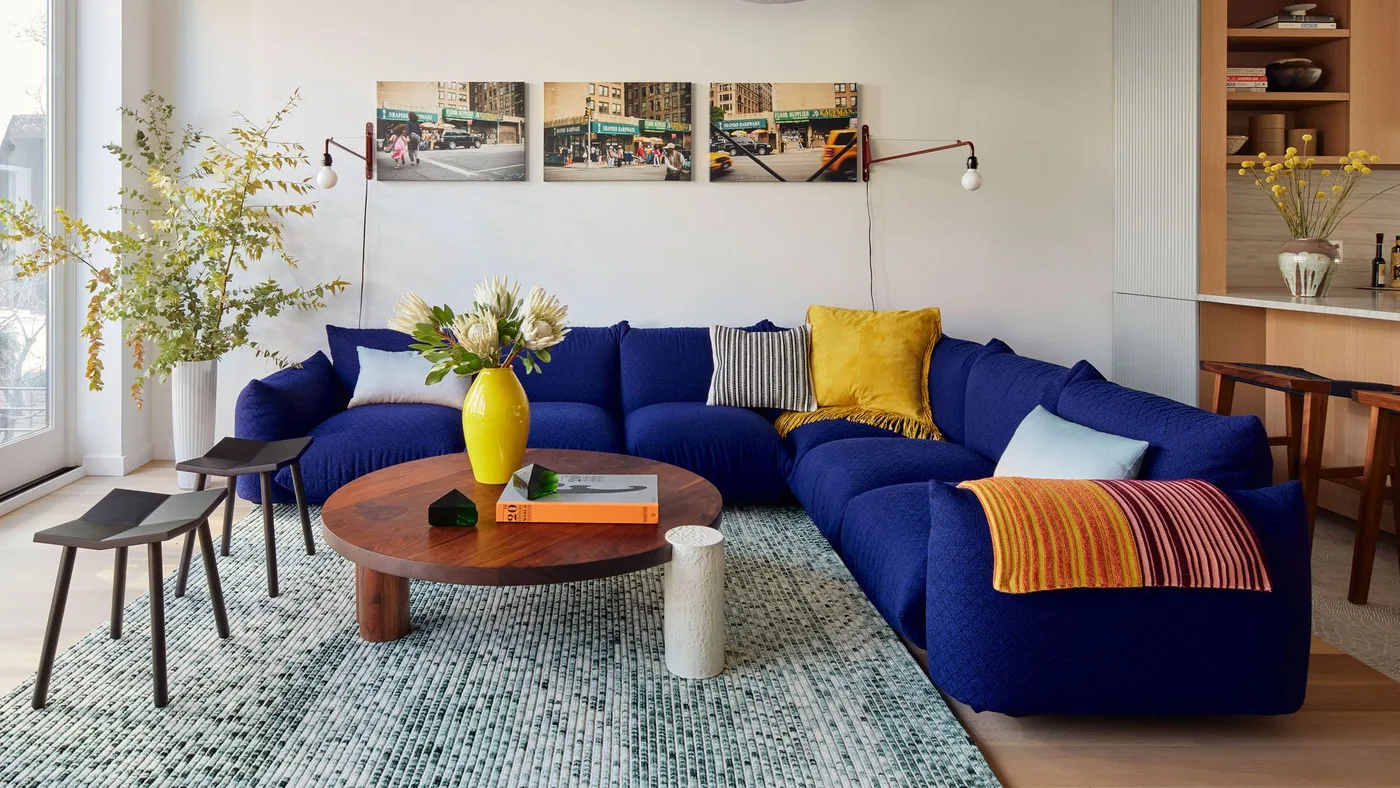
Pale striped pillows lighten the blue sectional, while a yellow pillow introduces a stronger accent near the corner. The colorful striped throw adds another source of pattern without making every pillow equally bold. The arrangement shows how one brighter cover can change a sofa whose main pillow colors remain comparatively quiet and restrained.
Choose the bright pillow for a seat where it can be moved easily, and test the striped covers alongside your existing throw before buying more. Avoid crowding the corner if someone likes to recline there. Check each textile care label separately; different fabrics and trims may need different cleaning even when they form one arrangement.
IDEA 04 / 20
Start with two simple lumbar pillows
 SaveSupport Non AI Creator
Image credit: Future / Luke Arthur Wells
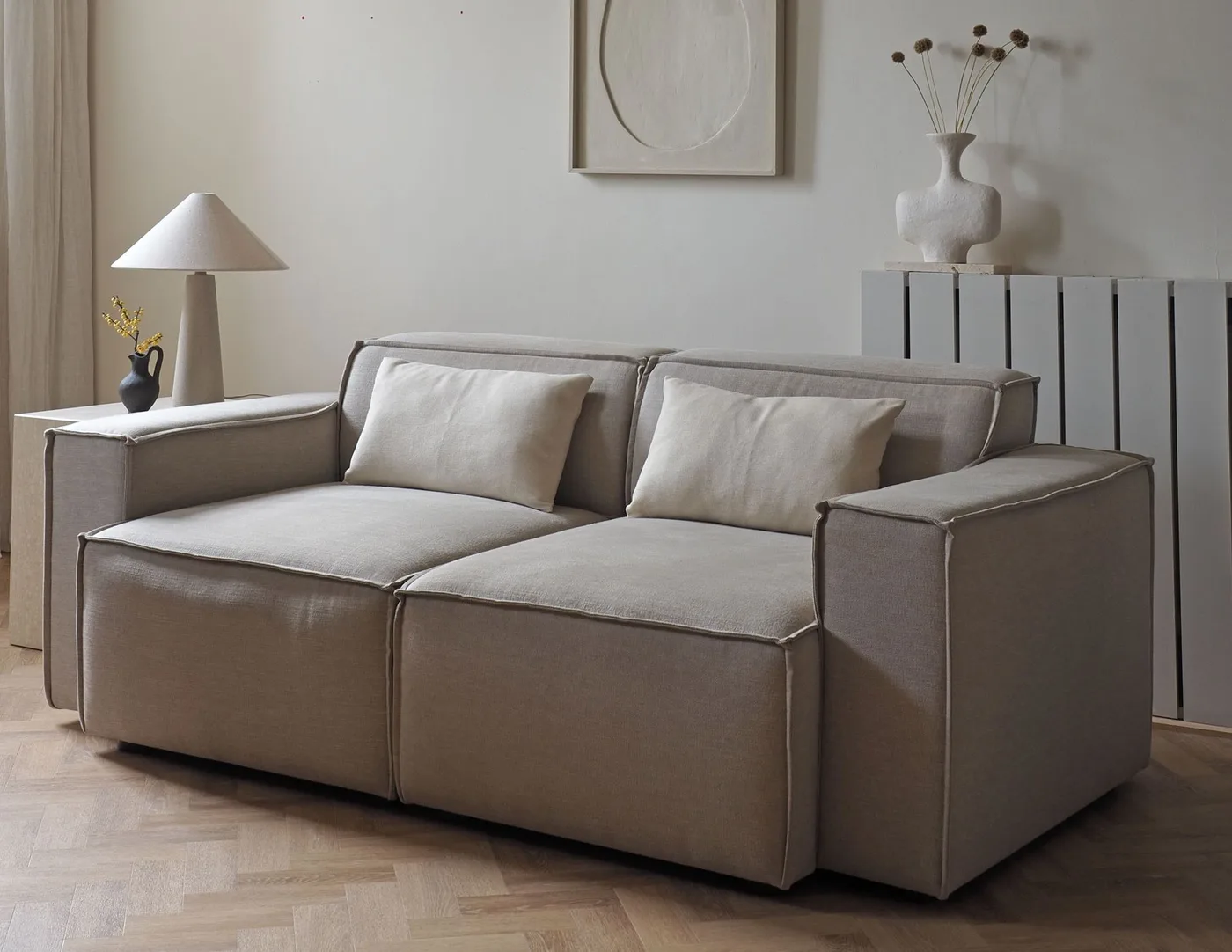
Two rectangular pillows give this pale sofa a restrained arrangement with plenty of upholstery left visible. Their horizontal shape echoes the wider seats rather than creating a taller stack against the back. This version is especially helpful when you want a little additional support without making the couch feel crowded by several decorative layers.
Try the pillows behind your lower back and at the armrests to find where they actually improve comfort. Measure the usable seating depth before ordering a fuller insert. If the covers are close in color to the couch, compare their texture in daylight so the arrangement still has some definition without depending on a strong color contrast.
IDEA 05 / 20
Compare a balanced set on the same sofa
 SaveSupport Non AI Creator
Image credit: Future / Luke Arthur Wells
The same pale sofa now has a more balanced arrangement, with striped and textured white pillows at its ends. Compared with the simpler rectangular pair, the square shapes create more height and visible layering. The photograph makes it easy to see that pillow placement alone can give unchanged furniture a different visual rhythm and emphasis.
Use this comparison to decide whether a fuller arrangement suits your daily routine. Test each end with someone seated rather than judging symmetry only from across the room. Keep enough depth for comfortable sitting, and store any pillow that consistently gets displaced instead of repeatedly rebuilding an arrangement that does not work for your household.
PART 02
Mix shapes and textures with a clear purpose
IDEA 06 / 20
Add a round shape to a looser grouping
 SaveSupport Non AI Creator
Image credit: Future / Luke Arthur Wells
A round textured pillow changes the outline of this third arrangement on the same pale sofa. Striped squares and plain rectangular pillows supply other proportions around it, making the grouping less uniform than the balanced pair. The visible differences come from shape and position, showing how a smaller round pillow can become a focal detail.
Place the round pillow where its shape gives useful support or can be moved conveniently. Keep it from becoming an extra object that occupies the only comfortable seat. Compare the fuller left grouping with the quieter right side, then adjust the balance around how people actually sit rather than insisting that both ends carry identical stacks.
IDEA 07 / 20
Let a message pillow be the single focal detail
 SaveSupport Non AI Creator
Image credit: Photography by Sara Ligorria-Tramp; Styled by Emily Bowser; Courtesy of Emily Henderson Design
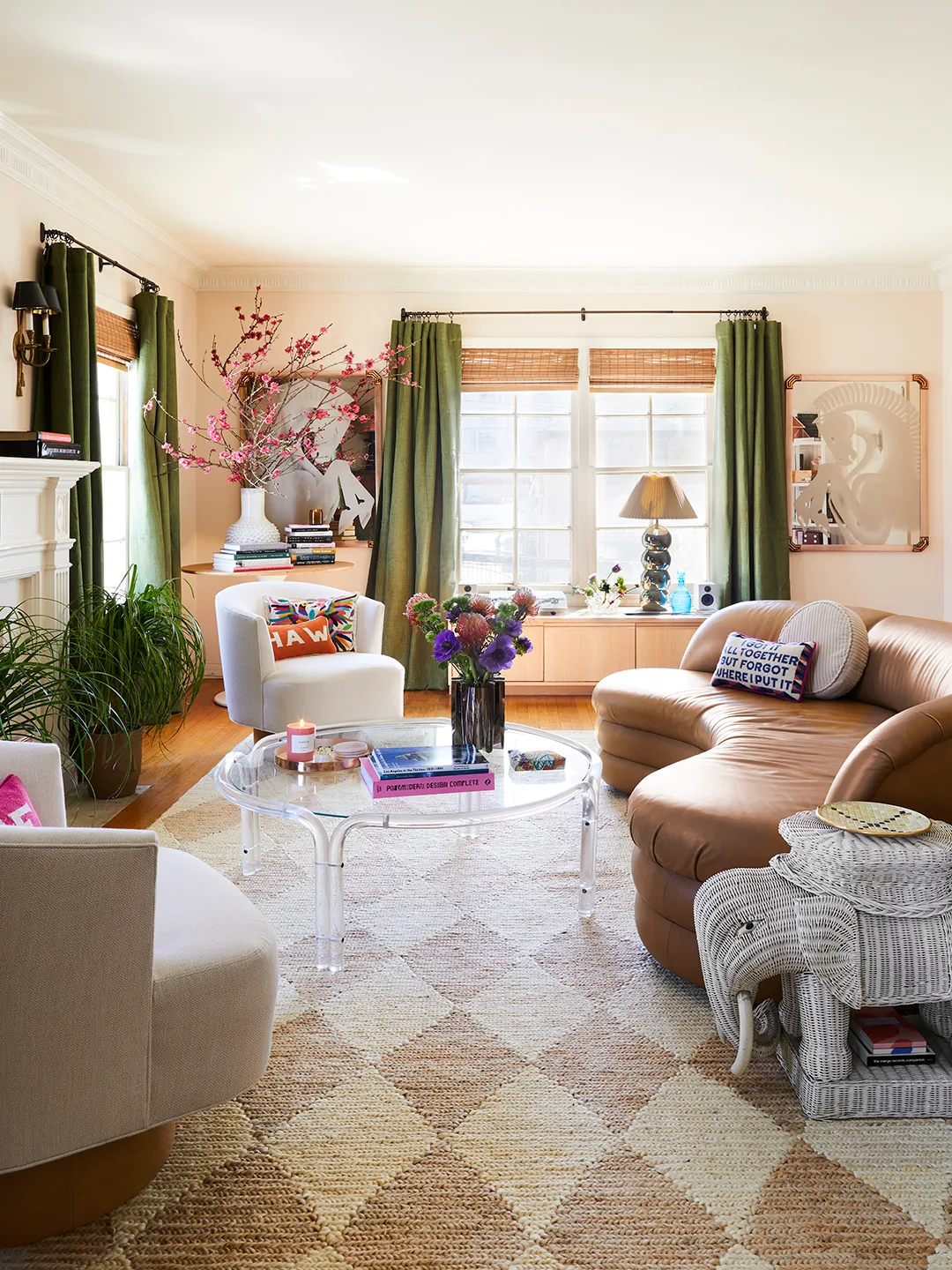
A message pillow sits in front of a rounded pale pillow on the curved brown couch. The room has green curtains, flowers and colorful details elsewhere, so the smaller text element is one focal point among several. Keeping it within a compact group allows the distinctive couch shape and the surrounding arrangement to remain visible.
Choose wording you actually enjoy seeing every day and check that the cover feels comfortable as well as readable. Place it where a person can move it without disturbing a larger stack. If other furniture already carries strong prints or messages, limit the repeated text so the seating does not become visually busy from every direction.
IDEA 08 / 20
Use a gathered round pillow against darker squares
 SaveSupport Non AI Creator
Image credit: Photography by Sara Ligorria-Tramp / Courtesy of Emily Henderson Design
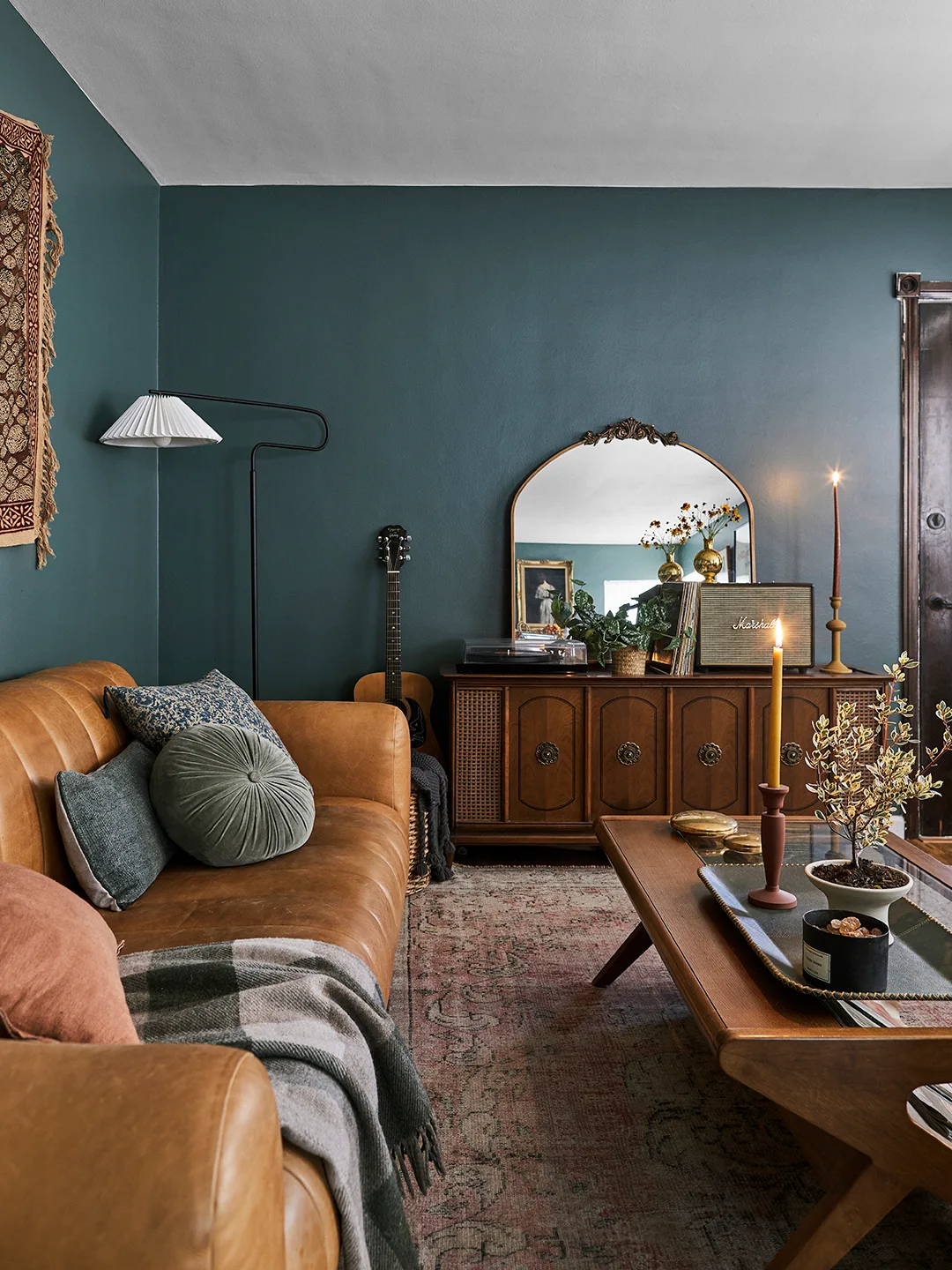
The gathered round green pillow brings a softer circular shape in front of the darker squares on this brown couch. Blue walls and the checked throw add other colors and patterns nearby. The rounded detail is effective because it changes the outline of the pillow group, rather than simply repeating another square in the same position.
Check the gathered surface and any central fastening for comfort before choosing a similar cover. Follow its care instructions carefully, since folds and decorative details can collect dust or need gentler treatment. Leave room for the throw to be used without displacing every pillow, and remove a layer if the combination makes the seat too shallow.
IDEA 09 / 20
Layer a textured cover beside quieter solids
 SaveSupport Non AI Creator
Image credit: Future PLC/Dominic Blackmore
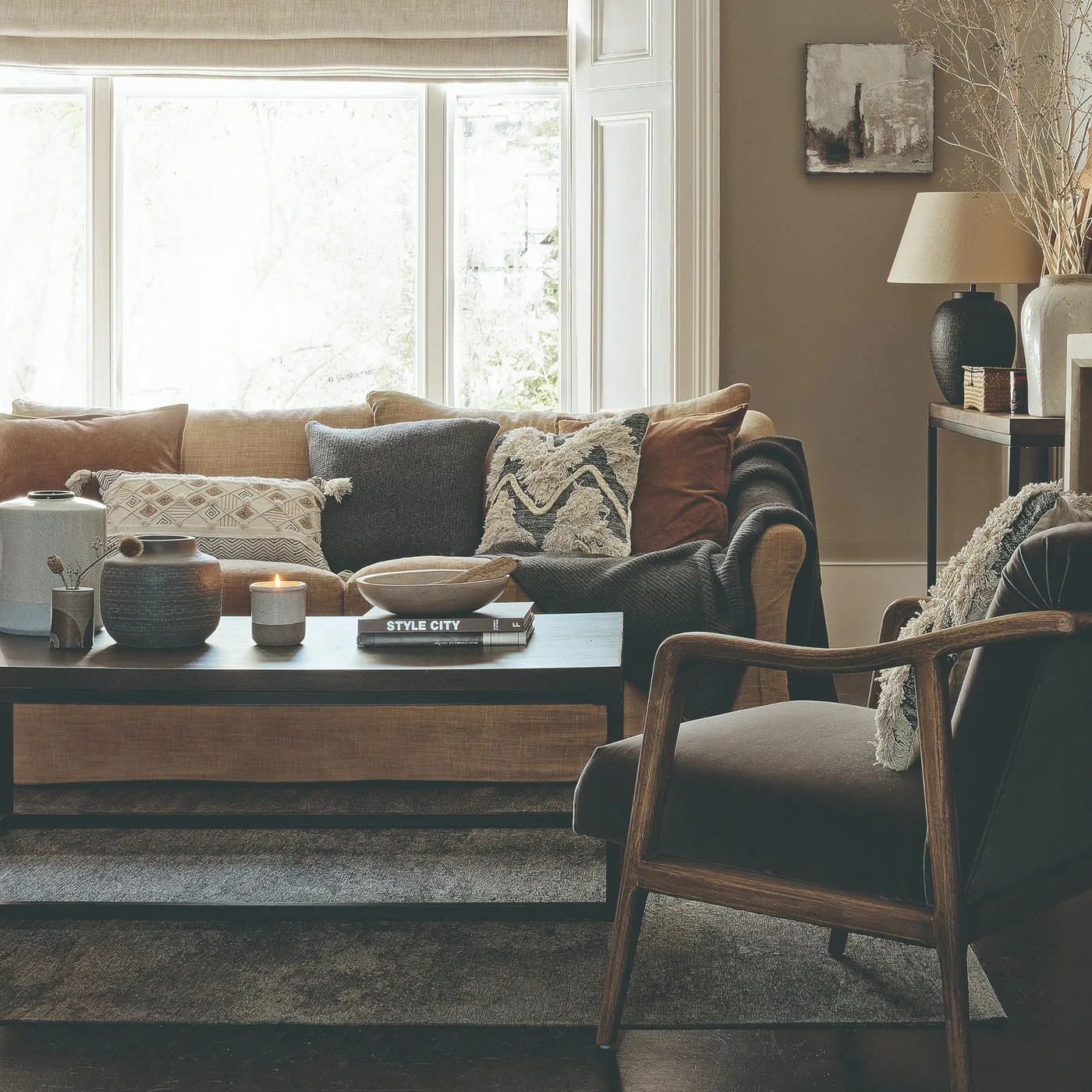
The sofa carries a varied group of pillows, including a pale patterned cover, a darker gray square and a textured geometric design. A rust-toned pillow introduces another warmer color toward the end. The combination changes both surface and tone, while the furniture remains the larger unifying background behind the smaller individual covers and their details.
Choose one textured cover as the focus before adding several more, checking how it feels against bare arms and clothing. Keep quieter solids beside it if the surface pattern already has a strong outline. Read cleaning guidance for raised or fringed details, and avoid assuming that all the covers in a coordinated group can be washed together.
IDEA 10 / 20
Repeat a print between couch and accent chair
 SaveSupport Non AI Creator
Image credit: Future PLC/Colin Poole
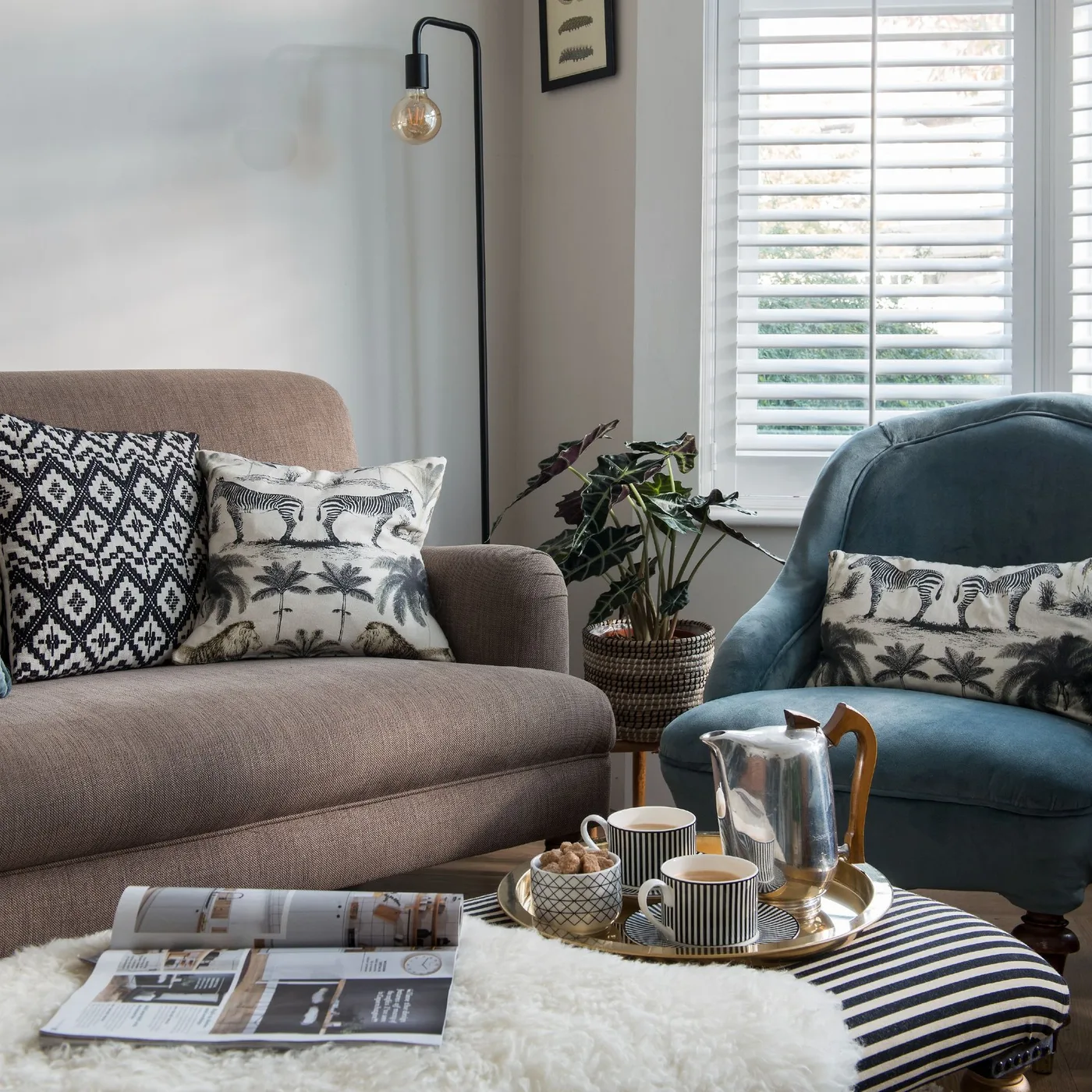
The animal-print pillow on the couch repeats on the neighboring blue chair, connecting furniture with different upholstery colors. A black-and-white geometric pillow provides another pattern on the sofa, while the striped ottoman adds detail below. The repeated print offers a clear link across the seating group without requiring every textile to be identical.
Repeat one cover only where it improves the relationship between the seats; there is no need to buy a matching set for every chair. Compare pattern scale with the ottoman so one surface does not compete unnecessarily with all the others. Keep the pillows positioned for comfortable use and check whether each seat needs the same amount of support.
PART 03
Connect pillow colors with the surrounding room
IDEA 11 / 20
Lighten a brown couch with contrasting pale pillows
 SaveSupport Non AI Creator
Image credit: Future PLC/Adam Carter
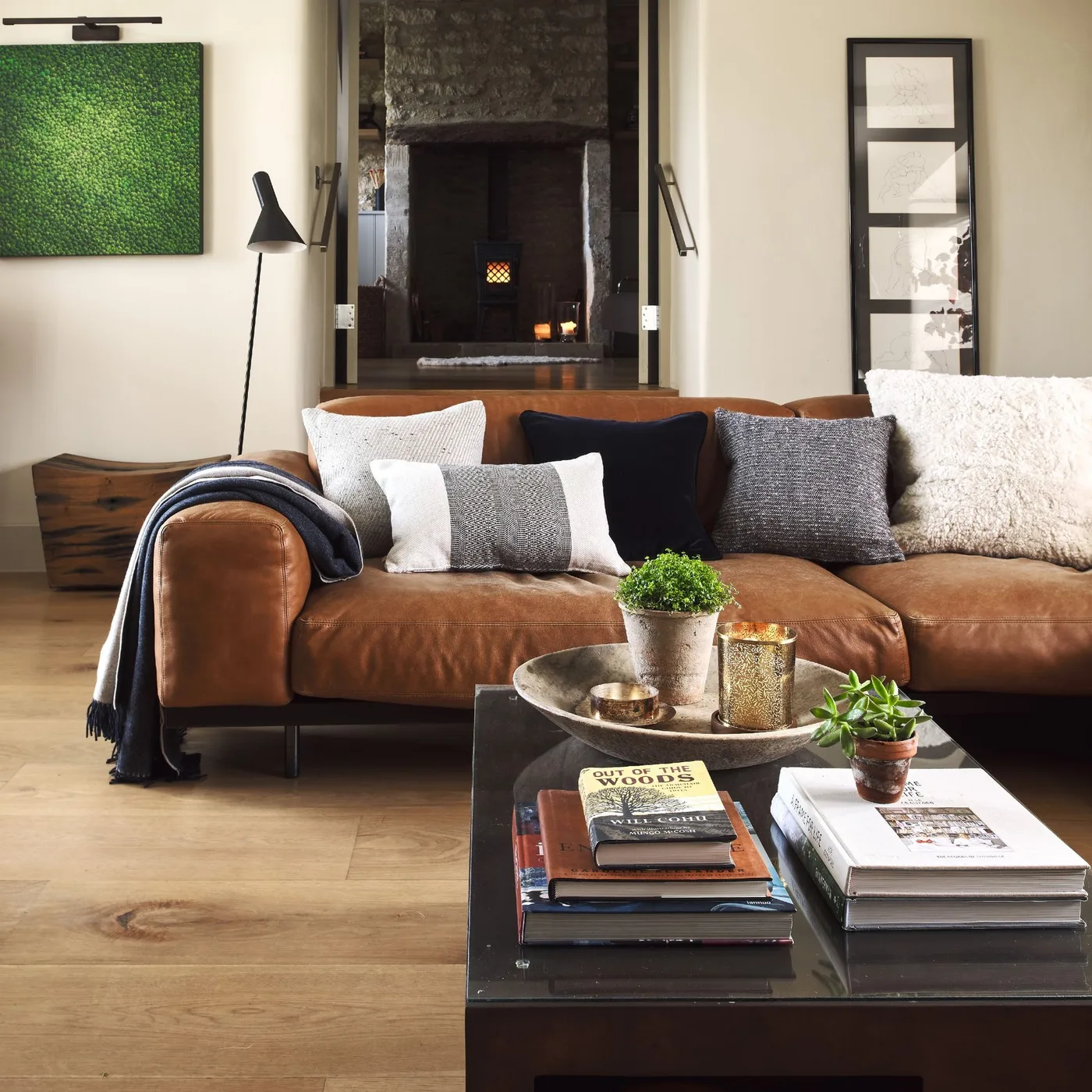
Large pale pillows frame the ends of this brown couch, with darker gray squares and a smaller rectangular pillow adding another layer. The lighter covers stand out clearly against the upholstery, while the darker pillows keep the arrangement from becoming one uninterrupted pale block. A dark throw extends the same contrast over one sofa arm.
Test the large pillows against your couch back height and check that they leave adequate room for shoulders and arms. Use the smaller rectangular pillow where it helps rather than centering it automatically. Pale covers may show marks sooner in everyday use, so compare their individual cleaning instructions with your household routine before committing to the entire arrangement.
IDEA 12 / 20
Keep muted green accents close to the couch color
 SaveSupport Non AI Creator
Image credit: Loaf
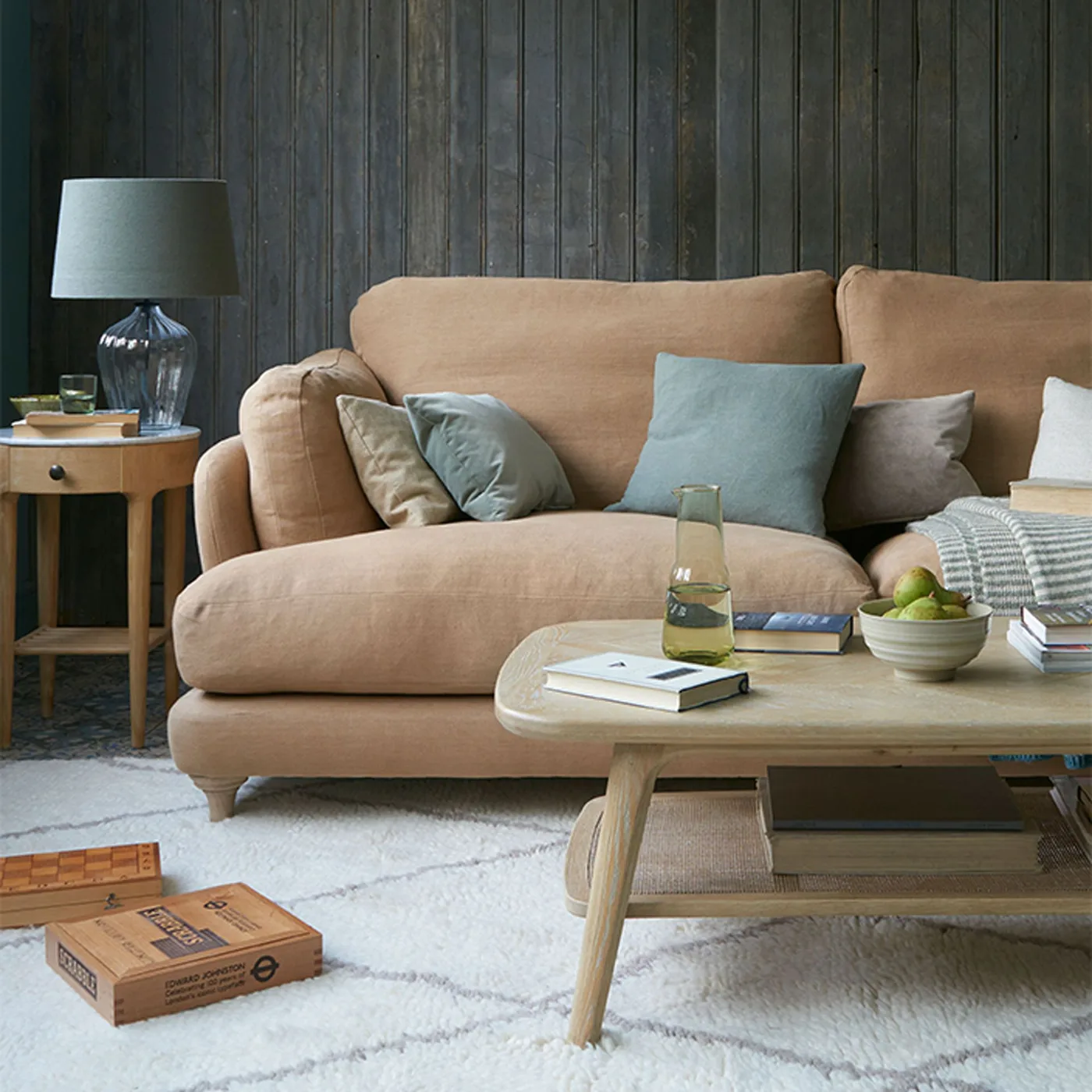
Muted green and neutral pillows sit against the tan couch, creating softer color differences than a bright contrasting set. The dark paneled wall provides the stronger background, so the pillows can remain subtle. Their slightly varied positions give the seating a relaxed appearance while leaving enough of the warm upholstery visible to hold the group together.
Compare muted covers in the room where they will be used, since similar tones can look flatter under different lighting. Choose the amount of filling for comfort rather than expecting the photographed lean to suit every couch. If a pillow continually slips into the seat gap, change its position or shape before adding more pieces to compensate.
IDEA 13 / 20
Repeat blue at several strengths
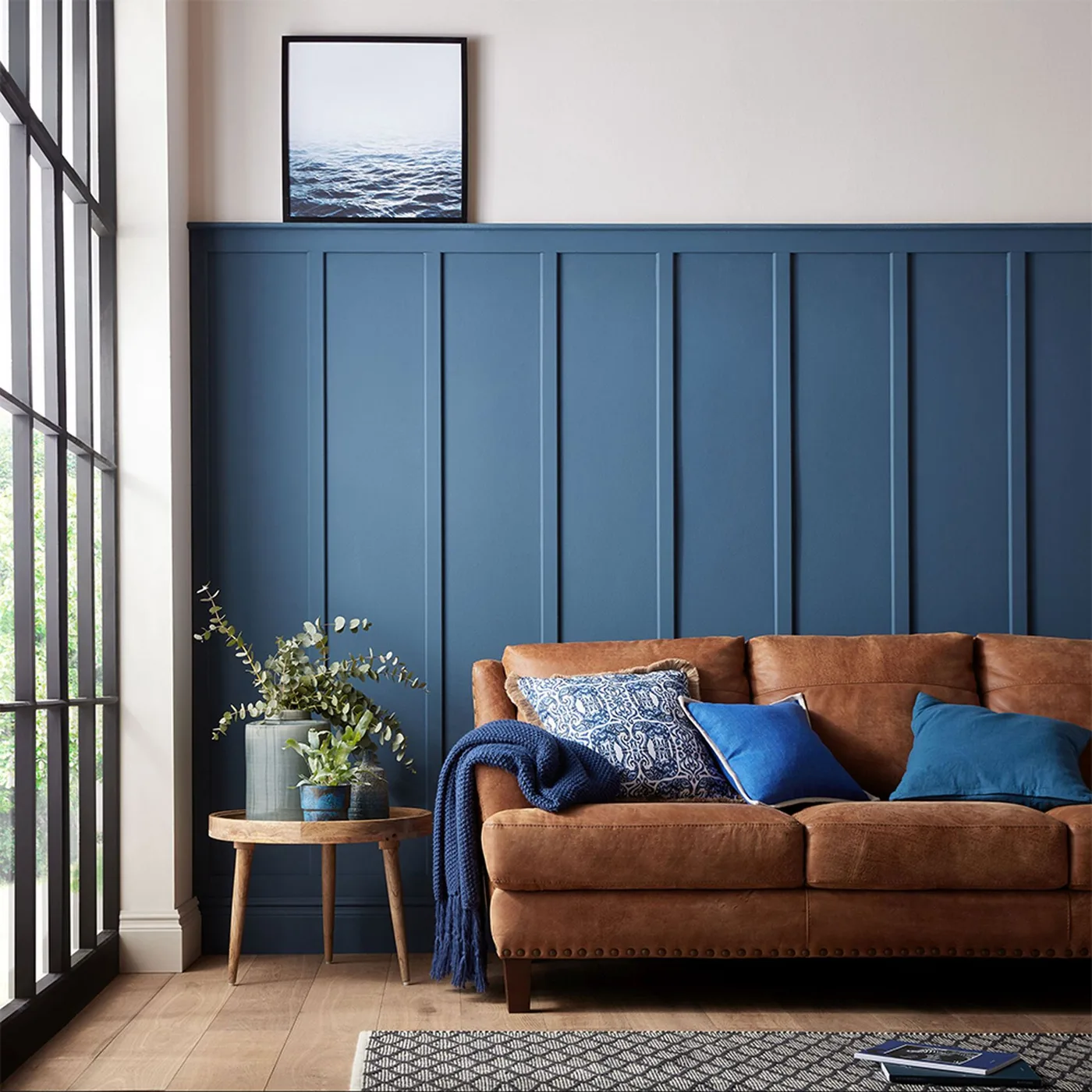 SaveSupport Non AI Creator
Image credit: Sofology
Blue appears at several strengths across these pillows, from the pale patterned cover to the brighter square and darker end pillow. The blue wall and throw carry the same general color elsewhere in the room. Those variations keep the group connected while giving each cover enough difference to remain visible against the brown couch.
Begin with one blue that works with your existing room and add a lighter or darker version only after comparing them together. Avoid relying on online color names to establish a match. Check the throw and pillow care labels separately, and keep the end grouping small enough that using the armrest does not require clearing several layers.
IDEA 14 / 20
Connect floral pillows with a nearby painted wall
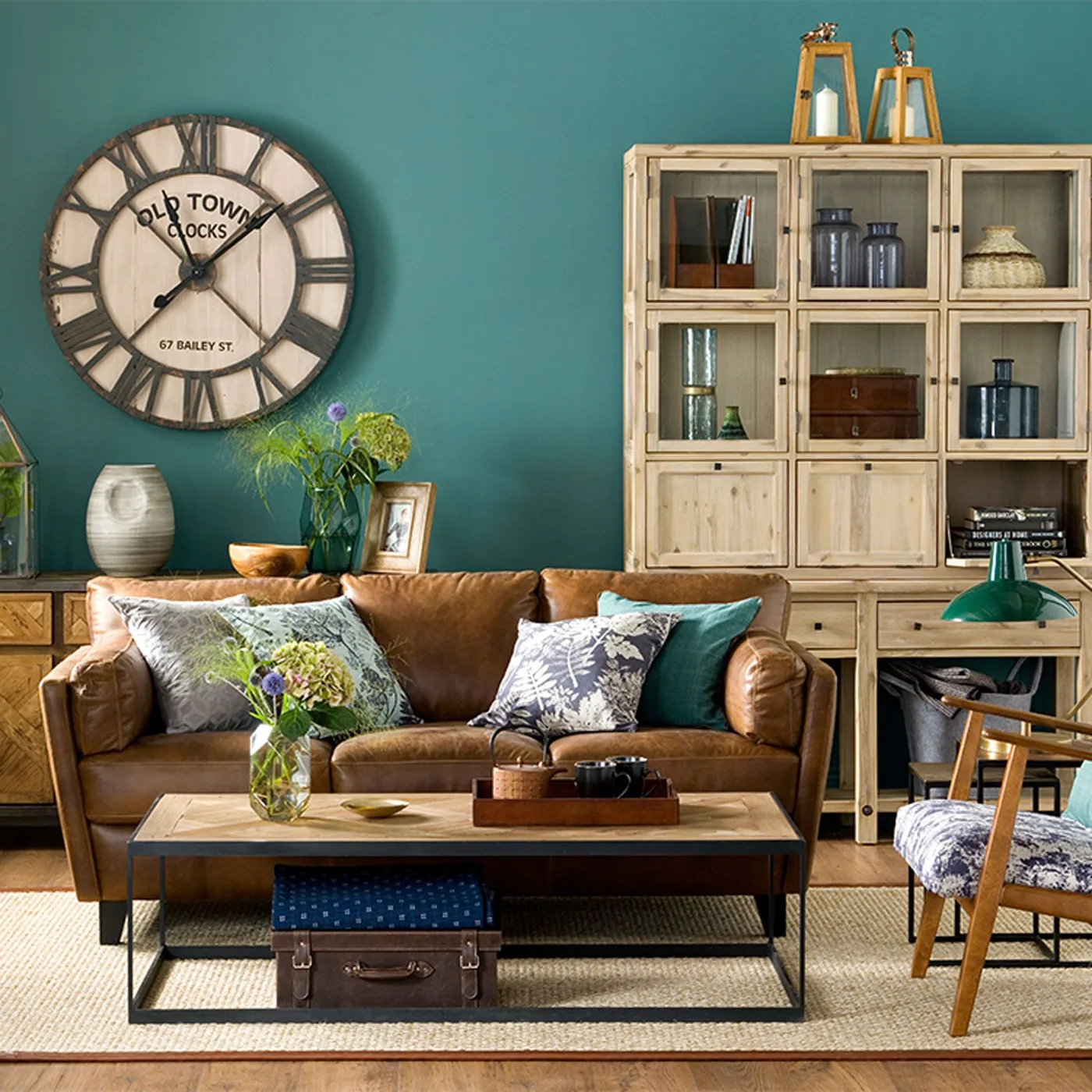 SaveSupport Non AI Creator
Image credit: Future PLC/Simon Whitmore
Pale botanical and darker floral pillows bring leafy shapes onto this brown couch. A green pillow echoes the turquoise wall more directly, helping the prints connect with the room around them. Because the larger wall carries a strong color, the lighter pillow backgrounds create a useful break rather than extending that intensity across every seat.
Compare the botanical prints side by side and let their different scales remain visible instead of overlapping nearly identical motifs. Choose covers that feel comfortable against clothing and skin. Keep a practical seat clear at the center, and consider whether the room needs another green pillow or whether the painted wall already supplies enough of that color.
IDEA 15 / 20
Set a dark pillow between pale graphic covers
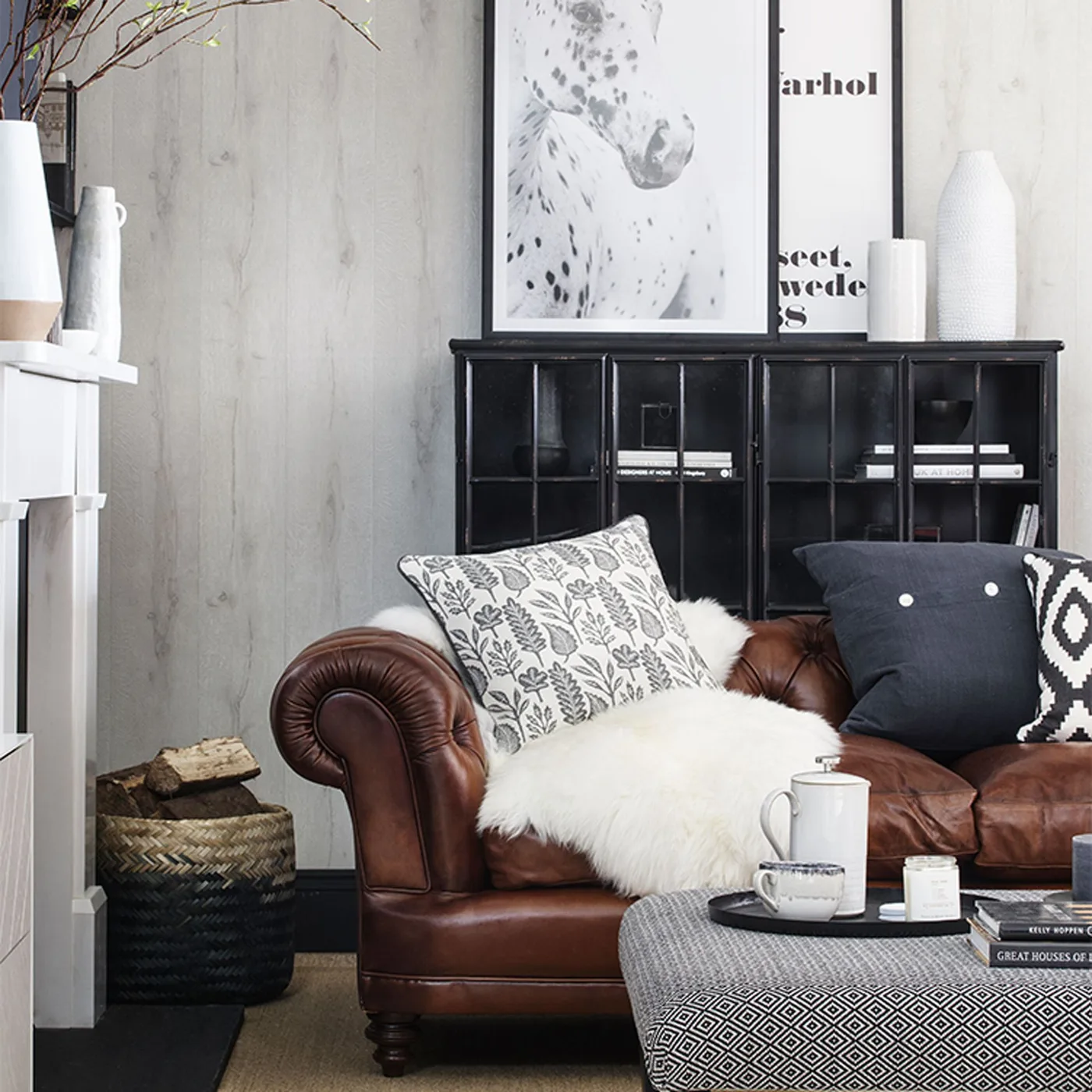 SaveSupport Non AI Creator
Image credit: Future PLC/Dominic Blackmore
A dark pillow separates the lighter graphic covers on this rolled-arm couch. The botanical and geometric patterns differ, but their pale backgrounds connect them with the white throw and the quieter room surfaces. The dark central element gives the group another outline, demonstrating a simple way to break up several similarly light pillows without adding a new bright color.
Check decorative buttons and raised details for comfort, especially if the pillow will be used behind your back. Keep the patterned covers far enough apart to appreciate each one, and follow the throw care instructions rather than treating it as another pillow cover. Reduce the stack if it prevents someone from comfortably using the curved armrest or sitting farther back.
PART 04
Combine patterns without losing comfortable seating
IDEA 16 / 20
Mix small woven patterns with larger geometric shapes
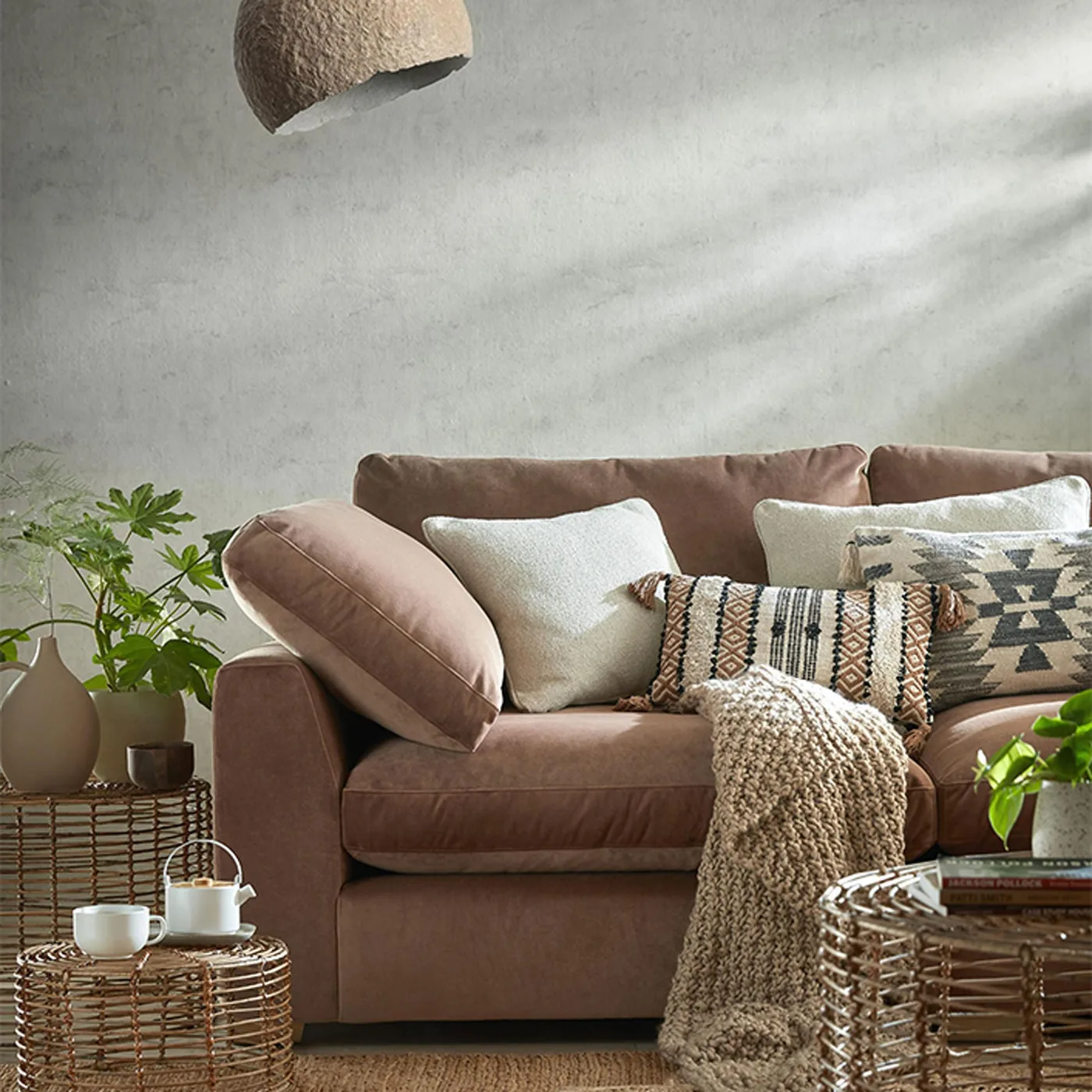 SaveSupport Non AI Creator
Image credit: Sofology
Pale pillows provide a quiet background for the smaller multicolored pattern and larger geometric cover on this brown couch. The woven-looking textures connect visually with the surrounding baskets and chunky throw, without needing the pillows to reproduce each neighboring surface. Different pattern scales help the individual covers remain readable even within a fuller layered arrangement.
Check the actual fiber and care labels instead of identifying materials from appearance alone. Choose textures you enjoy touching, and watch for trims that catch on everyday clothing or collect debris. Keep the throw available for use and leave enough seating depth; the surrounding textured accessories already provide plenty of detail without requiring another layer on the couch.
IDEA 17 / 20
Keep one pattern family while changing the color
 SaveSupport Non AI Creator
Image credit: Sofa.com
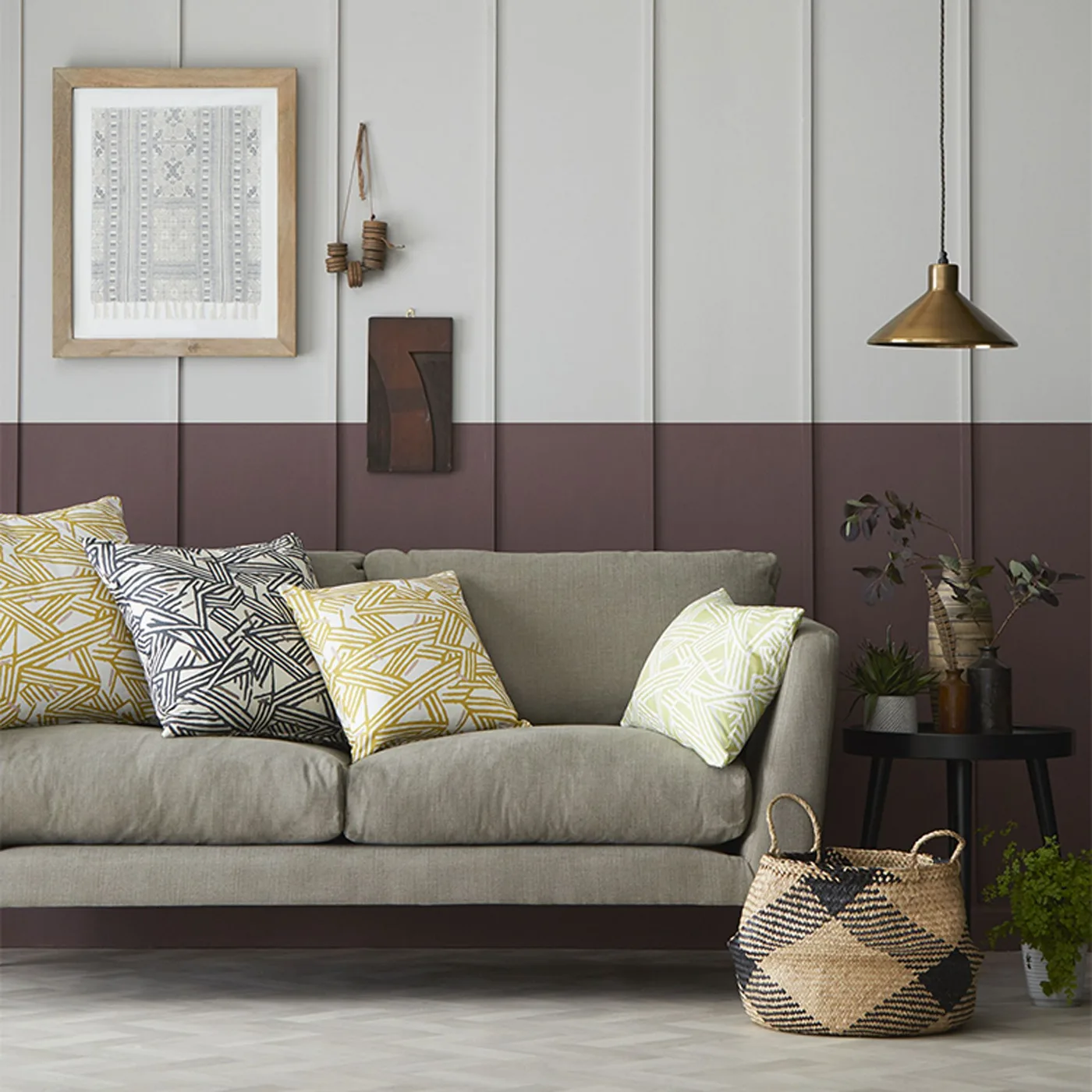
The pillows share angular geometric patterns but use yellow and darker gray tones to create variation. Against the pale couch, the different colors are easy to distinguish, while the two-tone wall supplies a larger background. The group shows how repeating a general pattern family can connect covers without making their prints or colors completely identical.
Compare the geometric patterns at the distance from which you usually see the couch, since some combinations feel busier close up than across the room. Keep a quieter space between fuller groups when needed. Check that the pillows support comfortable sitting and that their edges or closures do not become irritating where people rest their arms or backs.
IDEA 18 / 20
Balance warm yellow ends with pale patterned centers
 SaveSupport Non AI Creator
Image credit: Future PLC/Dominic Blackmore
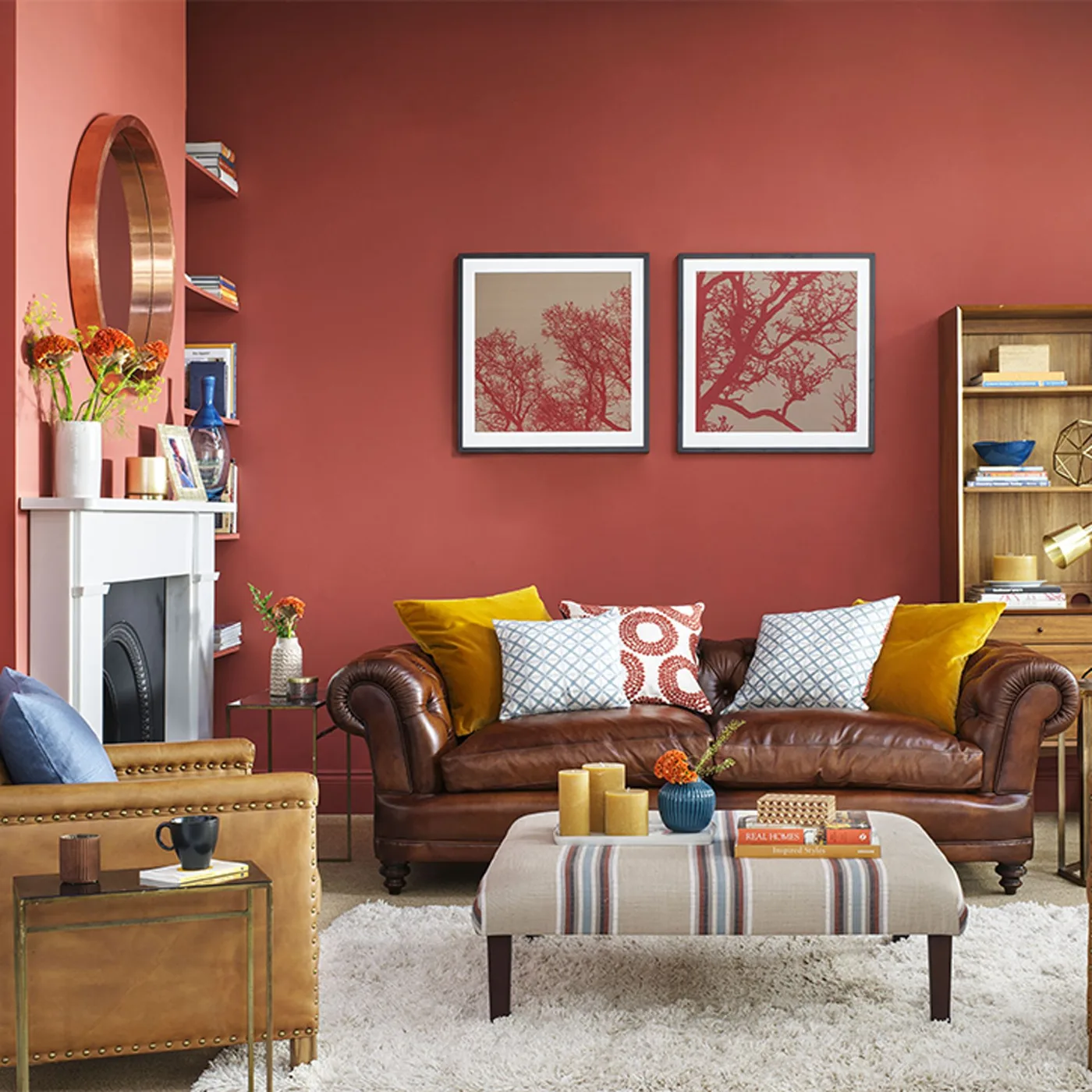
Yellow pillows brighten the ends of this brown couch, while pale patterned squares and a red circular-patterned pillow form the center. The red wall gives the warm details a larger background, with paler pillow surfaces providing a break. The arrangement offers a more deliberate color balance than putting equally vivid covers across every position.
Use the end pillows where they do not interfere with the rolled arms and test the center group with two people seated. Compare the pale patterns with other textiles already in the room before adding another print. If the stronger yellow dominates your own space, begin with one cover and judge the result in different light before buying a pair.
IDEA 19 / 20
Let a pale horizontal pillow interrupt darker prints
 SaveSupport Non AI Creator
Image credit: Future PLC/David Brittain
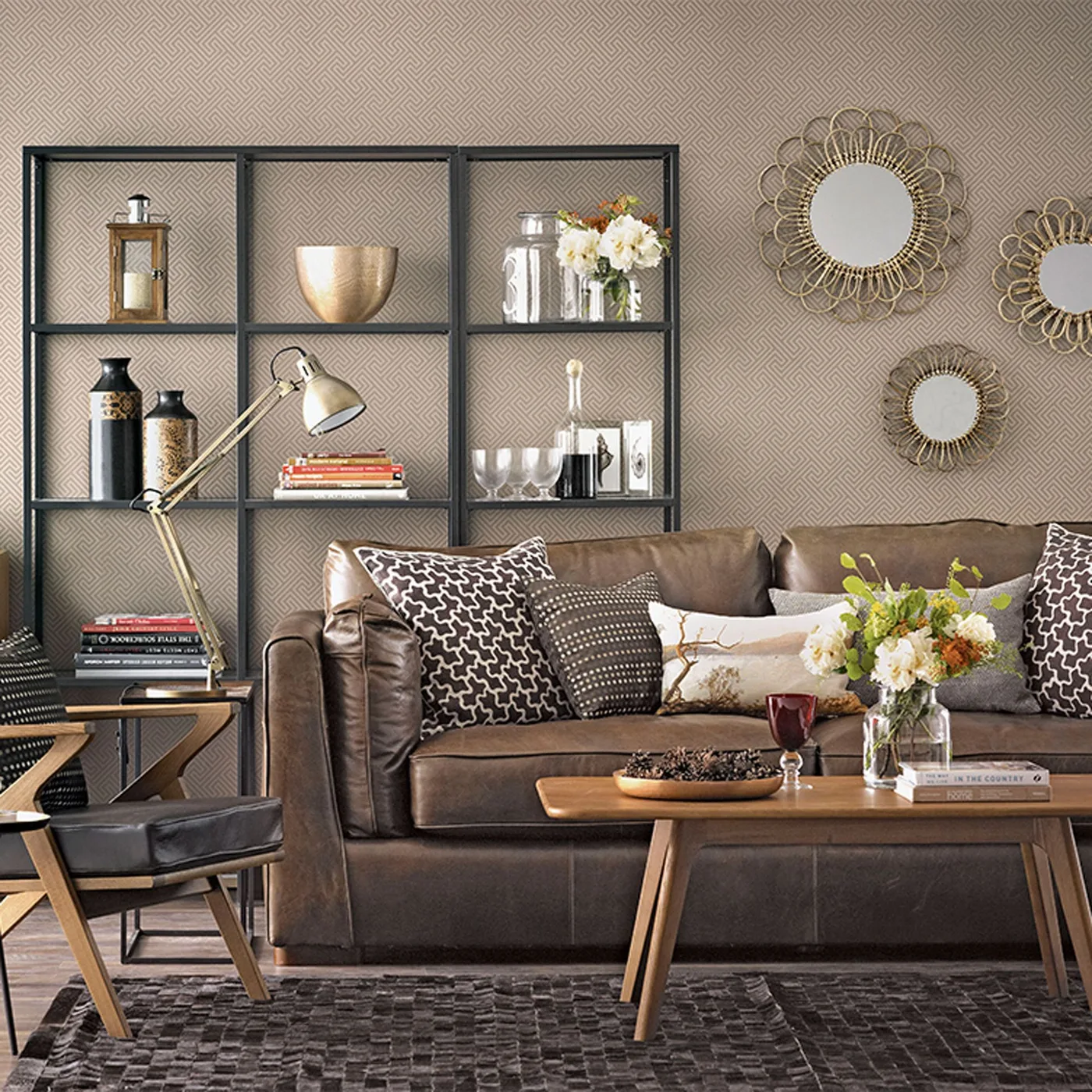
Several darker patterned squares blend closely with this brown couch, while a pale horizontal pillow provides a visible break across the middle. The surrounding shelves and mirrors add detail behind the seating, so the pillow contrast does not need another strong color. Changing the shape as well as the tone helps the smaller pale element stand out.
Place the horizontal pillow where it supplies useful support and check that it does not bridge two seats awkwardly. Compare the dark patterns against the actual couch fabric before purchasing, since subtle differences can disappear in evening light. Keep the group easy to move for cleaning and avoid stacking additional pillows simply because there is still an uncovered section of upholstery.
IDEA 20 / 20
Repeat a bold motif while varying smaller stripes
 SaveSupport Non AI Creator
Image credit: Future PLC/Dominic Blackmore
The blue pillows repeat pale arrow-like motifs at the ends of this ochre couch. Smaller multicolored striped pillows bring another pattern between them, while a yellow accent introduces a further warm note. The nearby patterned ottoman makes this a deliberately lively room, with repeated blue helping connect several different textiles rather than making them identical.
Choose one bold motif to repeat and test any striped covers beside it before filling every seat. Leave the couch comfortable even if that means using fewer pillows than the photograph. Follow each textile care label, and check whether the stronger pattern belongs on movable pillows or whether an existing ottoman already supplies enough visual activity for your room.
BRING IT ALL TOGETHER
Try the arrangement while sitting down
Place your first pillows where you normally need support, then sit in each position before adding another. Keep a convenient storage location for any decorative pillows you regularly remove. A mixture of covers can feel connected through one repeated color without requiring identical patterns, textures or shapes across every seat.
Check each cover and insert label separately before washing or drying. Closures, trims and contrasting fabrics can have different care requirements even when the pillows look similar. Choose filling that feels comfortable to you and avoid relying on a photograph to establish fabric durability, allergy suitability or an exact pillow size.